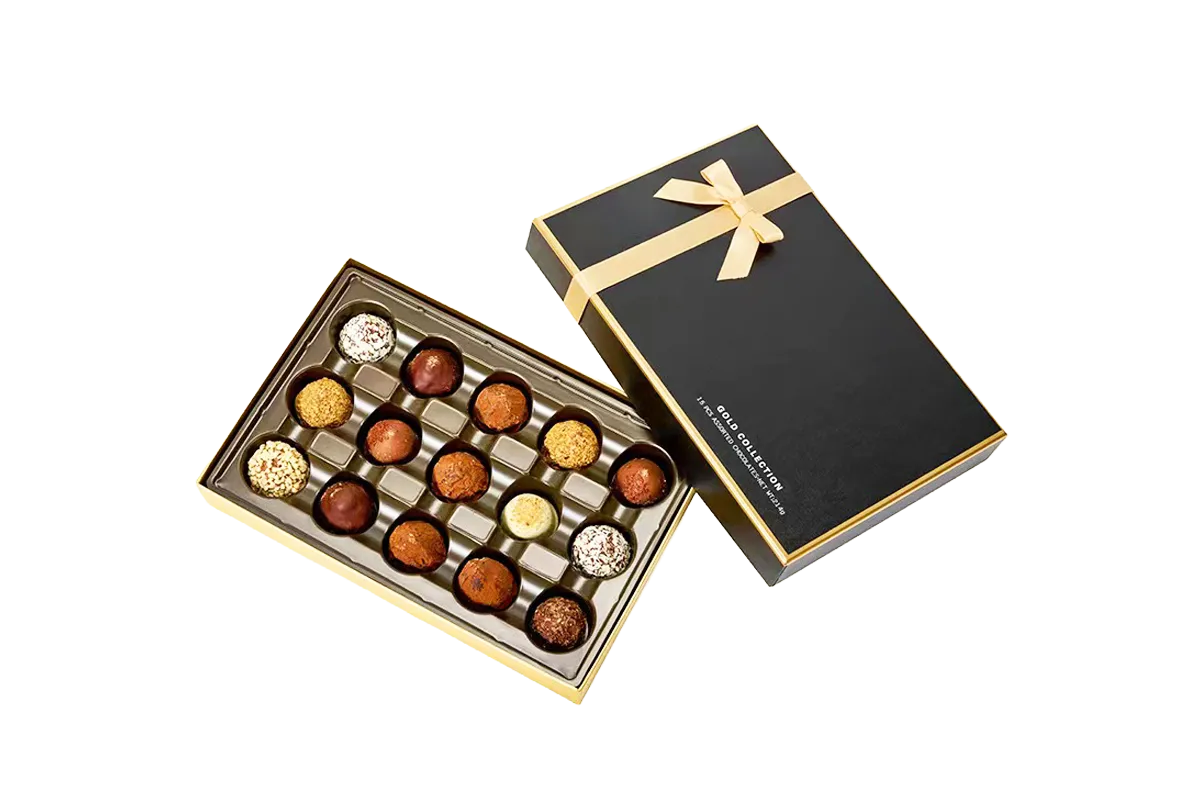
Custom candy and snack boxes carry more than product. For confectionery brands, bakeries, and snack distributors buying at wholesale volume, the box sells the brand on the shelf, protects fragile pieces in transit, and sets the moment a customer opens it.
Board grade, box structure, print method, and order quantity all interact, so wholesale ordering takes a plan. This guide walks through each decision in sequence: planning, 재료, styles, printing, MOQ economics, and the ordering process itself.
What to Consider When Ordering Custom Candy and Snack Boxes
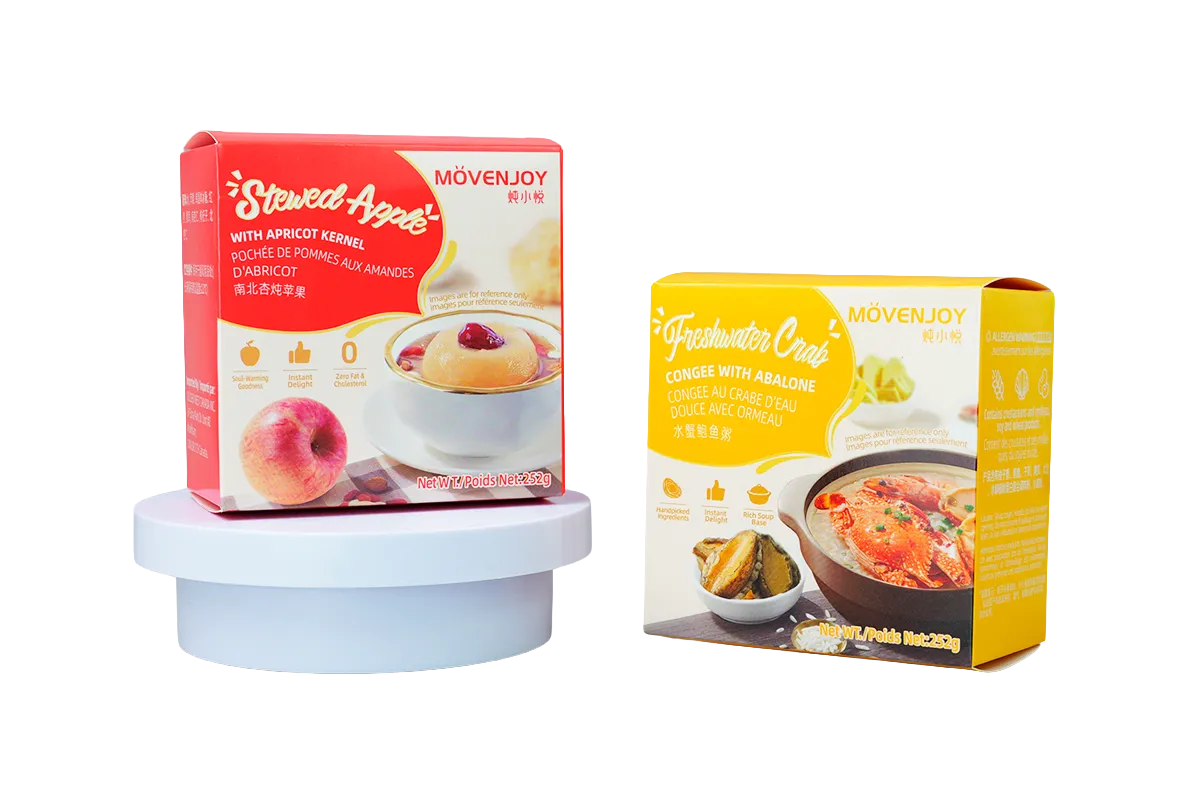
Four questions, answered in order, prevent most of the mistakes that surface during production.
Before any dieline exists, a candy box program stands on four planning decisions. Each one constrains the next, so settling them in order keeps the project moving without rework.
Product Size, Weight, and Packaging Requirements
Start from the product, not the box catalog. Measure the candy in its final form, count the pieces per pack, and note the weight, because heavy assortments need stiffer board than lightweight singles. Add clearance for liners and trays, and record whether the product is fragile, oily, or humidity-sensitive.
Box Style and Opening Structure
The opening ritual is part of the product experience. A grab-and-go snack needs a structure that opens fast, and a gift assortment deserves a lid or drawer that slows the reveal. Match the structure to how the box is used at retail and in the hand.
Material and Barrier Requirements
Chocolate, caramel, and roasted nuts carry oils that can spot bare paperboard, and some products also demand moisture protection or a food-contact surface. Meikei produces food-contact grades of board and ink for candy and snack applications, so direct-contact programs can specify compliant materials up front. Write the barrier requirement into the spec sheet.
수량, Budget, and Retail Requirements
Quantity shapes everything commercial. Small orders often cost more per unit, holiday demand may require advance capacity planning, and retail chains may require barcodes or shelf-ready packaging. Frame the budget across two or three tiers, and the quotation will map the real curve instead of a single point.
Materials and Barrier Options for Candy Packaging
Board grade sets the ceiling on print quality, structural strength, and how a candy box survives the supply chain.
Most custom candy boxes are built from paperboard between 0.3 and 1.1 mm thick, and that choice drives everything downstream. The same artwork renders differently on natural kraft and on coated white board, and the wrong grade cracks at the fold.
Recyclable Kraft vs Coated Paperboard
Uncoated kraft board keeps its natural tan fiber and signals an organic, low-intervention brand. The surface is slightly textured, so solid ink areas read softer and fine reverse type needs extra weight.
Coated boards such as SBS and FBB run a bright white surface that snaps contrast and photographs cleanly. They cost more than kraft, and the coating keeps four-color process printing sharp on a small panel.
| Board | Surface | Print Character | Typical Fit |
|---|---|---|---|
| Uncoated kraft | Natural tan fiber | Softer solids, warm feel | Organic and artisan lines |
| Coated SBS | Bright white, clay coated | High contrast, true color | Premium retail boxes |
| FBB | White, multi-layer | Stiff at light weight | Lightweight cartons |
| Recycled board | Speckled or grey back | Value positioning | Eco-budget programs |
Sustainability claims need paperwork. If a certified fiber story matters to your brand, look for FSC-certified board and ask for chain-of-custody documentation, since the FSC system tracks fiber from forest to finished box.
Grease-Resistant Paperboard Options
Grease-resistant board adds a barrier treatment that keeps oil from wicking into the fibers and spotting the package. Meikei runs food-contact grades of grease-resistant board and ink for candy and snack work, so chocolate, caramel, and nut programs can specify direct-contact constructions with confidence. Record the agreed grade on the specification sheet.
Window Film and Inner Liners
A clear window turns the package into its own display, and the film matters as much as the opening. Gloss film maximizes visibility, while matte film hides fingerprints and softens reflections under store lighting. Windows are cut and lined on the same die as the box, so the film specification is locked at the dieline stage.
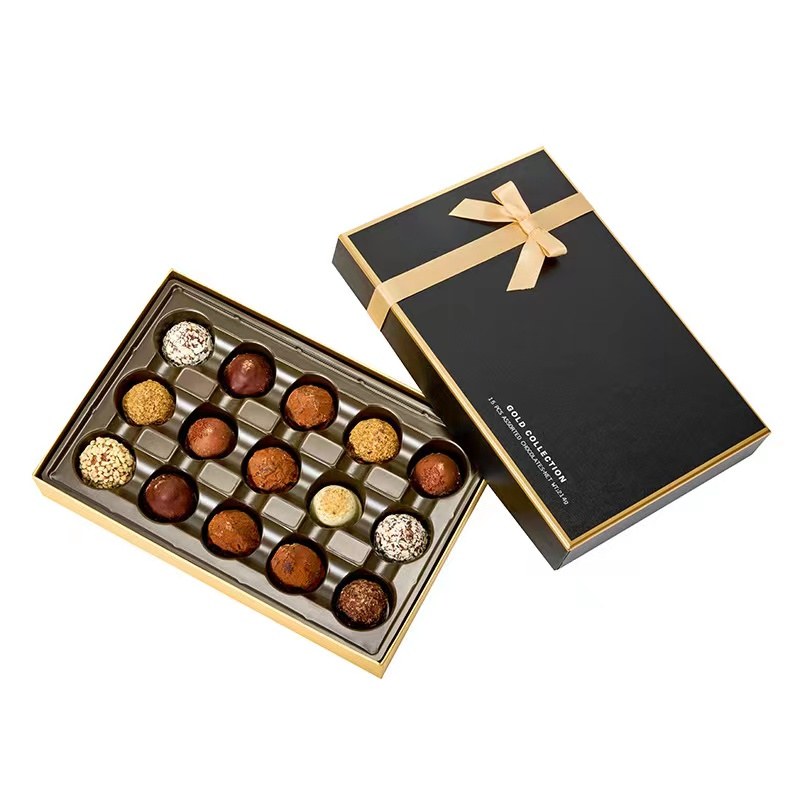
Inner liners and tray inserts decide how assorted pieces present themselves. A printed pad frames a neat row of truffles, while formed trays keep each piece in its cell through shipping. For direct-contact programs the liner counts as a food-contact layer and belongs on the same spec sheet.
Matching the Material to the Candy or Snack
The fastest way to pick a construction is to work from the product trait that drives risk.
- Chocolate and enrobed pieces call for grease-resistant board, food-contact liners, and a structure that limits hand contact.
- Dry snacks and counted packs run well on standard kraft or SBS with a film window for visibility.
- Premium gifting pairs coated board with foil and soft-touch film, where the barrier needs are light but the finish expectations are high.
Candy Box Styles and Structures
Structure follows the product, because a single truffle, an assorted lineup, and a grab-and-go snack each demand a different box.
Box style is where product, price point, and shelf strategy meet. Four structures cover most wholesale candy programs, and each balances material cost, assembly labor, and display impact differently.
Window Tuck-End Boxes
The tuck-end carton is the workhorse of retail candy packaging. Top and bottom flaps fold and lock without glue, and a die-cut window shows the product through film. It ships flat, assembles fast, and holds graphics on every panel, which makes it the default for bars, stacked candies, and counted packs.
Pillow Boxes for Small Candy and Party Favors
Pillow boxes curve a single sheet into a plump oval profile that reads as a small gift. They suit single servings, wedding favors, and seasonal giveaways. Setup is quick, tooling is simple, and the curved surface takes foil and spot color well.
Divider Trays and Base-Lid Boxes for Chocolates
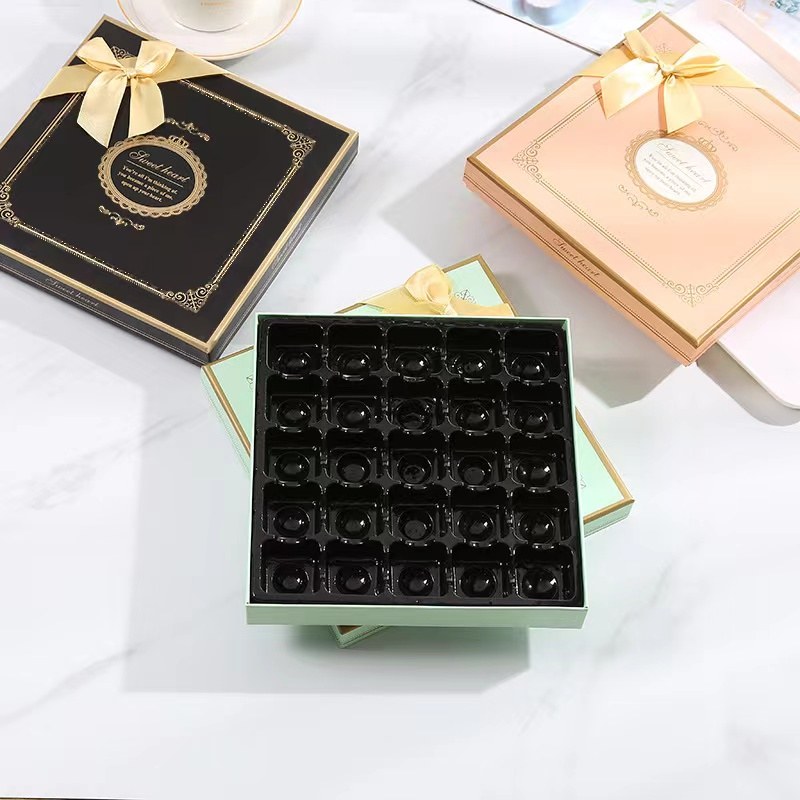
Assorted chocolates need each piece held in place and visible. A base-and-lid set pairs a deep tray with a stiff cover, and divider inserts keep pieces separated and level. It costs more than a folded carton but presents like a gift box, so filled assortments default to it.
Drawer Boxes for Premium Candy and Snacks
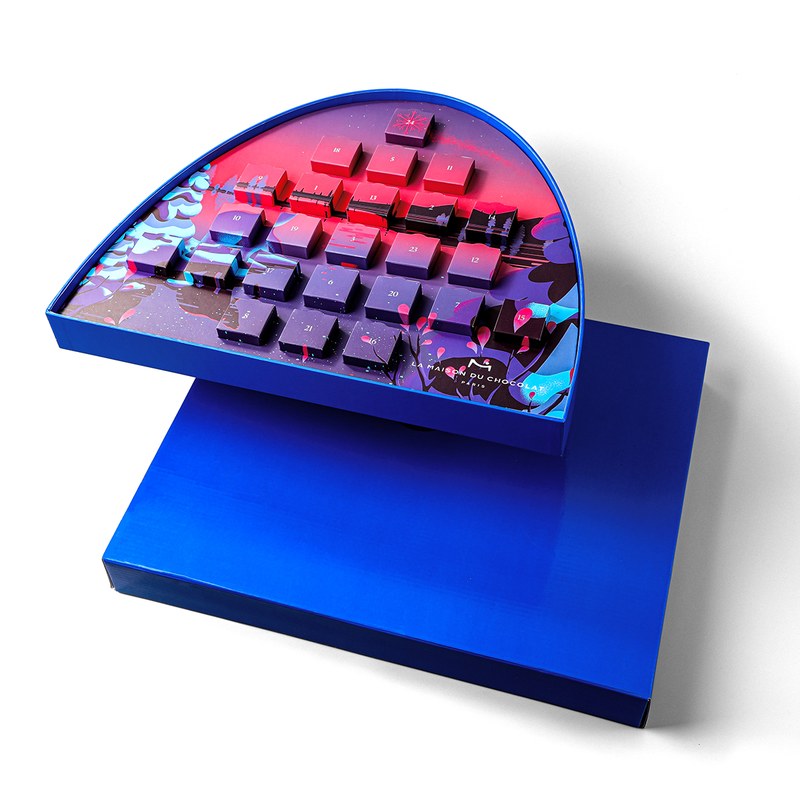
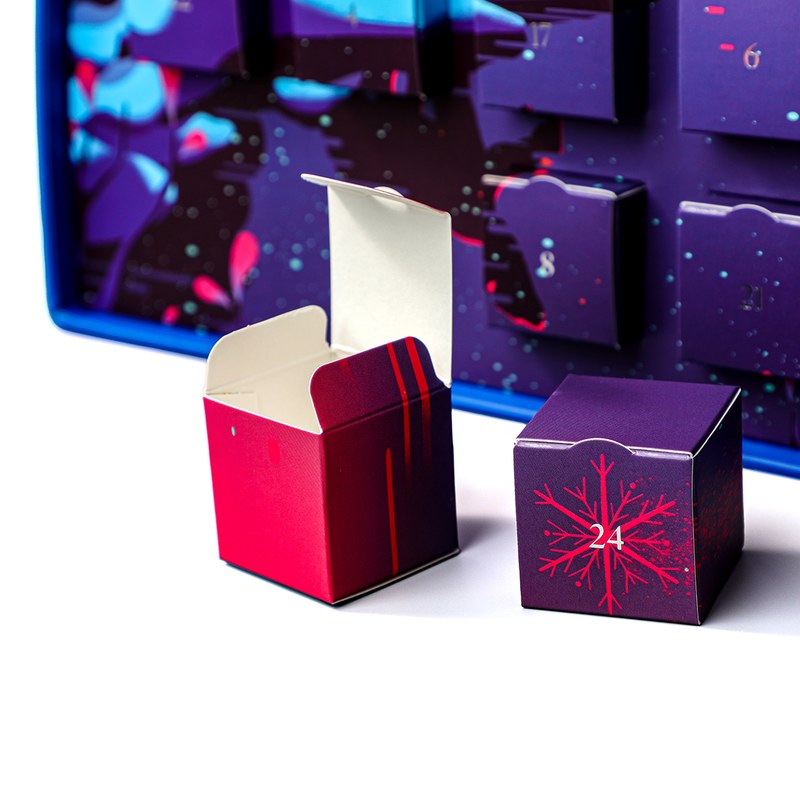
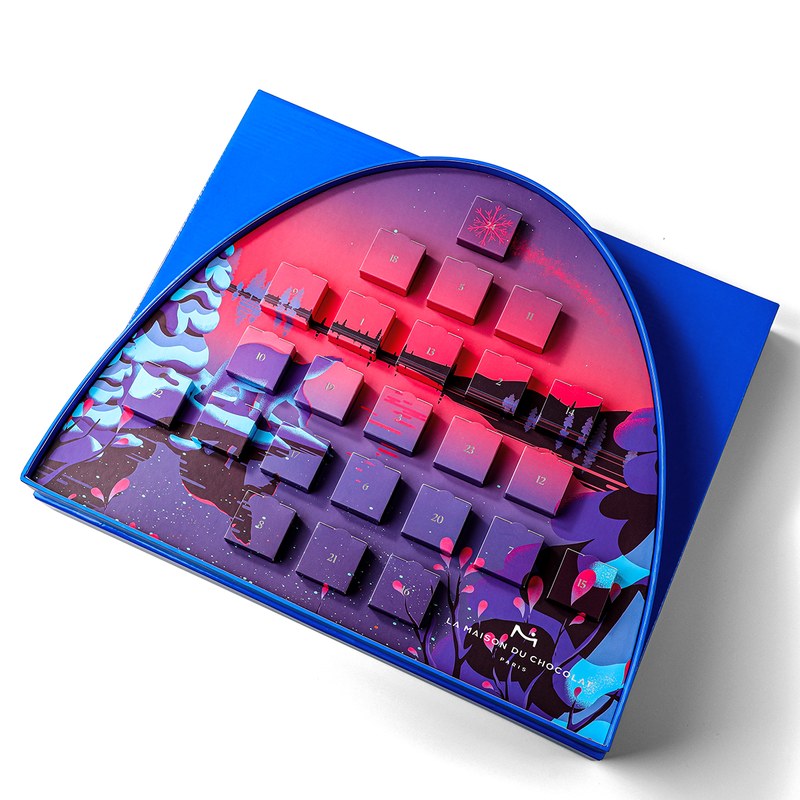
A drawer box slides an inner tray out of a printed sleeve, and a thumb tab makes the pull part of the experience. Premium singles, tasting flights, and advent calendars use the format because each opening is a small reveal. For the full construction and wrapping process, see our article on how rigid gift boxes are made. The sleeve-tray fit needs tight tolerances, so expect extra sampling rounds.
| Style | Structure | Typical Product |
|---|---|---|
| Window tuck-end | Folded carton, film-lined aperture | Bars, stacks, counted packs |
| Pillow box | One-piece curved fold | Favors and single servings |
| Base-lid with trays | Two-piece set with inserts | Filled assortments |
| Drawer box | Sleeve with sliding tray | Premium singles and calendars |
For the full production background behind these folded structures, read how folding cartons are made.
Get Custom Candy and Snack Boxes Built for Your Program
Printing and Finishing Options for Candy Boxes
On a shelf measured in seconds, finish quality speaks before a shopper reads a single word.
Candy is an impulse category, and print does the selling. Small boxes concentrate brand color, photography, and required text onto tight panels, so registration and finishing carry more weight than on a shipping case.
CMYK and Pantone Color Printing
Full-color process printing builds artwork from four ink channels, and brand colors usually ride on top as spot Pantone inks. On a small box, even slight misregistration blurs fine type, so printers proof at final size before the run. Specify whether brand colors are process-built or spot-ink, because the choice changes both color fidelity and unit price.
포일 스탬핑, Embossing, and Raised UV
Metallic foil, embossing, and raised UV turn a flat print into something shoppers want to touch. Foil lays metal leaf over the pattern, embossing presses the board into relief, and raised UV builds a glossy dimensional layer on chosen areas. Each is a separate pass, so cost scales with coverage. For how hot and cold foil change cost and appearance, see how hot foil and cold foil differ.
Matte vs Gloss Lamination
Lamination protects the print and changes how the box feels. Gloss film deepens color and throws candy-bright highlights, while matte film diffuses light, resists fingerprints, and gives premium chocolate brands their quiet look. Soft-touch film adds a velvety surface that customers handle longer, and matte hides the rub marks that glossy surfaces show in transit.
Choosing Finishes for Retail Packaging
Finishes earn their cost when they match the shelf context rather than the mood board.
- Mass and mid-market shelves reward one strong accent, usually a logo foil or a spot gloss over the flavor name.
- Premium gifting supports layered finishes, such as foil plus embossing on a soft-touch base.
- Eco-positioned lines often skip lamination entirely and let uncoated kraft carry the message.
MOQ, Pricing, and Lead Time for Custom Candy Boxes
Quantity tiers, tooling, and seasonality shape candy box economics more than any single negotiation.
Every quotation balances several levers, and understanding them turns a price list into a planning tool. None of them is fixed, and each moves with the decisions made earlier in this guide.
Order Quantity and Unit Pricing
Unit price falls as run length grows because set-up costs amortize across the order. Press make-ready, die cutting, and finishing changeovers cost roughly the same whether the run is small or large, so a bigger order spreads those fixed costs thinner. Requesting two or three tiers side by side shows where the curve flattens. For the full price breakdown, read our guide on how much custom paper boxes and folding cartons cost.
Tooling and Die Costs by Box Style
Custom work needs cutting dies and print plates, and those one-time tooling charges depend on structure. A tuck-end carton cuts from one die, while a drawer box needs matched tools for its sleeve, tray, and pull tab. Tooling belongs to the design it was built for, and a reorder reuses it, which is another reason to freeze dimensions before production.
재료, Structure, and Finishing Costs
Board grade sets the base price, and every step upward adds its own line. Coated and grease-resistant grades cost more than standard kraft, two-piece and drawer structures consume more material and labor than folded cartons, and each finishing pass adds a setup charge plus a per-unit cost. Compare quotes with the specification held constant.
Production Lead Time and Seasonal Planning
Candy is a calendar business. Halloween, Christmas, Valentine’s Day, and wedding season concentrate demand into narrow windows, and factories fill capacity weeks in advance. Work backward from the shelf date, add buffer for sampling, and book capacity early. Off-season runs trade urgency for steadier attention.
How to Order Custom Candy and Snack Boxes
A disciplined ordering process locks size, dieline, and color before bulk production starts.
A wholesale candy box run moves through five stages, and the order of operations matters more than speed. Decisions made in the first two steps decide whether the last three go smoothly.
Step 1: Confirm Box Size, Style, and Product Requirements
Open the project with the product details from the planning section: dimensions, piece count, weight, and barrier needs. Let those facts pick the structure from the four styles above and confirm the finished dimensions with the supplier. A box sized to the product cuts waste and stops pieces from shifting.
Step 2: Prepare Dieline and Artwork
The dieline is the flattened map of your box, marking every fold, cut, window, and glue zone. The supplier generates it from your confirmed dimensions, and your artwork must land inside its panels with bleed and quiet margins respected. Supply logos in vector files, and keep required text, net weight statements, and barcodes on flat areas away from folds.
Step 3: Review the Sample and Specifications
Never skip the physical sample. A prototype confirms fit, opening force, and window alignment in hand, and the specification sheet freezes the details production will be measured against.
- Board grade and thickness.
- Print method and color references.
- Finishing scope and placement.
- Window film and liner specification.
Step 4: Approve Bulk Production and Quality Control
Bulk runs print, cut, crease, and finish against the frozen spec. Well-run factories inspect at set-up, mid-run, and pre-pack, checking registration, fold quality, glue strength, and finish adhesion, and they hold retain samples from each batch. Agree on inspection points in writing.
Step 5: Arrange Shipment and Future Reorders
Folded styles ship flat in cartons, which keeps freight volume low, while assembled two-piece sets consume more space and protective packing. Confirm inner pack counts, carton markings, and delivery terms before the run finishes. Ask the factory to archive the dieline, plates, and approved samples, because a documented spec makes reorders fast and consistent.
FAQ
What is the minimum order quantity for custom candy boxes?
MOQ depends on box style, size, and print process, so every combination quotes separately. Request tiered pricing, because unit cost falls as quantity rises and the tiers show where the curve flattens.
Can I order custom sizes and window shapes for candy boxes?
Yes. Candy boxes are built to your product dimensions, and the window position, shape, and film are specified on the dieline. Locking both at the artwork stage avoids retooling later.
Are the materials food-contact safe for candy and snacks?
Yes. Meikei produces food-contact grades of board, ink, and liner materials for candy and snack packaging, including grease-resistant constructions for chocolate and other oily confectionery. State the contact type when requesting a quote so the right grades are specified.
What is the lead time for wholesale candy box runs?
Lead time moves with quantity, finishing complexity, and seasonal factory load, so no single figure fits every run. Share your target shelf date when requesting a quote, and the factory can reserve capacity and confirm a schedule.
Conclusion
A wholesale candy box order is a chain of decisions that hold together or fail together. Product facts pick the structure, board grade sets the ceiling, printing earns the shelf, and the five-step process keeps every decision intact through production.
The economics reward preparation. Tiered quantities expose the real unit curve, tooling fits the structure you chose, food-contact and grease-resistant grades are specified up front, and seasonal booking keeps a holiday program out of the rush. Buyers who freeze specifications before bulk spend less time fixing runs and more time selling them.
When you are ready to specify boxes for your own line, talk to the Meikei team about your product, quantities, and shelf date. A structural review before quoting costs nothing and prevents most of the mistakes mapped here.