Rigid gift boxes are the stiff-walled boxes that carry jewelry, perfumes, watches, and premium spirits. They arrive assembled, hold their shape under pressure, and turn an unboxing into part of the product story, which is why luxury brands treat the box as carefully as the item inside.
Making one is a different craft from folding-carton production. Instead of printing and creasing a single sheet, a rigid box starts as cut greyboard panels that are wrapped, assembled, and finished largely by hand. This guide walks through the production line first, then the materials, inserts, finishes, costs, and the ordering process behind every rigid gift box.
How Are Rigid Gift Boxes Made?
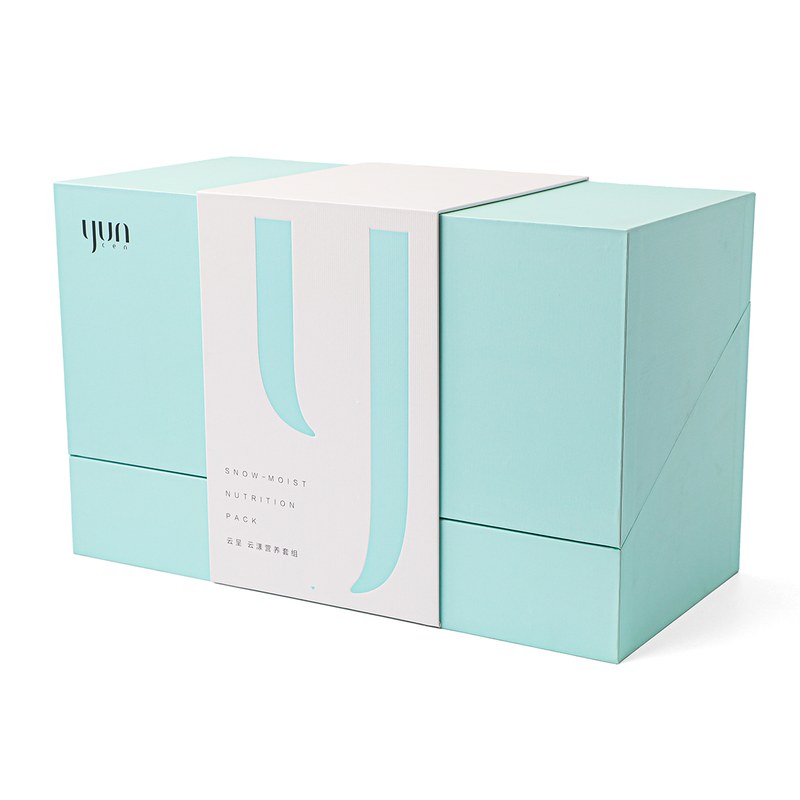
Rigid box production is handwork organized like a line, and each stage builds on the one before.
A rigid box run moves through five stages. Design and mockups come first, board work and wrapping follow, and finishing with quality control closes the line.
Step 1: Design the Box Structure and Create a Mockup
Engineering starts with the product. Designers set the inner dimensions from the product plus its insert, add wall thickness, and issue a dieline for every greyboard panel and wrap piece. A white mockup confirms fit, lid tension, and opening feel before any printed wrap is committed.
Step 2: Cut and Assemble the Greyboard
Steel-rule dies cut the greyboard panels, and the line tapes or glues them into a hollow shell. Corner building is the tolerance-critical step: corners that sit proud of the panel will telegraph through the wrap as visible ridges, so experienced factories check squareness panel by panel.
Step 3: Wrap the Box With Printed Paper
Printed wrap paper is glued over the shell by hand or by wrapping machine, folded over the edges, and smoothed at the corners. Patterns must meet at the corners and borders must land square, so the line registers each wrap piece to its panel before the glue sets. Skilled operators tune this by hand, which is part of why rigid boxes carry assembly labor that folded cartons do not.
Step 4: Add Inserts, Closures, and Other Components
Inserts are cut, formed, or flocked to the product cavities and seated inside the wrapped shell. Magnets, ribbons, and hinges are fitted at this stage, and the box closes for the first time as a finished unit. Assembly order matters, since a magnet buried under the wrap cannot be adjusted afterward.
Step 5: Apply Finishes and Complete Quality Control
Final passes add foil, embossing, or laminations that were not applied to the flat wrap, and inspection checks wrap alignment, corner quality, closure function, and finish registration against the approved sample. Boxes are packed assembled with corner protection, and a signed retain sample from each batch gives reorders a physical reference.
Rigid Gift Box Materials and Structure
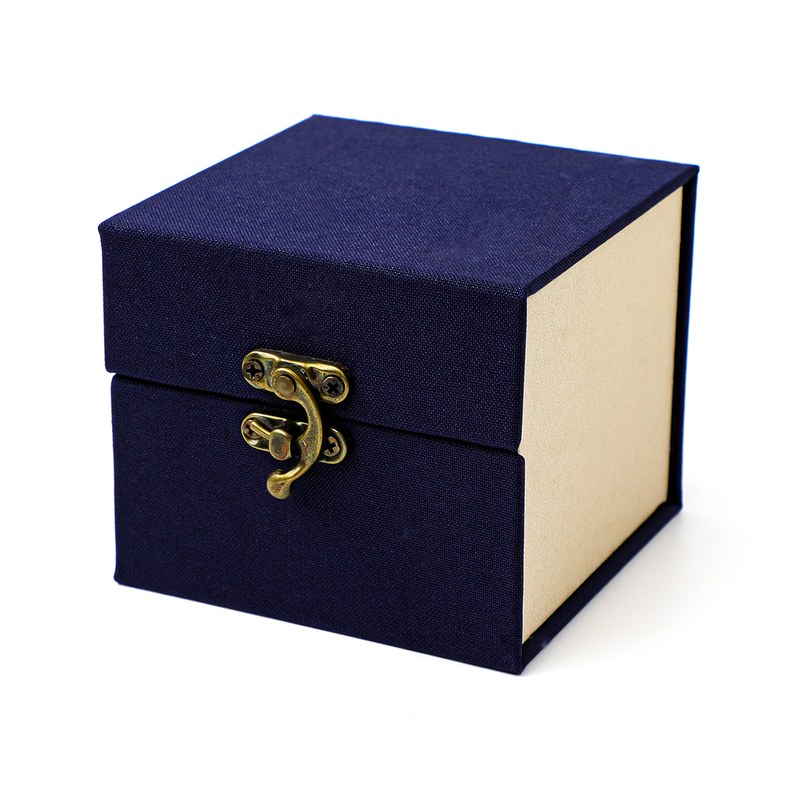
A rigid box is a wrapped skeleton: thick greyboard gives the walls, and the wrap gives the face.
Greyboard Thickness and Box Strength
The skeleton is greyboard, a dense recycled chipboard that usually runs 1 to 3 mm thick. Thinner board suits small jewelry boxes, while the thicker end carries heavy spirits and electronics sets. Density matters as much as thickness: a tightly caliper board cuts cleaner corners and resists denting, while a loose sheet absorbs glue unevenly and can warp the walls.
These material properties directly affect how well the finished box holds its shape and protects the contents. Because corners are built rather than folded, the finished box resists crushing from any direction, which lets many gift programs skip secondary padding.
Wrap Paper, Specialty Paper, and Fabric
Wrap papers define the first impression, and the range is wide. Coated art paper takes sharp four-color print, textured and linen papers add tactile warmth, and specialty stocks carry leathers, fabrics, or soft-touch coatings. For brands with a certified fiber story, FSC-certified wrap stocks document the claim through the FSC chain of custody, from forest to finished box.
Print method follows the stock. Smooth coated art papers carry full four-color photography, while heavily textured wraps favor spot color, foil, and blind embossing because fine halftones sink into the grain. Aligning the artwork style with the wrap surface at the design stage prevents the most common proofing loop.
Lid-and-Base, Drawer, and Magnetic Box Structures
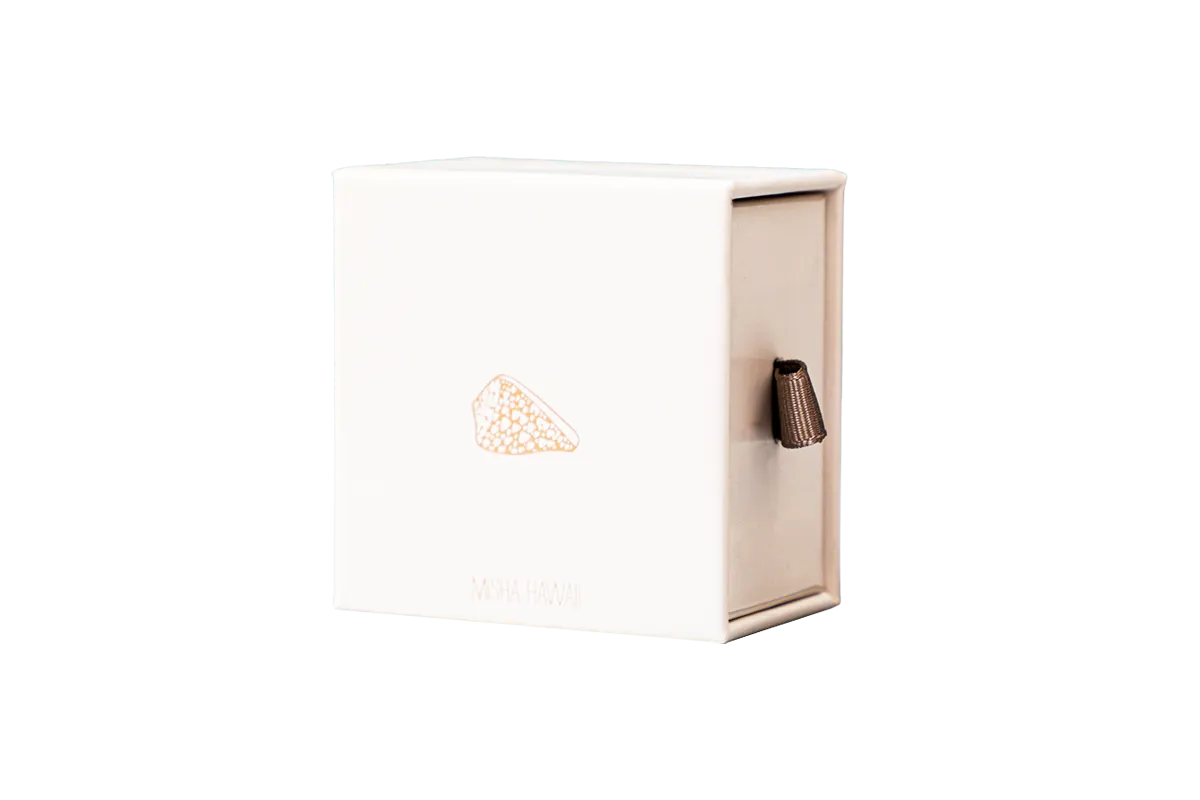
Structure follows how the gift is opened. A lid-and-base set lifts off to reveal the product, a hinged or magnetic box swings or snaps shut like a book, and a drawer box slides out on a ribbon pull. The sales channel narrows the list: lid-and-base sets photograph cleanly for e-commerce, drawers reward repeat openings for subscription and advent formats, and hinged boxes dominate counter displays where the lid stays attached.
Folding Carton vs. Rigid Box Construction
The two formats answer different questions. A folding carton is printed, die cut, creased, and shipped flat, which keeps freight and storage cheap. A rigid box is built board by board and ships assembled, which costs more to move but delivers a luxury feel the moment it is lifted.
| Attribute | Rigid Box | Folding Carton |
|---|---|---|
| Board | 1 to 3 mm greyboard | 0.3 to 1.1 mm paperboard |
| Ships as | Assembled box | Flat, glued carton |
| Print surface | Wrapped cover paper | Direct board print |
| Best for | Gifting and flagship lines | Retail volume packaging |
Inserts and Closures for Rigid Gift Boxes
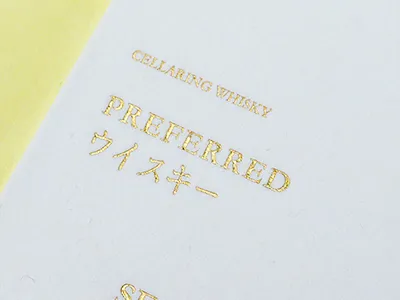
The wrap is the skin buyers touch, and the insert is the cradle the product sits in.
EVA, Flocked, and Blister Inserts
Inserts hold the product still and present it at the right height. Die-cut EVA foam gives precise cavities at moderate cost, flocked velvet creates the classic jewelry-box nest, and thermoformed blisters show the whole product through clear plastic. Paperboard trays offer a fully recyclable alternative for eco lines, trading the premium look for a cleaner footprint.
Custom Inserts for Product Protection
When products ship worldwide, the insert is the difference between arrival and damage. Custom inserts are CNC-cut or molded to the exact product profile, with cavity walls sized to the item rather than to a standard tray grid. That is what keeps fragile items like glass bottles and ceramics immobilized in transit. The insert material can be layered too, such as an EVA base with a flocked surface, when protection and presentation both matter.
The right insert depends on the product’s shape, protection needs, and presentation goals—not just its price. Three questions help narrow the options:
- How much of the product should stay visible.
- How much shock the journey will impose.
- Whether the unboxing needs a reveal moment.
Magnetic Closures and Ribbon Pulls
How a box closes is how it feels in the hand. Embedded magnets give the soft, confident snap associated with premium electronics and fragrance gift sets, while ribbon pulls guide drawer boxes open and double as a decorative accent. Both options are fitted during assembly, so they must be specified before wrapping rather than retrofitted after.
Window and Display Options
Windows cut through the wrap and greyboard add shelf visibility for retail gift sets, letting the product sell itself while the insert keeps it presentable. Display lids that fold back into a stand turn the same box into counter merchandising, which is common for beauty gift sets and seasonal promotions. Both features add die and assembly work, so they belong in the structural decision rather than the artwork stage.
Get Rigid Gift Boxes Crafted for Your Products
Finishing Options for Rigid Gift Boxes
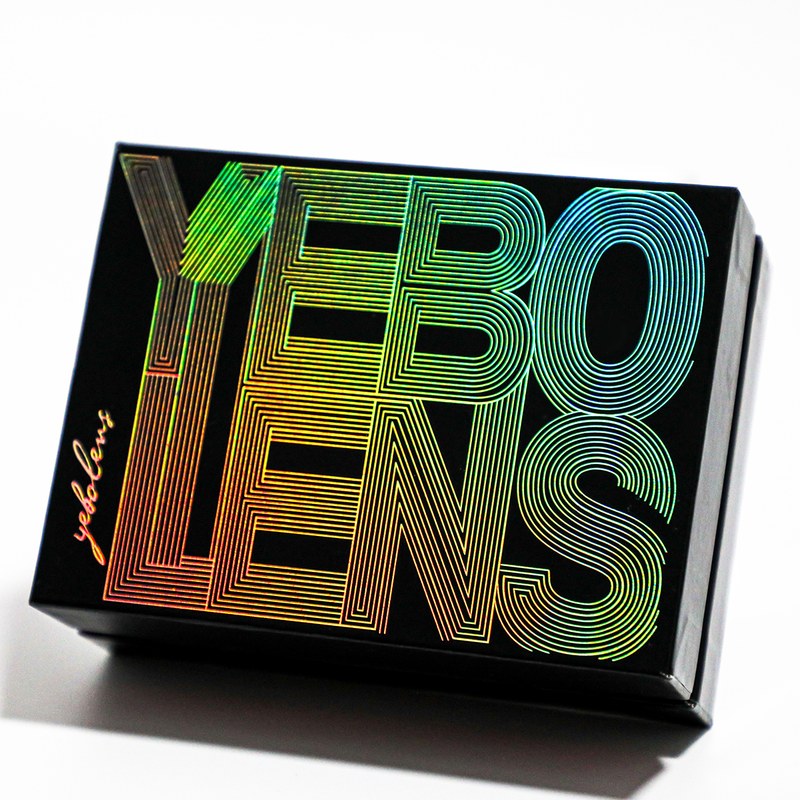
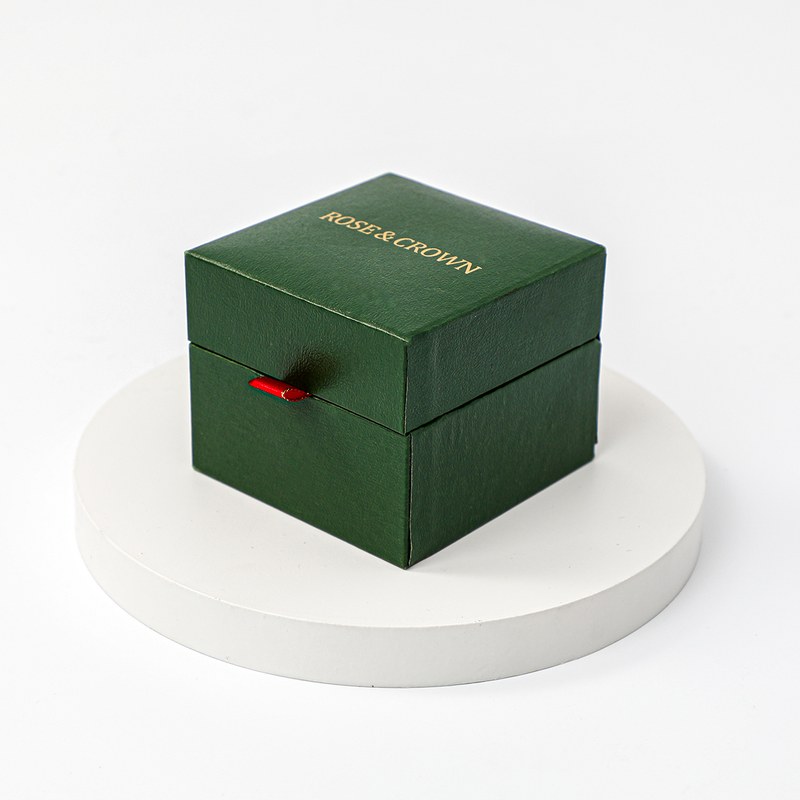
On a rigid box, every finish lands on a stiff, flat surface, so effects read at their sharpest.
Foil Stamping and Embossing
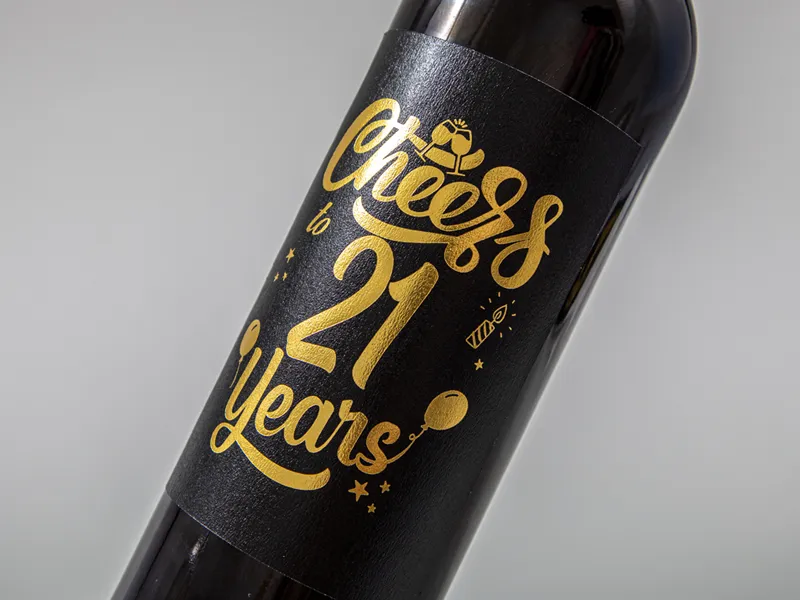
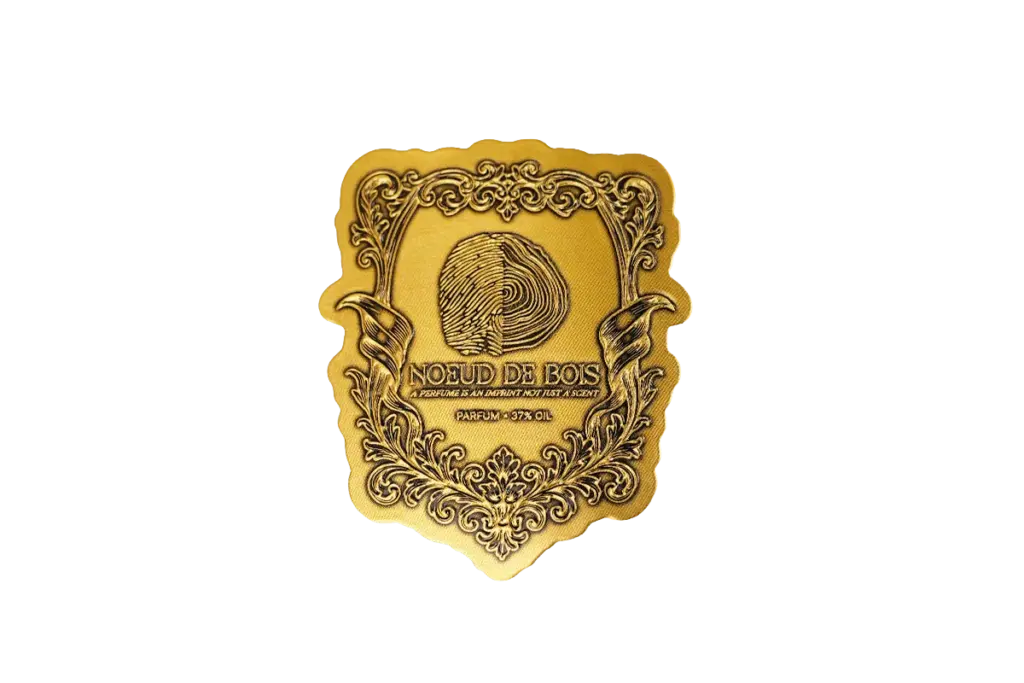
Hot foil presses a thin metal leaf onto the wrap for logos and borders that catch the light, and embossing raises the surface in relief beneath it. Combined, the two give a brand mark both shine and depth. Foil behavior differs by stock, so check how hot and cold foil differ before committing a wrap paper to a foiled design.
Raised UV and Soft-Touch Lamination
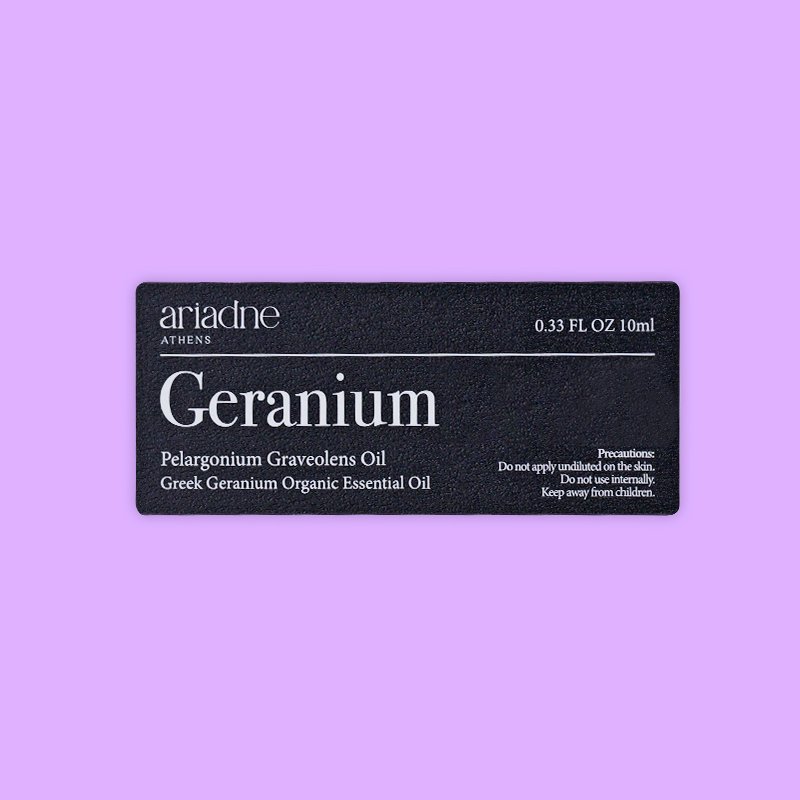
Raised UV builds a glossy three-dimensional layer over chosen artwork, giving contrast without metal leaf. Soft-touch lamination works from the opposite direction, muting the whole surface into a velvety matte that makes any raised or foiled element stand out. The pairing is a common signature of premium skincare and fragrance packaging.
Holographic and Metallic Effects
Metallic wrap papers and holographic foils shift color as the box turns, which suits tech launches and seasonal gifting. These effects depend on the base stock as much as the foil, and they photograph differently under store lighting than in daylight, so a physical proof under both conditions prevents expensive surprises.
Choosing Finishes for Different Packaging Designs
Finishes earn their cost when they match the product and the shelf rather than the mood board.
- Jewelry and watches favor restraint: one foil logo over a linen or soft-touch wrap.
- Fragrance and skincare support layered effects, such as foil plus embossing on a matte base.
- Tech and gaming launches carry holographic accents that read under display lighting.
- Eco-positioned lines skip foils and laminations and let uncoated, textured wraps carry the story.
| 마치다 | Effect | Typical Use |
|---|---|---|
| Hot foil | Metallic shine on logos | Jewelry and premium spirits |
| Embossing | Raised relief, no color | Blind logos on textured wraps |
| Raised UV | Glossy dimensional layer | Skincare and tech packaging |
| Soft-touch | Velvety matte surface | Fragrance and cosmetic sets |
What Affects Rigid Gift Box Cost and MOQ?

Board, wrap, insert, and finish each carry a cost lever, and hand assembly moves all of them.
Box Size, Structure, and Material
Size drives cost before anything else, because a larger box consumes more greyboard, more wrap, and more assembly minutes. Structure adds components: a hinged or magnetic lid needs hardware and fitting time, a drawer box builds two shells instead of one, and every extra panel multiplies the wrapping path. Material sits on top, with specialty wraps and fabrics carrying higher unit prices than printed art paper.
Tooling and Die Costs
Rigid tooling covers cutting dies for the greyboard panels and the wrap pieces, and complex structures multiply both. A simple lid-and-base set cuts from a small set of dies, while a drawer box with a sleeve needs matched tooling for every component. These are one-time charges, reusable on reorders of the same design.
Order Quantity and Unit Pricing
Hand assembly dominates rigid box economics, so unit price falls steeply as the line learns a design and setups amortize. Small runs carry the full cost of changeover, while volume runs spread wrapping and assembly time across thousands of units.
Requesting tiered quotations helps identify where unit pricing starts to level off as order volume increases. For a broader breakdown of custom paper box and folding carton costs, see our guide to the factors that affect packaging prices. Packaging requirements differ by project, which is why rigid box suppliers quote by project rather than by catalog page.
Inserts and Premium Finishes
Inserts and finishes are where budgets drift, because each adds material plus a process step. Flocked velvet and custom EVA cavities cost more than standard foam, and combinations of foil, embossing, and raised UV add a pass each and climb quickly on full coverage. The most economical premium look is often one strong effect placed on a quiet, well-chosen wrap, with the insert specified for protection rather than display alone.
How to Order Custom Rigid Gift Boxes
A rigid box order runs on physical proofs, and each approval step protects the money already spent.
Provide Box Dimensions and Product Samples
Start with the product, not a box number. Send dimensions, weight, and photos, and ship a physical sample whenever possible, because insert cavities and lid clearance are engineered around the real item. The supplier returns suggested structures and inner dimensions from that brief.
Confirm Materials, Structure, and Insert Requirements
Agree on greyboard thickness, wrap stock, structure type, and insert material in writing. This is also the stage to settle certifications, such as FSC-certified wrap, and practical details like magnet strength or ribbon length. Every item left vague here becomes a variation order later.
Approve the Dieline, Mockup, and Production Proof
Review the dieline for panel count and window positions, then the white mockup for fit and opening feel, then the printed proof for color and finish on the actual wrap stock. Approving all three in sequence is what keeps bulk production aligned with the design intent.
Confirm Quantity, Finishes, and Delivery Requirements
Close with the commercial terms: quantity tiers, finish coverage, packing method, carton markings, and delivery dates. Ask the factory to archive the dieline, tooling, and approved samples, because a documented spec is what makes a reorder fast and consistent.
FAQ
Are rigid boxes shipped flat?
No. Rigid boxes are glued and wrapped into their final shape at the factory and travel assembled with corner protection. That is why they feel solid on arrival, and also why they take more freight space than folding cartons.
What MOQ do you accept?
MOQ depends on box structure, wrap stock, and finishes, so each project quotes on its own tooling and assembly plan. Sharing your quantities with the supplier returns a tiered quotation that shows where unit price levels off.
Can you match a Pantone color?
Yes. Wrap papers are printed to your Pantone references and approved against a physical proof before bulk wrapping. Textured and specialty stocks shift color slightly by their nature, so proofs are read on the actual wrap material.
How long does production take?
Production time moves with structure complexity, wrap stock availability, finish passes, and assembly volume. A mockup round comes first, and the supplier confirms a schedule against your target delivery date when quoting.
Conclusion
A rigid gift box is built, not folded. Greyboard gives the walls, the wrap gives the face, the insert holds the product, and hand assembly ties the three together into something that feels permanent in the hand.
Understanding the line changes how you buy it. The five production steps explain why structure decisions set the tooling, wrap and finish choices set the unit price, and mockup approval protects both. Buyers who approve the dieline, mockup, and proof in sequence spend less time correcting runs and more time launching them.
When you are ready to build boxes for your own line, talk to the Meikei team about your product and quantities. A structural mockup before quoting costs nothing and locks the design decisions that matter.