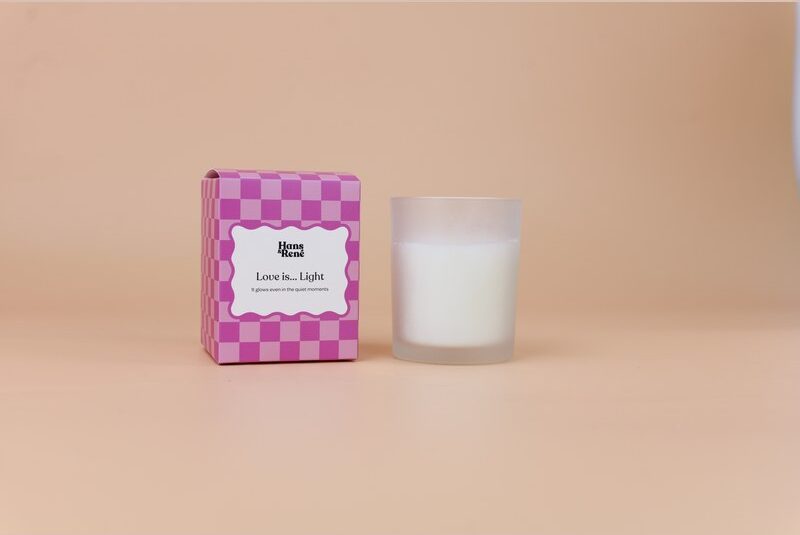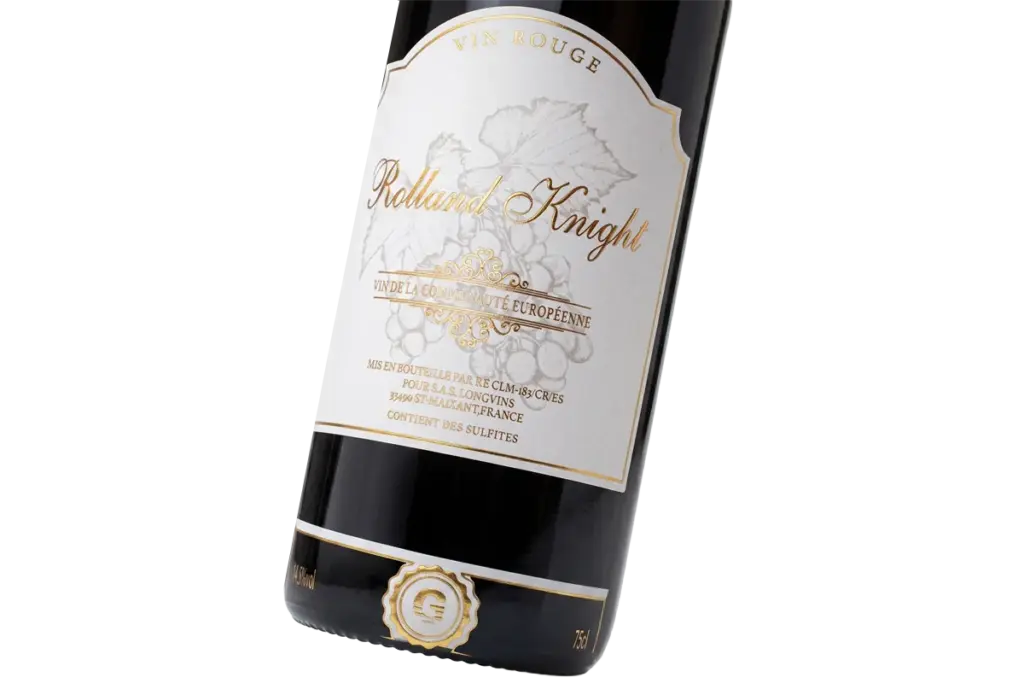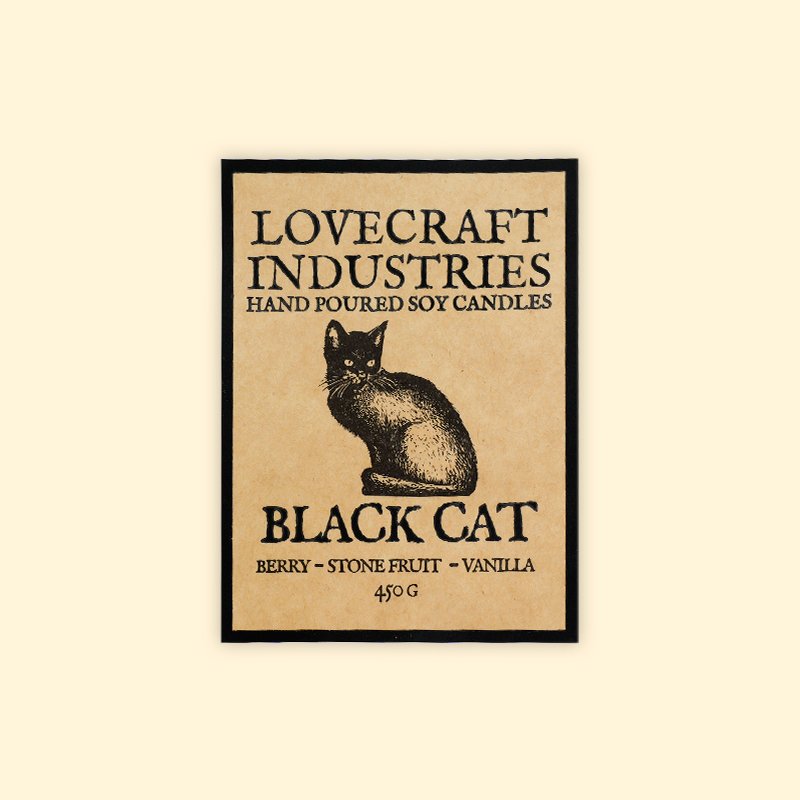
Heat and fragrance oils can gradually change the appearance and adhesion of candle labels during use. Wax spills, moisture, and repeated handling can also leave paper labels stained or cause edges to lift from the container.
Paper, BOPP, vinyl, and other label materials behave differently under these conditions. Their differences in durability, surface finish, and print performance make some materials better suited to particular candle jars, tins, and packaging styles.
What Should Candle Labels Be Made From?
For candle containers exposed to heat, fragrance oils, or moisture, non-porous films such as BOPP or suitable vinyl are more durable. Premium papers can work in lower-exposure applications with the right coating, laminate, and adhesive.
Are your product labels peeling, bubbling, or staining before the wax even burns halfway down? Selecting the right candle label materials is critical when containers are exposed to repeated heat, fragrance oils, moisture, and handling during the product’s lifecycle.
| Material Type | Key Properties | Best Use Cases |
|---|---|---|
| Coated / Glossy Paper | Good print quality; limited heat and oil resistance; prone to staining. | Outer packaging, коробки, and decorative low-use candles. |
| Textured / Estate Paper | Premium tactile feel; elegant aesthetic focus; modest durability. | Luxury and boutique branding where heat/oil exposure is low. |
| White BOPP Film | Water-resistant; oil-resistant; good durability and heat resistance. | Standard retail container candles; high handling environments. |
| Clear BOPP Film | Waterproof; oil-resistant; delivers a sleek “no-label” look. | Minimalist, see-through glass jar designs with regular burn cycles. |
| Vinyl Film | Weatherproof; excellent heat/moisture resistance; highly flexible. | Curved jars, metal travel tins, and outdoor patio candles. |
Paper and Textured Paper Options
Uncoated paper presents major performance risks on active candle containers. Because paper fibers are porous, they naturally draw in external elements, which leads to cosmetic degradation during a candle’s lifecycle.
- Aesthetic Value: Coated glossy papers and premium textured options like Eggshell Felt, Kraft, and sugar cane provide high-end, tactile branding for boutique candles.
- Absorption Risks: Unprotected paper easily absorbs wax residue, condensation, and fragrance oils, causing visible staining, bubbling, and peeling.
- Thermal Instability: Standard paper label stocks can warp or discolor under elevated temperatures, presenting structural risks on active container candles.
- Recommended Limits: These options are best suited for outer packaging, gift boxes, or decorative display candles kept in low-heat, dry environments.
BOPP and Other Film Materials
Synthetic film substrates act as a non-porous shield. These materials resist chemical interactions with hot wax and highly concentrated fragrance oils, keeping your branding pristine through multiple burn cycles.
- BOPP Standard: Biaxially Oriented Polypropylene (BOPP) serves as the primary retail standard, offering fully waterproof and oil-resistant performance in white, clear, or metallic finishes.
- Thermal Tolerance: Properly specified film labels are designed to withstand container surface temperatures in the 150°F to 200°F range, with reduced risk of curling, fading, or adhesive failure.
- High-End Durability: Heavy-duty alternatives like vinyl and polyester (PET) provide extreme durability, weatherproofing, and superior abrasion resistance for curved or outdoor products.
- Handling Protection: These synthetic materials protect against fragrance oil migration, wax spills, and routine retail handling, ensuring long-term container safety and neatness.
How Do Candle Containers Affect Label Material Selection?
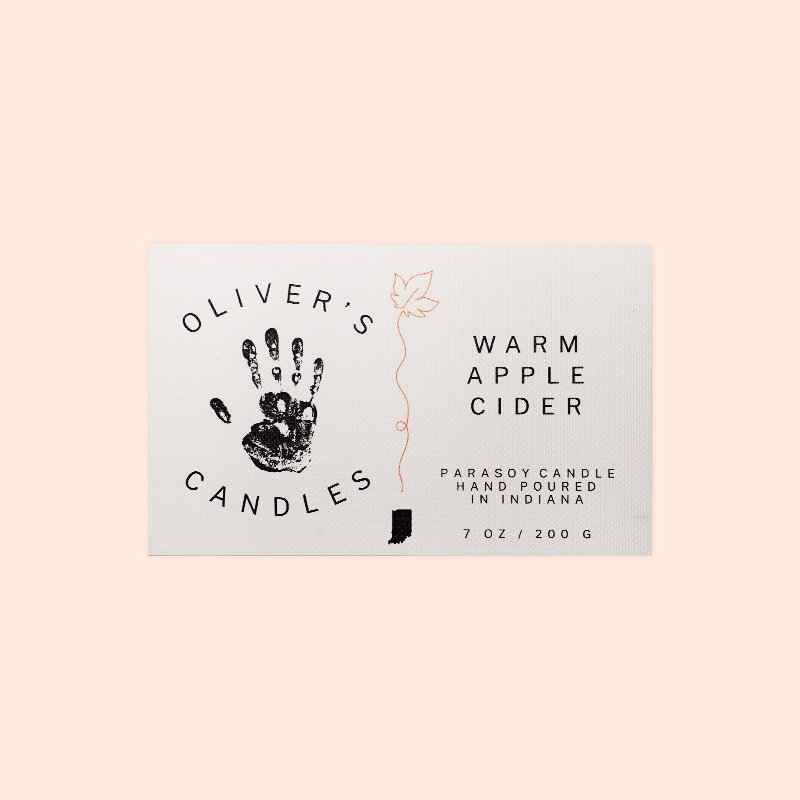
Candle container materials and geometry dictate your choice of label face stock and adhesives because localized heat and surface tension cause standard labels to fail.
Does your candle jar surface regularly exceed 150°F during a burn test? If so, you already know that candle containers directly affect label material selection, forcing you to choose between adhesives that hold tight and labels that curl at the edges.
Labels for Glass Jars and Metal Tins
Glass and metal distribute heat differently, which directly impacts how your label adhesive behaves over a four-hour burn cycle.
- Face Stock: Choose white or clear BOPP and vinyl films to withstand container surface temperatures in the 150°F to 200°F range without warping.
- Adhesive System: Use permanent, heat-resistant acrylic adhesives that bond aggressively to smooth glass or lacquered and anodized metal finishes.
- Surface Preparation: Clean glass surfaces thoroughly to ensure they are free of wax, dust, and fragrance oil residue before label application.
- Application Timing: Apply pressure-sensitive roll labels only after hot-poured candles cool down completely to protect the adhesive from early degradation.
Failing to clean the container or labeling a warm jar ruins even the strongest adhesive bond, causing microscopic air pockets that expand into ugly bubbles once the wick is lit.
Labels for Straight and Curved Containers
The physical shape of your vessel exerts constant mechanical stress on the label material, particularly when thermal expansion comes into play.
- Straight Vessels: Use rigid, textured papers or thick metal plates safely on straight-walled jars and tins without risking corner lift.
- Curved & Tapered Vessels: Select thin, flexible BOPP or vinyl films to prevent wrinkling, puckering, and bubbling on complex geometries.
- Label Dimensions: Design narrower labels or specialized die-cut bands for tapered jars to avoid crossing vertical mold seams that trigger edge lift.
- Elastic Adhesives: Opt for permanent, high-elasticity acrylic adhesive systems to counter the constant structural tension on curved label edges as the container heats.
Using a thick, rigid paper label on a tight, tapered jar is a recipe for flagging edges. Stiff paper stock naturally fights the curve of the glass, especially when the container expands under heat. Choosing a highly conformable film ensures the label moves with the container, maintaining a clean look from the first burn to the bottom of the wax pool.
Premium Custom Labels Built for Luxury Candles
Which Candle Label Materials Handle Moisture and Oils Better?
Selecting the correct candle label materials prevents wet-out and peeling caused by fragrance oils, wax spills, and humidity.
Considering Wax, Oil, and Moisture Exposure
Pouring hot wax and blending concentrated fragrance oils puts immediate stress on your packaging. Standard uncoated paper stocks fail quickly under these conditions, absorbing oils and moisture, which leads to bubbling, dark translucent spots, and eventual adhesive failure.
To prevent this “wet-out” effect, you need non-porous films like white BOPP, vinyl, or PET. White BOPP is the undisputed industry standard, offering excellent resistance to hot wax spills, volatile fragrance oils, and ambient humidity.
For high-humidity environments like bathrooms or spa displays, waterproof vinyl and polyester (PET) films are essential. They survive regular moisture contact and damp cleaning cloths without edge curl, peeling, or ink bleeding.
Choosing Materials for Handling and Shipping Conditions
Shipping glass jars and tins exposes labels to severe mechanical friction, scuffing, and seasonal temperature swings. Tear-resistant vinyl and BOPP protect the label edges from fraying and scratching when boxes are packed tightly for freight.
These synthetic films survive surface temperatures up to 200°F (93°C) during active burn cycles. They maintain total dimensional stability during extreme transit conditions and won’t warp or discolor.
Even the best face stock fails without the right backing. You must specify oil-resistant permanent acrylic adhesives to ensure a reliable bond on glass or metal surfaces that may carry microscopic wax or fragrance oil residues.
Adding a clear protective laminate or UV varnish can improve resistance to scuffing, moisture, and routine handling. It can also help protect the printed surface when the label is exposed to wax, oils, or other common packaging conditions.
How Do Candle Label Materials Change the Packaging Appearance?
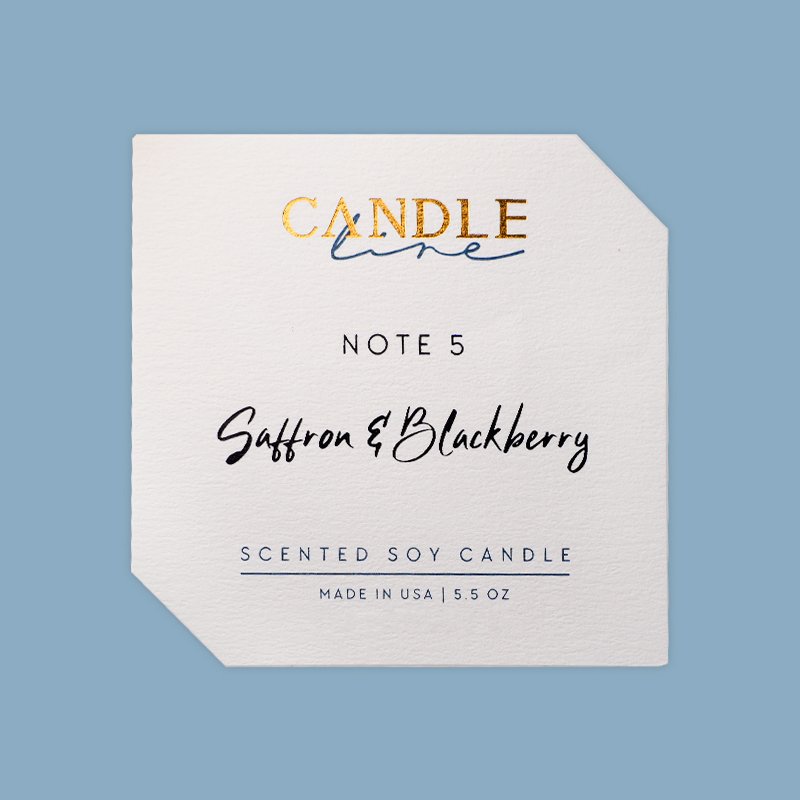
Label material selection directly dictates how customers perceive your candle’s craftsmanship, shifting the design from a cozy, handmade asset to a sleek, retail-ready product.
Does your candle packaging convey a rustic, handmade story, or does it look like a highly polished retail item? The physical selection of candle label materials alters the texture, light reflection, and long-term durability of your vessel on the shelf.
Natural and Textured Looks With Paper Materials
Paper stocks provide a tactile warmth that immediately signals human craftsmanship and organic origins. Brands looking to establish an artisanal or eco-friendly presence typically leverage these fibrous options to soften their visual margins.
- Tactile Diffusion: Matte, uncoated, and textured papers diffuse light to create a soft, tactile surface, shifting candle packaging toward an organic, artisanal, or cozy home aesthetic.
- Visual Authenticity: Specific stocks like brown kraft paper visually communicate hand-poured authenticity and eco-friendly practices, while hammered or embossed estate papers deliver a premium, textured boutique feel.
- Ink Absorption: Ink naturally absorbs into paper fibers rather than sitting on top, which softens design edges and yields a warm, printed-directly-on-material appearance.
- Environmental Vulnerability: Standard paper materials lack natural resistance to oils and moisture, leaving them susceptible to staining, wrinkling, or lifting when exposed to warm candle wax or humid rooms.
Clean and Modern Effects With Film Materials
For a sleek, high-end retail presentation, synthetic substrates offer strong structural integrity and print precision. These materials maintain a sharp, unblemished presentation even under challenging thermal and physical conditions.
- High-Saturation Surface: Film bases like BOPP, vinyl, and PET provide a perfectly smooth, stable surface that enables highly saturated colors, sharp graphic elements, and a clean retail presentation.
- Transparent “No-Label” Integration: Clear film options produce a seamless look where printed brand elements appear to float directly on the glass, showcasing the wax color and jar texture underneath.
- Finishing Precision: The uniform structure of film allows for high-precision finishing techniques, including crisp foil stamping, fine registration, and sharp typography.
- Lifespan Durability: Inherent resistance to water, oils, and heat ensures film labels maintain their flat, wrinkle-free, and undamaged appearance throughout the burning lifecycle of the candle.
How Can Brands Finalize the Right Candle Label Material?
Matching film or paper stocks to vessel surface energy and validating them through multi-cycle burn tests help reduce the risk of adhesive failure and preserves brand presentation.
Selecting the wrong candle label material leads to bubbling, adhesive slippage, and stained branding once the wick is lit. Vessel chemistry and thermal dynamics dictate this choice, requiring a precise alignment between your packaging aesthetics and functional container performance.
Matching Material With Candle Packaging and Brand Positioning
A label must survive the temperature swings of its specific vessel. Smooth glass and metal tins allow tight bonds, but frosted glass, painted finishes, or porous ceramics have low surface energy. These challenging surfaces require high-tack, warm-tolerant adhesives to prevent edge lift.
The chosen substrate communicates your brand positioning directly to the consumer:
- Textured Estate Papers: Premium, heavy-caliper stocks that add tactile richness and shadows, often decorated with metallic foil accents for luxury lines.
- Kraft and Recycled Stocks: Uncoated, fibrous brown papers that deliver a rustic, hand-poured, or eco-conscious brand aesthetic.
- White BOPP and Polyester Films: Opaque, non-porous synthetic substrates that provide good resistance to moisture, oils, and handling, making them suitable for retail candle collections and products with higher exposure requirements.
For container candles exposed to heat and oils, protective varnishes, suitable inks, or clear laminates can help maintain print quality and legibility. Where CLP labelling requirements apply, the label construction should also support clear and durable presentation of the required safety information.
Testing Material, Adhesion, and Appearance Before Production
Pre-production validation prevents bulk-printing disasters. Jars often carry trace wax or mold-release oils from the factory floor, which instantly ruin adhesive bonds. Real-world testing must follow a structured, sequential workflow:
- Surface Preparation: Clean the production vessels with alcohol, dry them fully, apply the labels under firm pressure, and let the adhesive cure for 24 hours to reach maximum bond strength.
- Exposure Trials: Introduce moisture, simulate rough handling, and apply actual fragrance oils to the edges to isolate risks of ink smearing, bubbling, or edge lift.
- Real-World Burn Testing: Burn the finished candles over multiple cycles to monitor how the face stock behaves as container walls heat up to 150–200°F. Watch for shrinkage, discoloration, and adhesive ooze.
- Comparative Performance Baseline: Apply alternative material, adhesive, and laminate combinations side-by-side to establish a clear baseline of visual performance from application to end-of-life burn.
This testing phase confirms that your packaging will look as clean on a customer’s mantle as it did on the packing line.
Frequently Asked Questions
What is the best material for candle jar labels?
BOPP (biaxially oriented polypropylene) film is the industry-standard material for custom candle jar labels on glass and metal containers. This material resists water, fragrance oils, and handling. Unlike paper, BOPP does not absorb wax, and it easily tolerates the moderate warmth, typically 150°F to 200°F, of a burning candle container.
Are paper labels suitable for candle jars?
Paper labels are only suitable for low-exposure decorative candles or outer secondary packaging like boxes and dust covers. Uncoated paper absorbs wax and fragrance oils, causing unsightly stains, bubbling, and peeling. If you use paper on a jar, select a premium coated stock with a clear protective laminate and a heat-resistant permanent adhesive.
Are candle labels waterproof and oil-resistant?
Candle labels can be fully waterproof and oil-resistant if you choose synthetic films like BOPP or vinyl. While water resistance prevents damage from kitchen spills or bathroom condensation, oil resistance is vital to stop highly concentrated fragrance and essential oils from dissolving the adhesive or staining the face stock.
What type of adhesive works best for candle labels?
A permanent acrylic pressure-sensitive adhesive is best. This adhesive bonds strongly to smooth surfaces like glass and aluminum tins, and maintains its grip through repeated heating and cooling cycles. Avoid low-tack or removable adhesives, as container warmth will cause them to lift or slide.
Can candle labels withstand the heat of a burning container?
Yes, candle-specific vinyl and BOPP labels are designed to withstand the surface temperatures of burning glass jars without warping, fading, or adhesive failure. For applications that require extra thermal margin, polyester (PET) films offer greater thermal stability.
What is the best finish for custom candle labels?
Matte film finishes, such as matte white BOPP or matte white vinyl, are generally best. They hide fingerprints and wax smudges, reduce glare for better safety warning legibility, and give an elegant, artisanal look. Gloss finishes are useful for high color saturation, but they highlight surface smudges and handling marks.
Should candle labels be laminated?
Yes, lamination is a standard industry practice. Applying a clear protective matte or gloss laminate creates a robust physical barrier that protects the printed ink from scratches, environmental humidity, wax drips, and handling during transit and retail display.
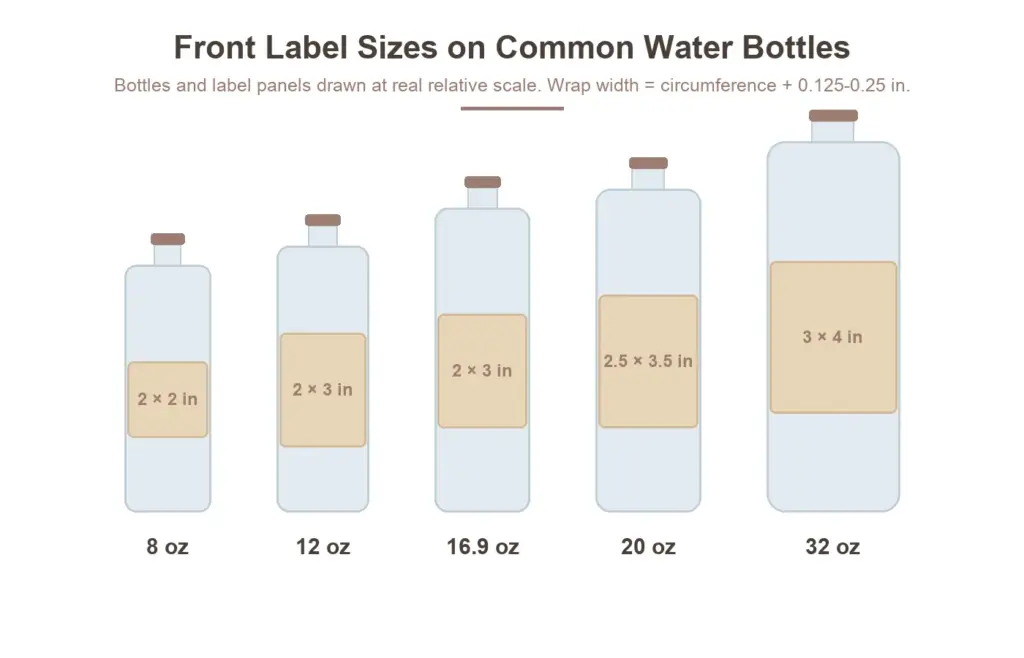
How do I determine the correct label size for my candle jar?
Start by measuring the flat, straight wall of your jar or the recessed flat center of the lid. Leave about 3 mm (1/8 inch) of clearance from curved shoulders, base radiuses, and seams. For curved or tapered jars, you may need slightly more clearance. Always print a paper template and test-fit it on your actual container before ordering.
As a rough starting point for common candle jars:
100ml (10cl): 40mm round labels or small rectangular labels around 50 × 30mm.
200ml (20cl): 50–60mm round labels or rectangular labels around 70 × 40mm.
300ml (30cl): 60–70mm round labels or rectangular labels around 100 × 60mm.
For wrap-around labels, measure the jar’s circumference and leave a small gap between the ends rather than allowing them to overlap. These dimensions are general starting points only. The ideal label size depends on the jar’s shape, label placement, and design, so always confirm the fit with a paper template before finalizing your order.
Final Thoughts
The best label material depends on your candle container, application conditions, and packaging requirements. Testing the finished labels on your actual glass or metal vessels can help confirm the right material, adhesive, and finish before production.
As an experienced label manufacturer, we support brands and businesses with flexible material options, custom finishes, and die-cut sizes. From sampling to bulk production, our team can provide reliable label printing solutions for different candle packaging needs.
📖 Complete Guide
← Back to “What Are Custom Labels?” — The Complete Guide
Learn everything about custom labels: types, материалы, printing techniques, cost factors, and how to choose the right solution for your brand.
Related Products You May Like
Want to know more about Meikei? Visit view our customization options or explore learn more about Meikei.