Jars are the friendliest containers in packaging: mostly straight walls, mostly flat lids, and mostly standard sizes. That is good news for label planning, because a short chart can cover mason jars by capacity, candle jars by shape, and honey and honey-adjacent formats in between, with one suggested label size for each.
This guide is the jar chapter of a size series; the wider decision process lives in choosing a label size for packaging. Here we stay on jars: capacity by capacity, shape by shape, and position by position on the jar itself.
Jar Label Sizes Chart
Jar shapes do the deciding: straight walls take rectangles, lids take rounds, curves take less.
The chart covers the common ground: classic mason jars, straight-sided and bulb-shaped candle jars, and classic honey formats. Jar dimensions are reference values for standard stock jars, and molds vary by supplier, so treat every suggestion as a starting point and confirm the final size against your actual jar before printing.
| Jar | Capacity | Mouth | Height × Diameter | Suggested Label |
|---|---|---|---|---|
| Quilted jelly jar | 4 oz | Regular | 2.4 × 2.3 in | 1.5 × 2 in or 2 in lid round |
| Jelly jar | 8 oz | Regular | 3 × 2.8 in | 2 × 2 in |
| Pint mason jar | 16 oz | Regular or wide | 4.8 × 3 in | 2 × 3 in |
| Quart mason jar | 32 oz | Regular or wide | 6.9 × 3.8 in | 3 × 4 in |
| Half-gallon jar | 64 oz | Wide | 9.4 × 4.5 in | 3.5 × 5 in |
| Straight-sided candle jar | 9 oz class | Wide | 3.5 × 3.2 in | 2.5 × 3 in |
| Classic honey jar | 12 oz | Varies | 3 × 3 in | 2 × 2 in or 2.5 in round |
Common uses track the sizes: jelly and favor fillings in the small jars, canning and candles in pints, bulk pantry goods in the quarts and half-gallons, wax in the candle formats, and honey in its squat classics. The sections below unpack each family and the label logic behind the numbers.
Mason Jar Label Sizes by Capacity
Mason jars share one body standard, which is why their label sizes can be charted at all.
Jelly and Quilted Jars (4/8 oz)
The small jars are favor and sampling territory: wedding favors, hotel honey, tasting portions. A 2 × 2 inch label fills the 8 oz jelly jar’s front nicely, while the 4 oz quilted jar, with its ridged glass, often looks better with a 1.5 × 2 inch front or a round sticker on the flat lid, which sidesteps the quilting entirely.
Pint and Quart Jars (16/32 oz)
The pint is the most versatile jar made, used for canning, overnight oats, drinking glasses, and candle making, and its 2 × 3 inch label size matches the universal 2 × 3 format. The quart steps up to a 3 × 4 inch label, which still leaves a comfortable margin of glass on both sides of the straight wall.
Half-Gallon Jars (64 oz)
Half-gallons store bulk pantry goods, fermented foods, and large-batch candles, and they reward a larger 3.5 × 5 inch label. At this scale the label becomes the jar’s visual anchor, so brands often upgrade paper texture and finish here rather than at the small sizes.
Regular Mouth vs. Wide Mouth
The mouth type changes the top of the jar, not the label panel. Regular mouths open about 2.4 inches and wide mouths about 3 inches, and the threaded band plus the shoulder curve below it set the upper boundary where a body label must stop. Labels that climb onto the threads lift first, so end the label above the shoulder line. Embossed logos and mold lettering on the glass also deserve clearance, because a label bridging raised glass adheres unevenly and shows air pockets.
On the lid itself, regular bands suit a 2 inch round and wide bands a 2.5 inch round, sized to the flat center of the lid rather than the outer band. The same circumference math that governs bottle wraps applies to jar bodies; one pass with a tape measure around the jar settles it.
Candle Jar Label Sizes by Jar Shape
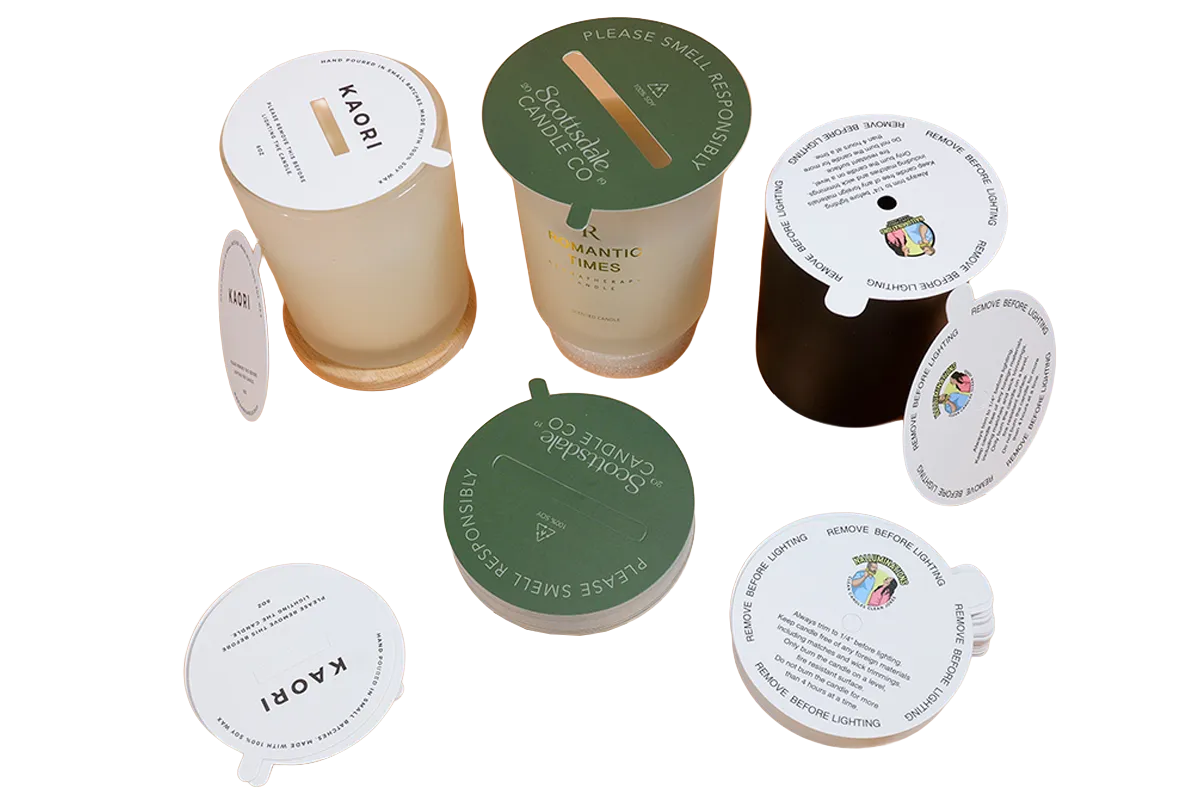
On candle jars, the wax line draws the boundary the label must respect.
Straight-Sided Candle Jars
The straight-sided jar is the candle industry’s default, and its flat walls take a 2.5 × 3 inch label with no drama. Because the walls are truly vertical, the full height down to the base is usable, which is why these jars carry warning labels and branding on one piece and still look clean.
Bulb and Curved Candle Jars
Bulb jars, apothecary styles, and other curved formats shrink the flat area fast. A 2 × 2 inch label or a small round keeps the artwork on the flattest zone, and lid rounds pick up the slack. On strong curves, paper labels bridge and lift, so sizing down beats stretching across the bend.
Measuring Label Placement Below the Wax Fill Line
Candle jars add a measurement bottles never need: the wax line. Measure the straight wall height, then subtract the depth the wax will fill, and the remainder is the label zone. A label overlapped by melted wax traps heat against the glass and can discolor or lift, so keeping the label’s top edge below the fill line is both an appearance rule and a durability one. One caution on capacity: candle “ounces” are quoted by wax weight in some catalogs and by jar volume in others, and a 9 oz by weight pour sits lower than a 9 oz by volume fill, so confirm which ounce your supplier means before setting the line.
Candle safety labeling rules, EU CLP in Europe and ASTM F2058 in the United States among them, govern the warning text that must appear; check the current standard for your market when laying out the front and back. For wax-tolerant materials and heat behavior, the guide to candle label materials covers what this size chart deliberately does not.
Honey and Jam Jar Labels
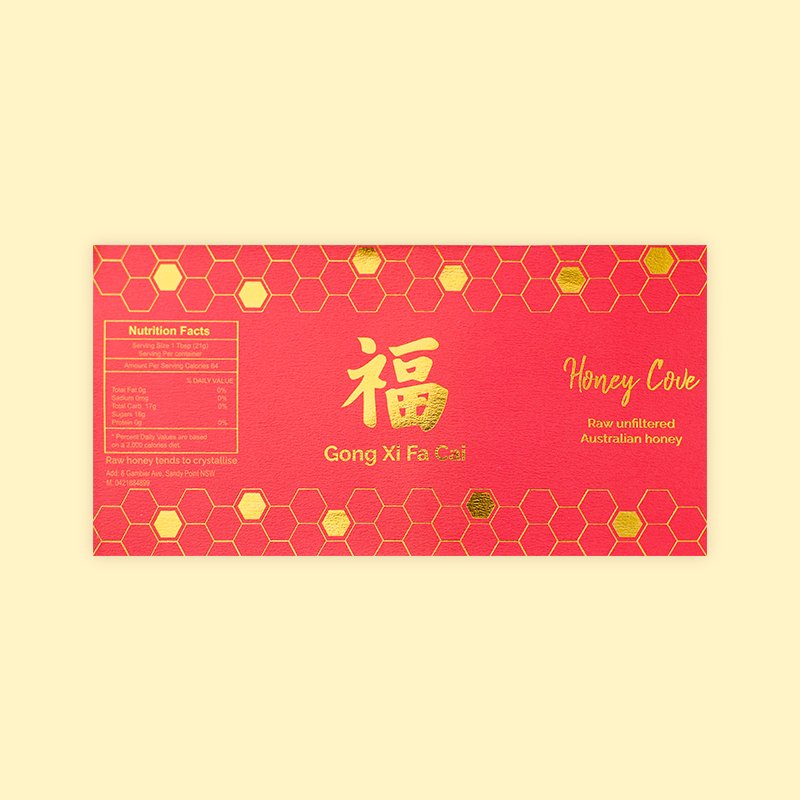
Honey and jam jars add one constraint bottles never have: the drip zone.
Classic Honey Jar Formats
Honey jars run squat and wide, typified by the 12 oz classic at roughly 3 inches square. A 2 × 2 inch front label or a 2.5 inch round suits the format, with the bear-shaped and hexagon novelty jars labeled on their flattest face. Honey sells on texture and tradition, which is why kraft and textured papers dominate this shelf.
Labels Below the Drip Zone
Every honey jar eventually drips down its own shoulder, so place the label below the threads and far enough from the lid that sticky fingers and stray honey never reach the paper edge. The same clearance thinking applies to jam jars opened cold from the refrigerator, where condensation forms on the glass. If your jars live in fridges and pantries, the guidance in making waterproof labels is worth the read, because placement alone cannot outrun moisture.
Jam Jar Labels and Lid Labels
Jam follows jelly sizing: 2 × 2 on the small jars, 2 × 3 once the format reaches pint scale. Lid rounds are the jam maker’s signature move, a 2 or 2.5 inch circle on top that brands the jar from pantry shelves viewed from above. Batch dates and flavor names fit the lid naturally, leaving the front label free for the farm or kitchen name.
Label Every Jar on This Chart
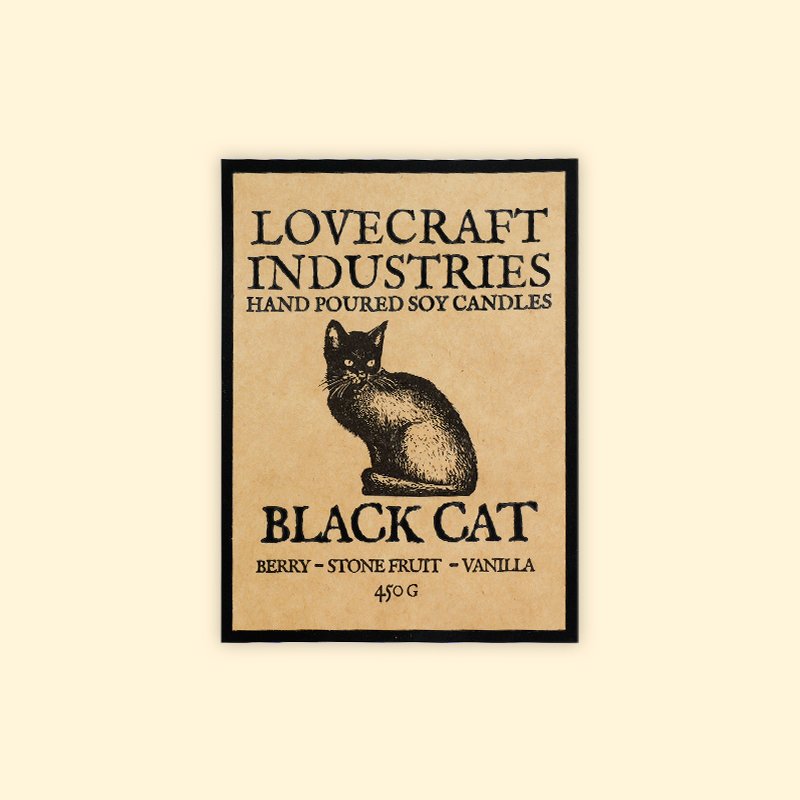
Where Should a Label Go on a Jar?
A jar offers more label positions than any bottle: front, back, lid, and all the way around.
Front-Panel Labels
The front panel carries the brand, plain and simple, centered on the flat wall between the shoulder line and the base. Front labels are the default single-label setup, and every suggested size in the chart above assumes this position first.
Round Lid-Top Labels
The lid top is the position jars own and bottles do not. A round sticker on the flat lid centers the brand for shelf browsing from above, carries batch and date information cleanly, and survives handling that would scuff a body label. Regular mouths suit 2 inch rounds, wide mouths 2.5 inch rounds.
Front and Back Label Pairs
Food products with ingredient lists, net weights, and nutrition panels run a front-and-back pair, keeping the story on the front and the required text on the back. The pair shares one material and finish so the jar looks intentional from every angle.
When to Use a Wraparound Label
A wraparound makes sense on straight-walled jars that stand loose on shelves, where shoppers turn them, or when one piece must carry branding plus required text plus a barcode. The wrap is cut to the jar’s circumference with a short overlap to close the seam. On jars that shelve shoulder-to-shoulder with lids showing, wraps spend material nobody sees, and a front label plus lid round does the same job for less.
What to Check Before Ordering Jar Labels
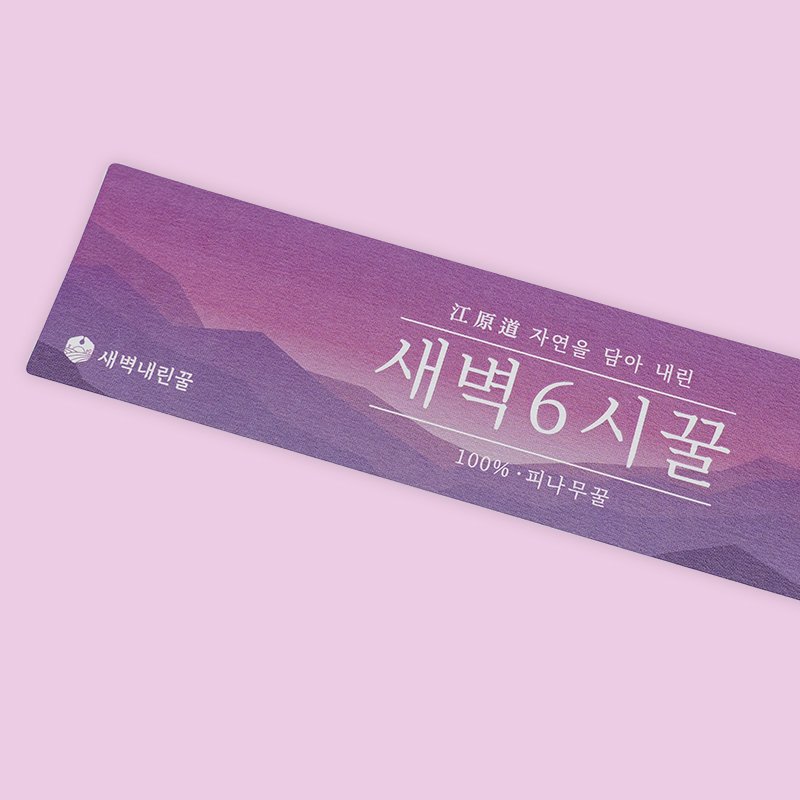
The jar in hand beats the catalog on screen, every single order.
Existing Die Sizes and Custom Dimensions
Standard sizes save money because printers already cut them in volume, and the chart above sticks to those. Custom dimensions are routine when a jar format falls between sizes, at a modest setup cost. Artwork files should also carry a small bleed past the cut line and keep text inside it, the same margin every label category uses. The full stocked list in inches and exact millimeters is in our standard label sizes chart.
Testing the Label on the Actual Jar
Ask for a printed sample and apply it to a jar from the actual production batch. Then put it through the real routine: a fridge cycle for jams, a burn cycle for candles, a shelf week for honey. Paper behavior on curved and textured glass only reveals itself in the physical test.
Can One Label Size Fit Different Mouth Types?
Body labels usually transfer between regular and wide mouth jars of the same capacity, since the walls differ little. Lid labels do not: the two mouth sizes need their own round diameters, as covered above. When a product line mixes mouth types, one body size plus two lid sizes is the economical combination.
Small-Batch and Favor Orders
Wedding favors and market-day batches usually mean modest quantities, and small runs favor standard sizes even more strongly, because custom setup costs spread over fewer pieces. Sheets of mixed small sizes, front labels, lid rounds, and a date sticker, keep favor labeling flexible without multiple orders. Details like minimums and unit pricing belong in a quote conversation, and the labels & stickers category is where those conversations start.
Jar Label Size FAQ
What Size Label Fits a Mason Jar?
A 16 oz pint mason jar takes a 2 × 3 inch label on the front wall, and a 32 oz quart takes 3 × 4 inches. For the lid, use a 2 inch round on regular mouth jars and a 2.5 inch round on wide mouth jars.
What Size Label Do I Need for an 8 oz Jelly Jar?
An 8 oz jelly jar carries a 2 × 2 inch front label well. On a 4 oz quilted jelly jar, drop to 1.5 × 2 inches or use a 2 inch round on the lid to avoid the ridged glass.
Should Jar Labels Be Round or Rectangular?
Rectangles suit the straight front walls of mason and candle jars, while rounds belong on lids and caps, where the circle echoes the lid itself. Squat formats like honey jars carry either shape, with rounds reading friendlier and rectangles reading more traditional.
How Do You Measure a Jar for a Label?
Measure the straight wall height between the shoulder line below the threads and the base curve, then wrap a tape around the jar for the circumference. For candle jars, subtract the wax fill depth from the usable height before choosing the label height.
Can One Label Size Fit Regular and Wide Mouth Jars?
Body labels usually fit both mouth types at the same capacity, because the walls are similar. Lid labels need separate sizes, since regular mouth lids take 2 inch rounds and wide mouth lids take 2.5 inch rounds.
Do Candle Jar Labels Need to Avoid the Wax Line?
Yes. Keep the label’s top edge below where melted wax will reach, because wax over a label traps heat, discolors the paper, and can loosen the adhesive. Measure the straight wall, subtract the fill depth, and size the label within the remainder.
Conclusion
Jar labeling runs on two charts’ worth of habit: match the capacity to a suggested size, 2 × 2 on jellies, 2 × 3 on pints, 3 × 4 on quarts, 3.5 × 5 on half-gallons, then adjust for the jar’s own features, the quilting, the mouth type, the wax line, the drip zone.
Position comes next: a front panel for the brand, a lid round for the shelf view, a back label for required text, a wrap only when the jar truly turns. Confirm every dimension on the actual jar, especially where wax or honey sets the boundary.
When the size is shortlisted, get in touch with Meikei to lock the spec. Send the jar capacity or a couple of measurements, and the size check, material match, and a sample on your jar come back in one reply.