GMP labels for supplement facilities print the facility’s manufacturing story on the pack, and the printer who gets the statements wrong prints a claim the facility cannot back. The label carries the facility details, the lot data, and the claims the buyer checks, all of which hang from the facility’s documented practices. Supplement and healthcare labels and packaging sit at the end of that chain, so the artwork and the documents belong to one controlled flow. The printer sits at the chain’s end, and the discipline must survive the trip.
This guide walks the GMP label from the definition to the facility details, the statements buyers request, the traceability print, and the controlled artwork support a label supplier should provide. Each section names the line and the document behind it. The documents own the words, and the artwork only copies them. The walk ends with the checks that keep the printed claim and the facility record one story.
GMP Definition in Supplement Manufacturing

The GMP frame is the facility’s written discipline, and the label prints its visible edge.
GMP in Simple Words
GMP means the facility follows written practices that keep every batch clean, consistent, and traceable from the ingredient to the pack. The practices cover the people, the premises, the equipment, the records, and the finished product, and each one is written down and checked. The label is the batch’s public face, and the practices are the record behind that face. The label prints the visible edge of that discipline, and the proof reads it back.
The Regulatory Frame
The FDA holds supplement manufacturers to the current good manufacturing practice rules, and the label claims must match the facility’s practices. The rules set the requirements for the personnel, the equipment, the production, and the records that the facility must keep. The label statements sit on top of that record, and a claim without the record is the risk the buyer’s check exists to catch. The rules reach the label through the records, and the claims ride on them.
The Agency and the Practice
The FDA is the agency that writes the rules, and GMP is the set of manufacturing practices the rules require. The agency’s frame sets the obligations, and the facility’s GMP system meets them with the written procedures and the audit trails. The label prints the results of that system, not a substitute for it. The label prints the results, and the system holds the causes.
The Five Rules
The five rules run the people, the premises, the processes, the products, and the paperwork. The people are trained, the premises are controlled, the processes are written, the products are tested, and the paperwork records it all. The label supplier’s job is to print the lines the paperwork names, exactly as the paperwork names them. The five names the whole, and the label carries each part’s visible line.
Link Between GMP Facility Information and Product Labels
The label carries the facility’s identity, and the identity must match the record.
What the Label Owes the Facility
The label owes the facility its correct name, its address, and the statements the facility’s documents authorize. The manufacturer details connect the pack to the firm responsible for the product, and the buyer’s questions run through that address. The artwork pulls the details from the facility’s master document, and the proof reads them back against it. The artwork pulls the details, and the proof reads them back.
The Claims and the Records
Every claim on the label sits on a record in the facility’s system, and the record is the claim’s source. The statement that the facility cannot document is the statement that must not print, and the review checks the pair together. The claims layer of the artwork is built from the document set, not from the marketing brief. The claim layer is built from the documents, and the review checks the pair.
The Controlled Document Flow
The facility runs a controlled document flow, and the label artwork is one of the controlled documents. Every version carries the number, the date, and the approver, and the press runs only the released version. The flow keeps the label, the spec, and the record in one revision line from the first draft to the printed pack. The released version is the only file the press may run.
The Buyer’s First Questions
The buyer’s first questions name the facility, the certificate, and the lot, and the label is the answer’s printed summary. The questions arrive before the order, and the artwork team maps each answer to its line on the pack. The mapped questions become the artwork’s review checklist.
Typical Label Statements and Facility Details Buyers Request
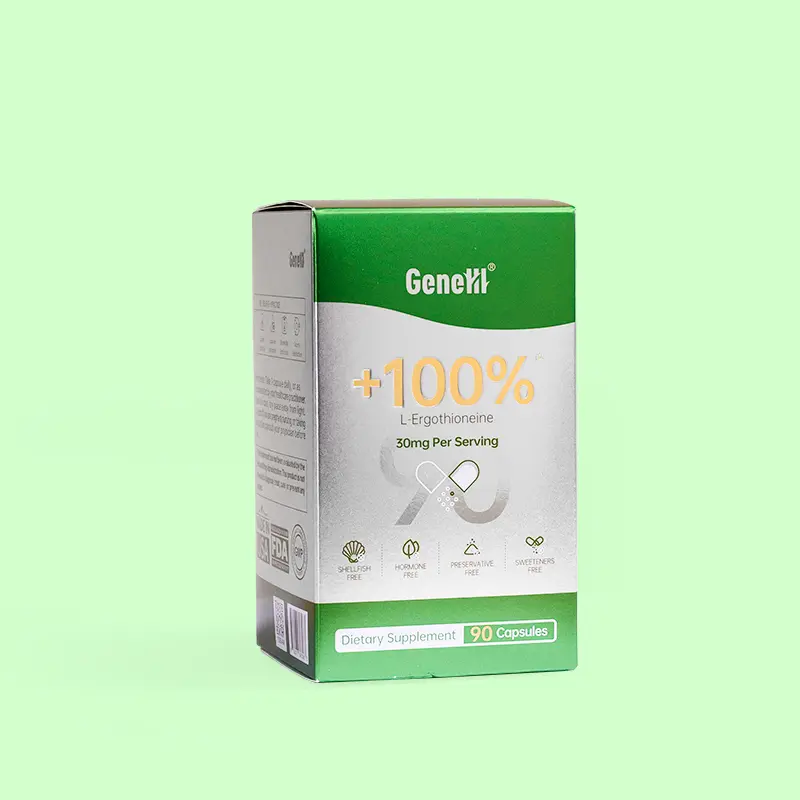
The buyer asks for the facility’s proof, and the label prints the answer’s summary.
The Facility Details on the Pack
The pack prints the manufacturer’s name, the place of business, and the contact the facility’s documents carry, and the buyer reads them as the product’s home. The distributor or the packer joins the frame where the role shifts, and each name follows the rule that owns it. The address format follows the market’s rules, and the typo in the ZIP code breaks the buyer’s path. The name and the address carry the buyer’s questions, and the typo breaks the path.
The Statements Buyers Request
The buyers request the facility’s certification statements, the batch and the lot codes, the expiration date, and the contact for the quality questions, and each request has a home on the label. The artwork places the requested lines where the rules and the design allow, and the review checks each line against the facility’s document. The request list is the artwork’s checklist for the first proof. The request list is the first proof’s checklist, and each line closes a question.
The Facility Statement Table
The table below groups the facility lines by the document that owns them, so the artwork pulls each line from its source. The source column names the file, and the error column names the check.
| Label Line | Source Document | Common Print Error |
|---|---|---|
| Manufacturer name and address | The facility master document | An old address from a past revision |
| Certification statements | The current certificates | A claim printed beyond its scope |
| Lot and batch codes | The production batch record | A code that scans as another product |
| Quality contact | The quality manual’s contact page | A phone line that no longer rings |
GMP Labels Printed From the Right Documents
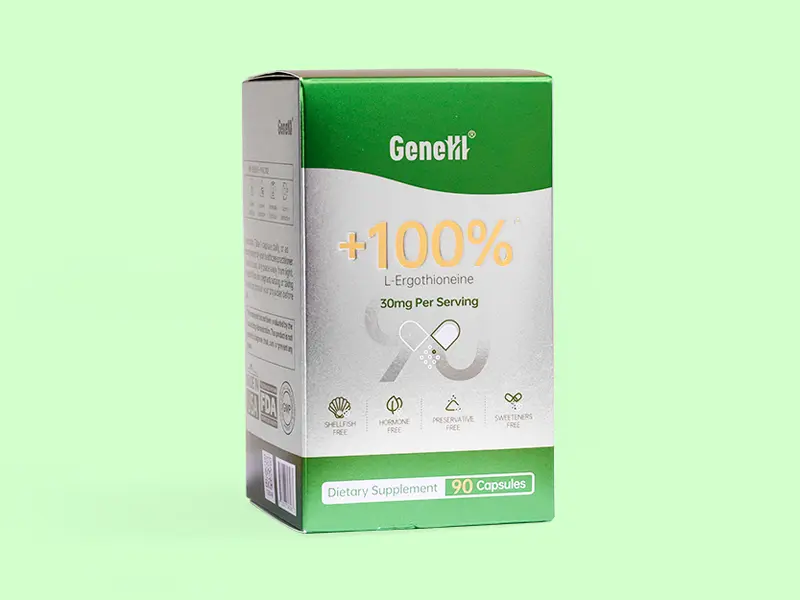
Print Requirements for Traceability, Lot, and Variable Data
The lot and the date travel with every batch, and the print keeps them scannable.
The Variable Data Lines
The lot code, the expiration date, and the manufacturing date change with every batch, and the print method must handle the variable lines without touching the fixed artwork. The code position is reserved in the artwork from the first draft, and the printer’s variable system fills it per batch. The fixed and the variable layers stay separate on the file, and the press merges them correctly. The merge is the press’s test, and the sample proves it.
The Scannable Codes
The barcode and the lot code must scan at the buyer’s and the retailer’s readers, and the print keeps the contrast and the quiet zones. The code’s size, the substrate, and the finish all play into the scan, and the proof is scanned, not just looked at. The tamper-evident labels for supplements add their own seal to the same pack surface.
The Traceability Chain
The traceability chain runs from the ingredient lot through the batch record to the printed code, and the label is the chain’s last link. The code ties the pack to the batch, and the batch ties to the records the facility keeps. The printer’s file carries the code exactly as the batch record names it, and the typo in the code cuts the chain. The chain runs to the printed code, and the code runs back to the batch. The barcode and lot code printing methods walk the writers that print those codes.
- The lot code prints from the batch record’s exact string.
- The expiration date follows the stability record’s format.
- The barcode keeps its quiet zones and its contrast.
- The fixed artwork and the variable layer merge without drift.
The Coding Methods
The inkjet, the laser, and the thermal transfer print the variable lines, and the method follows the substrate and the line’s life. The method is chosen with the pack, and the sample run proves the code survives the label’s handling. The coding method is part of the print plan, not an afterthought.
Label Supplier Support for Controlled Documents and Artwork
The label supplier handles the controlled files with the same care the facility does.
The Controlled Artwork Handling
The label supplier that serves supplement facilities handles the artwork as a controlled document, with the version, the date, and the approver on every revision. The supplier’s system prevents the old file from reopening, and the press runs only the released version. The handling mirrors the facility’s own control, and the two systems meet at the released file. The supplier’s lock mirrors the facility’s lock, and the two meet at the file.
The Proof and the Approval Loop
The proof runs the facility’s approval loop, and the physical sample carries every line the facility must read. The supplement label sample check walks the proof gate by gate, and the panel rules behind it sit in the supplement facts label requirements in the USA guide. The signed proof closes the loop before the plates, and the signature rides with the order. The signature rides with the order, and the order rides to the press.
The Certification Talk
GMP certification comes from the independent certifying bodies, and the buyer verifies the certificate with the body that issued it. The facility becomes GMP certified by building the practices, passing the audits, and keeping the records the rules require. The label supplier supports the claim by printing the statements the certificate allows, and the food safety and manufacturing practices frame sits behind the whole system. The printer prints the claim the certificate allows, and nothing beyond it.
- Ask the supplier how the artwork versions are released and locked.
- Check that the proof run carries the variable data sample.
- Confirm the facility details against the master document.
- Keep the signed approval and the certificate copy with the order.
Frequently Asked Questions
What is GMP in simple words?
GMP means the facility follows written practices that keep every batch clean, consistent, and traceable from the ingredient to the pack.
Does the FDA require GMP?
The FDA holds supplement manufacturers to the current good manufacturing practice rules, and the label claims must match the facility’s practices.
What is the difference between FDA and GMP?
The FDA is the agency that writes the rules, and GMP is the set of manufacturing practices the rules require.
What are the 5 rules of GMP?
The five rules run the people, the premises, the processes, the products, and the paperwork.
Who provides GMP certification?
GMP certification comes from the independent certifying bodies, and the buyer verifies the certificate with the body that issued it.
How do you become GMP certified?
The facility becomes GMP certified by building the practices, passing the audits, and keeping the records the rules require.
Conclusion
The GMP label is the facility’s discipline in print, and the printer’s job is to carry it from the controlled document to the shelf without a drift. The facility details, the claims, the lot codes, and the certifications each hang from a record, and the artwork pulls every line from its source. The variable data, the scannable codes, and the controlled versions close the chain the buyer’s check follows, and the signed proof is the last approval before the plates. A label that prints from the right documents passes the check once, and the one that prints from memory fails it on every pack. The controlled flow is the cheapest insurance on the print room floor.
For supplement brands and facilities that want the label and the documents run as one controlled flow, Meikei handles the artwork, the variable data, and the print. The version discipline the records require runs through every step.