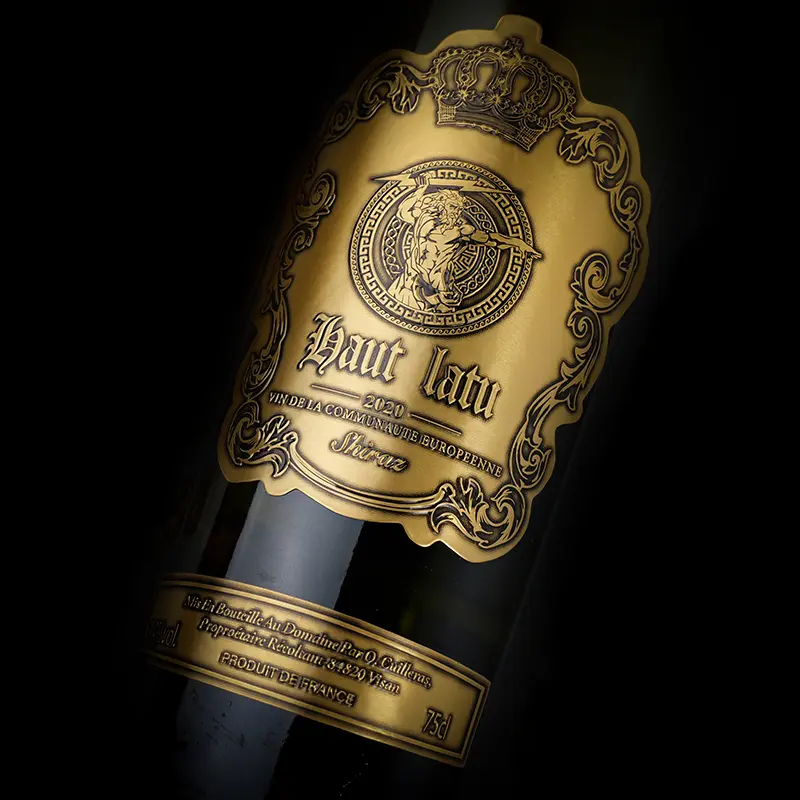
Beer bottles are the label material debate’s oldest battlefield: paper carries the craft story, film survives the ice bucket, and the brewery’s own business model decides the ultimate winner between them. Beer bottle labels in paper vs film is a performance question with a branding answer.
This guide compares the two material families across the brewery’s real conditions: the ice bucket, the returnable bottle, the craft shelf, and the production line. It ends with the cost and production notes that decide the run, because the material question is never settled in the tasting room alone.
Paper and Film Label Options Used by Breweries
Breweries choose from a short material list: coated and textured papers for craft character, and film for everything wet.
The list is short, but the choice shapes everything downstream, from the first artwork to the last wash line. The three options below are the whole menu a brewery chooses from.
종이 라벨 for Craft Character
Coated and textured papers give beer labels their distinctive hand-feel, with uncoated and estate stocks for the craft and premium tiers. The paper takes embossing and foil in a way film cannot match. The texture is part of the brewery’s story, and the story is what craft buyers pay for, often choosing label first and beer second at the till.
필름 라벨 for the Wet Shelf
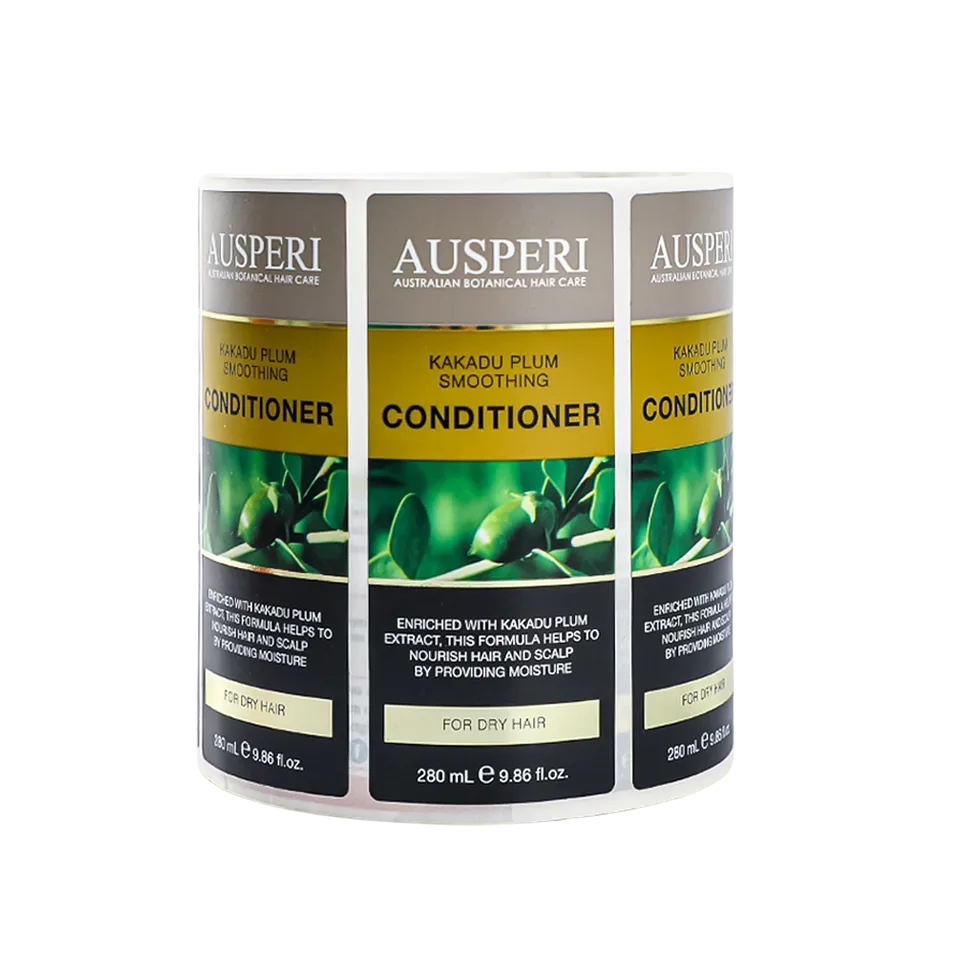
BOPP film labels shrug off the ice bucket and the cooler’s condensation entirely, with a laminate sealing the print. The film’s durability is the purely pragmatic argument. The craft look and the wet shelf are usually reconciled with a laminate over paper, or with straight film for the everyday six-pack line.
The Middle Route: Laminated Paper
Laminated paper keeps the paper’s texture and print character intact while the laminate closes the moisture gap. The middle route is the craft brewery’s overall favorite compromise, and it covers the widest range of beer styles. It costs more than bare paper, and the ice-bucket test decides whether it is genuinely enough protection.
Performance in Ice Buckets, Refrigerators, and Wet Handling
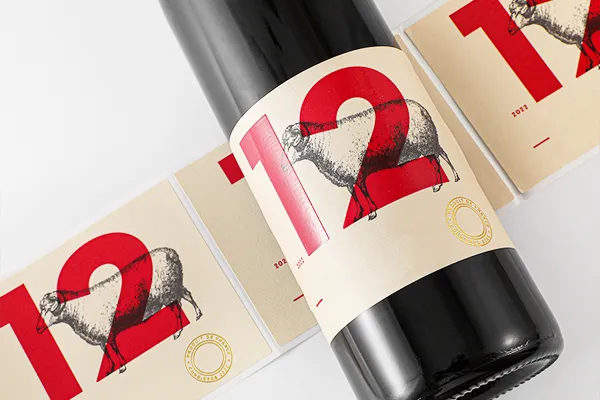
The ice bucket is the beer label’s one final exam: submersion, condensation, and cold all work the material at once.
This section is where the paper versus film debate actually gets decided, because the shelf’s water does not negotiate anything. The three checks below run the label through its wet life, and the table summarizes the outcomes.
| Condition | Bare Paper | Laminated Paper | Film |
|---|---|---|---|
| Ice bucket | Stains and softens | Survives with seal intact | Passes untouched |
| Cooler condensation | Stains at the edges | Holds with light marking | Unaffected |
| Scuffing and clatter | Scuffs quickly | Laminate protects | Laminate protects |
The table reads like the shelf’s scoreboard: each row is a condition the brewery’s bottles actually meet, day after day.
The Ice Bucket Test
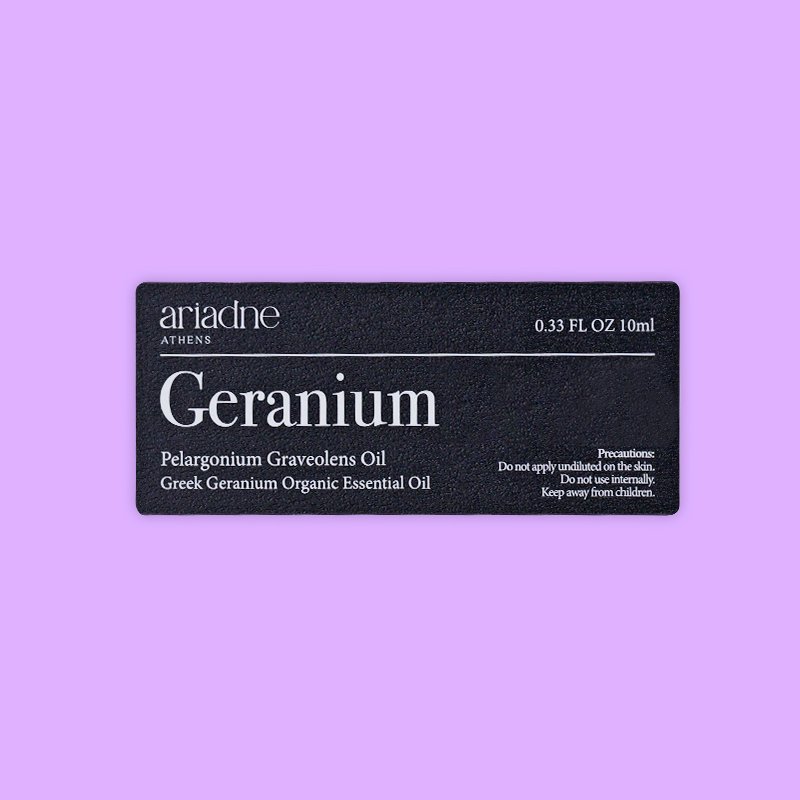
The ice bucket submerges the label, soaks the paper, and tests the adhesive’s cold rating all in one single gesture. Film with a laminate passes without any comment; bare paper fails visibly. The ice bucket test is the working standard by which the whole material choice gets judged.
The Cooler and the Fridge Door
The cooler cycles condensation onto the bottles through the retail day, and the fridge door repeats the same cycle at home. Film shrugs it off; laminated paper survives; bare paper stains. The moisture cycle is the everyday, quieter version of the ice bucket test.
Handling and Bottle Clatter
Bottles clatter against each other in crates and coolers, and the label surface takes all the scuffing. A laminate carries the scuff resistance for both paper and film. The surface protection is part of the wet-handling story, never separate from it.
Adhesion and Removal Needs for Returnable Beer Bottles
Returnable bottles need labels that hold through use and release cleanly in the wash, two jobs for one adhesive.
The returnable bottle is the material choice’s hidden stakeholder, because its wash line sets requirements that the craft shelf itself never once even mentions. The three sections below give it its due.
The Returnable Bottle’s Two Demands
The returnable bottle asks the label to stay through the whole shelf and then come off cleanly in the brewery’s wash line. The two demands point straight to wash-off adhesives. The label that fights removal slows the bottle’s next trip through the wash line, and that wash line is the brewery’s own clock.
Wash-Off and Caustic-Soluble Grades
Wash-off adhesives release in the hot caustic wash, leaving the glass clean for relabeling, and caustic-soluble paper labels go one step further by dissolving entirely. The adhesive grade is matched to the brewery’s own wash chemistry. The removal requirement is therefore written into the label spec from the very start.
Balancing Hold and Release
The hold-and-release balance is the returnable bottle’s engineering problem: enough bond for the shelf, enough release for the wash. The hold-release balance is tested on the brewery’s own bottles. The wash test answers both hold and release questions in one single run.
Beer Labels Built for the Ice Bucket
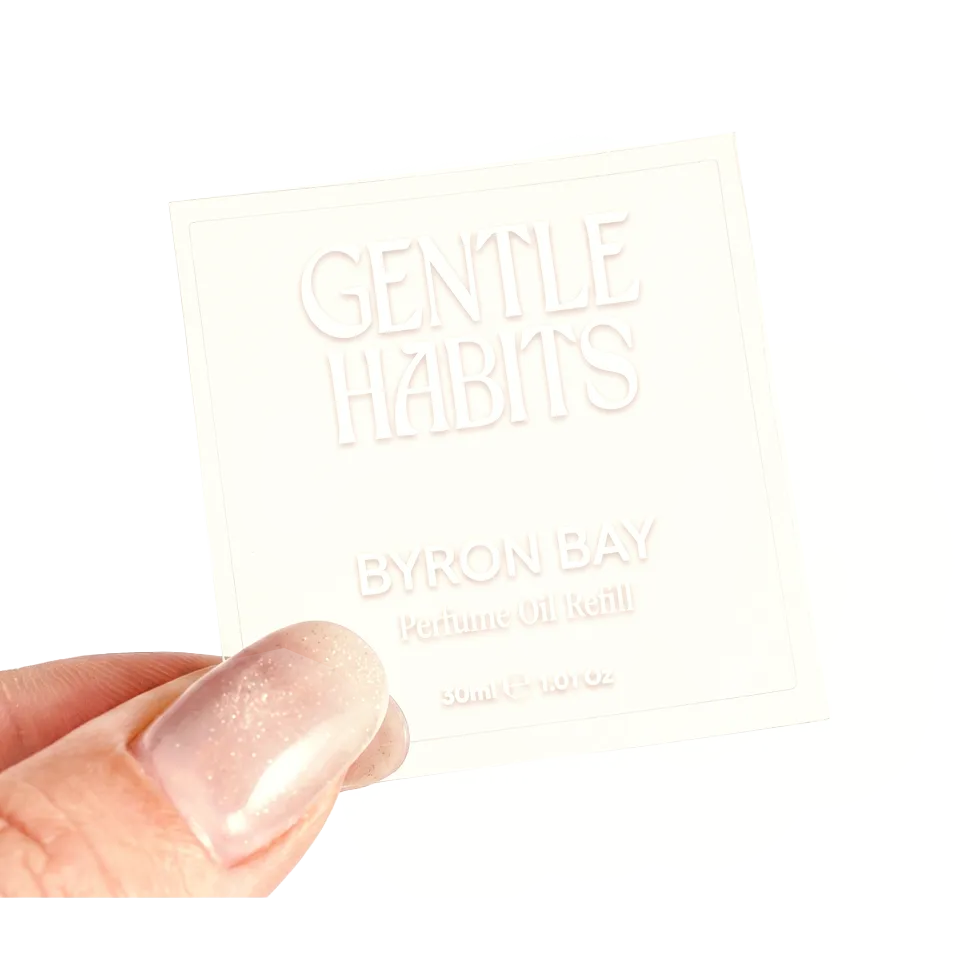
Print Appearance and Finish Options for Craft Beer Branding
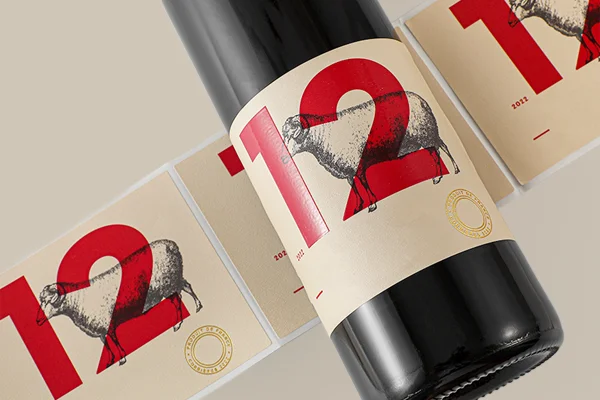
Craft beer branding lives in the finishes: embossing, foil, and tactile papers are the label’s shelf voice.
The finishes are where the material choice becomes a branding choice, and where the craft shelf’s expectations meet the material’s honest limits head-on, every time. The three sections below pair each finish with its material.
The Craft Look on Paper
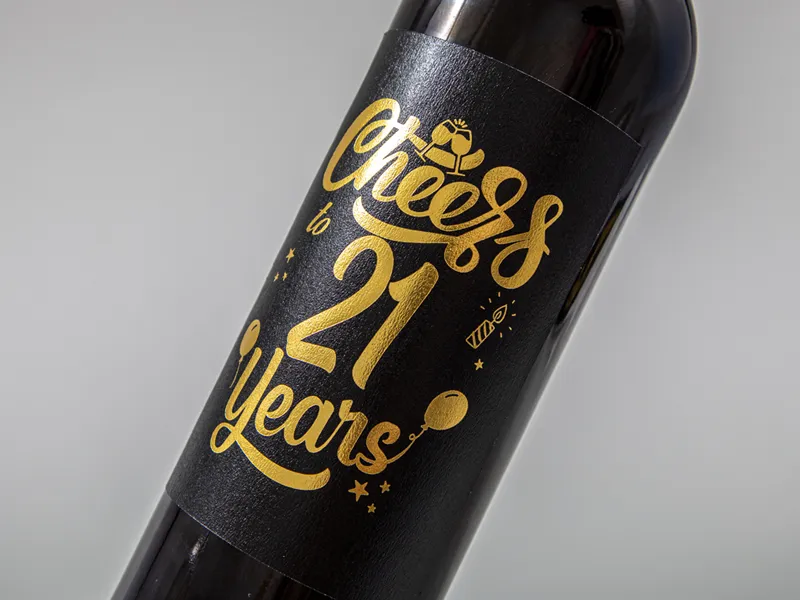
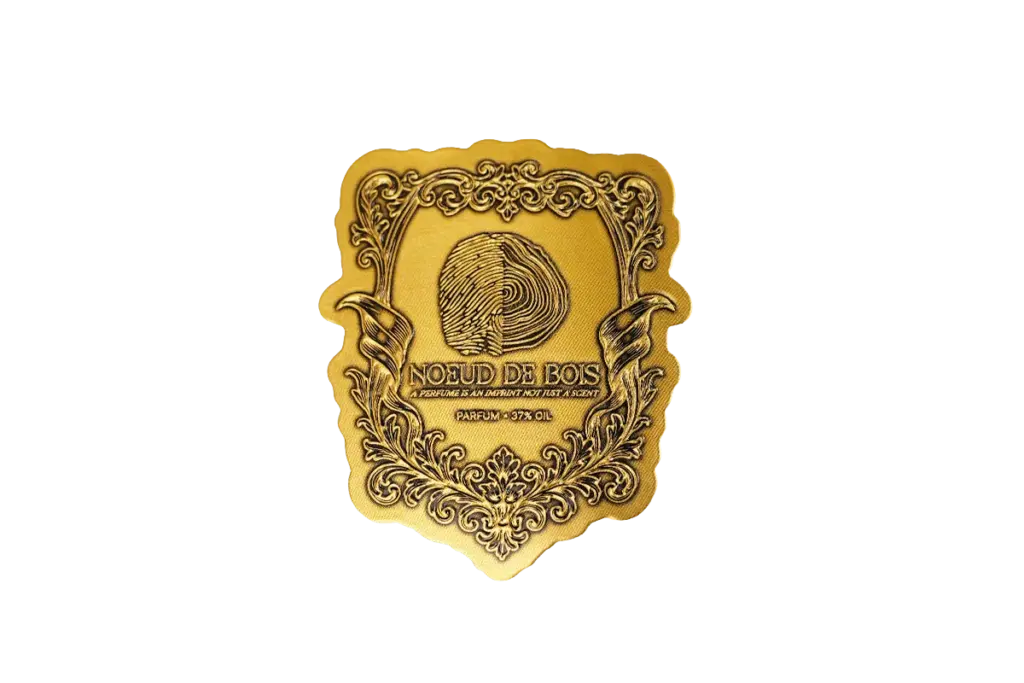
Paper carries the craft finishes best of all: embossing raises the logo, foil stamps the medallion, and textured stocks add the hand-feel. The finishes tell the brewery’s story without a single printed word, purely by touch and light. The craft shelf rewards exactly this physical detail.
The Craft Look on Film
Film carries color and gloss differently, with clear film giving the no-label look and white film giving the full-color canvas. The finishes are flatter on film, but the durability is better. The choice between character and durability is the brewery’s own brand call.
Pairing Finish With the Beer
The finish follows the beer itself: premium barrel-aged bottles earn foil and emboss, while session cans and everyday bottles earn clean, durable film labels. The finish pairing keeps the craft shelf honest. For the sustainability side of the same material question, see our article on paper labels vs plastic labels.
Cost and Production Considerations for Brewery Runs
The brewery’s economics decide the run: paper costs less per label, film costs less per failure, and volume tips the scale.
The cost question is the last one asked and the first one truly felt, because the material economics arrive again with every reorder. The three sections below put the numbers in order.
Unit Cost and Failure Cost
Paper labels cost less per unit, and film costs less per failure, so the honest comparison always weighs the run’s real failure rate. A returned shelf of stained labels is the single most expensive label run a brewery ever buys. The failure cost is a real part of the material economics.
Run Length and Print Method
Run length picks the print method: long flagship runs earn flexo’s plate economies, and seasonal small batches ride digital printing. The chosen label material works with either method. For the bottle-side sizing that precedes any run, see our article on custom beverage labels for bottles and cans.
Application and Line Speed
The brewery’s line speed and applicator decide the roll spec, and the label material has to feed that exact line cleanly. The material and the machine are always tested together. A label that fits the brand perfectly but jams the line is not a workable label program at all.
Frequently Asked Questions
How to make your own beer label?
Design the label to the bottle’s measured panel, lay out the brand and required details, prototype at home, and produce through a converter for the shelf. The home stage proves the design; the production stage proves the ice bucket. The two stages together are how a beer label gets made.
Can I make a custom beer label?
Yes, custom beer labels are a standard converter service, with the material, adhesive, and finish chosen for the beer’s shelf conditions. The design starts from the bottle’s measured panel. The label program is fully custom, from the paper stock to the foil medallion. For the regulatory side of alcohol labels, see our article on liquor label requirements and TTB compliance.
Why do people peel off beer labels?
People peel beer labels out of habit, collection, and fidgeting, especially when the label’s texture or artwork invites the touch. The peeling habit is why the label’s adhesion and the returnable bottle’s removal are both engineered. A label that satisfies the fidget and survives the shelf is the craft ideal.
Why doesn’t beer come in plastic bottles anymore?
Plastic lets oxygen in and light through faster than glass, which shortens the beer’s shelf life and dulls its flavor, so glass and cans remain the standard. The packaging choice is about freshness. The label’s role is the same on either container: survive the shelf and tell the story.
What does tapping the top of a beer bottle do?
Tapping the top of an opened beer bottle is a habit meant to settle foam, though it does little for the beer, and tapping a full unopened bottle mainly creates foam. The ritual is bar lore more than physics. The label’s durability story is real, however: the bottle’s handling begins the moment it is opened.
Can you store beer in a plastic bottle?
Beer can be stored in plastic briefly, but plastic’s oxygen and light transmission shorten shelf life compared with glass or cans, which is why commercial beer rarely uses it. The storage question is a barrier question. Labels on beer packaging follow the same logic: the material is chosen for the storage conditions.
What labels stick to plastic?
Labels stick to plastic when the adhesive matches the resin’s surface energy, with polyolefin grades for HDPE and PP and standard grades for PET. The plastic type decides the adhesive. The same pairing logic applies on any beer packaging that uses plastic elements.
What is the best material for labels?
The best material depends on the beer’s shelf conditions: film for ice buckets and coolers, coated or textured paper for dry craft shelves, and laminated paper for the middle ground. The bottle’s real life on the shelf decides the winner. The material that survives the beer’s own wet test is the right one.
Are Avery stickers waterproof?
Some Avery stocks are water-resistant, but desktop-printed stickers generally do not survive soaking the way laminated production labels do. The print itself smears even when the stock holds. For beer labels, the waterproof answer is a converter’s film or laminated construction, not a desktop print.
Why do you pour a head on a beer?
The head releases the beer’s aromas and softens the first sip’s carbonation bite, which is why a proper pour includes one. The foam is part of the drinking experience. The label’s job is to survive the handling that comes with that pour, from the ice bucket to the bottle’s wet hand.
What size is a water bottle label?
A water bottle label is sized to the bottle’s straight wall, with the height measured between the curves and the length wrapping the circumference plus a small overlap. The same measurement method sizes beer bottle labels. The real bottle’s measurements, not a chart, decide the final numbers.
Conclusion
Beer bottle labels settle on a material by balancing three brewery facts at once: the ice bucket’s demands, the returnable bottle’s needs, and the craft shelf’s expectations. Paper wins the story, film wins the water, and the laminated middle ground wins most of the real market every year. The brewery that tests both materials on its own bottles ends up buying the label it already knows works.
For breweries choosing label materials, Meikei prints paper, film, and laminated beer labels with wash-off options, all sampled on your own actual brewery bottles before the run.