Glass and plastic look interchangeable on the shelf, but they are opposites to a label: glass takes almost any adhesive, while plastic sorts labels by surface energy and resin type. Food labels for glass vs plastic containers are really two different printing and adhesion problems wearing the same artwork, and mixing the specs is the industry’s most common label mistake.
This guide compares the two substrate families through the lens of the label: the surfaces, the adhesives, the facestocks, the print behavior, and the tests that prove each choice on the line. The goal is one decision rule per container type, so the spec writes itself almost automatically once the container is named.
Surface Characteristics of Glass and Common Food-grade Plastics
Glass is high-energy and forgiving; plastics split by surface energy, with HDPE and PP the hardest for adhesives to grip. For the bubble prevention that rides the same application, see our article on how to prevent bubbles on product labels.
Surface energy is the quiet physics behind every adhesion failure on plastic packaging. Understanding the ranking below is worth more than any adhesive brand name, because it explains the why before the which.
Glass: The Forgiving Surface
Glass is rigid, smooth, and high in surface energy, so adhesives wet it easily and bond strongly. Condensation is its only real complication. The same label spec that works on glass jars today worked on glass jars a decade ago. That stability makes glass the predictable half of the comparison, and the reason glass brands rarely talk about adhesion at all.
PET and HDPE: The Middle Ground
PET is the easier plastic, with enough surface energy for standard adhesives on most food bottles. HDPE sits lower on the energy scale, so labels need adhesives formulated for polyolefins. Both plastics flex slightly under handling, which the adhesive has to tolerate without lifting at the edges.
PP: The Hard Case
Polypropylene is the lowest-energy common food plastic, and ordinary adhesives bead up on it instead of bonding. Labels for PP containers need dedicated polyolefin adhesives or surface treatment. The material science here is documented by the adhesive industry, including the Adhesive and Sealant Council, whose materials explain how surface energy drives wetting and bond strength on every resin.
Adhesive Compatibility with Glass, PET, Hdpe, and PP
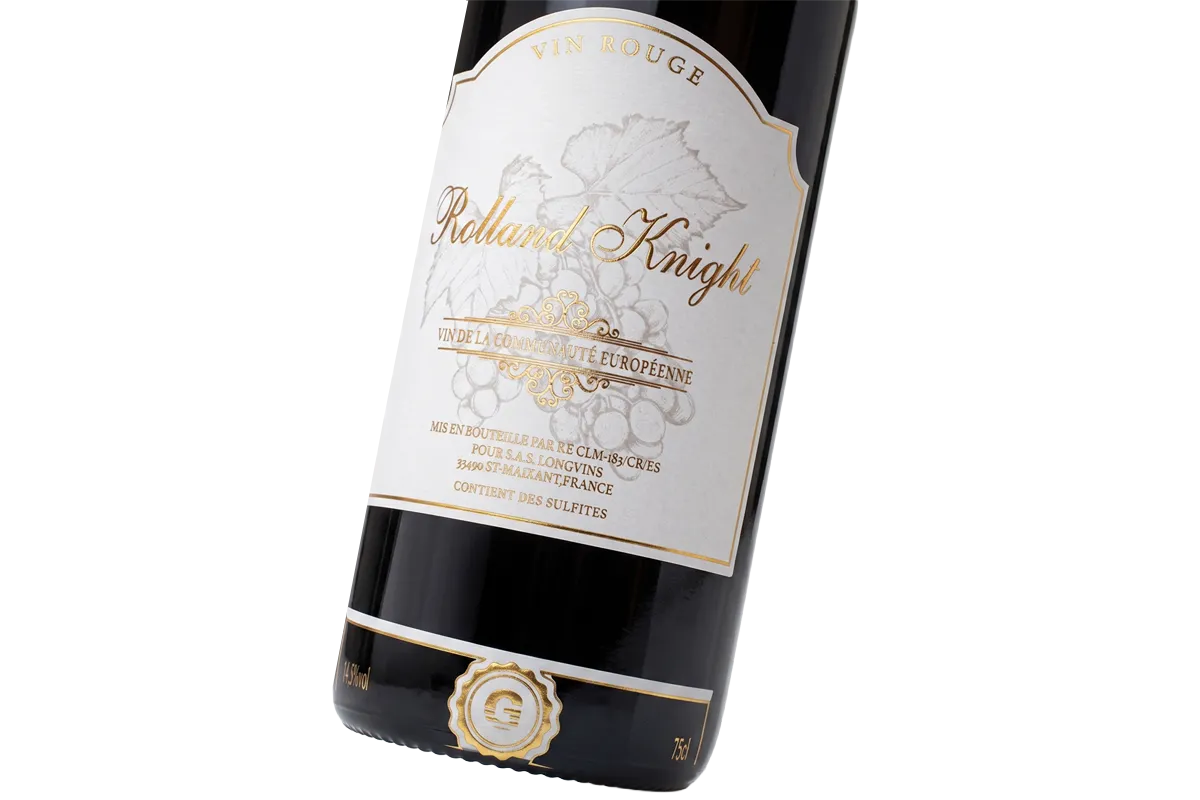
The adhesive is matched to the substrate’s energy: general grades for glass and PET, polyolefin grades for HDPE and PP.
The pairing table below is the shortcut most label programs need. Each row is a different adhesive world, and mixing rows is where the shelf failures always come from.
| Surface | Adhesive Grade | Notes |
|---|---|---|
| Glass | Standard permanent or wash-off | High energy, easy wetting |
| PET | Standard permanent grades | Slight flex, reliable bond |
| HDPE | Polyolefin-formulated grades | Low energy needs special grip |
| PP | Dedicated PP adhesives or treatment | The hardest common surface |
Why Surface Energy Decides
Adhesives bond by wetting the surface, and low-energy plastics resist wetting the way a waxed car resists water. The adhesive grade compensates by chemical design, not by thickness or tack alone. That is why a stronger adhesive is not always the right adhesive for plastic, and why the data sheet’s surface-energy note matters more than its strength number.
Condensation and Cold on Both
Glass and plastic share one enemy: condensation, which puts a water film between adhesive and surface at the worst moment. Cold-rated and condensation-tolerant adhesives handle both substrates. See our article on how to choose waterproof label adhesive for the pairing logic. The water film is the same on both surfaces; only the surface underneath changes. Beverage buyers evaluate suppliers on exactly these ratings, as our article on best label printing companies for juice and beverage brands explains.
Label Material Choices for Clear and Opaque Containers
Clear containers invite clear labels and no-label looks, while opaque ones take white or paper stocks without a second thought.
Transparency is the second split, after surface energy, and it changes the facestock decision completely. The clear container asks the label to share the stage with the product inside.
Clear Glass and Clear Film
Clear glass bottles pair with clear film labels and a white underprint for the artwork, so the product shows through the label-free areas. The no-label look is the premium play. The same approach works on clear PET, where the film label matches the container polymer for recycling, and on colored glass where the tint becomes part of the design.
Opaque and Colored Containers
Opaque HDPE, PP, and colored glass hide the product, so white film or paper labels carry the full design without transparency tricks. White BOPP dominates here for its moisture resistance and print brightness. Paper stays an option on dry, ambient lines where the container never meets water.
Matching Material to Container Life
The material choice also tracks the container’s life: glass jars that get refrigerated need film, plastic bottles in the shower need film, and dry pantry cartons can keep paper. The container material, the product conditions, and the label material form one matched set, and changing one corner of the set forces the others to move with it.
Labels Matched to Your Container Material
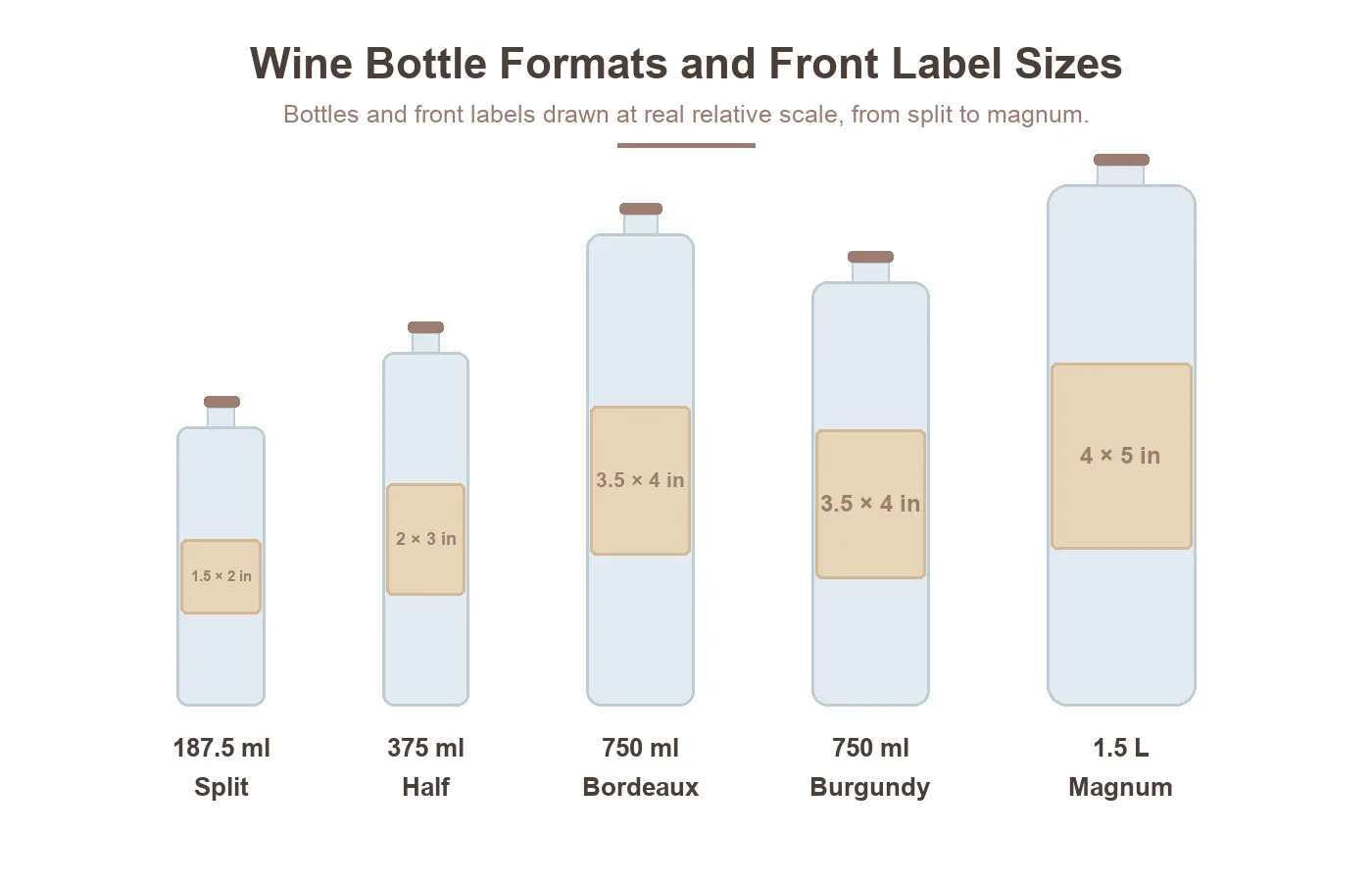
Print and Finish Considerations for Different Container Surfaces
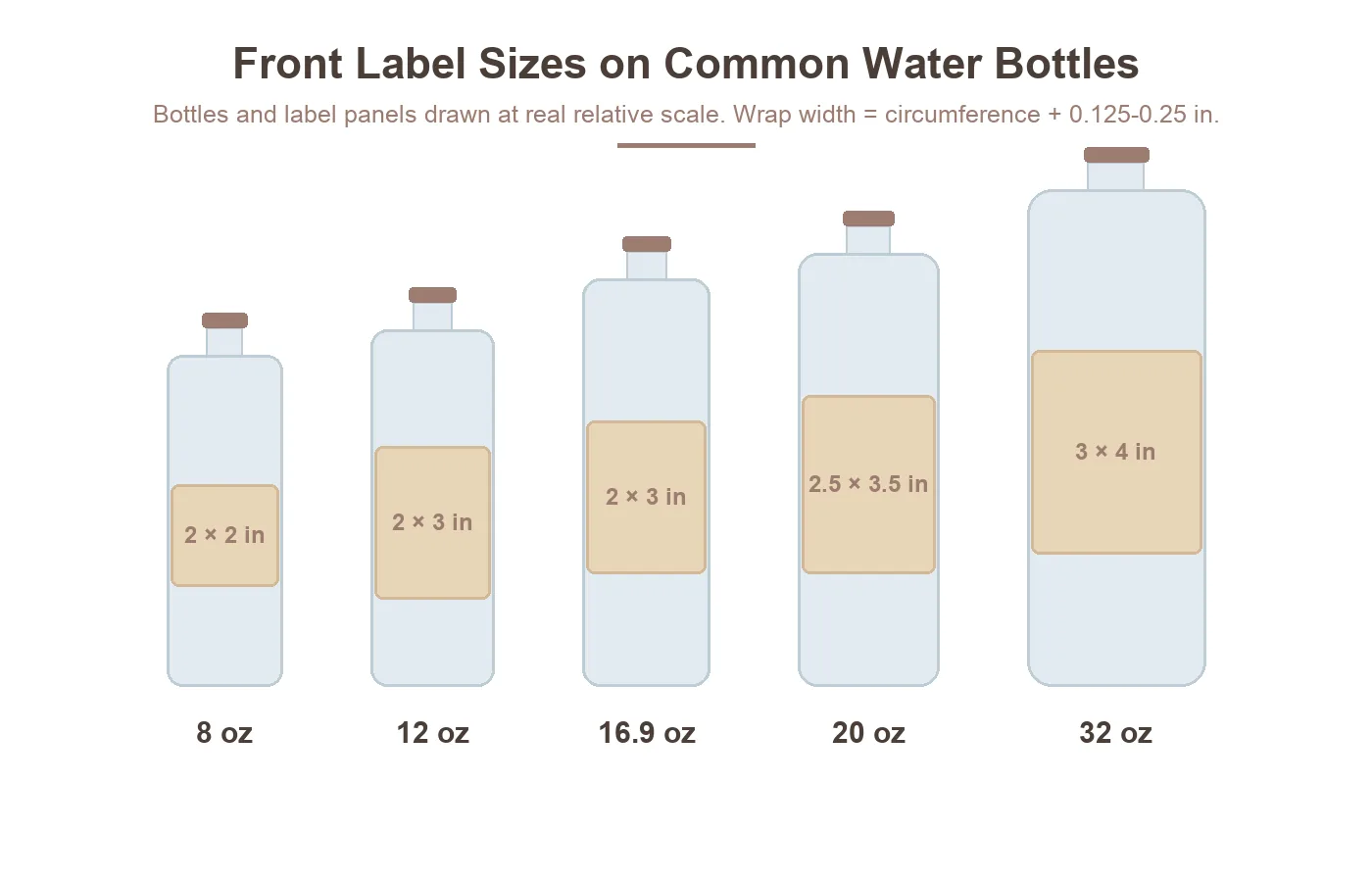
The container surface changes the print: glass shows everything behind the label, and plastics flex the artwork around every curve.
Print behaves differently on the two substrate families, and the differences show up in proofs if you know where to look. The three checks below catch them before plates are made or films are cut.
Printing for Transparency
Clear containers demand print discipline: white underprint where the artwork needs opacity, CMYK designed around the product color behind it, and no unprinted white assumptions. The label has to look right over an empty bottle and a full one, which is a design constraint paper labels never face, and it changes how the artwork gets approved.
Finishes on Glass vs Plastic
Gloss laminates amplify the wet, premium look on glass, while matte and soft-touch finishes suit both substrates equally. On plastic, the finish also has to flex, so softer laminates follow squeezable bottles without cracking. The finish is chosen with the container’s flex in mind, because a finish that looks right and cracks wrong is the wrong finish.
Sizing Around the Curve
Both containers are round, but plastic bottles taper and flex more, so the label panel is measured at its position and the artwork keeps critical text off the tightest curve. For the size conventions, see our chart on sticker sizes. The measurement discipline is the same for glass and plastic; the tolerance is what differs.
Production-line and Use-condition Tests for Both Substrates
Tests settle the glass-versus-plastic argument: the same label spec gets proven on each substrate before either order ships.
Testing is where the two specs stop being theory. The three checks below run on both container types and produce a decision, not a debate.
Adhesion Testing by Substrate
The test applies the label to the real container, filled, at line temperature, then checks the bond after the product’s storage cycle. Glass gets the condensation test, plastic gets the flex and low-energy test. Each substrate has its own failure mode, and the test targets it, which is why one label spec never covers both substrates without testing.
Use-Condition Checks
Use conditions differ: glass jars face refrigeration and washing, plastic bottles face squeezing and shower humidity, and both face shelf handling. The test mirrors the use, not just the storage. A label that passes the warehouse and fails the bathroom is still a failed label, and the use test catches exactly that gap.
Line Trials on Both Formats
Before production, the label runs a line trial on the actual applicator, at speed, on both substrate types if the brand runs both. The trial confirms the roll format, the unwind, and the application settings. See our article on how to choose custom roll labels for automated labeling for the line-side spec.
अक्सर पूछे जाने वाले प्रश्नों
Does vinyl decal stick to plastic?
Vinyl decals stick to most plastics when the adhesive matches the surface energy, with PET taking standard grades and HDPE or PP needing polyolefin adhesives. Clean, dry surfaces make the biggest difference. The same substrate-matching rule applies to production labels: the plastic type decides the adhesive.
How to get vinyl to stick to plastic better?
Clean the surface of oils and dust, dry it completely, apply firm, even pressure, and give the adhesive dwell time before stressing it. For low-energy plastics, use an adhesive formulated for polyolefins. At production scale, the same steps become the line’s cleaning, pressure, and dwell settings.
What stickers stick best to plastic?
Film stickers with adhesives matched to the plastic’s surface energy stick best, with PET accepting standard grades and HDPE or PP needing polyolefin formulas. Conformable films help on curved and squeezable plastics. The right pairing beats any amount of extra adhesive thickness.
Can I put permanent vinyl on plastic?
हाँ, permanent vinyl bonds well to plastic when the adhesive suits the resin, with polyolefin grades for HDPE and PP and standard grades for PET. The surface must be clean and dry. Production labels use the same principle at scale, with the adhesive specified per container polymer.
How to get stickers to stay on plastic?
Match the adhesive to the plastic’s surface energy, apply to a clean, dry surface, use firm pressure, and avoid stressing the edges before the bond develops. On the shelf, the same rules hold: the label’s edges are the first place a weak bond shows. Edge-lifting is the early warning of a mismatched adhesive.
What will permanent vinyl not stick to?
Permanent vinyl struggles on low-energy plastics like untreated PP and HDPE, silicone and waxed surfaces, and anything oily or dusty, unless a matched adhesive or surface treatment is used. The list reads like a label spec’s failure cases. Each one maps to a specific adhesive or preparation fix.
Do vinyl stickers peel off easily?
Permanent vinyl stickers resist peeling when the adhesive matches the surface, while removable vinyl is designed to peel cleanly. The difference is the adhesive grade, not the vinyl itself. On packaging, the same choice runs from removable price labels to permanent product labels.
How to apply vinyl stickers to plastic?
Clean and dry the plastic, peel the liner, position the sticker, and press from the center outward with firm, even pressure. Let the bond set before flexing or wetting the surface. On production lines, applicators do the same sequence at speed, which is why roll format and unwind direction are part of the label spec.
Why is my Dymo tape not sticking?
Label-tape failures usually come from a dirty or damp surface, a low-energy plastic the tape’s adhesive cannot wet, or cold conditions at application. Clean, dry surfaces and room-temperature bonding fix most cases. The same three causes explain most industrial label failures, just at a different scale.
What is the difference between vinyl stickers and vinyl decals?
The terms overlap in everyday use, but decals usually mean cut vinyl graphics with transfer tape, while stickers mean printed pieces on a liner. Both use the same film and adhesive families. For packaging, the production question is the same: which adhesive grade matches the container’s surface energy.
Can I glue vinyl to plastic?
हाँ, vinyl bonds to plastic with adhesives matched to the resin, with polyolefin grades for HDPE and PP and standard grades for PET. The surface must be clean and dry first. The same matching logic applies to production labels, where the adhesive is chosen per container polymer rather than per artwork.
Conclusion
Glass and plastic containers demand two different label specs under one design. Glass and PET take standard adhesives and clear-film options; HDPE and PP take polyolefin adhesives and flex-tolerant films. Tests target each substrate’s failure mode. The brand that treats the container material as part of the label brief avoids the shelf failures that the other brands pay to print twice.
For brands labeling both substrate families, Meikei matches adhesives and facestocks to glass, PET, HDPE, and PP, with adhesion testing on your real containers, filled and in use.