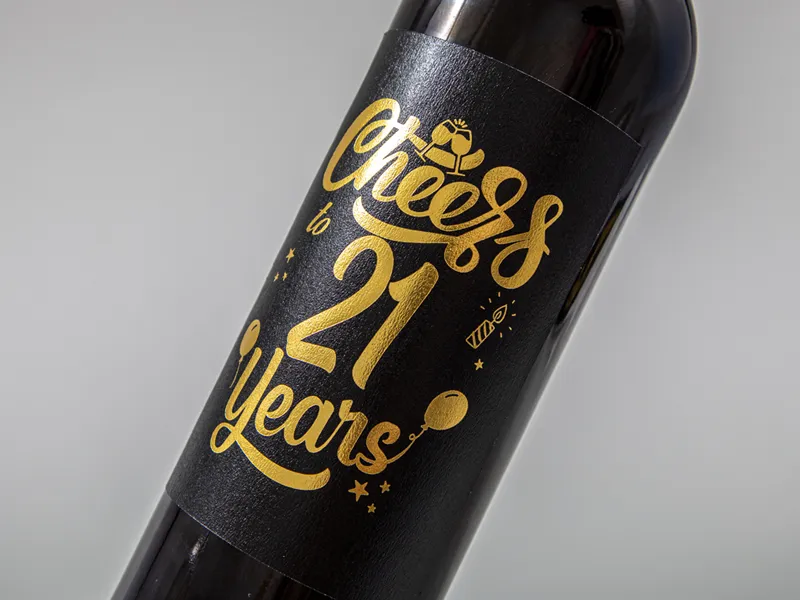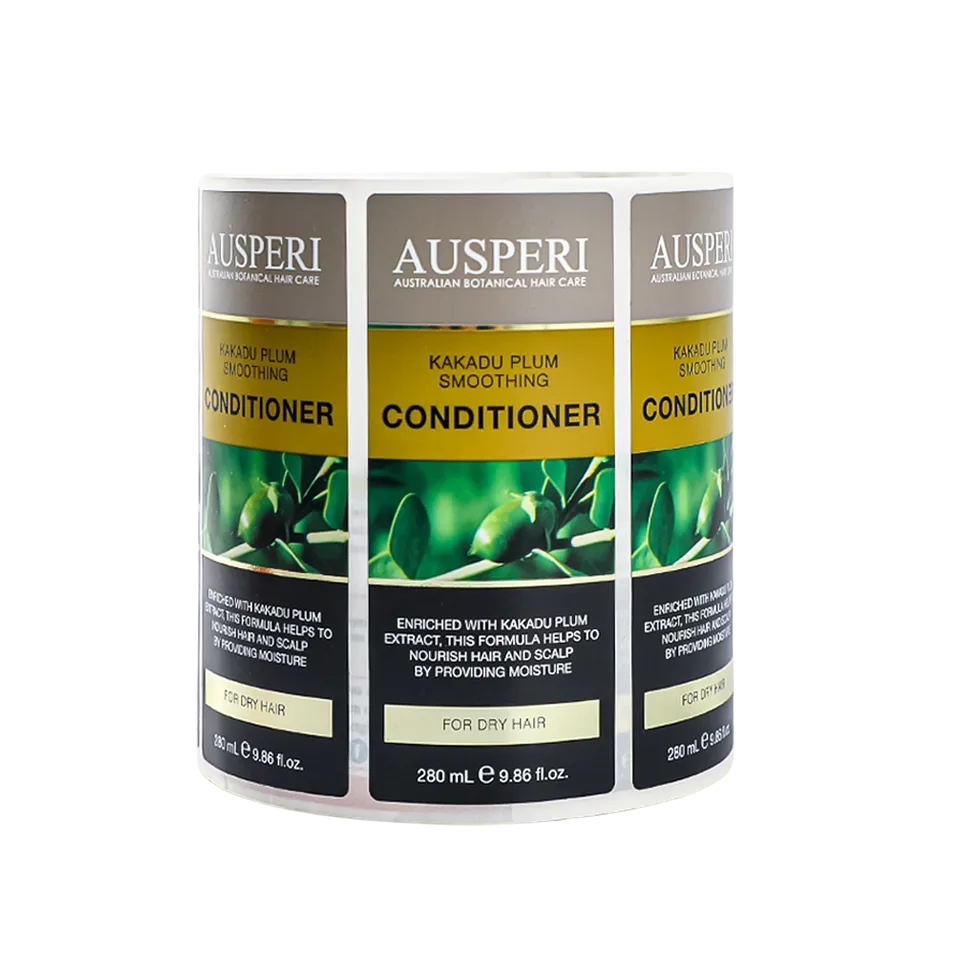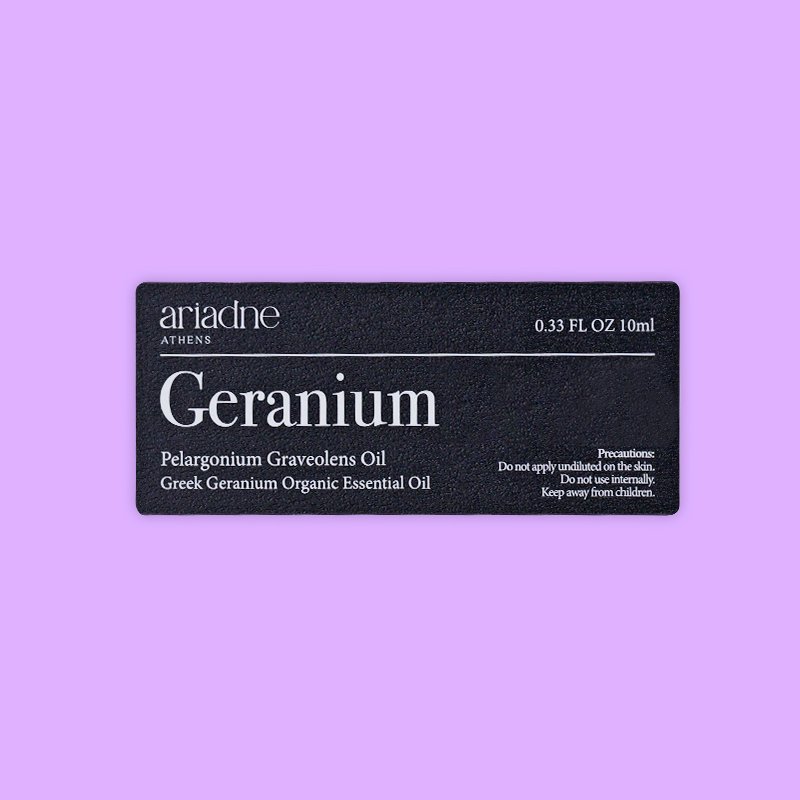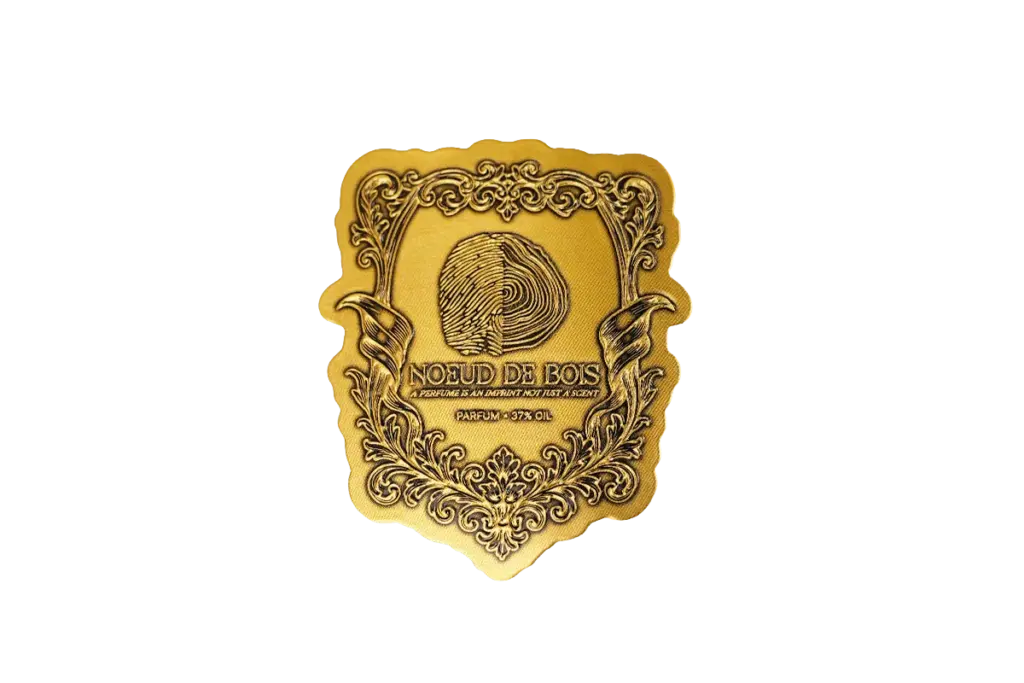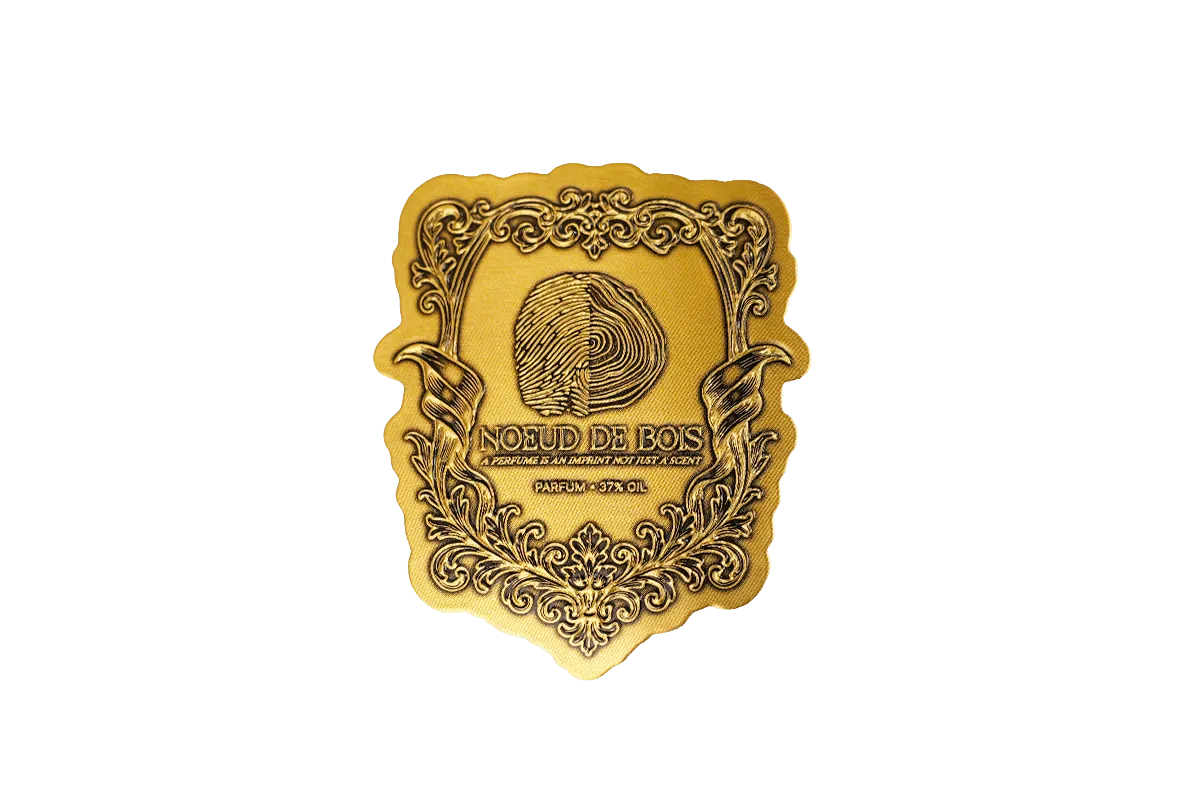
The types of product labels for retail brands split by how the label attaches, how much it covers, and what it has to survive. Types of product labels are a package decision before they are a design decision, because each type suits a different package structure. The label only works where the package lets it.
This guide walks the ten working types in six groups. The pressure-sensitive family, the wraparound, the shrink sleeve, the in-mold formats, the clear and specialty and security types, and the matching rules each get a section.
The label associations keep the type language standard across the industry, and bodies like FINAT publish the same distinctions this guide uses.
Pressure-sensitive Labels for Bottles, Jars, and Boxes
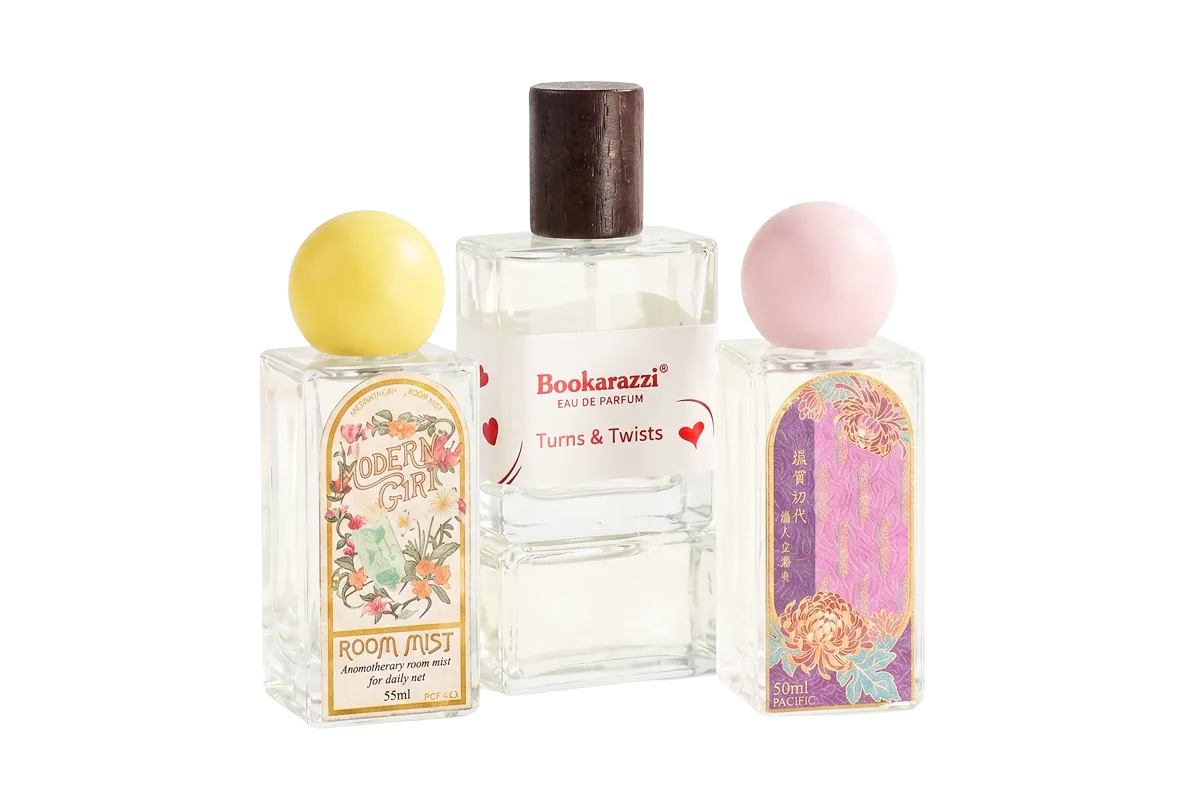
The pressure-sensitive label carries its own adhesive under a liner, and it applies with pressure, no glue pot and no heat. That self-contained construction makes it the most flexible type in retail, because the same roll serves bottles, jars, and boxes without changing equipment.
The type splits into paper and film versions, and each version serves a different product environment. The roll format makes the changeover fast.
Paper and Film Versions
Paper pressure-sensitive labels print sharply and cost less, and they suit dry shelves and straight panels. Film versions flex and shrug off moisture, and they suit squeezable bottles and bathroom storage.
The material choice inside the same type is a bigger decision than most brands expect, and it follows the product’s handling. The same print can look different on the two stocks.
Cut-and-stack
Cut-and-stack labels are the pressure-sensitive type’s older sibling: printed sheets cut into singles and applied with glue on the filling line.
The format costs less per label at very high volume, and it trades the flexibility of a roll for that cost. Beverage and dairy lines still run it at scale. The glue line is the one piece of equipment the format cannot skip.
The paper-versus-film decision inside the pressure-sensitive family is compared in detail in our article on supplement facts label printing. The same comparison runs for every retail category.
Wraparound Labels for Cylindrical Packaging
The wraparound turns one flat print into a label that hugs a cylinder end to end.
The wraparound is a pressure-sensitive label sized to circle a bottle or jar completely, meeting itself at a seam on the back. One print carries the front story and the back panel, and the seam hides where the hand rarely looks. The wrap reads like two labels and applies like one.
Cylindrical packaging uses it whenever the whole wall is usable.
The Seam Rule
The wrap length equals the circumference plus a small overlap, and the seam sits on the back, clear of the panel and the barcode. A short wrap gaps at the seam, and an overlong wrap creases at the overlap.
When the Wrap Fits
The wraparound fits straight-walled cylinders where the label can sit flat around the full circle. Tapered or contoured bottles break that fit, and the shrink sleeve takes over there.
The bottle’s geometry, not the design, decides between the two types. The geometry vote is final.
Shrink Sleeve Labels for Full-body Decoration
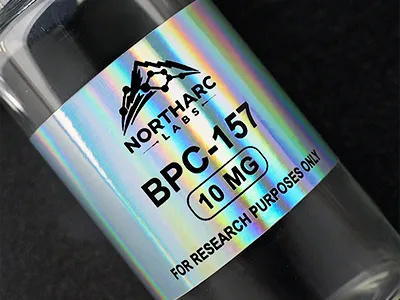
The sleeve is a second skin that shrinks onto the bottle.
The shrink sleeve is a printed film tube that drops over the container and shrinks in a heat tunnel until it follows the contour, shoulder to base. It covers the whole package, so the decoration runs edge to edge with no seam and no flat-zone limit.
Contoured bottles, tamper-evident necks, and full-body branding are its home ground. The film takes the shape of whatever it wraps.
Coverage and Tamper Evidence
The sleeve’s full coverage carries two extra jobs. The first is decoration on surfaces a flat label cannot follow. The second is tamper evidence, since a perforated sleeve tears open before the cap comes off. One film does both jobs on the right bottle. The perforation decides where the sleeve opens.
The Equipment Trade
The sleeve costs less film per unit at volume, and it costs more equipment up front, because the line needs a sleeve applicator and a heat tunnel. The trade is the volume math: the equipment earns itself on long runs and stays expensive on short ones. Short runs lean back to the pressure-sensitive label. The volume math decides the line.
The full comparison between those two types is walked through in our article on roll labels vs. shrink sleeves. The same decision runs for every retail bottle, supplement or not.
In-mold and Molded-in Label Formats
In-mold labels are born with the package, and they cannot peel because they were never stuck.
In-mold labels sit inside the mold when the container is blown or injected, so the label fuses into the wall as the package forms. The result is a label that cannot peel, scratch off, or separate, because it is part of the package itself.
The format is the premium choice for durable goods, buckets, and long-life consumer products. Nothing short of breaking the part removes it.
In-mold and Molded-in
The two names describe the same family with a small difference: in-mold labels enter the mold as printed film, and molded-in labels become part of the part’s surface during forming.
Both trade the print’s flexibility for permanence. The trade is the whole reason to choose the format. The label dies with the package, which is exactly the point.
Where the Format Earns Its Cost
The format costs more to set up than any sticker type, because the mold and the label have to match from the first part. It earns that cost where labels get abused: tool handles, outdoor products, and reusable containers. The retail brands that choose it are buying permanence. The mold investment is the price of that permanence.
Match the Label Type to Your Package Structure

स्पष्ट, Specialty, and Security Labels for Retail Products
स्पष्ट, specialty, and security labels each solve one problem the standard types cannot.
Clear labels give the no-label look, specialty labels add a finish or a material effect, and security labels protect the package. Each one starts from a standard type and changes one element: the facestock, the finish, or the construction. The three groups below round out the ten working types. The change is small, and the effect is specific.
Clear Labels
The clear label prints on transparent film so the container shows through around the artwork, and white ink prints behind the design where the container must not show. The effect is the no-label look on glass and clear plastic.
Specialty and Security Labels
Specialty labels add foil, embossing, metallic stocks, or textured papers to the standard types. Security labels add the breakaway, void, and destructible constructions that make opening visible. Both groups ride the same application formats, and they change what the label does after it is applied. The base type stays the same underneath.
The security group’s constructions and placement rules are covered in our article on tamper-evident labels for supplements. The same void and destructible formats protect retail products of every kind.
Label Type Matching to Package Structures for Retail Brands
The package structure picks the label type, and the reverse choice always costs more.
The matching rule is simple: the package’s shape, the opening, and the environment each vote, and the type with the most votes wins. A straight-walled dry bottle votes for the pressure-sensitive wrap, a contoured wet bottle votes for the sleeve, and a reusable part votes for the in-mold. The table below lines up the ten types against the packages they serve. The matching rule costs nothing to apply.
| Label Type | Package Fit | What It Buys |
|---|---|---|
| Paper pressure-sensitive | Dry shelves, straight panels | Sharp print, lower cost |
| Film pressure-sensitive | Moisture, squeezable packs | Flex and moisture hold |
| Wraparound | Straight-walled cylinders | Front and back on one print |
| Cut-and-stack | Very high volume lines | Lowest cost per label |
| Shrink sleeve | Contours and full-body art | Edge-to-edge coverage |
| In-mold and molded-in | Durable and reusable parts | Permanent bond to the part |
| स्पष्ट | Glass and clear plastic | No-label look |
| Specialty finishes | Premium and gift lines | Foil, texture, and tactility |
| Security | Caps, closures, and seals | Visible opening evidence |
The type decision then converts into a quote, and the pricing side of that step is covered in our article on wholesale supplement bottle labels. The type picks the process, and the process picks the price.
अक्सर पूछे जाने वाले प्रश्नों
What are the different types of product labels?
The main types are pressure-sensitive labels, wraparound labels, cut-and-stack labels, shrink sleeves, and in-mold labels, plus clear, specialty, and security versions. Each type attaches differently and covers differently. The package structure picks the type.
What are the four types of labels?
A common grouping is pressure-sensitive, glue-applied cut-and-stack, shrink sleeve, and in-mold labels. The grouping follows how each label reaches the package. Most retail products use the first two groups.
What are the three types of labels?
The three-type split is pressure-sensitive, glue-applied, and shrink-on labels. The split describes the attachment method. Everything else is a variation of one of the three.
Which are the two types of labels?
The simplest split is adhesive labels and non-adhesive labels. Adhesive labels stick to the package, and non-adhesive labels wrap, shrink, or bond into it. The split is the first branch of the type tree.
Can I print white on clear labels?
हाँ, white ink prints on clear film as an underprint layer, so the design sits on white while the rest of the label stays transparent. The extra pass is standard practice for clear labels. The container shows through everywhere the white is not.
What does “clean label” mean?
Clean label is a food marketing term for short ingredient lists with recognizable names, and it is a content claim, not a label type. The label itself stays a standard format. The claim lives in the ingredients the brand chooses to list.
What three things must all labels have?
A product label needs the product identity, the required regulatory information, and a legible construction for its package. The identity sells, the required block complies, and the construction survives the shelf. Everything else is optional.
Why are labels so important?
The label is the only part of the package that talks to the shopper at the shelf, carrying the brand, the contents, and the compliance text at once. The package protects the product, and the label sells it. Both jobs fail if the label fails.
What is the best type of printer to print labels?
For production labels, the best printer is the one whose technology matches the volume: digital for short runs, flexo for long runs, and offset for the finest flat work. The volume picks the technology, and the technology picks the machine.
What must be on a label?
The required content depends on the product category, and it usually includes the identity, the contents, the net quantity, and any mandated warnings or panels. The brand adds the marketing on top of that required block. The required block sets the minimum the label must carry.
Conclusion
The ten types of product labels are a matching exercise, not a preference contest. The package’s shape picks between the wrap and the sleeve, the environment picks between paper and film, and the durability need picks between the sticker and the in-mold. Retail brands that match the type to the structure first end up with labels that hold, read, and sell, and the matching rule costs nothing to apply before the artwork starts. The types are ten, and the package picks one.
For retail brands choosing among the ten types, Meikei specifies the type against your package structure and proofs it on the real container.