Roll labels and shrink sleeves are the two main ways a supplement bottle gets dressed, and they solve the same job from opposite directions. Roll labels vs. shrink sleeves is a decision about coverage, equipment, and volume, and the bottle’s own shape usually casts the deciding vote. Volume then confirms what the shape started.
In this guide, we compared the two formats on the points that decide a supplement program. The structure, the decoration coverage, the application line, the material cost, and the bottle shapes each get a section. The practical answer below gives each format its home ground.
Structure and Construction of Roll Labels and Shrink Sleeves
A roll label sits on the bottle, while a shrink sleeve becomes part of the bottle.
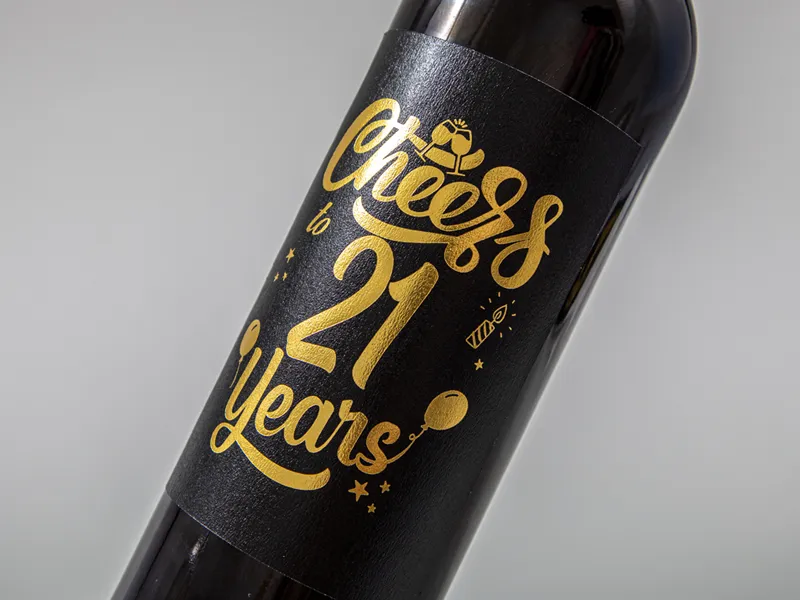
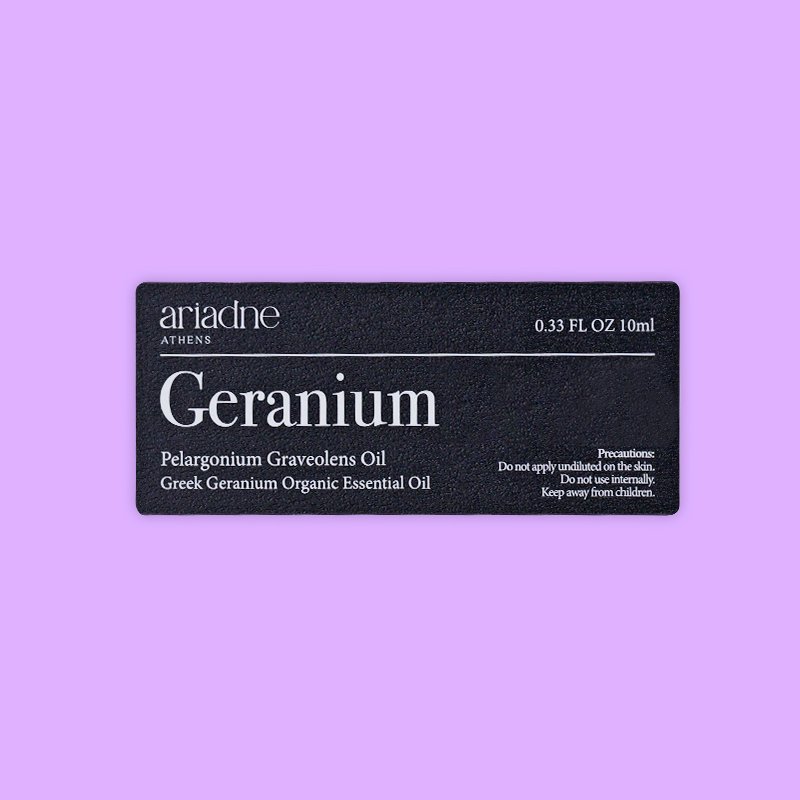
A roll label is a pressure-sensitive label on a liner, applied flat onto one part of the bottle. A shrink sleeve is a printed film tube that slides over the bottle and shrinks in heat until it grips the container’s whole contour. One is applied, the other is formed.
For the full type list those two sit inside, see our article on types of product labels. The construction difference drives everything else in the comparison.
The Roll Label Stack
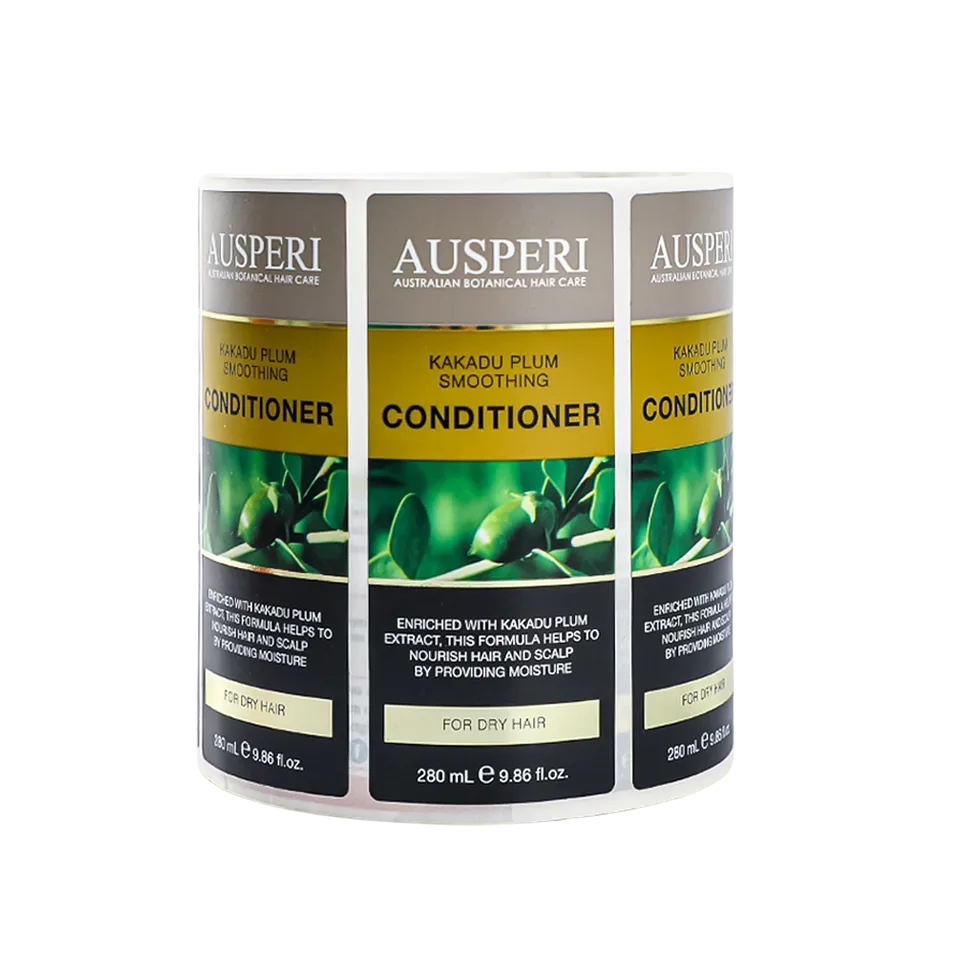
The roll label carries three layers: the facestock, the adhesive, and the liner, all wound on a roll that feeds the applicator. The bottle receives the label at one spot, usually the front panel or a wraparound band.
The liner is discarded at application, which matters when the waste column gets counted. The facestock does the printing, the adhesive does the holding, and the liner just carries them to the bottle.
The Shrink Sleeve Construction
The sleeve starts as a printed film that is seamed into a tube wider than the bottle. Heat shrinks the tube around the bottle until it follows the container’s contour from shoulder to base.
The result is a second skin with no adhesive and no liner, printed everywhere the film touches. The seam runs the sleeve’s full height, and the print must dodge it or use it.
The facestock decision inside the roll label stack follows the same paper-versus-film logic as every supplement label.
For the material comparison, see our article on supplement facts label printing. The sleeve, by contrast, is always film.
Coverage, Decoration, and Tamper-evidence Differences
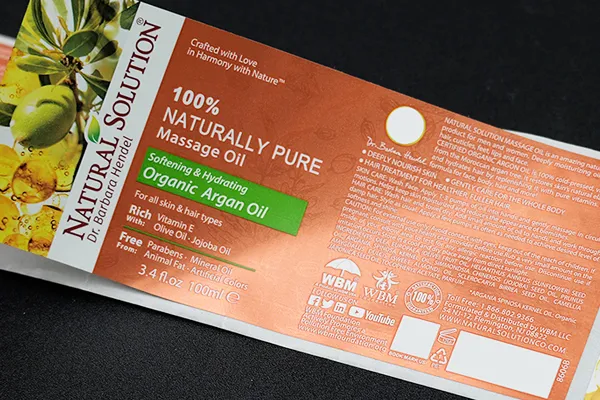
Coverage is the trade at the center: the sleeve wraps the whole shape, the label covers one zone.
The sleeve covers the full bottle, including the shoulder and the base curve, so the decoration can run edge to edge without a seam. The roll label covers one flat zone and leaves the rest of the bottle bare. That coverage gap is the whole difference in what each format can carry.
The gap is also the gap in price, since coverage is printed film area. The sleeve’s full coverage also carries a second job, because the film doubles as the package’s protective skin.
Full-Body Decoration
Full-body sleeve graphics turn the bottle itself into the advertisement, with the brand story wrapped around the entire container. Foil effects, gradients, and 360-degree artwork all live inside the sleeve’s print.
A roll label cannot follow a curve, so its decoration stays within its rectangle. That edge-to-edge print is why contoured supplement bottles skew to sleeves.
Tamper Evidence
Both formats can add tamper evidence, but the sleeve does it natively. A perforated sleeve tears open before the cap comes off, and the torn band shows the bottle was opened. A roll label needs a separate band or seal, which adds a second application step to the line. For the full band and seal format list, see our article on tamper-evident labels for supplements. The torn band is also a visible freshness cue on the shelf, which doubles its value.
Foil is the decoration both formats share, applied differently in each one. For the cost and the effect of foil on labels, see our article on how much custom labels cost. The sleeve prints foil as an ink effect, while the label adds it as a station.
Application Equipment and Line-speed Requirements
The application line decides more than the price, because the two formats need different machines.
Roll labels apply with a pressure-sensitive applicator that peels the liner and presses the label onto the moving bottle. Shrink sleeves need a sleeve applicator plus a heat tunnel, so the line adds a machine and an energy step. A brand that already runs label applicators adds sleeves only when the format earns the new equipment. The equipment question is often decided before the format, because the line already exists.
Speed and Stops
Both formats run at line speed once set up, but the sleeve’s heat tunnel is the sensitive step. The tunnel temperature and the dwell time decide the shrink, and a line stop mid-shrink can ruin the bottles inside it. Roll label lines stop cleaner, because the label either applied or it did not. A half-shrunk bottle cannot be salvaged, only scrapped.
Setup and Changeovers
A roll label changeover swaps a roll and adjusts the sensor. A sleeve changeover swaps the film and retunes the tunnel for the new bottle size, which takes longer on every SKU. Multi-SKU supplement lines feel that difference at every changeover. The tunnel’s heat profile is the setting that changes most between bottle sizes.
Material Use, Waste, and Cost at Different Volumes
The sleeve costs less at volume, and it carries a recycling story the label does not.
The cost curves cross. Roll labels win short runs because there is no sleeve tooling and no tunnel, while sleeves win long runs because the film itself is cheaper than a finished pressure-sensitive stack. The liner waste from roll labels disappears with sleeves, and the recycling trade goes the other way, since sleeve films sit under rules from groups like APR. Both waste columns shrink with better planning, and neither disappears.
The Cost Crossing Point
The crossing point moves with the bottle size and the print complexity, but long supplement runs usually find the sleeve cheaper per unit. The label’s adhesive and liner are constant costs that never shrink with volume. The sleeve’s film gets cheaper per square meter as the order grows. The crossing point is worth asking for explicitly, because suppliers know where their own curves meet.
Waste Columns
The label wastes its liner at application, and the sleeve wastes its scrap at seaming and at the tunnel’s test runs. Neither format is waste-free. The comparison that matters is the total cost per filled bottle at the brand’s real volume, which is where the two curves meet. The liner is the label’s constant companion, and the tunnel test runs are the sleeve’s.
For the full cost breakdown that turns that comparison into numbers, see our article on supplement label printing costs. The sleeve and the label land on the same quote sheet, just with different line items.
Roll Labels or Shrink Sleeves: Compare Both on Your Bottle
Format Suitability for Different Supplement Bottle Designs
The bottle’s geometry votes first, and the two formats finish the argument.
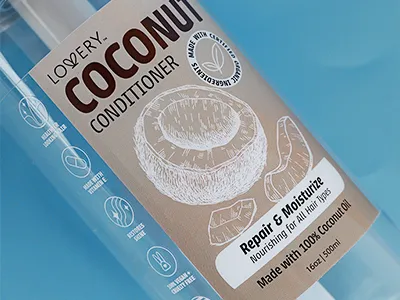
Contoured bottles with a strong shoulder or a taper are the sleeve’s home ground, because the film follows shapes a flat label cannot. Straight-walled bottles keep the choice open, and the brand’s volume and decoration goals then decide. The suitability rules below are the working defaults. The rules hold for most programs, and the exceptions announce themselves at sampling.
| Decision Factor | Roll Label | Shrink Sleeve |
|---|---|---|
| Bottle shape | Straight walls | Contours and tapers |
| Coverage | One zone | Full body |
| Tamper evidence | Separate seal | Built-in perforation |
| Short runs | Lower setup | Higher tooling |
| Long runs | Higher per-unit cost | Lower per-unit cost |
| Changeover | Fast roll swap | Tunnel retune |
- Sleeves fit contoured, tapered, and odd-shaped bottles that labels cannot follow.
- Roll labels fit straight-walled bottles and square panels cleanly.
- Short runs and multi-SKU lines favor roll labels for their fast changeovers.
- High-volume hero SKUs favor sleeves for their lower per-unit film cost.
The label size question underneath both formats starts from the same two measurements. For the reference dimensions by bottle capacity, see our article on vitamin and supplement bottle label sizes. The sleeve reads the same numbers plus the shoulder and base curves. The sleeve also changes the label math at the shoulder and the base, where a flat label never goes.
Häufig gestellte Fragen
How much do shrink sleeves cost?
Shrink sleeves are priced per unit and usually get cheaper than pressure-sensitive labels at high volume, because the film costs less than a finished label stack. The one-time items are the print plates and the sleeve tooling for the applicator. The comparison lands on total cost per filled bottle at the real volume.
How to size shrink wrap?
Size the sleeve from the bottle’s widest circumference plus a clearance allowance, and its height from the zone the print must cover. The film’s shrink percentage then determines the flat tube width before it is seamed. The sleeve maker turns those measurements into the flat film width.
What are the downsides of using shrink wrapping?
The main downsides are the extra application equipment, the heat tunnel’s energy and tuning, and a recycling story that depends on the film matching the bottle’s stream. Short runs also feel the one-time tooling more than a label program does. A sleeve program must plan for the tunnel before the first order.
Which plastic is shrinkable?
The shrinkable plastics for bottle sleeves are PVC, PETG, and polyolefin films. Each one shrinks at a different rate and temperature, and the sleeve maker picks the film that matches the bottle’s contour and the print requirements. The shrink rate also decides how tightly the sleeve hugs the contour.
What plastic is shrink wrap?
Shrink wrap and shrink sleeves are usually made from PVC, PETG, or polyolefin film. Bottle sleeves favor PETG and polyolefin for their clarity and shrink control, while PVC still appears in older programs. PETG and polyolefin cover most modern supplement programs.
How to shrink wrap a bottle?
The sleeve drops over the bottle and passes through a heat tunnel, where the film shrinks until it grips the container. The tunnel temperature and dwell time are set per bottle size, and a test run confirms the fit before production. The tunnel settings are checked per bottle size at every new run.
What is the difference between a decal and a label?
A decal is usually a decorative transfer applied once, while a label carries product information and compliance content on a permanent adhesive. The label is the information carrier, and the decal is decoration. Supplement bottles always need the label version.
How do you make sticker rolls?
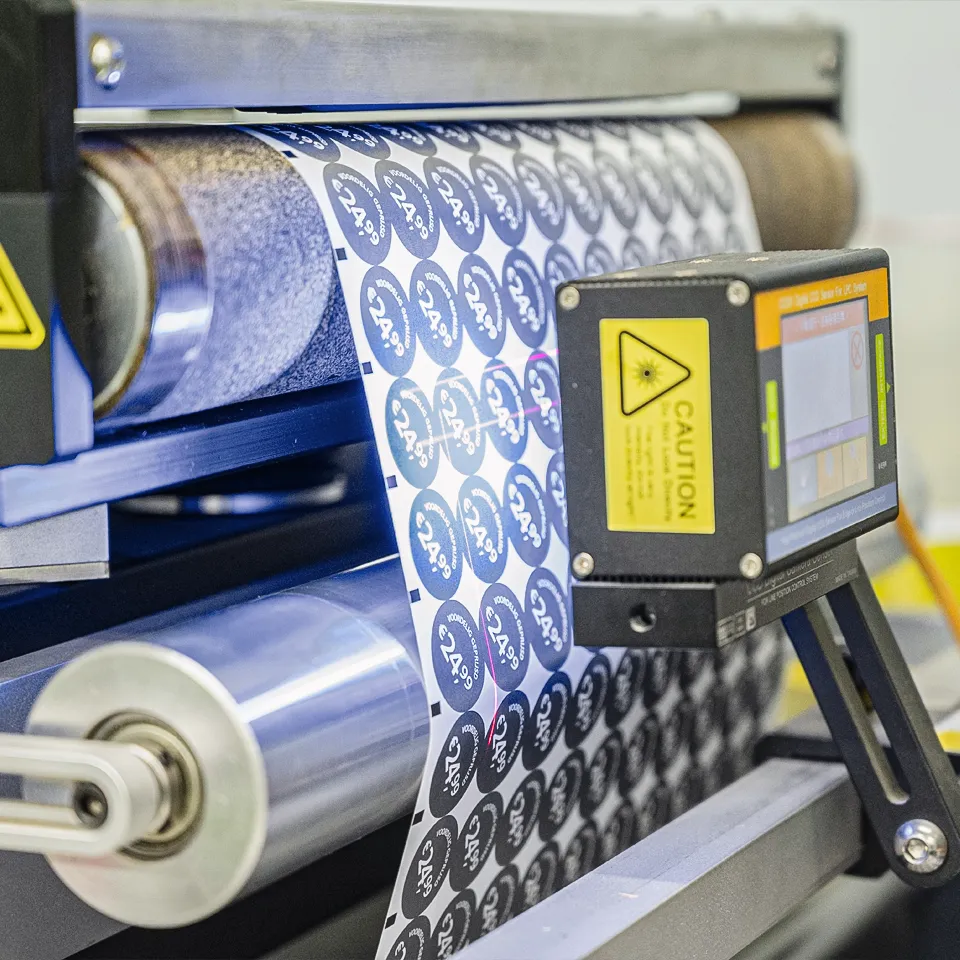
Sticker rolls print on a pressure-sensitive facestock laminated to a liner, then die-cut into individual stickers while the liner stays intact. The roll feeds an applicator that peels each sticker off the liner at speed. The liner survives the die cut so the roll feeds cleanly.
What are foil labels?
Foil labels carry metallic areas made by stamping or printing metallic ink onto the facestock. Hot foil stamps a heated metallic layer, while cold foil glues it down, and both add a premium finish to the label’s surface. The metallic layer sits on the facestock, not inside it.
Is foil printing expensive?
Foil costs more than plain print because it adds a station and, for hot foil, a metal die. The premium is per-piece, so brands reserve foil for hero SKUs and keep the rest of the range on standard print. The same discipline applies to sleeves and labels alike.
Conclusion
The label wins short runs, multi-SKU lines, and straightforward bottles. The sleeve wins contoured shapes, full-body decoration, and long runs where the film cost and the built-in tamper evidence pay for themselves.
The brand that matches the format to the bottle and the volume ends up with the better-looking, better-priced program, because the two options were never interchangeable to begin with.
For supplement brands deciding between the two formats, Meikei quotes both against the same bottle geometry, so the comparison lands on real numbers instead of format loyalty. Both formats then ride the same quality checks before the run.