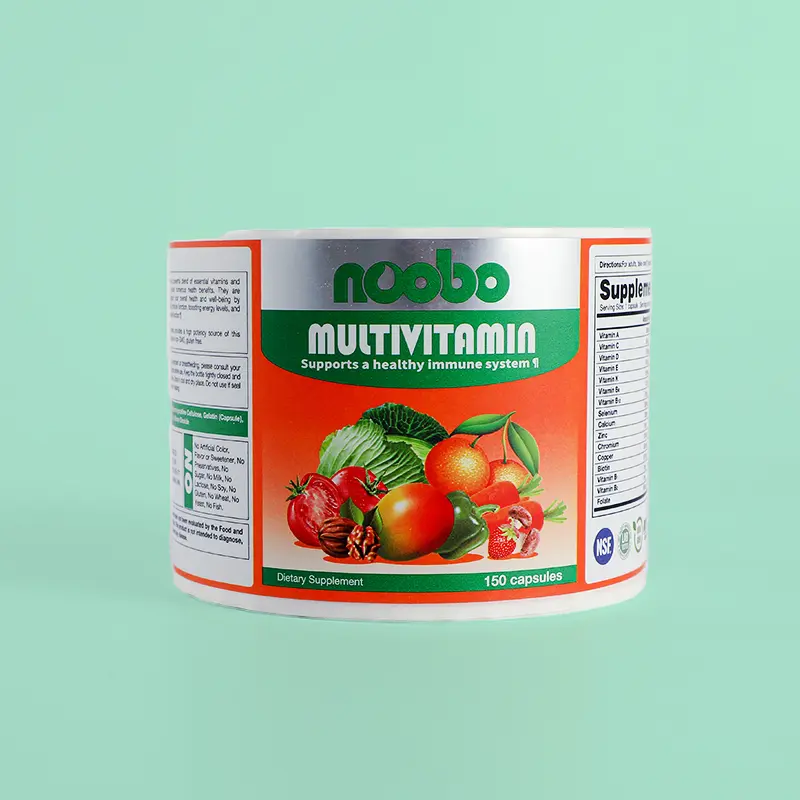
Film labels offer a durable option for packaging that faces moisture, frequent handling, or flexible surfaces. Compared with paper, film substrates such as BOPP, PE, and PET provide different levels of resistance and flexibility for everyday packaging applications.
The choice between film labels and paper labels also affects appearance, print quality, and overall packaging performance. Understanding these differences makes it easier to select a material that fits both the product and its intended use.
How Do Film Labels and Paper Labels Differ?
Choosing between film labels and paper labels comes down to matching material structural limits against your packaging’s exposure to moisture, हैंडलिंग, and branding goals.
Your packaging environment dictates the base raw materials you can deploy without risking label failure on the shelf.
Differences in Material Structure
- Base Composition: Cellulose-based fibers form porous, absorbent paper labels, while synthetic polymer resins like BOPP, PE, and PET form continuous, non-porous film labels.
- Mechanical Flexibility: Paper labels easily tear, crease, or crack when flexed, whereas film labels resist high tensile stress and stretch smoothly over contoured or squeezable packaging.
- Environmental Barrier: Moisture, तेल, and chemicals quickly weaken and stain paper fibers, but films resist water immersion, तेल, and harsh chemical exposure.
- Cost Dynamics: Paper offers the lowest upfront unit cost for dry, short-life applications, while film requires a higher initial investment for long-term durability in challenging environments.
Differences in Appearance and Surface Feel
Tactile response and visual presence directly establish how customers perceive your product’s value in a retail setting.
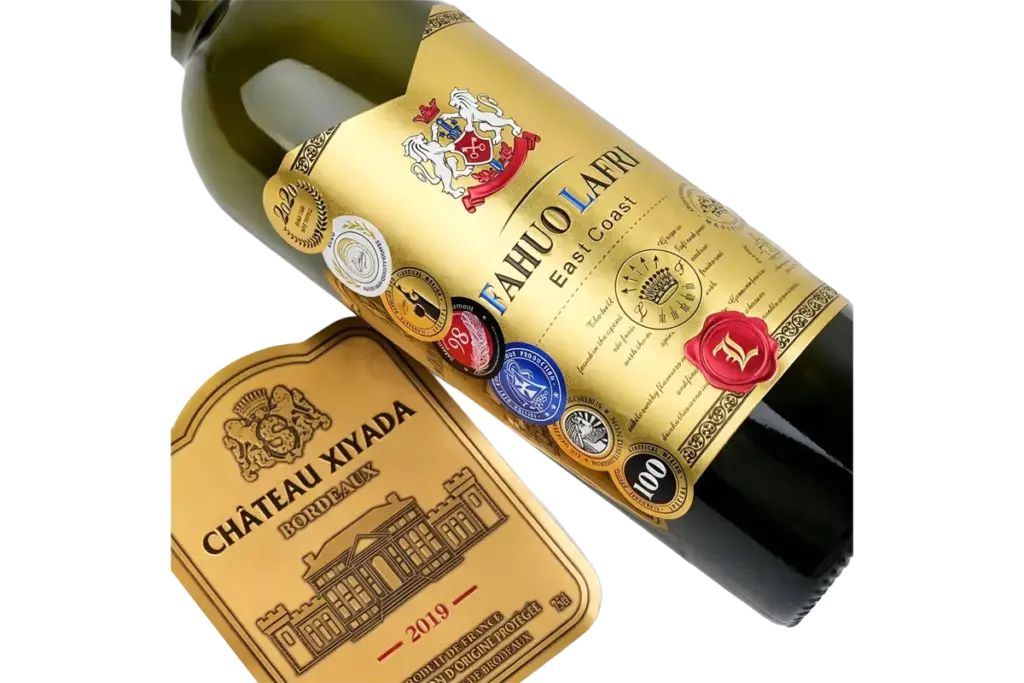
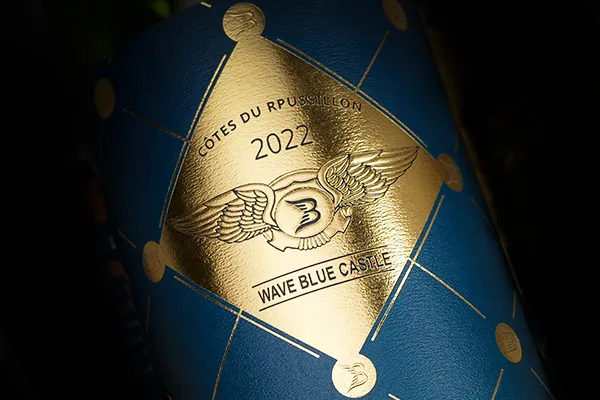
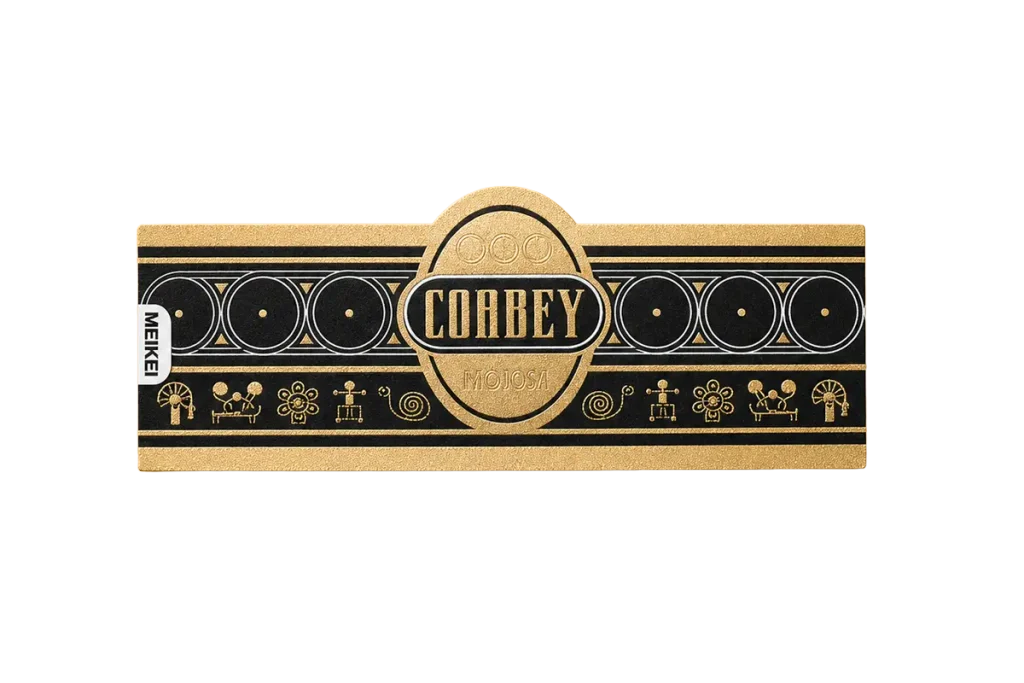
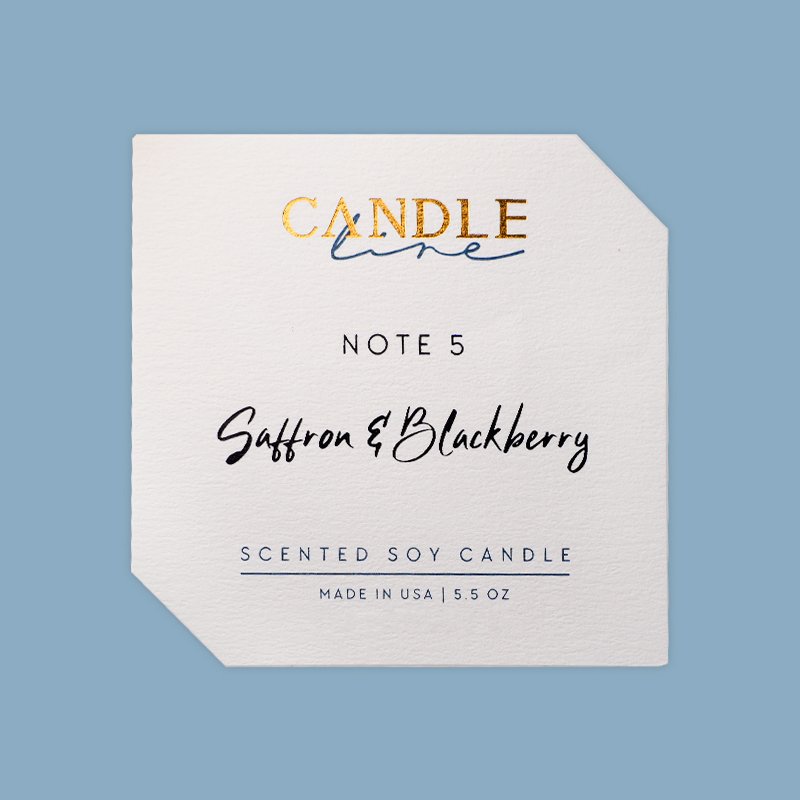
- Paper Aesthetics: Paper delivers a warm, natural, and matte aesthetic well-suited for traditional embellishments like deep embossing and foil stamping.
- Film Aesthetics: Film labels enable modern high-gloss finishes, matte looks, or transparent clear-on-clear styles that create a seamless no-label look on packaging.
- Tactile Feed: Uncoated paper leaves a dry, fibrous, and textured feel in hand, whereas film surfaces feel smooth, slick, and integrate cleanly with the underlying container.
- Market Perception: Tactile paper qualities support artisanal, organic, and heritage brand positioning, while sleek film graphics project modern, clinical, and premium brand identities.
When Are Paper Labels a Better Choice?
Brands choose paper labels over film when products remain dry indoors and require a warm, tactile texture or an eco-friendly aesthetic at a lower material cost.
When launching a dry-stored product, opting for heavy-duty plastic film can unnecessarily inflate packaging budgets. In these dry, controlled environments, paper labels serve as a highly effective and cost-efficient alternative to synthetic substrates.
Paper Labels for Natural and Premium Packaging Styles
Custom packaging must align directly with a brand’s visual identity. Synthetic film labels provide clean, modern finishes, but they often struggle to convey the authentic, handcrafted appeal of traditional materials. Paper substrates offer distinct visual advantages for organic and high-end goods:
- Matte and uncoated surfaces: Create a soft, glare-free aesthetic that visually communicates authenticity and minimal processing for organic goods.
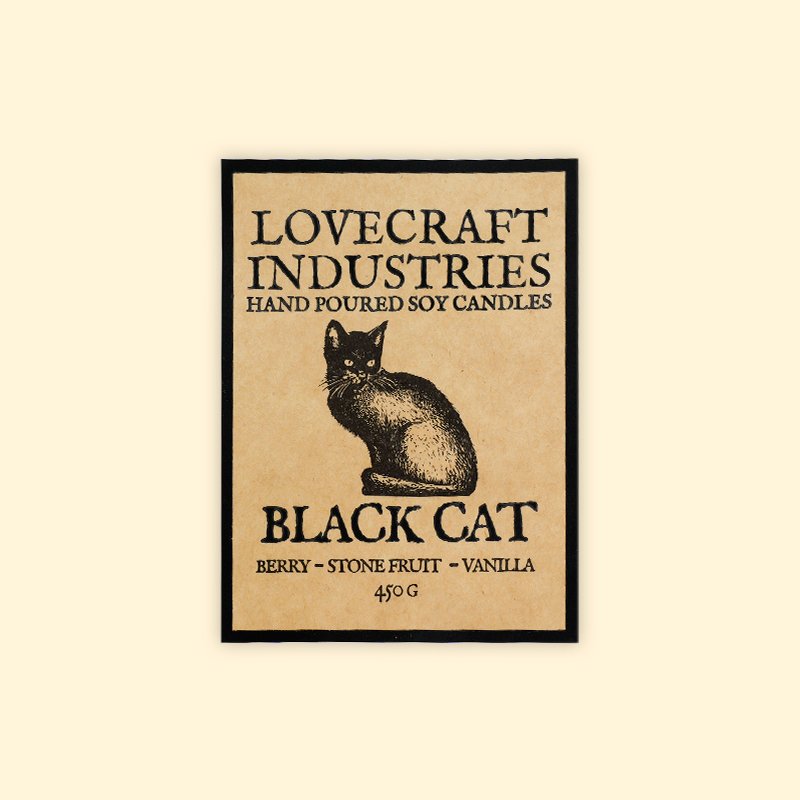
- Kraft and unbleached fibers: Offer natural, organic tones and visible textures that align with eco-friendly and handcrafted brand identities.
- Specialty tactile stocks: Enhance premium packaging with textured, felt, and estate papers, delivering a high-end, fabric-like touch on retail shelves.
- Heritage styling: Traditional paper textures support a classic, craft-oriented presentation, contrasting with the sleek, modern aesthetic of film.
Art Paper, Kraft Paper, and Textured Paper Options
Different paper stocks serve specific functional and aesthetic roles on the shelf. Matching the right stock to the product’s environmental exposure ensures optimal performance and branding:
- Art paper: Features a smooth, often coated surface that supports high-resolution graphics, vibrant colors, and detailed branding for dry goods.
- Kraft paper: Provides unbleached brown tones and rustic textures, acting as an economical option for dry, eco-positioned packaging.
- Textured and estate papers: Offer rich tactile experiences tailored for wine, आत्माओं, and luxury artisanal items in controlled indoor environments.
- Protective coatings: Applications of varnishes can improve scuff and moisture resistance on paper stocks, but they do not replicate the full durability of film.
Selecting the ideal substrate requires balancing the product’s environmental exposure with the desired brand image. When moisture and physical wear are minimal, paper stocks provide unmatched sensory appeal and economic efficiency.
Elevate Your Brand With Premium Custom Labels
When Should You Consider Film Labels?
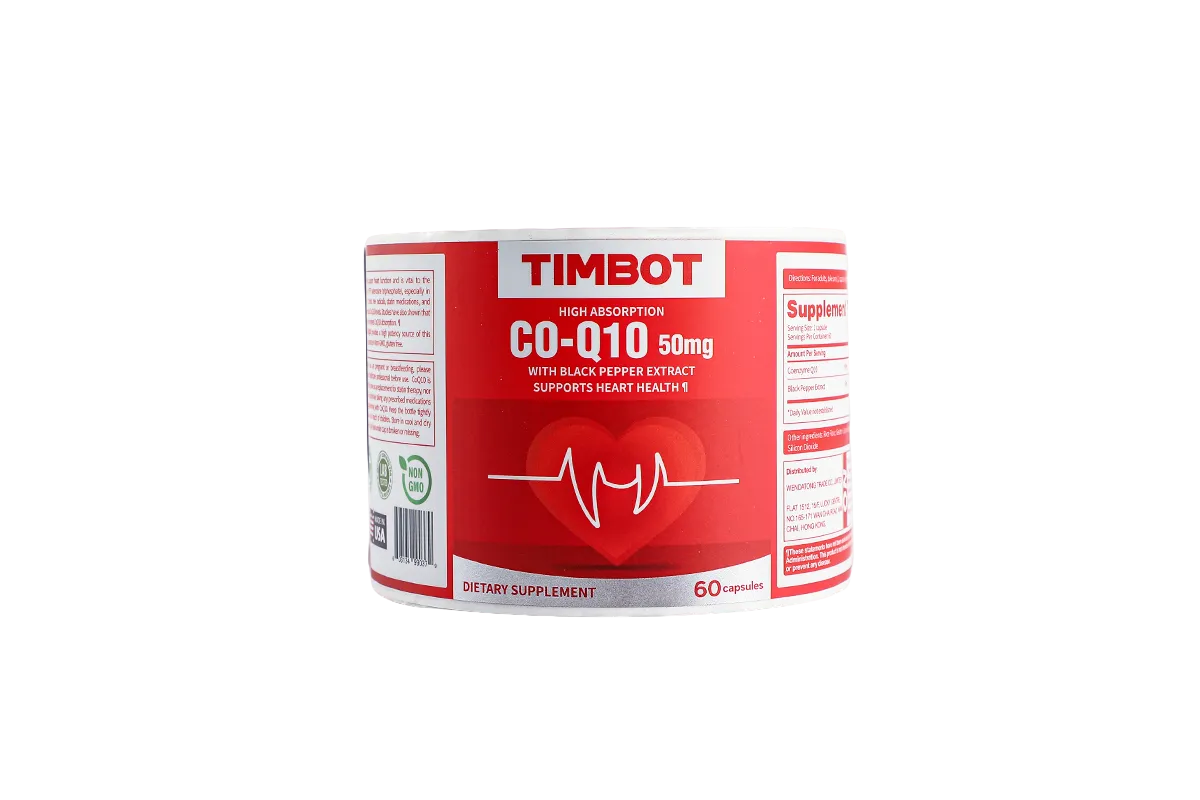
Specify film labels when your packaging faces moisture, heavy handling, freezing, or squeezing. Unlike paper, synthetic polymer films prevent wrinkling, tearing, and adhesive failure under stress.
If your product packaging faces ice baths, bathroom humidity, or constant squeezing, standard paper will quickly fail. Transitioning to synthetic film labels protects your branding and keeps regulatory details readable under extreme physical stress.
बीओपीपी, PE, and PET Label Applications
Selecting the right polymer substrate dictates how your label survives its environment. Three core synthetic materials dominate the packaging space, each engineered for distinct mechanical demands:
- बीओपीपी (Biaxially Oriented Polypropylene): This non-porous film offers exceptional moisture and oil resistance, serving as the cost-effective standard for food jars, cosmetics, and refrigerated beverage packaging.
- PE (Polyethylene): Highly elastic and conformable, this soft film stretches without cracking. It prevents label peeling or creasing on squeezable tubes and tight-radius containers.
- PET (Polyester): This stable film resists heat, रसायन, and handling, making it suitable for demanding packaging applications such as cosmetics, personal care, and beverage products.
Matching these materials to the container’s structural rigidity prevents label failures before the product even hits the retail shelf.
Film Labels for Moisture and Handling Conditions
Harsh real-world logistics and consumer use demand specific performance defenses. Synthetic substrates resist environmental degradation through four key physical properties:
- Waterproof Barrier: Non-porous synthetic materials ensure the labels do not bubble, wrinkle, or absorb liquid when exposed to condensation, rain, ice baths, or greasy product residues.
- Mechanical Durability: Extreme scuff resistance protects the surface from daily friction, high-frequency handling, and transportation wear, keeping crucial warnings and branding sharp.
- Squeeze Tolerance: Highly conformable polymer films stretch and contract with soft-touch plastic packaging, preventing edge lifting, cracking, or cosmetic warping.
- Thermal and Chemical Resistance: These robust films survive cold-chain storage down to deep-freeze levels, high-temperature hot-fills, and aggressive cleaning solvents without losing adhesion.
Deploying film labels ensures your product retains its shelf-appeal and compliance data from the packaging line to the end of its lifecycle. Selecting the appropriate polymer variant prevents premature degradation, safeguarding your brand’s physical presence in demanding markets.
How Do Film and Paper Labels Affect Printing?
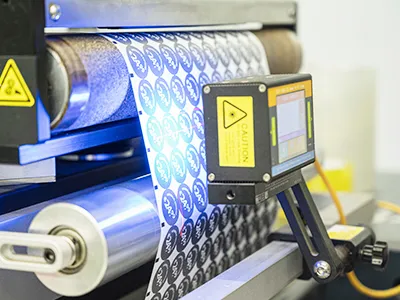
Substrate choice dictates print performance. Paper relies on capillary absorption which softens colors, while non-porous synthetic film holds ink on the surface for maximum clarity.
When designing packaging, analyzing how do film and paper labels affect printing reveals fundamentally different physical interactions. Paper and synthetic film handle ink absorption and adhesion through distinct mechanisms, dictating final image fidelity and label durability.
Print Absorption and Color Appearance on Paper
Porous cellulose fibers create a capillary matrix that actively drinks ink carrier fluids. Because paper is absorbent, the final visual output depends heavily on whether the sheet surface is coated or uncoated.
- Uncoated Paper Performance: Highly porous fibers absorb more ink, which can produce a softer, more matte appearance and affect dot gain.
- Coated Paper Performance: Coated surfaces limit ink penetration, generally supporting sharper detail, stronger color definition, and more consistent reproduction.
- Substrate Brightness: Paper brightness and base tone can vary between stocks, and these differences can affect how printed colors appear, particularly when using lighter or translucent ink areas.
This porous behavior also introduces a physical phenomenon known as the drying-back effect. As the paper fibers pull the liquid vehicle away from the surface, the overprinted colors desaturate and narrow in spectrum, leaving dried colors looking duller than the initial wet ink film.
Ink Adhesion and Color Clarity on Film
Synthetic polymer materials like BOPP, PE, and PET possess non-porous surfaces that completely reject liquid absorption. This chemical structure keeps the entire ink lay directly on the surface, yielding superior optical density and highly saturated graphics.
- Surface Energy Level: Untreated films may need corona treatment or a suitable primer to improve ink wetting and adhesion, depending on the film and ink system.
- Print Performance: Film surfaces are less absorbent than paper, which can support sharper graphics and more consistent color when properly matched with the ink system.
- Quality Verification: Production teams may use tape tests to check ink adhesion and help prevent rub-off during handling.
Applying graphics to clear film requires careful design prep, as CMYK inks are translucent. Printers must apply an opaque white ink underprint to prevent pastels and light tones from fading into the product background. Once cured, the synthetic polymer construction protects print clarity, ensuring barcodes remain scannable under heavy condensation, chemical contact, or repeated squeezing.
How Do You Choose Between Film and Paper Labels?
Should you choose between film and paper labels based on upfront cost alone, or does your production environment demand synthetic durability? Packaging line failures often trace back to this single material decision.
Matching your label substrate to environmental exposure prevents costly in-use failures. Choose film for moisture, तेल, and flexing; choose paper for dry, textured branding.
| Aspect | कागज़ के लेबल | फ़िल्म लेबल |
|---|---|---|
| Substrate | Cellulose-based fibers | Synthetic polymers (बीओपीपी, PE, PET) |
| Moisture Limit | Low; absorbs water and wrinkles | High; completely waterproof |
| Flexibility | Rigid; creases under compression | Excellent; conforms to curved containers |
Matching Material With Product Packaging
Your container geometry and storage environment dictate your label’s survival rate on the shelf. If you pair a rigid substrate with a squeezable surface, you invite immediate edge-lifting.
- Flat & Dry Surfaces: Flat cartons, dry retail packs, and shelf-stable goods pair naturally with cost-effective paper stocks.
- Squeezable Shapes: Curved, squeezable, or irregular containers require flexible film labels to conform to the shape and prevent lifting.
- Cold Storage: Refrigerated and frozen products need film labels combined with specialized cold-temperature adhesives to resist condensation.
- Wet & Oily Environments: Wet or oily packaging, such as personal care bottles and food jars, requires film to prevent label degradation and surface staining.
- No-Label Aesthetics: Clear-on-clear packaging designs rely on clear film constructions to achieve a seamless, label-free look.
Balancing Appearance, Performance, and Production Requirements
Selecting label materials is a continuous trade-off between upfront procurement costs and overall line reliability. A cheaper roll of paper labels might save capital today, but it can cause massive recall costs if the adhesive fails in a cold-chain environment.
- Brand Identity: Paper provides a textured, handcrafted, or rustic aesthetic, while film delivers a modern, glossy, or high-durability finish.
- Environmental Resistance: Film outperforms paper against water, abrasion, UV exposure, temperature swings, and chemical contact.
- Cost vs. Reliability: Paper reduces upfront unit costs for low-risk applications, whereas film prevents costly failures, peeling, and smudging in demanding environments.
- Pre-production Testing: Testing material samples on the actual container under real storage conditions avoids adhesive or substrate failures before full-scale printing begins.
Analyzing your product’s lifecycle from the packaging line to the consumer’s hands clarifies the choice. Selecting the correct substrate ensures your branding remains intact and readable throughout that entire journey.
अक्सर पूछे जाने वाले प्रश्नों
What is the difference between paper and film labels?
Paper labels use cellulose-based fiber facestocks, making them naturally porous, absorbent, and suitable for dry indoor environments. Film labels use synthetic polymers like BOPP, polyethylene (PE), or polyester (PET), which provide high resistance to moisture, तेल, रसायन, and tearing. While paper offers a warm, tactile feel at a lower price point, film provides superior durability and structural integrity for demanding environments like refrigeration or flexible packaging.
Are film labels better than paper labels?
Film labels outperform paper labels when applications require durability, moisture resistance, or stretchability. They withstand water, refrigeration, freezing, and heavy handling without wrinkling or tearing. But paper labels are often the better choice for dry, indoor applications where brands want to minimize material costs or achieve a natural, textured aesthetic, such as on premium wine bottles or dry gourmet food packaging.
When should I use film labels?
Use film labels when packaging faces water, condensation, तेल, रसायन, or freezing temperatures. They are essential for products in damp environments like bathrooms (shampoos, soaps) or coolers (beverages). You should also opt for film when labeling squeezable, curved, or flexible containers, as synthetic materials flex without cracking, or when seeking a modern, transparent look.
What are film labels made from?
Film labels consist of thin plastic synthetic facestocks. Manufacturers construct these labels using polymers like biaxially oriented polypropylene (बीओपीपी) for general packaging, polyethylene (PE) for squeezable bottles, polyester (PET) for extreme heat and chemical resistance, and polyvinyl chloride (PVC/vinyl) for heavy-duty outdoor weatherability.
Are BOPP labels waterproof?
हाँ, the BOPP film itself is waterproof and does not absorb moisture, preventing issues like wrinkling or ink bleeding. But the overall waterproof performance of the finished label depends on the entire construction. To achieve full waterproof performance, you must pair the BOPP film with a water-resistant permanent acrylic adhesive and a protective gloss or matte laminate to shield the printed inks during wet exposure or ice-bucket submersion.
What is BOPP used for in labels?
BOPP serves as the primary printable face material for self-adhesive, wrap-around, in-mold, and tamper-evident labels. Brands widely use it across food, beverage, personal care, and household chemical industries to deliver clear, white, or metallic graphics that remain intact when exposed to moisture, हैंडलिंग, and mild chemicals.
Can PET be used for product labels?
हाँ, PET is well suited to durable product labels that require good dimensional stability and resistance to heat, रसायन, and handling. It can be used for demanding packaging applications such as cosmetics, personal care products, beverages, and premium retail products.
Are paper labels suitable for bottles?
Paper labels work well for bottles kept in dry, ambient indoor conditions, such as wine bottles, spirit bottles, or dry food jars. But they do not suit bottles exposed to refrigeration, ice buckets, or high humidity unless you specify wet-strength paper with moisture-repelling varnishes and specialized condensation-resistant adhesives.
Which is better for beverage labels, paper or film?
Film works better for beverages exposed to cold temperatures, refrigeration, ice buckets, or high handling, as it prevents wrinkling and peeling. Paper works better for ambient-stored, dry beverages where you want to leverage tactile textures, premium embellishments like embossing, or a lower initial material cost.
Can film labels be embossed?
हाँ, converters can emboss film labels, particularly thicker polymers like PET, पीवीसी, or polycarbonate. Yet because plastic films possess shape memory, they tend to relax and lose the raised effect over time compared to paper or foil. For decorative packaging, manufacturers often use thermal embossing, micro-embossed holographic structures, or composite film-foil laminates to ensure the effect remains permanent.
Can paper labels have foil finishes?
हाँ, paper labels accept foil finishes exceptionally well. Hot foil stamping, cold foil printing, and metallized paper substrates allow printers to add gold, चाँदी, or holographic accents. While these finishes enhance visual appeal on luxury products, the underlying paper stock still remains susceptible to moisture unless shielded by laminates.
How do I choose between paper and film labels?
Choose paper if your product remains dry, requires a warm or textured tactile feel, and operates under strict budget constraints. Select film if your packaging faces moisture, तेल, refrigeration, or heavy physical handling, or if you need specific design features like a clear look or a highly flexible material for squeeze bottles.
अंतिम विचार
The right label material depends on where and how the packaging will be used. Paper labels can work well for dry products where texture and visual character matter, while film labels offer an advantage when packaging needs greater resistance to moisture, हैंडलिंग, or flexing.
Testing samples on the actual container can help confirm adhesion, उपस्थिति, and overall performance before production. For brands looking for custom labels, Meikei provides packaging label printing solutions with material selection, परिष्करण, sampling, and mass production handled through one integrated service.