Sourcing eco-friendly labels often introduces severe production bottlenecks when low-tensile recycled fibers tear on high-speed lines or fail under wet retail conditions. Choosing the wrong combination of face stock and adhesive directly threatens your packaging line efficiency and container recyclability.
This analysis benchmarks post-consumer recycled papers, agricultural fibers, and recycled films against demanding commercial application standards. We evaluate material tensile strength, moisture resistance, and adhesive chemistry to help you secure a durable, circular packaging system.
What Materials Are Used to Make Eco-Friendly Labels?
Selecting the right eco-friendly labels requires matching recycled papers, alternative plant fibers, or bio-based films directly to your packaging’s specific disposal pathway.
| Material Category | Key Composition | Best Applications |
|---|---|---|
| Recycled Paper | 30% to 100% PCW fibers, chlorine-free | Dry goods, logistics, multi-purpose |
| Agricultural Fibers | 95% sugarcane bagasse, grass, hemp | Artisanal foods, gourmet, bio-packaging |
| Natural Kraft | Unbleached recycled fiber, 30–120 g/m² | Rustic branding, शिपिंग, मोमबत्तियाँ |
| Recycled Films | rPE or rPP resins | Moist/oily goods, cosmetics, chilled drinks |
Recycled and Paper-Based Label Materials
We divide core paper facestocks by their post-consumer waste (PCW) percentages. While 100% recycled papers offer excellent environmental metrics, high-speed application lines often demand specific fiber blends to prevent tearing.
- 100% PCW Recycled Papers: These serve as white matte, direct thermal, and semi-gloss labels for shipping and multipurpose uses.
- 30% to 40% PCW Blends: Blending recycled fibers with virgin pulp helps maintain the high tensile strength, brightness, and smooth printing surfaces required for modern application lines.
- FSC-Certified Fibers: These guarantee responsible forest management and use chlorine-free bleaching techniques to eliminate toxic run-off.
- Alternative Plant Fibers: Tree-free, highly biodegradable options include 95% sugarcane bagasse, fast-growing grass, and repurposed coffee bags.
- Recycled Plastic Films: Materials like rPE and rPP offer durable, moisture-resistant alternatives for squeeze bottles and chilled products without using virgin petroleum.
These structural choices prove that sustainability does not require sacrificing mechanical performance. Choosing the right PCW tier depends entirely on whether your label must survive high-speed automated dispensers or exposure to wet environments.
Kraft and Specialty Paper Options
For brands aiming to communicate their environmental values instantly, the tactile feel of natural fibers replaces the need for heavy graphics. Uncoated kraft and textured specialty papers provide a raw, premium look.
- Natural Brown Kraft: Typically features uncoated, biodegradable fibers ranging from 30 to 120 g/m² for lightweight or robust packaging applications.
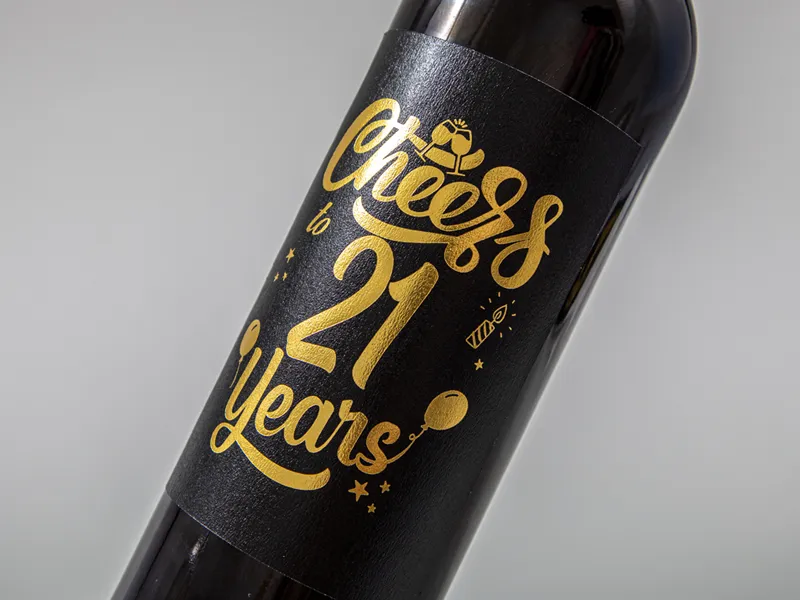
- Textured Recycled Papers: Felt-finish papers containing 30% PCW provide a premium, tactile aesthetic for luxury foods, wines, and spirits.
- Wet-Strength Specialty Papers: These papers prevent tearing and peeling in wet or refrigerated environments.
- Eco-Kraft Barrier Systems: Specialty self-adhesive eco-kraft and bleached barrier options pair natural-looking facestocks with wash-off or biodegradable acrylic adhesives.
Because the kraft pulping process relies on fewer chemicals than conventional bleaching, mills easily recover and reuse processing agents. Pairing these natural facestocks with wash-off or biodegradable acrylic adhesives ensures the entire packaging system recycles or composts cleanly.
Can Eco-Friendly Labels Be Made From Recycled Materials?
हाँ. Modern label manufacturing utilizes post-consumer waste, agricultural byproducts, and recycled films to construct high-performing eco-friendly labels without sacrificing retail aesthetics.
Can you switch your packaging to eco-friendly labels made from recycled materials without sacrificing the clean, bright look your customers expect?
The short answer is yes. Today, the label industry routinely replaces virgin wood pulp and synthetic resins with waste materials. Brands no longer have to choose between functional durability and environmental responsibility, provided they match the right face stock and adhesive to their specific application.
Post-Consumer and Recycled Paper Options
Label manufacturers use both post-consumer waste (PCW) and post-industrial waste (PIW) to replace raw, virgin wood fibers. These materials provide a second life to waste streams and reduce reliance on timber. Depending on your packaging goals, several options fit different production requirements:
- Baseline 30% PCR Coated Papers: White, machine-coated, semi-gloss papers designed to match standard retail aesthetics. These allow high-volume retail brands to introduce recycled content without altering their existing packaging design.
- High-Performance 100% PCR Options: Uncoated white stocks used for heavy-duty shipping labels, rustic brown kraft materials, and ultra-white wet-strength papers specifically engineered for chilled bottles.
- Alternative Non-Wood Materials: Materials utilizing sugarcane bagasse (an agricultural byproduct consisting of roughly 95% sugarcane fiber) or recycled plastic films like recycled polypropylene (rPP) to support non-paper circular packaging goals.
- Matching Sustainable Liners: Backing assemblies made with 100% post-consumer waste or curbside-recyclable papers, ensuring that the waste-reduction benefits apply to the entire label construction.
Balancing Recycled Content With Label Appearance
Choosing the percentage of recycled content requires a clear understanding of your brand’s visual identity. While a higher recycled percentage lowers resource consumption, it also alters the face stock’s texture and color profile.
- Aesthetic Differences: ए 30% post-consumer recycled (PCR) stock maintains a bright, clean white surface. Stocks with 50% to 100% PCR often feature visible fiber flecks, natural speckling, and warmer, slightly muted organic tones.
- Surface Coatings and Chemistry: Printers apply machine coatings, specialized varnishes, and wet-strength chemistry to high-PCR stocks. This ensures the labels survive moisture-heavy environments like ice buckets or refrigerators without ink degradation.
- Earthy Graphic Design: Designers can leverage natural imperfections, un-laminated textures, and earthy colors to highlight brand authenticity. This strategy turns raw paper attributes into positive visual cues of sustainability.
- Third-Party Validation: Using FSC® Mix Credit and 100% PCR designations substantiates environmental claims, framing these natural visual variations as premium eco-friendly traits.
Elevate Your Brand With Premium Sustainable Labels
Are Eco-Friendly Labels Suitable for Different Product Packaging?
Eco-friendly labels perform reliably across food, beverage, and beauty packaging, provided you match the material and adhesive to the specific environment and container.
Choosing the wrong adhesive or face stock can ruin your entire sustainable packaging strategy. Are eco-friendly labels suitable for different product packaging types, or do they fail under real-world moisture, heat, and oil? High-performance sustainable options are fully compatible with diverse packaging types, but success relies on matching the label’s material properties to the package’s exposure conditions.
Food and Beverage Packaging Applications
Food and beverage packaging requires materials that can handle anything from ambient dry storage to extreme cold. Different environments demand targeted material builds to maintain both brand appeal and structural integrity.
- FSC-certified papers and natural kraft: These materials provide a rustic, tactile aesthetic ideal for dry food, pantry products, and artisanal gift packs.
- Wet-strength recycled papers and rPET films: These options ensure stable adhesion in cold, condensation-heavy, or oily environments like refrigerators and ice buckets.
- Clear rPET and bio-based PE films: These materials deliver a premium, transparent “no-label look” for spirits, juices, and specialty glass bottles.
- Wash-off adhesives: Paired with compatible film-to-bottle materials, these adhesives facilitate clean container recycling and circular reuse systems.
By selecting the right barrier coatings and adhesive chemistry, brands can deploy fiber or recycled plastic labels without worrying about wrinkling, peeling, or degrading on the shelf.
सुंदरता, Candle, and Gift Packaging Applications
Cosmetics and specialty gift packaging face intense physical handling and exposure to chemical agents like oils and surfactants. The labels must maintain their premium appearance throughout the entire product lifecycle.
- Durable recycled films (rPE and rPP): These films maintain adhesion and print quality when exposed to oils, surfactants, and moisture in bathroom environments.
- FSC-certified papers and textured sleeves: These substrates offer an artisanal, eco-friendly aesthetic for candle boxes and craft gift packaging.
- rPET and bio-based PE films: These structures provide the heat and oil resistance required for direct labeling on glass or metal candle vessels.
- Compostable paper-like films: These serve as an excellent option for short-life promotional beauty samples, seasonal gifts, and event packaging.
Choosing the correct substrate ensures that sustainable beauty and luxury packaging feels premium to the touch while fully supporting the container’s circular recycling or composting pathway.
How Do Eco-Friendly Label Materials Affect Printing and Finishing?
Switching to eco-friendly label materials alters ink absorption, texture, and heat tolerance, requiring calibrated press adjustments to preserve print sharpness and premium finishing quality.
Understanding how eco-friendly label materials affect printing and finishing is critical for brands transitioning to sustainable packaging. Standard press setups often run into immediate compatibility issues when handling alternative fibers, as raw material physics dictate the final visual outcome.
Surface Characteristics and Print Appearance
Swapping standard plastic or bleached virgin paper for sustainable alternatives changes how inks interact with the surface. Substrate density and texture dictate whether graphics remain crisp or bleed into the fibers.
- Smoother, Coated Sustainable Stocks: These materials deliver sharp details, strong color density, and consistent runnability on modern printing equipment.
- Uncoated and Recycled Papers: Textured surfaces and high ink absorbency pull the ink deeper into the substrate, which softens colors and reduces final image sharpness.
- Natural Material Variations: Shifts in base material brightness, white points, and visible fiber flecks can alter color reproduction compared with standard bleached papers.
Applying protective varnishes or aqueous coatings improves scuff and rub resistance on textured eco-friendly substrates. This approach secures the design without relying on heavy plastic laminates that compromise the end-of-life recycling process.
Foiling, एम्बॉसिंग, and Other Finishing Options
Premium decoration remains highly viable on sustainable substrates, but physical differences in the material require modified finishing techniques to prevent application failures.
- पन्नी मुद्रांकन: Traditional foiling works well, but rough or porous surfaces require specific adhesives and precise heat-tolerant settings to ensure a clean release.
- Embossing and Debossing: These mechanical finishes are highly compatible because they physically reshape paper fibers without adding extra non-recyclable components.
- Spot UV and Gloss Coatings: These options provide localized protection and strong visual contrast while maintaining the overall recyclability of the package.
- Bio-Based Barrier Layers: These thin coatings offer reliable moisture protection and scuff resistance with lower material intensity than traditional heavy laminates.
Always run press proofs to test ink adhesion, coating compatibility, and physical folding performance on the exact eco-substrate. Testing before final production prevents unexpected cracking, peeling, or registration issues on the packaging line.
How Should Brands Choose Materials for Eco-Friendly Labels?
Selecting materials for eco-friendly labels requires a systematic look at how the entire packaging unit behaves at its end of life. Brands often focus solely on the face stock, but a mismatched adhesive or liner can easily derail recycling compatibility.
Brands must select eco-friendly labels by matching the face stock, गोंद, and ink directly to the container’s exact recycling or composting pathway to prevent system contamination.
Matching Materials With Packaging Requirements
A label never exists in isolation. It must function as a single, unified system with the container, ensuring that clean material recovery remains possible during reprocessing.
- Disposal Route Alignment: You must align the label face stock, गोंद, and ink system with the package’s specific disposal route to preserve overall recyclability, compostability, or reuse potential.
- Container Compatibility: Verify label compatibility with established container recycling processes, especially for PET, HDPE, and PP packaging systems where contamination halts recovery.
- Environmental Performance: Evaluate physical application environment factors like moisture, तेल, cold temperatures, or shipping abrasion to select durable, functional substrates.
- Substrate Selection: Choose eco-friendly substrates such as recycled-content paper, tree-free fibers, or bio-based films that fit the performance needs of the container.
Reviewing Material Samples Before Production
Theoretical compatibility often falls apart on the factory floor. Physical trial runs prevent adhesive failures and compliance penalties before scaling up production.
- Adhesion Testing: Test label samples directly on the actual production packaging substrate to verify secure, lasting adhesion under real tension.
- Real-World Simulation: Simulate distribution conditions to confirm the label maintains print quality, barcode legibility, and physical integrity during transport.
- Certification Verification: Verify third-party certifications for recycled content, recycling compatibility, or compostability on the completed label construction.
- Total Cost Analysis: Assess the total cost of ownership by balancing upfront material prices against downstream application reliability and compliance costs.
Taking these testing steps ensures the selected materials perform reliably during high-speed application while maintaining the packaging’s environmental integrity.
अक्सर पूछे जाने वाले प्रश्नों
What are eco-friendly labels made from?
Eco-friendly labels utilize renewable, recycled, biodegradable, or compostable materials. Common selections include post-consumer recycled (PCR) कागज़, agricultural byproducts like sugarcane bagasse, and bioplastics like PLA or cellulose-based films.
Manufacturers pair these sustainable facestocks with compostable or recycle-compatible acrylic adhesives and low-impact, water-based or vegetable inks to preserve the environmental integrity of the entire packaging system.
Are paper labels more eco-friendly than plastic labels?
Paper labels generally yield a lower carbon footprint and deplete fewer non-renewable resources than plastic labels on a gram-for-gram basis. They offer an excellent baseline for dry, ambient packaging environments.
But plastic labels often perform better when matched to the container’s specific polymer family, such as a polyolefin label on a polyethylene bottle. This material alignment prevents recycling contamination and ensures cleaner material recovery during industrial processing.
Are eco-friendly labels suitable for food packaging?
हाँ, eco-friendly labels are suitable for food packaging provided they meet strict food-contact safety regulations. They must carry certified approvals under FDA 21 CFR 175.105 or EU Regulation EC 1935/2004.
Brands commonly apply certified compostable label systems and low-migration inks directly to fresh produce, dry goods, and other sensitive food contact surfaces without risking chemical migration.
Can sustainable labels have foil finishes or be embossed?
हाँ, sustainable labels can incorporate high-end embellishments like foil finishes or embossing. Mechanical embossing is highly compatible with eco-friendly designs because it physically deforms the paper fibers to create tactile depth without introducing plastic laminates or heavy ink layers.
For metallic elements, brands can employ ultra-thin compostable transfer layers or liquid metallization technologies. These options deliver premium aesthetics while ensuring the label remains compliant with recycling or composting standards.
How can brands avoid greenwashing with labels?
Brands can prevent greenwashing by making specific, narrow, and substantiated environmental claims instead of using vague marketing buzzwords. They should rely on independent, third-party certifications like FSC or EN 13432 to prove their sustainability claims.
Providing clear, visible consumer guidance on disposal pathways—such as separating the label or explaining where the material is curbside recyclable—ensures transparency and builds long-term consumer trust.
अंतिम विचार
Cheap, uncertified label materials often save pennies upfront but fail on automated application lines or peel in damp environments, damaging your retail presentation. Adhering to our Quality Factory Standard ensures your packaging maintains high tensile strength and print clarity while matching your container’s recycling stream.
We recommend requesting a material sample kit to evaluate our recycled papers, agricultural fibers, and eco-friendly films under your specific production conditions. Testing these substrates on your actual containers helps verify adhesive performance and ink adhesion before making a larger inventory commitment. Our technical team can assist you in configuring customized OEM specifications that align with your performance and sustainability targets.