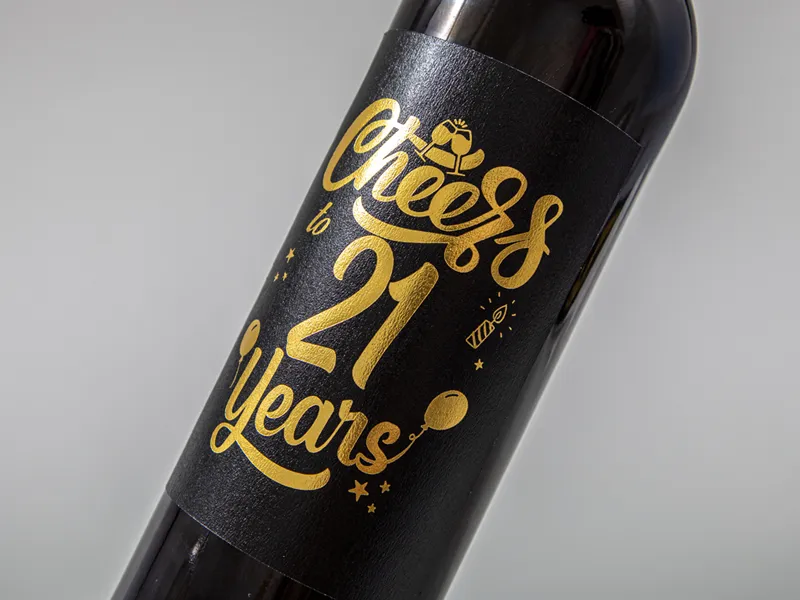
Evaluating foil labels vs traditional labels sourcing often forces packaging teams to choose between premium shelf standout and high upfront tooling fees that threaten early margins.
This guide compares foil labels with regular labels across उपस्थिति, production methods, cost, सामग्री, and common packaging applications, helping you choose a finish that fits your product and budget.
What Makes Foil Labels Different from Regular Labels
How do you make a product stand out on a crowded retail shelf when every competitor uses standard paper packaging? Many premium brands solve this by switching to foil labels, which immediately signal high-end positioning to passing shoppers.
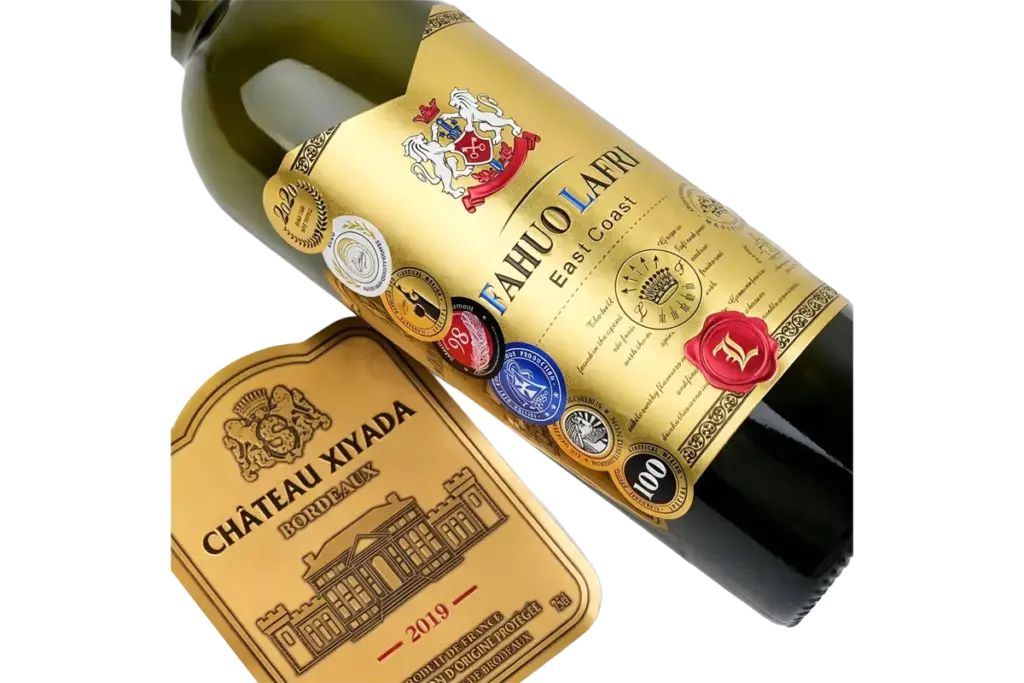
Foil labels can incorporate a metallic foil layer or metallized substrate to create reflective effects and a more premium appearance.
Material Structure and Metallic Composition
Standard label printing relies on plain cellulose or synthetic polymer bases. Foil construction, on the other hand, relies on a multi-layer composition to achieve its reflective properties.
- Core Construction: Foil labels integrate a thin metallic or pigmented aluminum layer over a paper or synthetic film facestock, while regular labels use non-metalized paper or standard polymers.
- Substrate Variations: Foil labels require specialized metalized film or laminated foil paper, whereas regular options rely on standard paper or synthetic films with matte or gloss varnishes.
- Metallic Layering: The underlying reflective layer typically features aluminum deposited or laminated onto paper or synthetic film, or transferred via stamping techniques.
Visual Impact and Tactile Contrast
Standard prints communicate through flat color and graphic layout. Foil modifications alter how light and touch interact with the product packaging.
- Reflective Finish: Foil options deliver a mirror-like reflective finish in gold, चाँदी, होलोग्राफिक, or tinted shades, contrasting sharply with the flat ink finishes of standard prints.
- Tactile Depth: Hot foil stamping creates a strong metallic finish, while embossing or debossing can be added separately to give selected areas more physical depth.
- Standard Design Limits: Regular labels rely entirely on flat color, standard graphics, or spot varnishes, completely lacking metal-based reflectivity.
Manufacturing Complexity and Printing Techniques
Producing a metallic label requires specialized mechanical processes. Standard runs bypass these steps, printing inks directly onto the face stock in a continuous path.
- Hot Stamping Staging: Hot foil stamping requires high-temperature metal dies and separate passes for each color, while standard printing runs continuously without custom metal tooling.
- Cold Foil Inline Stamping: Cold foil processes apply foil inline using adhesive and UV curing on flat, smooth surfaces, presenting a faster, die-free alternative to traditional stamping.
- Pre-Metalized Stock Options: Printers can utilize pre-metalized facestocks, printing inks selectively over the metallic base to leave designated reflective knockouts.
Cost Dynamics and Setup Economics
Upfront tooling and premium raw materials alter the financial layout of a print run. Standard labels keep setup fast and simple, while decorative metals require careful volume planning.
- Tooling Expenses: Custom dies and intensive setup routines for hot foil stamping drive up initial tooling costs, making them better suited for high-volume orders.
- Material Cost Index: Foil production incurs higher per-unit material costs due to foil webs or specialized metalized film stocks, whereas plain paper or film labels remain highly cost-effective.
- Setup Optimization: Inline cold foil and pre-metalized facestocks lower setup costs, providing an economical metallic option for short-to-medium runs.
Performance, Conformability, and Packaging Applications
Physical durability and structural stiffness determine how a label performs on a container. Choosing between decorative metals and traditional synthetics depends entirely on your product’s environment.
- Conformability Profile: The addition of a metallic layer can increase facestock stiffness, making non-metalized film labels more conformable for squeezable bottles or tight curves.
- Brand Positioning: Foil labels serve as prime brand signals for luxury goods, cosmetics, and craft spirits to emphasize premium pricing and shelf presence.
- Industrial Pragmatism: Regular labels excel in industrial, logistical, and high-durability environments where readability, compliance, and lower unit costs take priority.
Understanding these structural, visual, and economic boundaries allows packaging teams to deploy foil accents where they yield the maximum return on shelf presence.
Foil Labels Printing Methods Compared
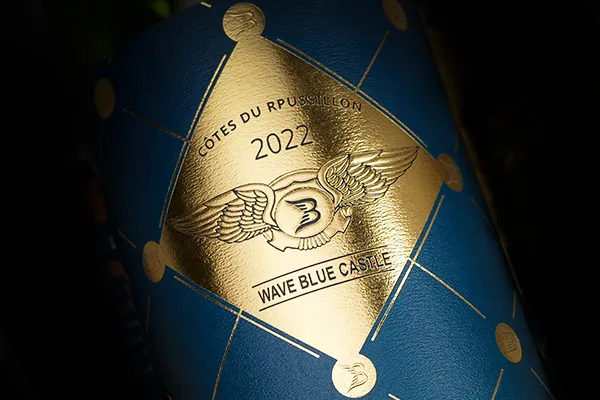
Choosing between hot, cold, and digital foiling depends on your run volume, substrate texture, and tactile requirements to balance tooling costs with premium visual impact.
Selecting the wrong foil labels printing methods can ruin your packaging budget and compromise your brand’s shelf appeal. Each technique has distinct limits regarding press speeds, टूलींग लागत, and material compatibility.
Hot Foil Stamping for Premium Tactile Appeal
Hot foil remains the classic standard for luxury goods. Brand owners choose this process to establish premium positioning on high-end packaging.
- Mechanism: Uses a heated metal die and pressure to transfer a metallic layer from a carrier film to the substrate.
- Aesthetic Effect: Creates a deep, mirror-like metallic shine that easily combines with embossing for a tactile raised effect.
- Material Compatibility: Works on rough or textured materials, including premium wine and spirits stocks that cannot accept cold foil.
- Tooling Requirements: Requires custom metal tooling which increases initial setup costs, making it most economical for stable, medium to long runs.
While the initial setup is slow, the exceptional mirror finish and tactile depth justify the tooling investment for established products.
Cold Foil Printing for High-Speed Inline Production
When printing millions of prime labels, speed and cost efficiency dictate the method. Cold foil integrates directly with high-speed press runs.
- Mechanism: Transfers foil inline on flexographic or offset presses using a UV-curable adhesive printed in the image shape.
- Aesthetic Effect: Produces a flatter, satin metallic appearance that supports fine lines, halftone gradients, and direct color overprinting.
- Material Compatibility: Requires exceptionally smooth substrates like filmic materials or gloss papers to ensure uniform adhesive coverage.
- Tooling Requirements: Uses standard printing plates instead of metal dies, offering high production speeds and economical high-volume runs.
This method eliminates the need for expensive metal dies, making metallic elements highly accessible for mass-market consumer goods.
Digital Foil for Short Runs and Variable Data
E-commerce and localized campaigns require physical agility. Digital foiling bypasses the mechanical constraints of traditional printing plates.
- Mechanism: Bonds foil selectively to toner or digital adhesive under heat and pressure, bypassing mechanical dies and plates.
- Customization: Enables variable data printing, allowing customized metallic graphics, names, or codes on a single run.
- Production Agility: Supports fast digital design changes with minimal setup costs, though overall running speed is limited by digital press parameters.
- Best Use Cases: Serves as an ideal method for product prototypes, limited-edition runs, and small-batch e-commerce labels.
This digital workflow allows brands to test new markets or run personalized promotions without incurring upfront die expenses.
Key Comparison Metrics: Cost, Substrate, and Speed
To select the right process, you must weigh these three variables against your project’s specific constraints. Hot foil leads in luxury depth and textured paper compatibility, but physical dies represent a high initial cost barrier. Cold foil maximizes throughput speed on high-volume runs of filmic packaging, though it cannot achieve a raised tactile effect in one pass. For short runs and customization, digital foil offers unparalleled agility, but it cannot match the raw inline speed of cold foil presses.
Elevate Your Brand With Premium Foiling

Benefits of Foil Labels for Premium Products
Foil labels can strengthen the premium appearance of products by adding metallic contrast, reflective detail, and a more distinctive finish to the overall package.
Why do some products instantly command higher prices while others sit ignored on the shelf? The answer often lies in packaging details, specifically how you use foil labels for premium products to capture consumer attention and communicate quality at a glance.
Elevated Brand Perception and Premium Positioning
Launching a high-end product line requires visual signals that immediately justify an upscale price tier.
- Perceived Value Boost: Can strengthen perceived product value by creating a more distinctive and premium visual impression.
- Prestige Finishes: Associates items with luxury using high-end gold, चाँदी, rose gold, or holographic finishes.
- Margin Support: Allows brands to command higher pricing without the cost of fully redesigning packaging containers.
- Craftsmanship Cues: Builds consumer trust by communicating meticulous attention to detail.
This immediate psychological lift changes how buyers negotiate price in their minds before they even make physical contact with the container.
Superior Shelf Standout and Light-Reflecting Visual Power
In crowded retail environments, visual friction is your best asset to disrupt standard consumer scanning habits.
- Ambient Light Reflection: Catches retail lighting to produce visual depth, shimmer, and contrast that standard paper labels lack.
- Pattern Disruption: Adds reflective contrast that can help key design elements stand out more clearly on crowded retail shelves.
- Design Hierarchy: Draws instant focus to high-priority elements like logos, brand names, or limited-edition claims.
- Brand Recall: Enhances memory retention with a highly distinctive, reflective metallic finish.
Reflective foil can interact with store lighting to create contrast and draw attention to selected elements of the package.
Excellent Durability and Functional Performance
Premium packaging must look as pristine in the consumer’s hand at home as it did on the retail shelf.
- Environmental Resistance: Resists moisture, fading, and scuffing throughout the entire product life cycle.
- Thermal Stability: Withstands extreme cold and high temperatures, making aluminum foil labels highly reliable for chilled beverages, frozen foods, and cosmetics.
- Substrate Adhesion: Bonds securely to glass, plastic, metal, and textured paper without edge lifting or bubbling.
Protecting the integrity of the design under real-world conditions preserves the premium brand experience over months of use.
Advanced Design Versatility and Security Customization
Foil is no longer restricted to simple borders; modern printing processes allow deep integration with complex graphic designs.
- Color Overprinting: Integrates with digital and offset printing for detailed custom color gradients over metallic bases.
- Tactile Dimension: Combines with embossing and debossing to deliver a multi-sensory premium touch.
-
Design Enhancement: Combines with customized patterns, variable data, or security features for product identification and anti-counterfeiting.
Merging tactile depth with custom color layers makes duplication incredibly difficult for counterfeiters targeting your inventory.
Cost Differences Between Foil and Standard Labels
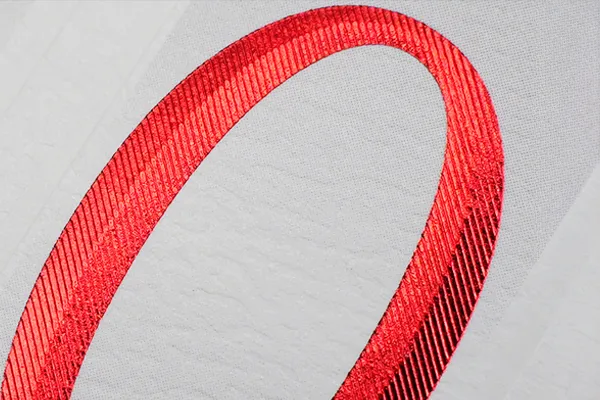
When evaluating the cost differences between foil and standard labels, procurement teams often clash with brand designers over upfront tooling investments versus expected retail performance.
Foil labels generally cost more than standard labels because of specialized materials, additional finishing processes, and, for hot foil stamping, custom tooling.
Baseline Unit Cost Comparison
Standard packaging runs establish a highly predictable budget baseline. Adding metallic elements shifts the baseline because raw material components and production complexities change.
-
Standard Paper and Film Labels: Generally offer the lowest unit cost when using common materials and standard printing processes.
-
Foil Labels: Typically cost more because of metallic substrates, foil application, additional finishing, or custom tooling.
-
The Premium Multiplier: The cost difference is usually more noticeable on short runs and can narrow as production volume increases.
While these margins seem wide, the financial gap closes quickly once you factor in order volumes and structural printing setups.
Setup, Tooling, and Application Method Impacts
The mechanical process you select to apply your metallic elements dictates your initial capital expenditure. Traditional methods require physical hardware, while modern alternatives leverage chemical adhesives to lower entry barriers.
- Hot Foil Stamping: Demands custom brass or copper dies, adding hundreds of dollars in upfront tooling fees.
- Cold Foil Printing: Applies foil inline using UV-curable adhesives, bypassing metal dies and optimizing efficiency for high-volume runs.
- Synthetic Silver Alternatives: Avoid traditional stamping setups entirely by using metallic-effect substrates to simulate the look of foil.
Choosing cold foil or synthetic bases shifts the budget from fixed setup costs to variable material expenses, altering the scaling dynamics of your print job.
Material Facestocks and Foil Coverage
Raw material costs form the foundation of any print estimate. Moving from a standard substrate to a specialized metallic face stock changes your starting price point before the press even spins.
- Premium Substrate Upgrades: Shifting to metallized paper or metallic PET increases raw material expenses over basic paper or films.
- Special Gold Foil Paper: Using gold foil paper increases material costs compared to standard stocks, with the difference varying by grade, finish, and volume.
- Design Coverage: Intricate patterns and heavy foil coverage force presses to run slower, which increases material waste and final unit pricing.
To keep costs manageable, smart designers treat foil as a surgical accent rather than a background wash.
Volume and Scale Factors
The pricing of custom labels varies significantly with order volume, and foil finishing can make this difference more noticeable because setup and tooling costs are spread across the total number of labels produced.
- Low-Volume Foil Runs: Small orders tend to have a higher unit cost because setup, tooling, and material preparation are spread across fewer labels.
- High-Volume Foil Runs: As order quantities increase, fixed setup costs are distributed across more units, which generally reduces the average cost per label.
- Incremental Addition: When a foil accent is added to an existing high-volume production run, the additional cost depends on foil coverage, सामग्री चयन, finishing method, and total quantity.
As production volume grows, the impact of fixed setup costs becomes smaller, making foil finishing more cost-efficient for brands producing larger quantities.
Cost Optimization and ROI Strategies
Achieving a premium aesthetic does not require unlimited capital. Strategic engineering allows brands to leverage the psychology of metallic packaging without overextending their unit costs.
- Strategic Accent Placement: Restricting foil to high-impact elements like brand logos or borders reduces material consumption while preserving shelf presence.
- Size Standardization: Using identical label dimensions across different SKUs lets you reuse costly stamping dies, eliminating redundant tooling fees.
- Shelf Performance Lift: Higher upfront packaging costs often pay for themselves through documented retail sales growth driven by premium shelf cues.
Balancing physical material costs against consumer perception remains the key to maximizing your label design’s financial return.
How to Choose the Right Label Finish
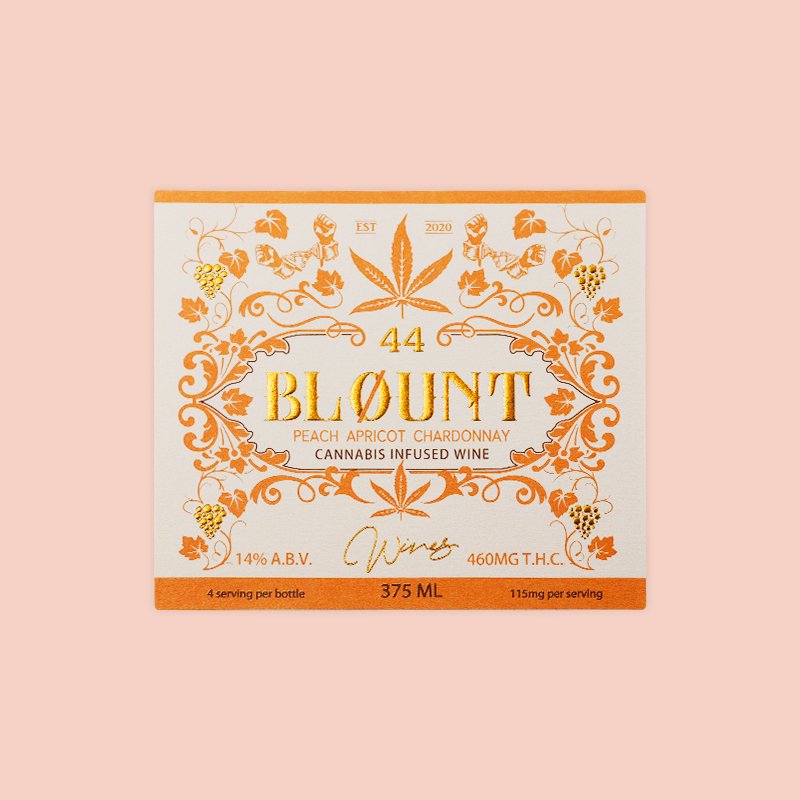
How you choose the right label finish dictates whether your product commands attention on retail shelves or fades into the background. Balancing aesthetic intent with structural durability ensures your brand message remains intact throughout the product lifecycle.
Select your label finish by matching the container’s environment to substrate limits while using high-contrast, non-reflective zones for crucial regulatory barcodes.
| Finish Type | Best Brand Fit | Environmental Resistance | Ideal Run Size |
|---|---|---|---|
| Hot Foil | Luxury spirits, premium cosmetics | High (requires protective laminate in wet environments) | Low-volume flagship lines |
| Cold Foil | Mass premium, complex color graphics | High (requires smooth film substrates) | High-volume production |
| Matte / Soft-Touch | Artisan, organic, e-commerce lines | Moderate (best for dry, indoor displays) | Highly flexible / digital |
Assess Brand Positioning and Audience Preferences
Target markets dictate visual presentation. High-end brands rely on specific metallic cues to establish shelf authority, while natural lines require tactile restraint to connect with buyers.
- Luxury Spirits: Brands favor gold, rose gold, or champagne hot foil to signal high value on retail shelves.
- Artisan and Organic: Align with uncoated matte or textured traditional papers that communicate authenticity.
- Demographic Preferences: Bold holographic or high-gloss effects can suit products seeking a more expressive appearance, while matte and subtle foil combinations can support a restrained premium look.
Evaluate Environmental and Material Performance Needs
A beautiful design fails if it peels or wrinkles under stress. Matching the physical substrate and protective topcoats to the exposure conditions prevents premature degradation.
- Refrigerated Environments: Require moisture-resistant film substrates paired with protective gloss laminates to survive condensation.
- Dry Indoor Retail: Suits traditional paper bases combined with soft-touch or matte varnishes.
- High-UV and Heavy-Handling: Require durable film or foil materials with laminated protective layers to resist abrasion.
Compare Production Methods, Costs, and Run Sizes
Embellishing your packaging requires balancing setup overhead with press run speed. Each foil application method serves a distinct economic bracket based on run size.
- Hot Foil Stamping: Delivers crisp metallic details and premium texture but carries higher setup costs, making it ideal for premium designs with sufficient production volume.
- Cold Foil Processes: Run inline at high speeds, allowing cost-efficient high-volume production and overprinting for custom metallic colors.
- Digital Foil: Offers flexibility with low setup overhead, supporting limited editions, promotional runs, and frequent design variations.
Ensure Design Compatibility and Scanning Reliability
Premium enhancements must not compromise logistics. Technical execution at the prepress stage ensures scanning systems and cameras can read vital product data without reflection interference.
- Logistics Areas: Keep critical barcodes, QR codes, and dense regulatory text on non-foil, controlled-gloss areas to prevent scanning failures.
- Artwork Preparation: Provide separate vector artwork layers with line weights thick enough to handle the specific hot or cold foil transfer method.
- Digital Commerce: Minimize glare in e-commerce product photography by using matte or soft-touch finishes instead of high-shine gloss.
अक्सर पूछे जाने वाले प्रश्नों
Deciding whether to upgrade to foil labels requires a clear understanding of their technical specs, production costs, and real-world durability compared to traditional options.
What are foil labels?
Foil labels are specialized labels constructed with aluminum foil or foil-laminated substrates. Unlike traditional paper or film labels, they feature a thin metallic layer or are laminated with aluminum foil to provide a distinct metallic gloss, high reflectivity, and premium aesthetics. They occupy a specialized niche within the metal label family, offering a lighter and more flexible alternative to rigid metal plates.
Are foil labels better than paper labels?
Neither is universally better, as each fits different performance, cost, and branding requirements. Foil labels perform exceptionally well in wet environments, resist tearing and scratching, and offer a premium metallic appearance. Traditional paper labels are more cost-effective, easier to print, and simpler to recycle, making them the preferred choice for dry, indoor packaging where budgets are tight.
How are foil labels made?
Manufacturers create foil labels by transferring a multi-layer foil film onto a label substrate. This is typically done through hot foil stamping (using a heated metal die and pressure), cold foil printing (using UV-curable adhesive and pressure inline), or toner-reactive foiling for small-scale applications. The foil itself contains a polyester carrier, a release coat, a lacquer or pigment layer, a vacuum-deposited aluminum layer, and an adhesive layer.
Are foil labels expensive?
Foil labels generally carry a higher unit cost than standard paper or BOPP labels because of specialized materials, finishing processes, and, in some cases, custom dies. At low volumes, setup costs have a greater effect on the unit price, while larger orders can spread these fixed costs across more labels.
What products typically use foil labels?
Foil labels are widely used on premium consumer packaging, including wine and spirits, beer bottles, cosmetics, skincare, मोमबत्तियाँ, food, और उपहार उत्पाद. They are particularly useful when brands want to add metallic detail, premium contrast, or a more distinctive finish to the package.
Can foil labels be waterproof?
Foil labels can be designed for water-resistant or waterproof applications when suitable film substrates, चिपकने, inks, and protective finishes are selected and tested for the intended environment. इसके विपरीत, foil labels built on a paper backing are water-resistant and will withstand splashes or condensation, but they are prone to tearing or peeling if submerged for long periods.
What is the difference between hot and cold foil stamping?
Hot foil stamping uses a heated metal die, pressure, and foil transfer film to apply a metallic finish to the label substrate. The result can be combined with embossing to create additional tactile depth. Cold foil printing applies a UV-curable adhesive in the exact shape of the design to transfer the foil inline without heat, which is much faster and safer for heat-sensitive plastic films.
Do foil labels improve product value?
Foil labels improve perceived product value by signaling premium quality and attracting consumer attention on crowded retail shelves. Research shows that foil packaging can boost shopper purchase intent and reduce price sensitivity, making the modest extra investment in foil materials highly profitable for premium brands.
How long do foil labels last?
The service life of a foil label depends on the substrate, गोंद, ink, protective coating, and exposure conditions. For premium packaging, selecting the appropriate material construction and finish is more important than applying a single lifespan estimate to every application.
अंतिम विचार
While basic paper labels generally offer lower upfront printing costs, consistent material selection, finishing control, and quality inspection are important for reducing issues such as peeling, fading, or inconsistent foil coverage.
Premium positioning can be strengthened through consistent foil coverage, suitable materials, and well-controlled finishing. Selecting the right metallic substrate or foil process helps achieve the visual effect required for the product and packaging design.
To ensure perfect adhesion and visual alignment on your specific bottling or packaging lines, we recommend evaluating physical material samples. Our team provides specialized OEM consultations and custom sample kits tailored to your brand’s unique container shapes. Contact us today to review our technical catalog and secure your trial materials.
📖 Complete Guide
← Back to “कस्टम लेबल क्या हैं??” — The Complete Guide
Learn everything about custom labels: types, सामग्री, printing techniques, cost factors, and how to choose the right solution for your brand.
Related Products You May Like
Want to know more about Meikei? Visit end-to-end-customization or explore learn more about Meikei.