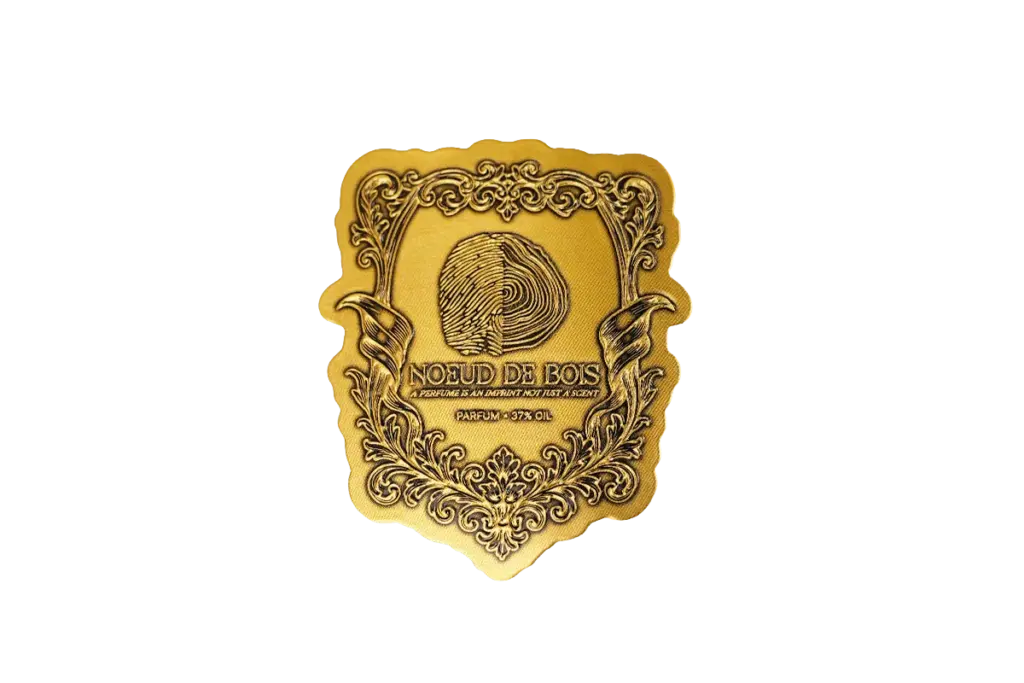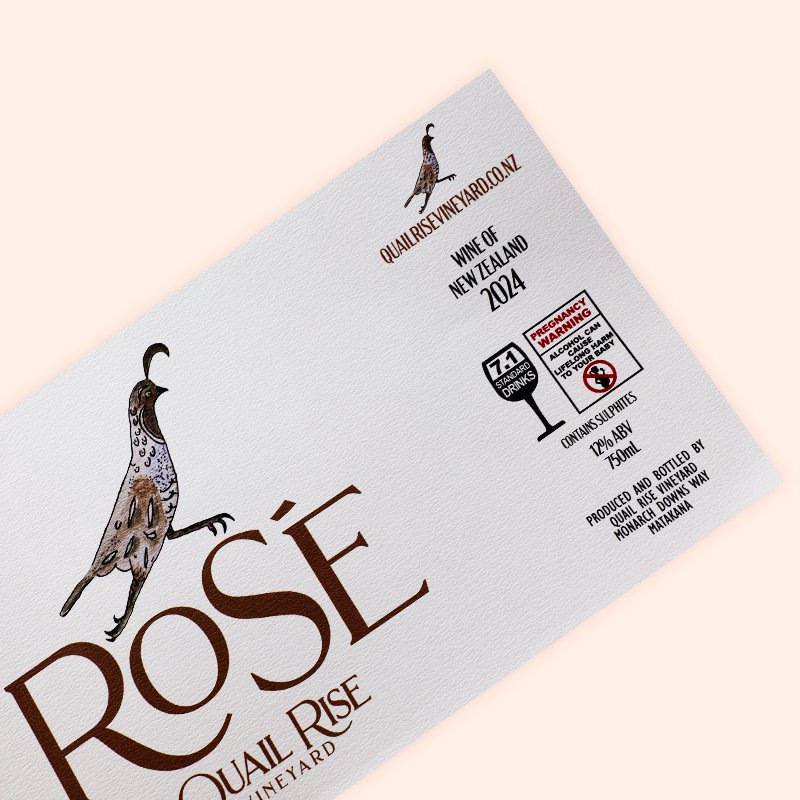
Bakeries run on butter, and butter runs through every label it can possibly reach: the bag, the box, and the wrap around the croissant. Grease-resistant labels for bakery packaging are built to keep the brand readable while the pastry does its very worst.
This guide maps the grease exposure points, the materials that resist them, the adhesives that hold on greasy surfaces, and the coatings that seal the whole print. It ends with the tests that prove the label survives the bakery display case, because the case is where the label lives its whole life.
Grease Exposure Points in Bakery Packaging
Grease reaches labels through contact, migration, and heat: the warm pastry, the buttered bag, and the display case all attack.
- संपर्क: Buttery hands and the product itself touch the label.
- Migration: Grease moves through the pack to the label’s back.
- Heat: Warm pastry makes the grease faster and the bond softer.
Direct Contact at the Counter
The label’s first exposure happens at the counter itself, where buttery hands and the warm pastry touch the pack while it is still hot. Warm grease penetrates far faster than cold grease does. The label that survives the counter survives the worst of the whole journey, and it gets specified for that first hot hour, not for the shelf after.
Migration Through the Pack
Grease migrates through paper bags and wraps over the course of hours, reaching the label from behind, not from the front. The stain appears from inside the pack outward. A label that only resists surface contact still fails the migration test, which is why the test below inspects both sides.
The Display Case Environment
The display case adds humidity and warmth to the grease, a one-two combination that softens adhesives and spreads stains. The case is the bakery label’s longest test. Materials are specified for the case conditions, not for the counter’s brief contact, because the case runs all day, every single day.
Grease-resistant Paper and Film Label Materials
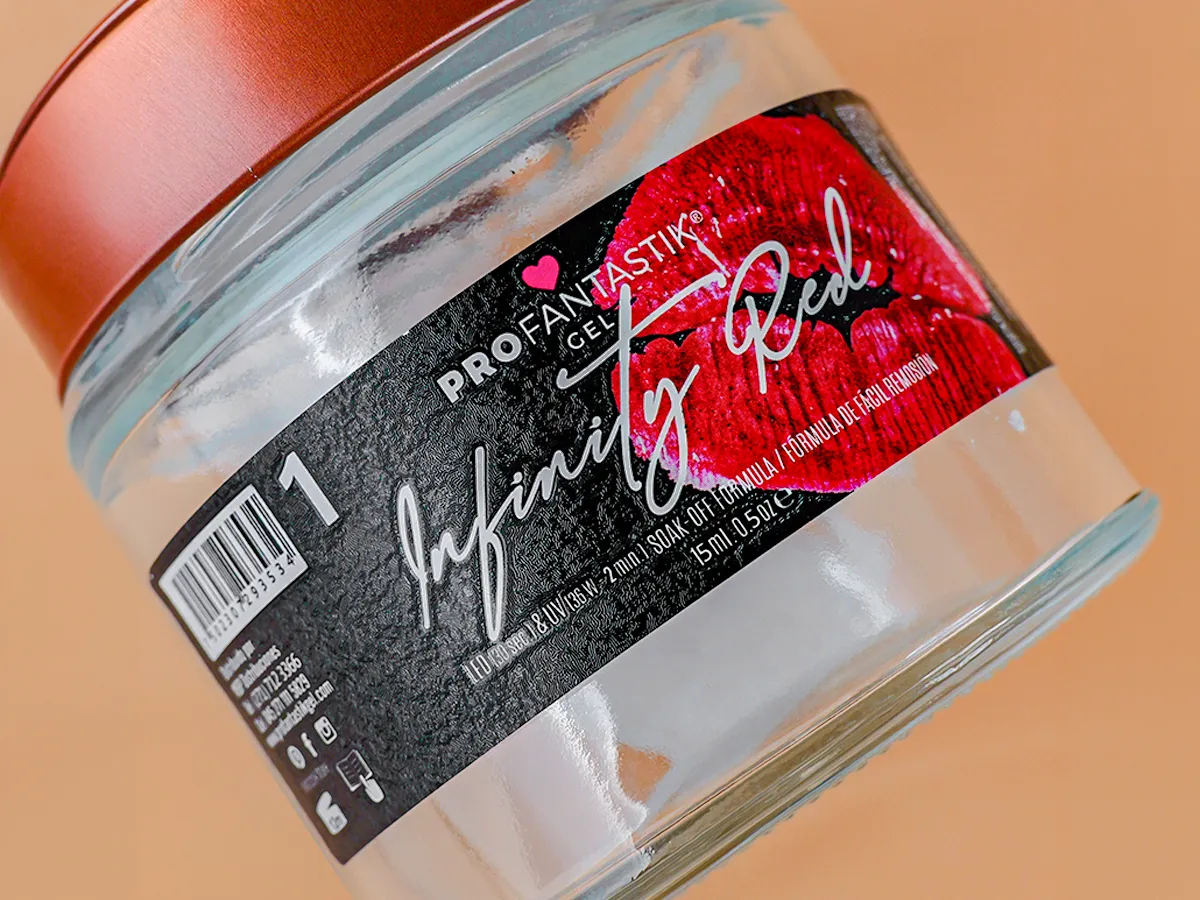
Film stops grease outright, while grease-resistant papers slow it, and the bakery’s grease load decides between the two.
The material decision is the first and the biggest one, because it sets the ceiling on everything else. The three sections below lay out the options in order, from full stop to slow-down.
Film Facestocks: The Full Stop
BOPP film is the definitive answer to bakery grease, because it is entirely non-porous and the oil simply cannot enter. A laminate over the print keeps the surface clean. Film is the standard choice for high-grease items like croissants, fried pastries, and anything sold warm straight from the case.
Grease-resistant Papers
Grease-resistant coated papers slow oil penetration and keep the label presentable through the shelf life, at a lower cost and with paper’s natural look. The paper industry’s barrier work, tracked by industry bodies like the American Forest and Paper Association, underpins these coatings. The paper route suits lower-grease items like breads and dry cookies, where the natural paper look is part of the brand. The heat-and-moisture side of the same material logic carries over to our article on coffee and tea label printing.
Choosing by the Bakery’s Grease Load
The practical split runs strictly by item: laminated film for buttery and warm goods, coated paper for breads and dry cookies. The brief names the worst item on the menu, because the label is specified for it. See our article on what materials are used for custom stickers for the full facestock map, and let the croissant decide the outcome.
Adhesives for Paper Bags, Boxes, and Wrapped Bakery Products
The adhesive faces grease from two directions: the product behind the pack surface and the butter on the baker’s hands.
The adhesive is the layer that holds the label through both attacks, and it gets chosen right after the facestock. The three checks below cover the bond from every possible direction.
Bonding Through Residue
Bakery pack surfaces carry a fine grease film before the label arrives, so the adhesive has to bond through contamination. Oil-tolerant grades grip where standard adhesives slide. The residue level is part of the adhesive brief, measured on the real filling line rather than assumed from the office.
Matching Adhesive to Surface
Paper bags and boxes take standard adhesives easily, while film wraps and coated surfaces need their grades matched to them. The surface list in a bakery covers paper, board, and film, so the adhesive spec follows each pack type. See our article on how to choose waterproof label adhesive for the pairing logic that applies to grease the same way it applies to water.
Warm Packs, Warm Adhesives
Warm pastry packs soften adhesives, so the grade is chosen for the warmest pack that the bakery sells. The warmth and the grease work together against the bond. A label applied to a cool bag and then warmed shows the failure first at the edges, which is where the test looks first.
Bakery Labels That Laugh at Butter

Coatings and Laminates for Oil and Butter Resistance
Coatings and laminates are the bakery label’s armor: the laminate seals the print, and the coating slows the oil’s first pass.
The armor layer is what turns a good facestock choice into a finished bakery label. The two sections below explain what the seal protects and how the right level is chosen.
Varnish vs Laminate in the Bakery
A varnish protects the print from light grease contact and costs a little less, while a laminate seals the whole label and survives the buttery worst. The bakery’s own grease load decides the armor level. See our article on how to choose the right lamination for your product labels for the full finish decision, and let the menu’s messiest item set the level.
What the Seal Protects
The seal protects three things all at once: the ink from smearing, the paper from staining, and the barcode from losing contrast. A bakery label that survives the grease but loses its barcode has still failed at the register. The seal is checked against actual barcode scanning, not just looks, before the order is approved.
Testing Label Appearance and Adhesion on Bakery Packs
The bakery test is deliciously simple: wrap the real product, wait, and check the label for stains, lifting, and smears.
The test is the bakery label program’s own quality system, and it runs on every new construction and every menu change. The three checks below together make up the whole procedure.
The Real-Product Test
The test uses the bakery’s actual products, warm and wrapped as sold, because butter from a croissant behaves differently from lab oil. The labeled packs sit for the shelf life, then get inspected for stains, edge lifting, and print damage. The real product is the only reliable test fluid there is, and the lab substitute is how false passes happen.
The Migration Check
The migration check inspects the label’s back surface, where grease arrives through the pack, because front-only testing misses the most common bakery failure. The stain from behind is checked over time, not just at day one. Migration is the failure mode only a patient test catches, and only the back-side inspection reveals it.
From Test to Order
The tested construction then becomes the order spec: facestock, गोंद, and laminate locked together against the bakery’s worst item. The spec is reused for every reorder that follows, with the test repeated whenever the menu changes. The label that passes the croissant test passes the whole counter, and every future reorder quietly inherits that same proof.
अक्सर पूछे जाने वाले प्रश्नों
What is considered greaseproof paper?
Greaseproof paper is paper engineered to resist oil and fat penetration, either through dense fiber refining or a barrier coating. It is the standard wrap for buttery foods. For labels, the same grease-resistant property comes from coated paper stocks, and it is the property that keeps a bakery label presentable.
How is greaseproof paper made?
Greaseproof paper is made by beating the pulp until the fibers pack densely enough to block oil, or by applying a barrier coating to ordinary paper. The two routes trade cost against performance. Label stocks use the coating route, tuned to the grease level the pack will meet.
Is greaseproof paper the same as parchment paper?
The two are often used interchangeably, though parchment paper is usually silicone-coated for oven use, while greaseproof paper resists oil through denser fiber. Both block grease by different mechanisms. For labels, the relevant property is the same: a surface oil cannot soak through.
What are the differences between greaseproof paper and wax paper?
Wax paper carries a wax coating that resists moisture and light grease but melts under heat, while greaseproof paper resists oil through the fiber itself and tolerates warmth. Greaseproof is the bakery workhorse. For labels, heat tolerance matters too, because warm pastries defeat coatings that melt.
What is a substitute for greaseproof paper?
Parchment paper and foil are the common substitutes in the kitchen, with parchment for the oven and foil for heavy grease. On packaging, the substitution logic runs the other way: film labels substitute for coated paper when the grease load rises. Each substitution trades one property for another.
Where can I find printed greaseproof paper?
Printed greaseproof paper comes from packaging converters and specialty paper suppliers, used for wraps and deli sheets with branded printing. The print has to stay on a surface that resists oil. The same print-on-barrier challenge applies to bakery labels, where the coating carries the ink and the protection together.
What is the best paper to use for baking?
Parchment paper is the standard baking sheet because it tolerates oven heat while releasing food cleanly, with greaseproof paper the alternative for wrapping. The baking paper choice is about heat and release. For labels, the parallel choice is between heat-tolerant film and coated paper for warm bakery items.
Why can’t you use wax paper for baking?
Wax paper’s coating melts and can smoke in the oven, so it belongs to cold wrapping rather than baking heat. The lesson generalizes to labels: heat changes what a coating can do. A bakery label’s coating is chosen for the warmest pack it will meet, not for the room-temperature sample.
Where can I buy greaseproof paper?
Greaseproof paper is sold through foodservice suppliers, packaging distributors, and retail kitchen sections, in sheets, rolls, and custom-cut formats. Bakeries buy it as wrap material. The label equivalent, grease-resistant coated paper, comes through label converters, where the coating is tuned to the bakery’s needs.
Can I use parchment paper instead of greaseproof?
For kitchen use, parchment substitutes for greaseproof in most wrapping and baking jobs, with the oven being parchment’s own territory. The two papers overlap heavily in practice. For labels, the substitution question is the same in spirit: coated paper and film each cover a range, and the grease load decides the switch.
Is greaseproof paper still available?
हाँ, greaseproof paper is widely available through foodservice and packaging suppliers, in rolls, sheets, and custom sizes. It remains a bakery staple. Its label equivalent, grease-resistant coated paper, is equally standard in the label trade, ordered through converters like any other facestock.
What is the difference between greaseproof paper and baking paper?
Baking paper, usually parchment, is silicone-coated for oven heat and easy release, while greaseproof paper resists oil through its fiber and is mostly used cold. The distinction is heat tolerance. Bakery labels borrow the same lesson: the material is chosen for the heat and grease the pack will actually meet.
Conclusion
Bakery labels win the grease fight when the material, गोंद, and laminate are all chosen for the worst item on the menu and then proven with the real product in the test. The label that survives the buttered croissant survives the whole bakery counter. The bakery’s grease is always the spec’s most honest auditor.
For bakeries ordering grease-resistant labels, Meikei prints film and coated paper constructions with oil-tolerant adhesives, tested on your real bakery packs and on the real menu items themselves.