Packaging design in 2027 is increasingly shaped by sustainability requirements, material efficiency, and digital product experiences. Brands are also considering how packaging structures, labeling information, and printing methods affect product protection, shelf appeal, and production costs. These developments are influencing material selection and packaging decisions across food, beverage, personal care, and retail markets.
Brand owners who track these shifts early can plan material sourcing, evaluate production options, and coordinate with suppliers before longer lead times affect launch schedules. Some changes are also linked to evolving regulations, making it important to understand the requirements that apply to each market and product category.
The following sections explore the structural, matériel, and digital trends worth watching in 2027, along with practical questions to raise with a packaging supplier before the next print run.
Packaging Design and Structural Trends Expected in 2027
Structure is becoming the design statement: lighter boards, refill-ready formats, and fewer components deliver the same shelf presence with less material.
Lightweighting and Material Efficiency
Cost and recyclability pressure push brands to cut grams from every format. Down-gauged boards and films, smaller closures, and redesigned inserts remove material without removing protection, and every gram saved lowers freight and packaging fees at the same time. Structural engineers call this the grams-per-pack race. A lighter corrugated liner, a carton with a shorter glue flap, or a thinner pouch seal each shaves cost without a visible change, and the savings multiply across millions of units.
Refill, Reuse, and Modular Formats
Refill systems split the pack into a durable outer that stays with the shopper and a lighter refill that gets replaced. The format is spreading from home care into food and beverage. Common formats taking hold include:
- Refill pouches: Lightweight packs that cut total packaging weight against a full bottle for repeat orders.
- Returnable transit packaging: Crates and totes that replace one-way boxes on foodservice and e-commerce routes.
- Modular outer shells: A common base with swappable sleeves or lids lets several flavors share one tooling set.
Modular structures also let brands refresh the look without retooling the whole line, which keeps redesigns fast and low risk.
Structural Shelf Presence
Structural design influences both packaging functionality and visual identity. Shaped windows, drawer-style trays, and distinctive opening features can create shelf appeal without relying on complex printed graphics. For brands using folding cartons and rigid boxes, the structural design should also account for print areas, finishing options, and how labels or sleeves integrate with the final package.
See our article on what are folding cartons and how they are made for the base formats. The trend for 2027 is simpler board and more deliberate construction.
Material Innovation and the Shift Toward Circular Packaging

Mono-materials, fiber-based barriers, and higher recycled content are moving from pilot lines to mainstream packaging because recyclability rules reward them.
Circular packaging is no longer a positioning choice; it is becoming the default spec. The Ellen MacArthur Foundation has framed the circular economy goals that packaging regulations now reference, and similar recyclability and recycled-content requirements are spreading through other markets.
Mono-Material Structures
Multi-layer laminates provide useful barrier properties but can be difficult to recycle when their materials are incompatible with available recycling systems. Mono-material films simplify packaging structures and may improve recyclability when they meet the design and collection requirements of local recycling systems. However, a mono-material pouch does not automatically share the same recycling stream as rigid plastic bottles.
Paperization and Fiber-Based Barriers
Fiber is reclaiming formats that plastics took over. Paper pouches, molded fiber trays, and coated paperboard replace plastic windows and film wraps in dry foods, confectionery, and snacks. New barrier coatings extend the range into products with modest moisture demands. Brands should pair any fiber switch with print testing, because uncoated fiber surfaces absorb ink differently and can shift brand colors warmer unless the artwork is rebalanced.
Recycled Content and Certified Sources
Recycled content claims now need documentation, and buyers ask for the chain of custody that backs them. See our article on FSC certified labels for how certification works in print and packaging. Expect 2027 briefs to specify post-consumer content percentages and the certificates that prove them.
| Material Direction | Formats It Touches | Main Driver |
|---|---|---|
| Mono-material films | Pouches, wraps, flow packs | Recyclability rules and EPR fees |
| Fiber-based barriers | Cartons, trays, paper pouches | Plastic reduction targets |
| Post-consumer recycled content | Bottles, labels, cartons, shippers | Recycled-content mandates and brand goals |
| Refill and returnable systems | Rigid outers, refill pouches, transit crates | Reuse requirements in some markets |
Emballage intelligent, QR Codes, and Digital Product Experiences
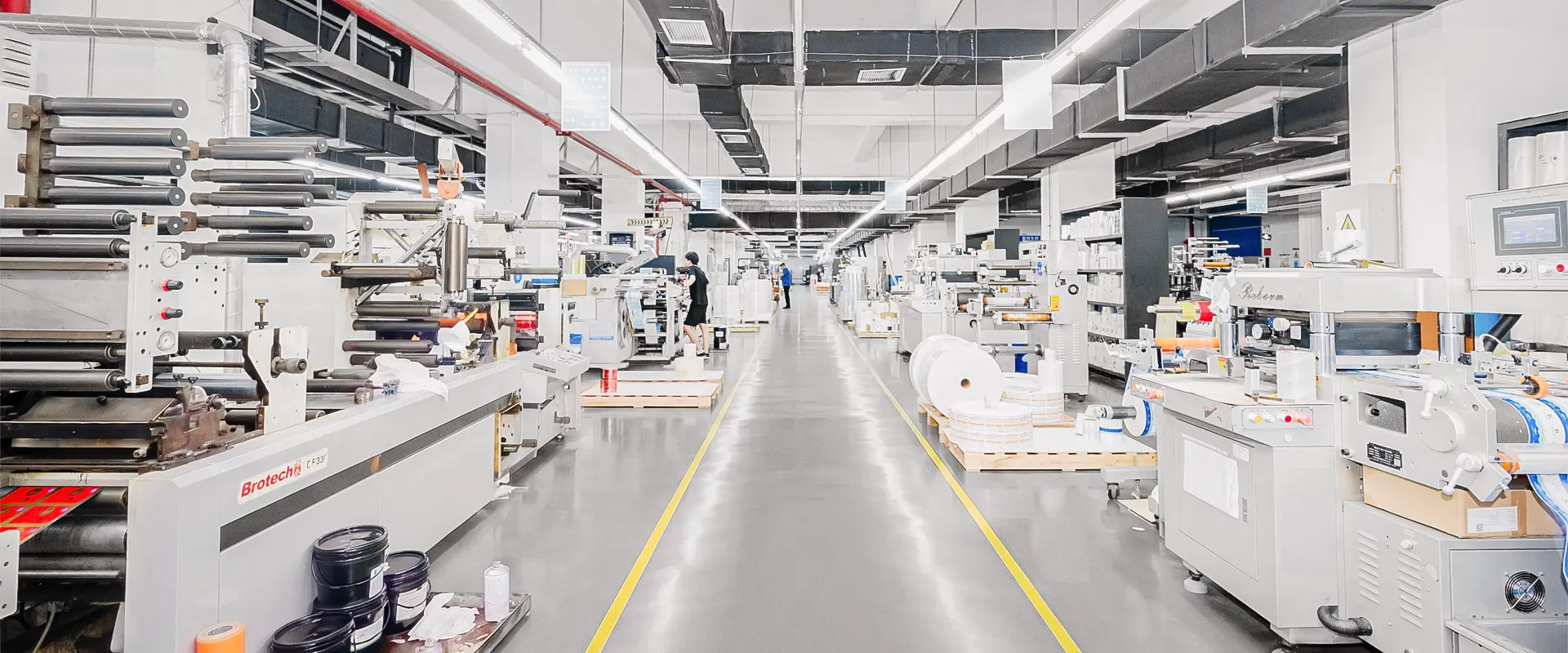
The QR code is becoming packaging infrastructure: one scan now carries ingredients, recycling instructions, traceability data, and a channel back to the brand.
QR Codes on Labels and Cartons
QR codes move off the back panel and into the design. A scannable code needs enough size, a clean quiet zone, and strong contrast against its background. It has to be planned as part of the artwork rather than added at the end. The print checks that matter most are:
- Size and data density: Longer URLs need bigger codes or a shortened link.
- Quiet zone: A clear margin on all four sides keeps scanners accurate.
- Contrast: Dark codes on light backgrounds scan best; reversed codes fail more often.
- Substrate: Gloss laminate can glare, so test scanning on the finished material.
On film labels, contrast checks matter even more because the product shows through clear areas.
Traceability and Digital Product Passports
The European Union’s Ecodesign for Sustainable Products Regulation (ESPR) establishes a framework for Digital Product Passports, with implementation requirements being introduced for specific product groups through additional regulations.
Depending on the applicable rules, digital access points may use QR codes or other data carriers. For packaging suppliers and brand owners, this development highlights the importance of planning for clear, scannable codes and reliable product information management.
Engagement Beyond the Product Page
Smart codes also pay for themselves as marketing. One scan can open recipes, loyalty offers, reorder flows, or origin stories, and variable data printing lets every unit carry its own code. For brands, the trend means specifying serialization and data handling before artwork is locked.
Custom Labels and Boxes Built for 2027
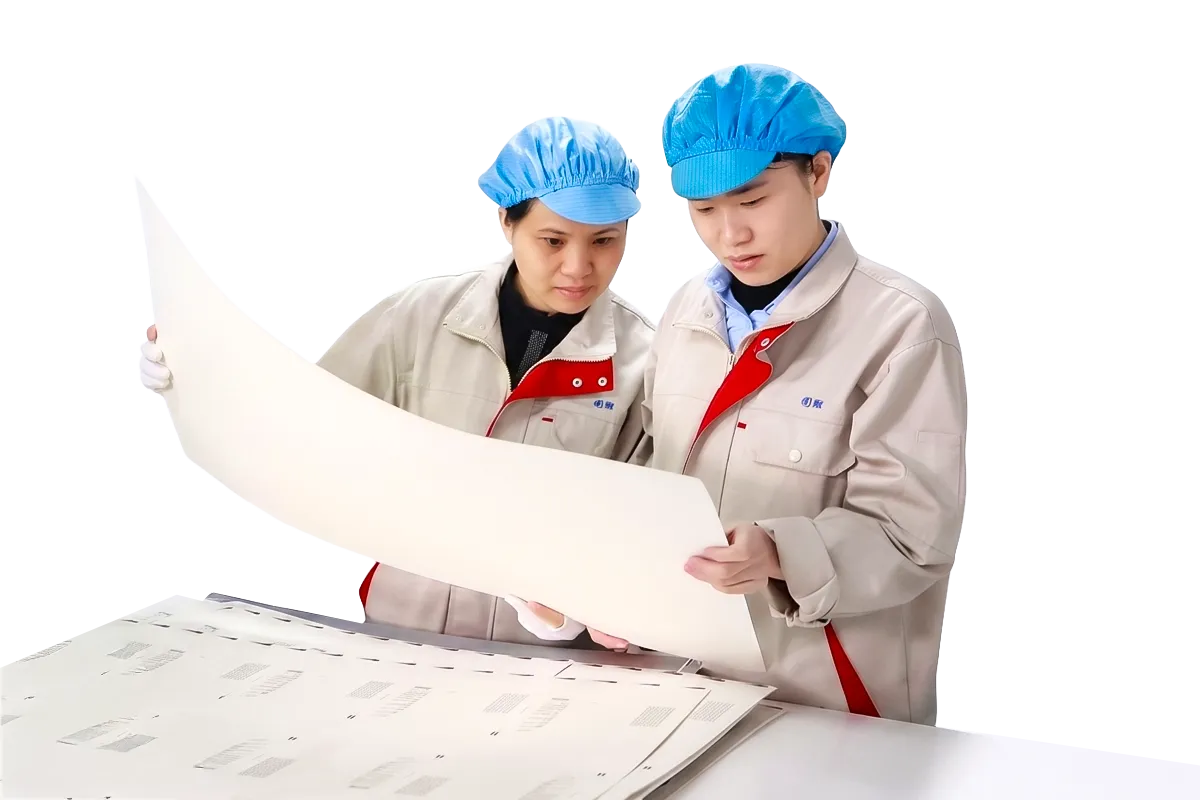
Personalization, Convenience, and Flexible Packaging Formats
Personalization and convenience push packaging toward smaller runs, resealable closures, and flexible formats that travel well from e-commerce to pantry.
Variable Data and Short-Run Personalization
Digital printing has made personalized and versioned packaging affordable, from names on labels to regional flavors and limited editions. Short runs let brands test a new look or a seasonal pack without committing to a full production volume. Versioning also simplifies regional compliance, because each market’s labeling rules can ship as its own print variant without splitting the order into separate SKUs.
Convenience Features
- Resealable closures: Zips and adhesive flaps keep portion packs fresh between uses.
- Easy-open features: Tear notches, peel corners, and reduced seal strength cut frustration for older shoppers.
- Portion and single-serve formats: Smaller units fit impulse buying, travel, and calorie control.
Flexible Formats vs Rigid Structures
Flexible pouches keep growing because they weigh less and ship flat, while rigid formats hold their place where protection and premium feel matter. See our article on how rigid gift boxes are made for the premium end of the spectrum. Most 2027 product lines mix both: a pouch for everyday use, a rigid box for gifting.
Key Discussion Points for Brand Owners with Packaging Suppliers
The supplier conversation is shifting from price per unit to proof of recyclability, material documentation, and the flexibility to change formats mid-year.
Questions to Ask Before Quoting
- Which recyclability claims can the supplier document, and which test data backs them?
- What material and certification records, such as food-grade or FSC documentation, come with the order?
- What are the sample policy, minimum order, and lead time for a new structure?
Sampling and Small-Run Validation
Trends move faster than production cycles, so validation has to be quick. Blank samples confirm the structure and size, and a short printed run on the real line confirms sealing, labeling, and shelf behavior before the full order. The same short run validates the print itself: barcode grades, color against the approved proof, and code scanning on the finished pack. Catching a contrast problem on a few hundred units costs far less than discovering it on a few hundred thousand.
Planning Around Regulation and Lead Times
Recyclability requirements phase in on a schedule, and material shortages still ripple through supply chains, so 2027 planning means booking specs earlier. Locking materials, artwork, and a qualified supplier in one pass leaves room to respond when a regulation date moves.
Frequently Asked Questions
What are the packaging industry trends for 2027?
The trends running through 2027 and into 2028 are sustainability compliance, mono-material structures, the phase-out of PFAS in packaging, automation on production lines, and digital product passports. Design trends add high-speed shelf impact, circular packaging models, and transparent storytelling about materials and origins. Brands that started compliance work in 2027 will have the easier year in 2028.
Does sustainable packaging cost more?
Sustainable packaging often carries a small premium today, but the gap is closing as recycled and mono-material stocks reach volume. Lightweighting and smaller packs can offset the material premium, and compliance costs land on everyone eventually. Ask suppliers to price the sustainable and conventional options side by side so the real delta is visible.
Why does packaging matter?
Packaging protects the product through shipping and storage, extends shelf life, and carries the compliance and brand information shoppers rely on. It is also the first physical touchpoint a customer has with a brand, so it shapes the purchase decision before the product is opened. In e-commerce, it does double duty as the shipping container and the unboxing moment.
What are the 7 types of packaging?
The usual list groups packaging by function: primary, secondary, and tertiary levels, plus common formats such as bottles, jars, pouches, films, folding cartons, rigid boxes, cans, blisters, and corrugated shippers. The count changes with how formats are grouped, but the practical split is the three levels plus the format families above.
What is the best packaging for food?
The best food packaging depends on what the product needs: moisture barrier, oxygen barrier, temperature, or all three. Jars and glass suit wet products, barrier pouches suit snacks, cartons suit dry foods, and corrugated suits shipping, with food-grade contact layers required wherever packaging touches the food. The right choice starts from the product’s shelf-life requirements, not from the trend list.
What are 10 packaging materials?
Common materials cited in the industry are paperboard, corrugated board, kraft paper, glass, aluminum, tinplate, PET, HDPE, polypropylene film, and flexible laminates. The 2027 trend pushes many of these toward recycled content, mono-material film structures, and fiber alternatives that stay recyclable at end of life.
Conclusion
The 2027 packaging agenda comes down to four moves: simpler, recyclable structures; materials that carry documentation; smart codes that carry data; and formats built for convenience and personalization. None of them can be added after the fact, so the planning window matters as much as the design.
For teams preparing a packaging update, Meikei prints labels, folding cartons, and rigid boxes in one workflow, with material records and printed sampling available before production.

Éric Zhang
Head of International Business Eric Zhang is the Head of International Business at our company, bringing over 5 years of hands-on experience in the custom labels and packaging industry. He specializes in delivering high-quality, innovative packaging solutions to global clients, with a strong focus on market expansion and understanding customer needs to help brands create distinctive product identities.