Digital and flexographic printing are two widely used methods for producing pressure-sensitive labels. However, they serve different production needs.
Digital printing is often a practical choice for short runs, frequent artwork changes, and products with multiple SKUs. Flexographic printing is generally more cost-effective for long production runs, especially when designs remain consistent and orders are repeated.
So, which method is better for your food labels?
The answer depends on your order quantity, packaging material, design requirements, and production schedule. This guide compares both methods to help food brands, packaging buyers, and label distributors make an informed decision.
How Digital and Flexographic Label Printing Work
Before comparing costs and performance, it helps to understand how each printing method works.
How Digital Label Printing Works
Digital label printing transfers artwork directly from a digital file to the label material. Unlike conventional flexographic printing, it does not require a separate printing plate for each design.
This makes digital printing particularly useful for short production runs and projects involving frequent design changes.
For food brands, digital printing offers several practical advantages:
- Lower initial setup costs: No conventional printing plates are required.
- Flexible artwork changes: Designs, product information, and graphics can be updated without making new plates.
- Multiple SKUs: Different flavors, sizes, or product variations can be produced within the same production workflow, depending on the press.
- Variable data: Certain digital presses support variable information such as unique QR codes, serial numbers, and batch-related information.
Digital printing is especially useful for new product launches, seasonal packaging, limited editions, and market testing.
How Flexographic Label Printing Works
Flexographic printing uses flexible relief printing plates, typically made from photopolymer or rubber. Each plate transfers ink to the label substrate through a rotating cylinder.
Different printing stations can be used for different colors, with the plates and press setup prepared before production begins.
Although this process involves higher initial setup costs, flexographic presses are designed for efficient, continuous production.
Key advantages include:
- High production efficiency: Well suited to large-volume label orders.
- Competitive unit costs at scale: Initial setup and plate costs are distributed across a larger quantity.
- Spot color printing: Dedicated ink stations can reproduce specified brand colors.
- Finishing flexibility: Depending on the press configuration, inline options may include varnishing, lamination, die cutting, and other finishing processes.
- Repeat-order efficiency: Existing plates may be reused when the artwork and production specifications remain unchanged.
For established food brands with stable designs and predictable demand, flexographic printing can provide significant long-term cost advantages.
Digital vs. Flexographic Printing: Key Differences
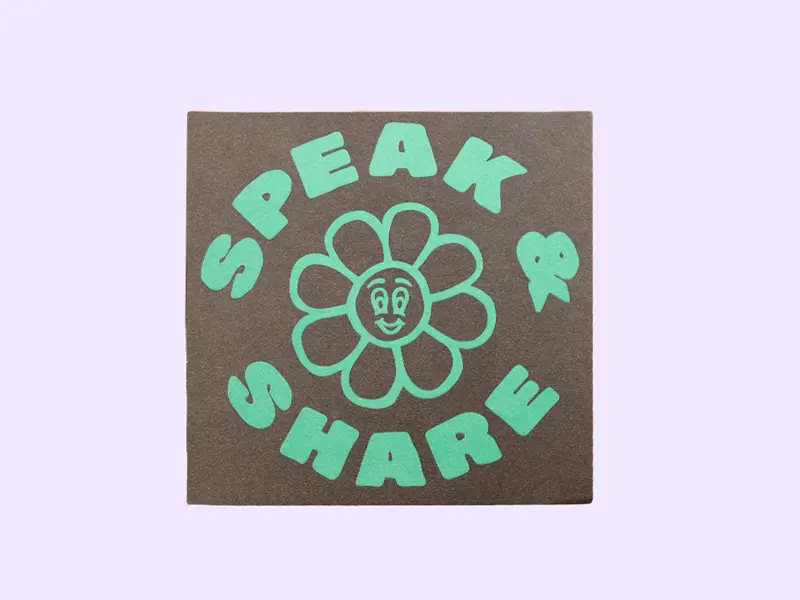
Both printing methods can produce high-quality food labels, but their strengths differ depending on the production requirements.
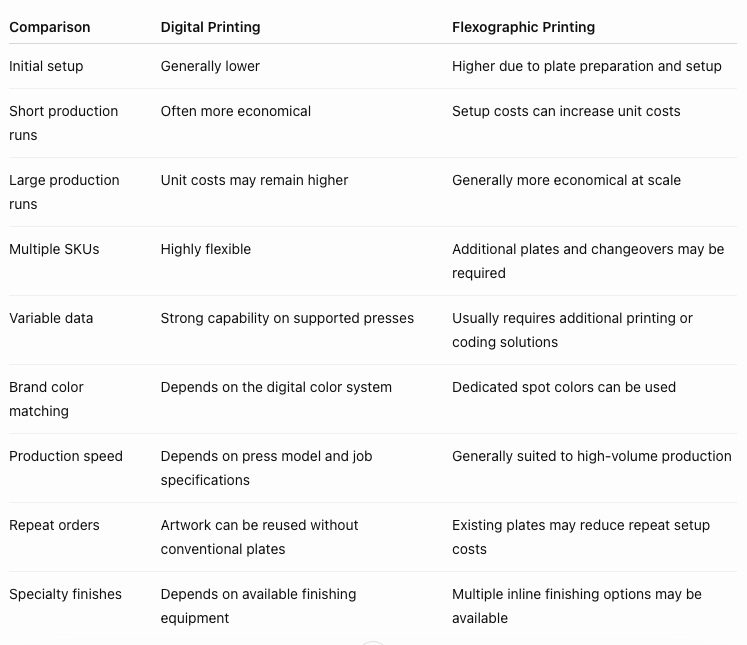
Neither method is universally better. The right choice depends on the relationship between order volume, design complexity, material requirements, and total production cost.
Setup Costs and Unit Costs
The biggest financial difference between digital and flexographic printing is how setup costs are distributed.
Digital printing generally requires less initial preparation because conventional printing plates are not needed. This makes it attractive for small orders.
Flexographic printing involves plate preparation and press setup. However, these initial expenses are spread across the production quantity, reducing the average cost per label as volume increases.
For this reason:
- Digital printing often offers better economics for short runs.
- Flexographic printing generally becomes more competitive as order quantities increase.
- Repeat flexographic orders may benefit from existing plates, provided the artwork and specifications remain unchanged.
The actual break-even quantity varies by project. Label dimensions, color count, matériel, finishing requirements, production efficiency, and repeat-order frequency all affect the calculation.
Print Quality and Color Consistency
Both digital and flexographic printing can produce sharp text, detailed graphics, and professional product labels.
However, their approaches to color reproduction are different.
Digital presses use their supported digital color systems to reproduce artwork. They are particularly useful for complex graphics, photographic images, and designs with frequent variations.
Flexographic presses can use dedicated spot-color stations, making them suitable for brands with specific color requirements and established packaging standards.
When evaluating print quality, buyers should consider more than the printing method itself.
Important factors include:
- Color accuracy against approved brand references.
- Small text and barcode readability.
- Registration between different colors.
- Consistency across production batches.
- Substrate surface and ink compatibility.
For large food brands with strict brand guidelines, requesting a printed proof or production sample is an important step before approving a full order.
Production Speed and Lead Time
Flexographic printing is generally designed for high-speed production and is particularly efficient for large, standardized orders.
Digital printing can reduce preparation time because it does not require conventional plate production. This can be advantageous when a brand needs several small orders or frequent artwork updates.
However, actual lead times depend on more than press speed.
Material availability, artwork approval, finishing requirements, production scheduling, quality inspection, and shipping all influence delivery time.
Buyers should compare the complete production timeline rather than relying on the printing speed alone.
Multiple SKUs and Variable Data
Food manufacturers often manage several product variations within one product line.
For example, a beverage company may sell the same product in strawberry, lemon, peach, and mango flavors. Each version may require different colors, product names, ingredients, or nutritional information.
Digital printing makes it easier to manage these variations without preparing a separate conventional printing plate for every design.
Flexographic printing can also handle multiple SKUs, but each design may require additional plates and press changeovers.
For projects involving personalized information, unique QR codes, or serialized labels, digital printing can offer additional flexibility. The exact capability depends on the press and data workflow.
Which Printing Method Is Better for Different Food Label Orders?
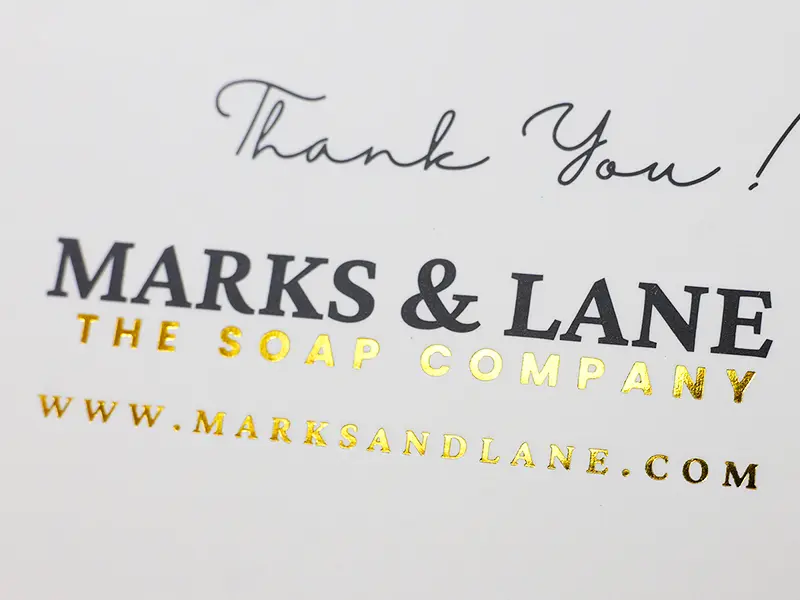
The best printing method often becomes clearer when you consider how your food products are manufactured and sold.
Small-Batch and Short-Run Food Labels
Digital printing is often a suitable choice for:
- New food product launches.
- Limited-edition packaging.
- Seasonal products.
- Market testing.
- Small businesses with lower initial demand.
Because conventional printing plates are not required, brands can produce smaller quantities without distributing significant plate costs across a limited order.
For example, a specialty food company testing a new sauce flavor may prefer to order a smaller quantity of labels before committing to large-scale production.
Food Labels with Multiple Product SKUs
Digital printing is particularly useful when a company manages multiple product variations.
Consider a jam manufacturer offering six flavors, each with different artwork and ingredient information.
Instead of preparing conventional plates for every design, the company can use a digital workflow to manage different versions more flexibly.
This can simplify inventory planning and reduce the risk of holding large quantities of outdated labels.
However, the most economical solution still depends on the quantity required for each SKU.
Large-Volume Food Label Production
Flexographic printing is generally a stronger option when a food manufacturer needs large quantities of labels with consistent artwork.
Common examples include:
- Established beverage brands.
- High-volume sauce and condiment manufacturers.
- Packaged snack producers.
- Large food processing companies.
- Products with stable packaging designs and recurring demand.
Once the initial setup costs are distributed across a large production quantity, flexographic printing can achieve a lower unit cost.
Repeat Orders with Stable Designs
Repeat purchasing is another important consideration.
If a food manufacturer regularly orders the same label design, flexographic printing may become increasingly cost-effective because existing plates can often be reused.
By contrast, if product information or artwork changes frequently, digital printing may offer greater flexibility.
Before choosing a printing method, buyers should evaluate not only the first order but also their expected purchasing volume over the next 6–12 months.
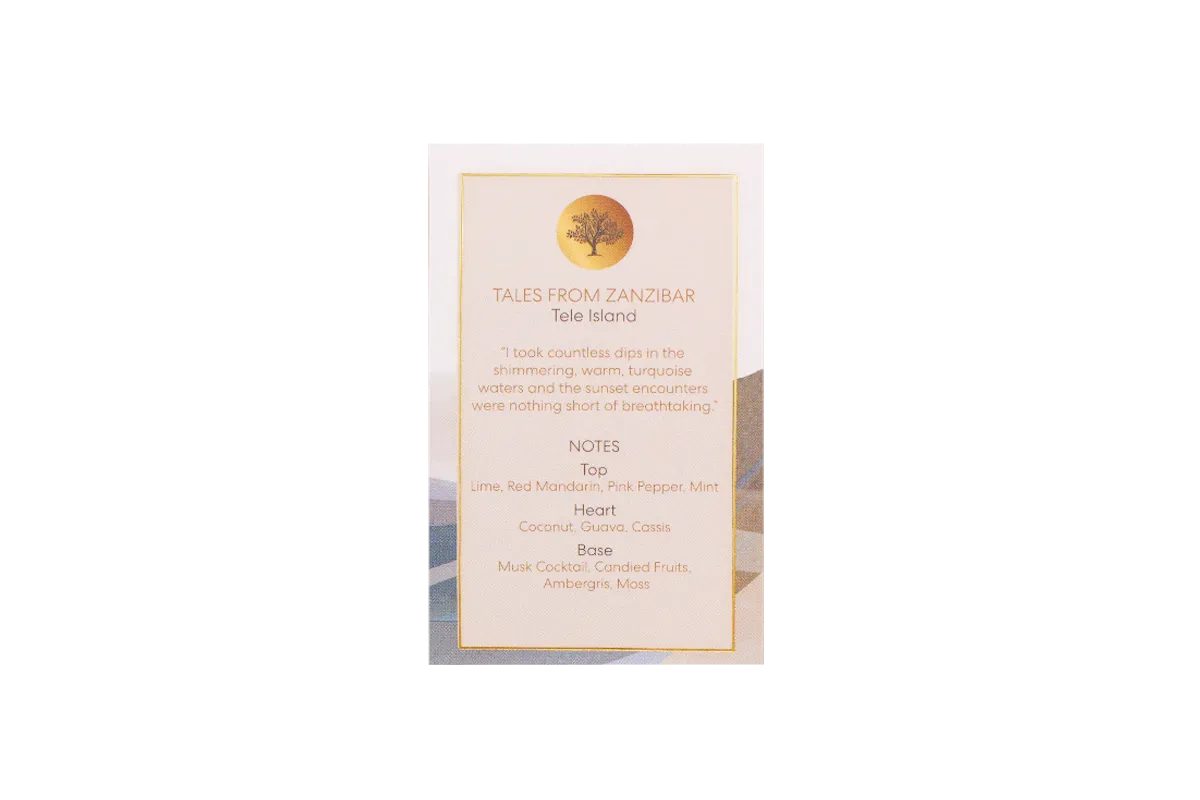
Digital or Flexo: Quoted at Your Break-even
Food Label Requirements: Materials, Adhesives, and Ink Safety
Choosing a printing method is only one part of producing suitable food packaging labels.
Food products are exposed to different storage conditions, handling environments, and packaging surfaces. The label material, adhesive, ink system, and finishing treatment must work together.
Moisture and Condensation Resistance
Labels used on refrigerated beverages, dairy products, and frozen foods may be exposed to condensation, moisture, or temperature changes.
In these applications, buyers should evaluate:
- Resistance to moisture and condensation.
- Adhesive performance at the intended application temperature.
- Resistance to peeling during refrigeration and handling.
- Material durability throughout storage and distribution.
Synthetic label materials, such as suitable film substrates, may be considered when greater moisture resistance is required.
However, material selection should always be based on the actual packaging environment and application requirements.
Oil and Grease Resistance
Food products such as cooking oils, sauces, dressings, and ready-to-eat meals can expose labels to oils and grease.
A label that performs well under dry conditions may not maintain the same appearance or adhesion when exposed to oily surfaces.
Depending on the application, buyers may need to consider:
- Oil-resistant label materials.
- Compatible adhesive formulations.
- Protective varnishes or laminations.
- Resistance to rubbing, smudging, and surface contamination.
The complete label construction should be tested under conditions that reflect actual product use.
Food Packaging Ink Safety and Migration
Ink selection is an important consideration in food packaging.
Ink migration refers to the transfer of substances from printed packaging into food, potentially through direct contact, set-off, or migration through packaging materials.
The risk depends on several factors, including:
- Ink chemistry and formulation.
- Printing and curing conditions.
- Packaging structure and barrier properties.
- Whether the printed surface can contact food.
- Storage time and temperature.
- Intended food type and packaging application.
Neither digital nor flexographic printing should automatically be considered safer.
The ink system, substrate, curing process, and complete packaging construction must be evaluated together.
Food brands selling in the United States or European markets should discuss applicable regulatory and documentation requirements with their packaging suppliers.
Where relevant, buyers should request supporting technical documentation and assess the suitability of the complete packaging structure for its intended use.
Adhesive Compatibility with Food Packaging Surfaces
The adhesive is just as important as the label material.
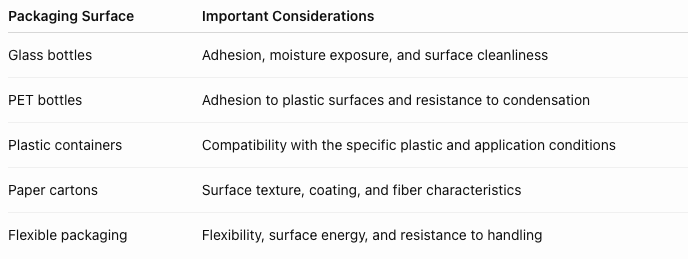
Buyers should also consider whether labels need to remain permanently attached or be removable during recycling or reuse processes.
Selecting the right adhesive requires testing the actual packaging surface, not simply choosing a material based on its general description.
How to Calculate the Break-Even Point Between Digital and Flexographic Printing
There is no universal order quantity at which flexographic printing becomes cheaper than digital printing.
The break-even point depends on the specifications of each job.
A useful way to compare the two methods is to calculate the total cost of producing the same number of labels.
Digital Printing:
Total Cost = Digital Setup Cost + (Digital Unit Cost × Quantity) + Finishing Costs
Flexographic Printing:
Total Cost = Plate and Setup Costs + (Flexographic Unit Cost × Quantity) + Finishing Costs
These formulas are simplified comparison models. Actual quotations may include additional material waste, changeover, inspection, and other production costs.
Frequently Asked Questions
Is digital printing cheaper than flexographic printing?
Digital printing is generally more economical for short runs because it does not require conventional printing plates. Flexographic printing can offer a lower unit cost for larger orders because setup and plate costs are distributed across more labels. The actual break-even point depends on the project specifications.
What are the disadvantages of flexographic printing?
Flexographic printing requires plate preparation and press setup, which can increase initial costs and lead times. It may be less economical for small orders or projects involving frequent design changes. However, these disadvantages become less significant as production volume increases.
What are the disadvantages of digital label printing?
Digital printing may have a higher unit cost for large production runs. Its available color systems, substrate compatibility, production speed, and finishing options also depend on the specific press technology.
Can digital and flexographic printing produce waterproof food labels?
Yes. Both printing methods can be used to produce labels for applications involving moisture exposure, provided the ink system, substrate, adhesive, and protective finishing are suitable for the intended conditions. The finished label should be tested under realistic storage and handling conditions.
Which printing method is better for multiple food product SKUs?
Digital printing is often more convenient for multiple SKUs because different artwork versions can be produced without conventional plates for each design. However, if each SKU requires a large and stable production quantity, flexographic printing may still be more economical.
Is flexographic printing suitable for food packaging?
Yes. Flexographic printing is widely used for labels and flexible packaging. Its suitability depends on the ink system, substrate, packaging structure, intended application, and applicable food-contact requirements.
How do I get an accurate quotation for food labels?
Provide your label dimensions, material requirements, quantity per design, number of SKUs, finishing options, and delivery destination. If you are comparing digital and flexographic printing, ask the supplier to quote both methods using the same specifications.
Conclusion
Digital printing is often a practical choice for short runs, multiple SKUs, frequent artwork changes, and new product launches. Flexographic printing is generally more cost-effective for large, repeatable orders with stable designs.
However, production quantity is only one part of the decision. Label materials, adhesive performance, ink compatibility, finishing requirements, and delivery schedules also influence the final result.
The most reliable way to choose is to compare both printing methods against your actual label specifications and purchasing plans.
Need help choosing the right printing method for your food labels?
Share your label dimensions, materials, artwork requirements, and order quantities with Meikei. Our team can help you evaluate suitable label solutions and discuss the production options available for your project.