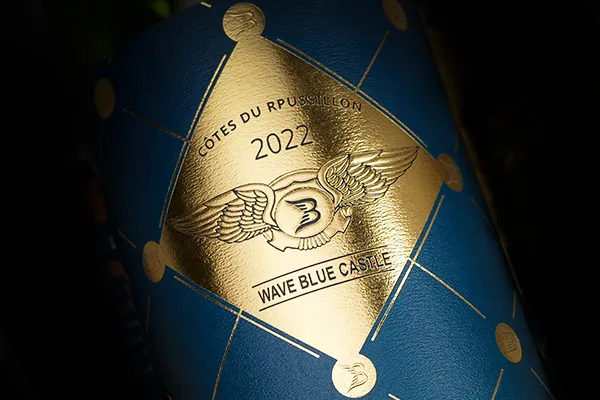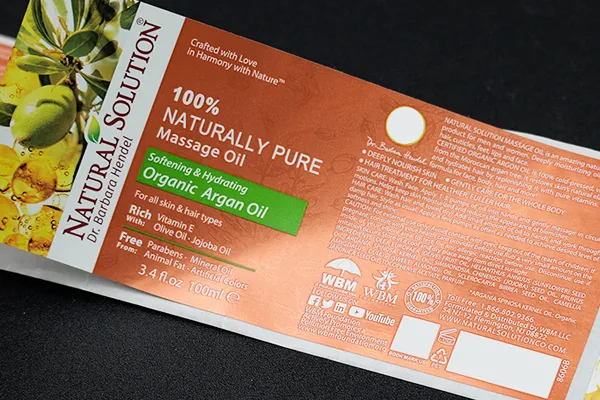
This Laminated Labels Durability Guide simplifies component sourcing by targeting the primary causes of premature label failure and warranty claims. Choosing incorrect protective films for harsh environments risks illegible assets and regulatory non-compliance.
This analysis benchmarks film materials against industry standards. We evaluate operational lifespans ranging from 3 to 10 years and certification standards like UL 969 to help you secure a durable result.
How Long Do Laminated Labels Last
Laminated labels typically last 3 to 10 years depending on environmental exposure, outperforming unlaminated alternatives by up to five times.
To accurately plan asset tracking or packaging durability, you must understand how long do laminated labels last under realistic operating conditions. Lamination adds a physical barrier layer that directly shields printed graphics and prevents premature failure.
Baseline Lifespan: Indoor vs. Outdoor Environments
The operational environment serves as the primary driver of label longevity. Protected indoor settings naturally preserve adhesives and substrates far longer than harsh outdoor exposures.
- Lamination Advantage: Laminated constructions typically last three to five times longer than non-laminated alternatives in identical environments.
- Indoor Performance: Indoor applications provide maximum durability, frequently maintaining adhesion and legibility for 5 to 10 years.
- Outdoor Performance: Standard outdoor laminated labels last between 3 to 7 years, depending on the severity of the weather.
Material-Specific Durability: Vinyle, Polyester, and BOPP
Selecting the right base material prevents early peeling and label degradation. Different plastics offer distinct structural properties when paired with protective lamination.
- Laminated Polyester (PET): Laminated polyester labels offer premium durability, lasting 5 to 7+ years in harsh industrial or chemical environments.
- Cast Vinyl (UV Laminated): Cast vinyl with UV lamination provides high-end outdoor performance for 5 to 7 years, making it ideal for vehicles and signage.
- Calendered Vinyl: Calendered vinyl labels last 3 to 5 years outdoors, providing a reliable midrange option for flat surfaces.
- BOPP (Biaxially Oriented Polypropylene): Laminated polypropylene serves packaging applications for 12 to 24 months, offering excellent moisture resistance for consumer goods.
Key Environmental Factors That Affect Longevity
No label material resists wear indefinitely. Specific physical and chemical forces actively work to break down adhesives and print layers over time.
- Direct UV Radiation: Sunlight degrades adhesives and inks, but UV-protective laminates preserve label graphics and prevent premature fading.
- Moisture and Chemicals: Moisture, industrial chemicals, and heavy cleaning regimes require specialized laminates to prevent edge peeling and legibility loss.
- Physical Abrasion: Friction and routine handling degrade surfaces quickly, making abrasion-resistant protective barriers essential for high-touch tools.
Shelf Life vs. Active Service Life
Label buyers frequently confuse the storage stability of unapplied labels with their actual performance on a product or machine.
- Shelf Life: This measures adhesive viability in storage, which typically spans 1 to 3 years under controlled warehouse conditions.
- Active Service Life: This represents operational durability post-application, which can reach up to 15 years for high-quality indoor systems.
- Surface Preparation: Proper surface preparation, including thorough cleaning and drying, optimizes adhesive bonding and prevents premature lifting.
Laminated Labels for Packaging and Specialty Applications
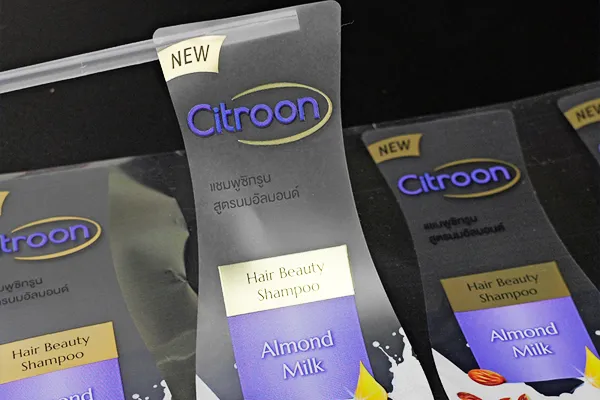
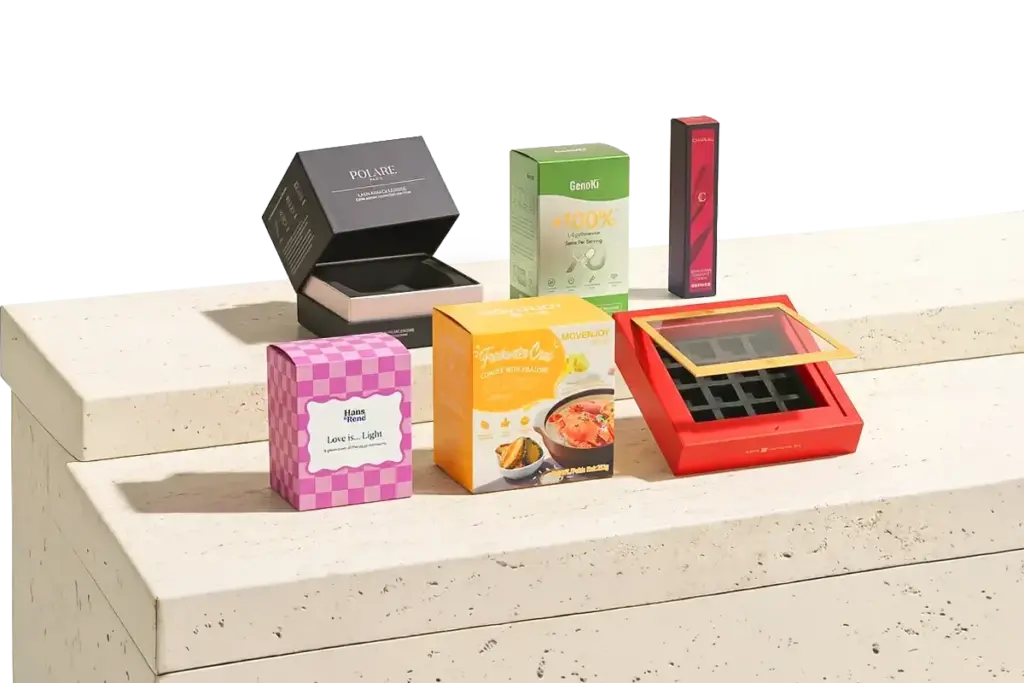
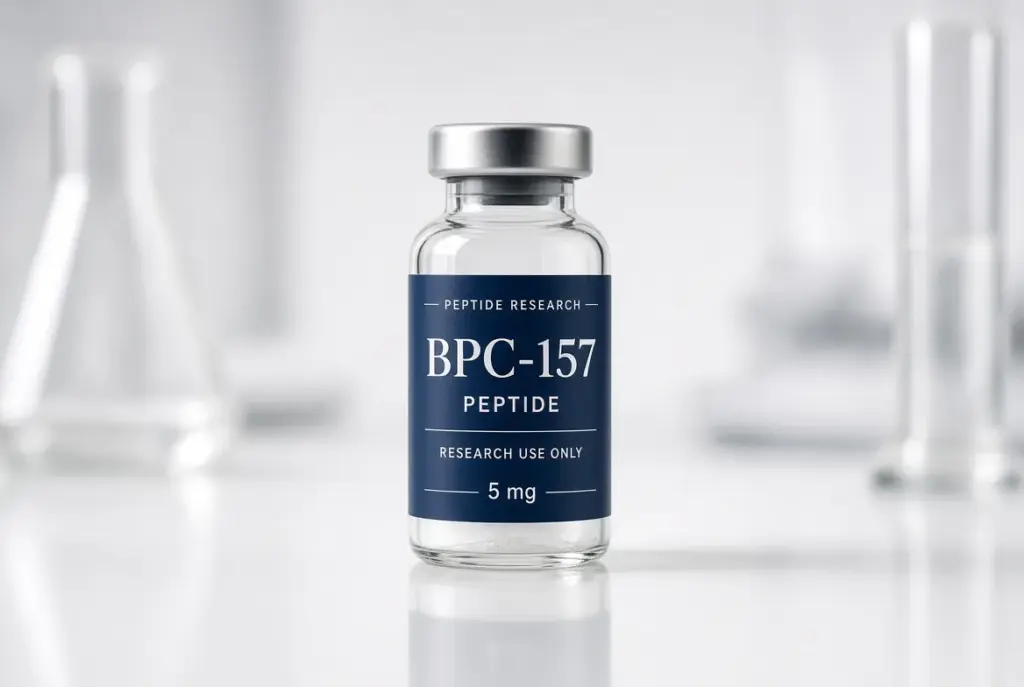
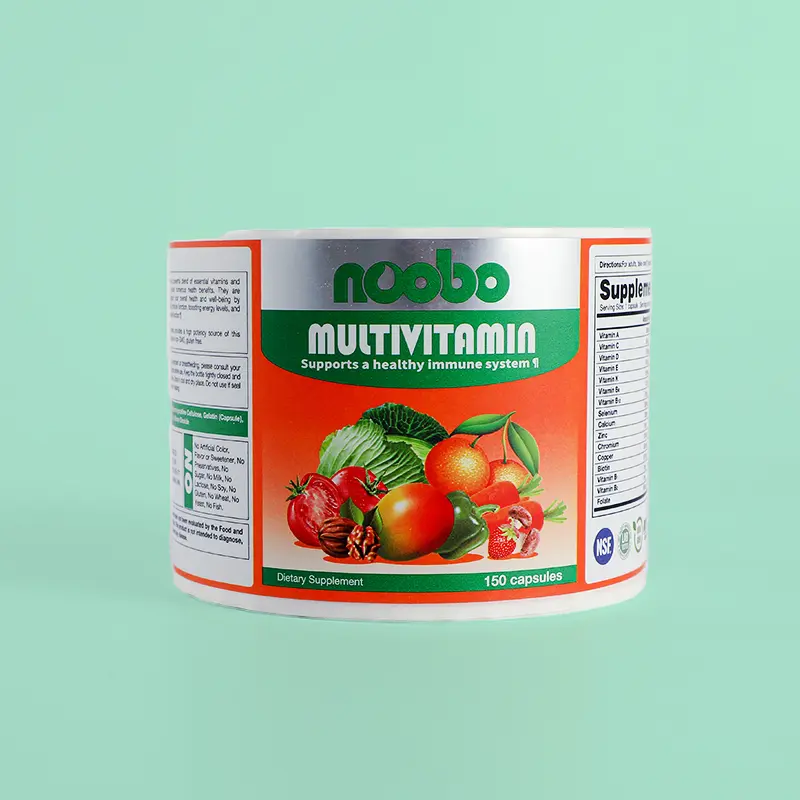
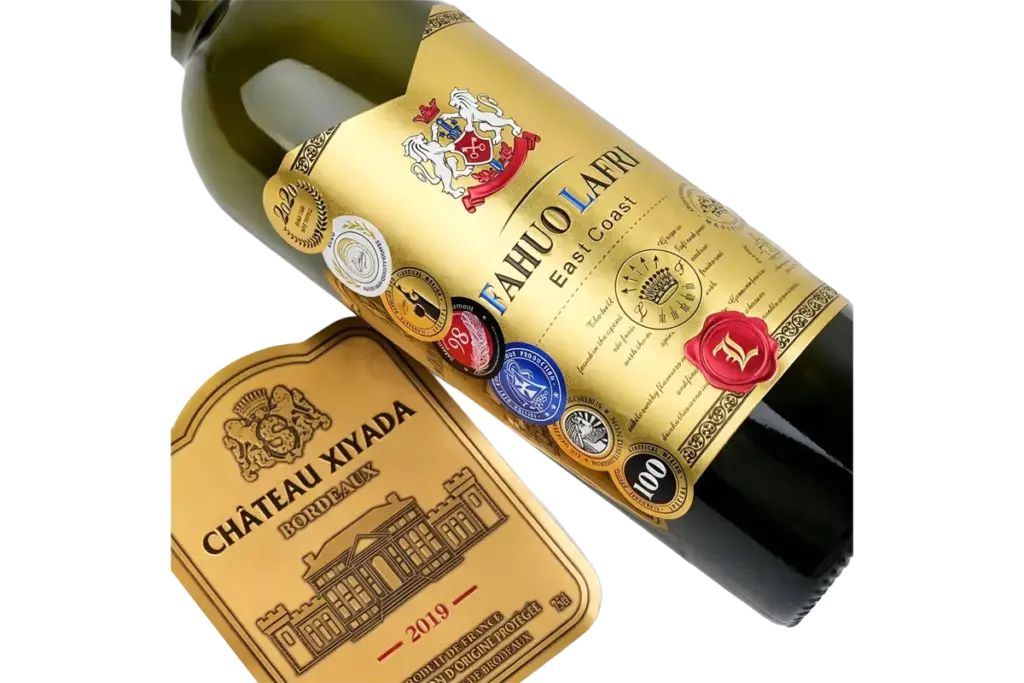
Heavy-duty laminated labels protect product graphics, brand information, and printed details against moisture, handling, and environmental exposure, helping products maintain a premium appearance throughout their lifecycle.
If a product label loses its appearance or readability during storage, transportation, or retail display, brands may face reduced shelf appeal and inconsistent product presentation.
Using durable laminated labels for packaging applications helps prevent this failure by protecting product graphics, brand information, and printed details from moisture, handling, and environmental exposure.
Material Architecture of Laminated Product Labels
Specifying a label that survives harsh environments requires an engineered multi-layer system. Each component must work together to prevent edge lifting, fading, or total adhesive failure.
- Face-stock selection: Polyester (PET), Polypropylene (PP), and Vinyl films provide different levels of durability, flexibility, and visual performance for applications such as beverage, cosmetic, and specialty product packaging.
- Adhesive systems: Permanent adhesives provide reliable bonding on different packaging surfaces while maintaining label appearance during storage, transportation, and product use.
- Protective lamination: UV-blocking overlaminates shield printed graphics from solar degradation, moisture ingress, and chemical contact.
Performance Standards and Weathering Certifications
Engineers cannot rely on vague marketing terms like “waterproof” or “weatherproof” when specifying safety markers. True environmental durability requires validation through independent, standardized testing regimens.
- UL 969 compliance: This standard provides a recognized framework for evaluating the durability and performance consistency of certain marking and labeling systems.
- BS 5609 marine certification: This certification evaluates the durability of pressure-sensitive labels exposed to demanding environmental conditions, including moisture, abrasion, and weathering.
- Accelerated testing protocols: Validation relies on standardized tests such as ASTM G154 for UV exposure and ASTM B117 for salt fog durability.
Durability Tiers and Harsh Environment Use Cases
Label lifespans vary dramatically based on the exposure profile of the operating environment. Matching your application to the correct durability tier prevents over-engineering simple indoor assets while avoiding field failures on high-exposure outdoor equipment.
- Durable industrial tier: Designed for 2 to 5 years of sheltered or indoor exposure using standard Polypropylene (PP) or Polyester (PET) constructions.
- Outdoor-rated tier: Engineered for 3 to 10 years of direct solar and environmental exposure via UV-stabilized laminate stacks.
-
Specialized laminated systems: Premium labels for demanding applications undergo material and durability testing to improve resistance against moisture, handling, and environmental changes.
Specification and Application Best Practices
Even the most robust material stack will fail if applied incorrectly or paired with weak ink. Implementing rigorous protocols during the design and application phases ensures maximum field service life.
- Print technology integration: Pair heavy-duty lamination with UV-resistant thermal transfer or solvent-based inks to prevent fading.
- Surface preparation: Clean, degrease, and dry substrates prior to label application to maximize initial adhesive tack and prevent edge lifting.
- Design optimization: Incorporate bold, high-contrast layouts and generous barcode quiet zones to preserve scan reliability as the label ages.
Selecting the proper combination of face-stocks, adhésifs, and UV overlaminates ensures your labeling system functions as a reliable multi-year asset. Testing these configurations on your specific substrate materials in real-world conditions will guarantee compliance and legibility under long-term environmental stress.
Elevate Your Packaging With Luxury Finishes
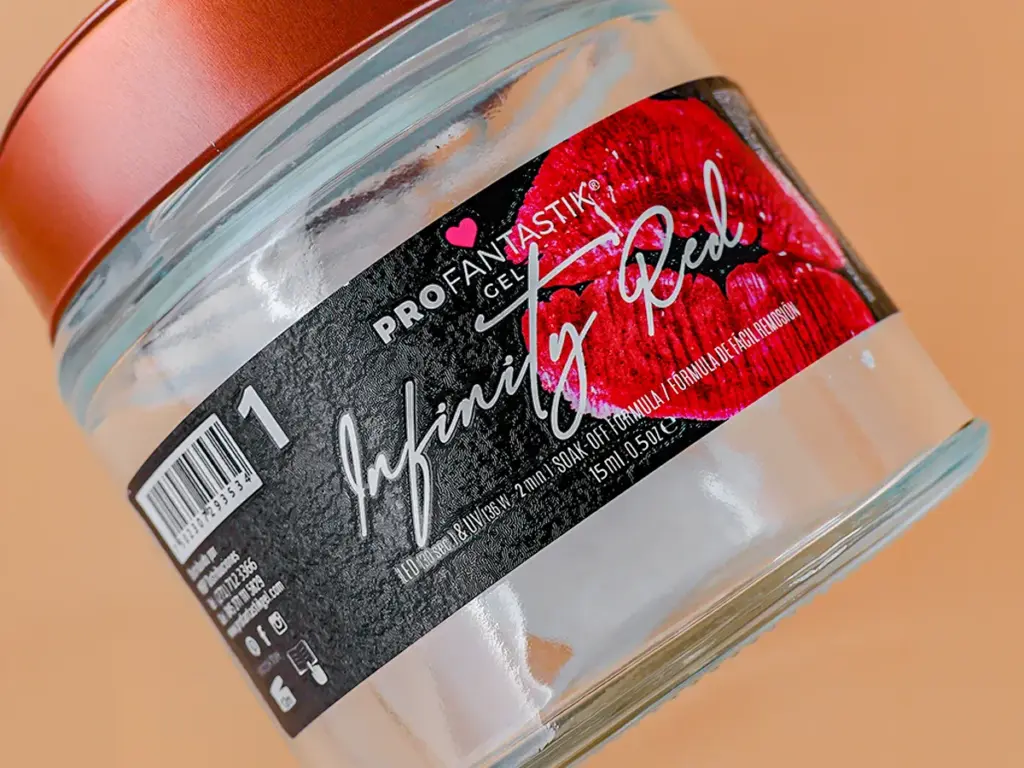
Waterproof Protection with Laminated Labels
Laminated synthetic labels prevent moisture ingress and ink degradation, ensuring multi-year legibility and adhesion under aggressive wet, chemical, and outdoor conditions.
Wet packaging environments quickly turn standard labels into soggy, illegible scrap. Achieving true waterproof protection with laminated labels requires matching the right barrier film with a synthetic substrate and wet-strength adhesive.
Mechanics of Lamination and Moisture Barrier Performance
Standard printing leaves ink exposed to physical contact and environmental liquids. Lamination seals a clear plastic film directly over the printed face, creating a physical shield that locks out water.
- Physical Shielding: Adds a sealed protective film over the printed face to prevent water ingress, smudging, and handling abrasion.
- Film Integration: Combines synthetic facestocks with gloss or matte laminates to form a highly durable barrier layer.
- Print Preservation: Protects printed ink layers from breaking down during repeated wetting, refrigeration, or intense washdown conditions.
Substrate Options and Material Performance Tiers
Selecting the base material dictates the baseline durability of the entire label system. Paper-based substrates fail to maintain structural integrity in high-moisture or submerged conditions, swelling and tearing rapidly.
- White BOPP: Serves as a highly cost-effective, non-absorbent option for food, beverage, and bath packaging.
- Polyester (PET): Delivers maximum durability for harsh environments, resisting chemicals, extreme temperatures, and long-term outdoor UV exposure.
- Vinyle: Provides high flexibility and moisture resistance for applications requiring conformability on curved surfaces.
Adhesive Strength and Ink Compatibility in Wet Conditions
A waterproof face stock means nothing if the adhesive dissolves. The entire construction must work as a unified system, ensuring the bond holds even when applied to cold, damp surfaces.
- Permanent Waterproof Adhesives: Prevent peeling, lifting, or edge-flagging on damp, cold, or uneven surfaces.
- Construction Integrity: Ensures complete construction integrity by matching moisture-resistant adhesives directly with synthetic facestocks.
- Ink Compatibility: Pairs lamination with durable pigment, solvent, or UV-cured inks to prevent print degradation from heavy condensation and handling.
Technical Validation and Environmental Testing Standards
Specifiers must rely on verified laboratory testing instead of generic marketing terms. True validation requires testing the entire label stack against standardized, severe environments.
- Performance Distinctions: Distinguishes between water-resistant, waterproof, and weatherproof performance based on verified laboratory testing instead of generic marketing terms.
- UV and Weathering: References ASTM G154 and ISO 11997-1 to measure outdoor UV exposure and weathering resistance.
- Marine and Chemical Standards: Applies ASTM B117 for salt fog testing in marine environments and BS5609 for maritime chemical transport labeling.
- Industrial Marking Recognition: Leverages UL 969 standards to validate long-term durability and safety recognition for industrial marking systems.
Choosing the Right Lamination for Products
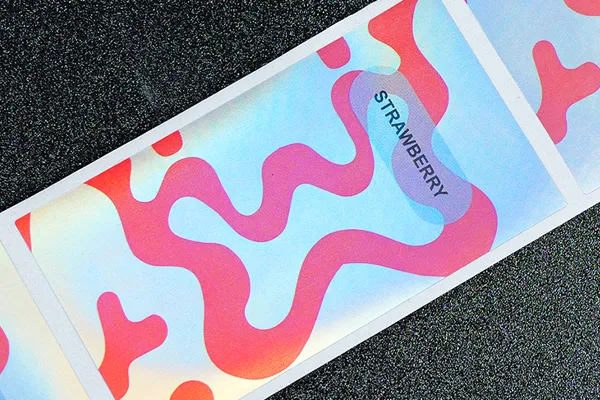
Choosing the right lamination for products extends label service life up to five times, shielding critical print against heavy handling, UV exposure, and moisture.
Core Durability Benefits of Film Lamination
Unprotected label face stocks fail rapidly when exposed to daily industrial wear. Standard print smudges, paper-based labels tear, and raw inks fade under direct sunlight. Applying a film laminate transforms a fragile print surface into a resilient asset designed to last through shipping and rough retail storage.
- Service Life Extension: Extends baseline label life by three to five times compared to non-laminated options, saving long-term replacement costs.
- Physical Protection: Serves as a tough, continuous shield that prevents ink smudging, scuffing, and transit-related scraping.
- Environmental Shielding: Blocks moisture penetration, rain, high humidity, and UV-driven color fading.
Adding a clear protective film moves the label from a short-term consumable to a multi-year industrial tool. This protection prevents label failure from compromising product tracking or safety data.
Comparing Film Materials: BOPP, PET, and Vinyl
Selecting the wrong plastic carrier leads to edge curling or premature cracking under physical stress. Each film family serves a distinct physical environment, meaning you must align the film choice with the packaging material and shape.
- BOPP (Biaxially Oriented Polypropylene): Delivers excellent optical clarity and flexibility, making it the default choice for curved retail bottles and squeeze packaging.
- PET (Polyester): Provides excellent durability, chemical resistance, and dimensional stability, making it suitable for premium packaging and specialty label applications.
- Vinyle (PVC): Yields high conformability for irregular, rough, or curved surfaces, offering durable outdoor weathering for three to seven years.
Matching the laminate chemistry to the underlying face stock prevents differential shrinkage. This practice stops the layers from pulling apart when exposed to hot and cold temperature cycles.
Selecting the Right Finish: Gloss versus Matte
The choice of finish dictates both the human visual response and the ease of automated inventory tracking. Selecting a finish requires balancing the aesthetic goals of the brand with the functional demands of the packaging line.
- Gloss Finishes: Maximize color saturation and print contrast, producing vibrant retail shelf appeal for consumer items.
- Matte Finishes: Reduce reflections while creating a sophisticated appearance, making them suitable for premium packaging designs and products displayed under different lighting conditions.
- Film Thickness: Thinner films preserve flexibility for squeezable cosmetic tubes, while thicker films resist heavy physical abrasion on flat metal panels.
While gloss finishes excel at wiping clean, matte alternatives are far superior at hiding surface scuffs and minor fingerprint oils over extended handling periods.
Lamination versus Varnish: Performance Comparison
Brand owners often weigh the lower upfront cost of liquid varnishes against the robust defense of a solid plastic laminate. Understanding the physical differences between these two protection systems prevents label failure in the field.
- Protection Type: Lamination applies a pre-extruded solid film barrier, while varnish relies on a thin, liquid-applied coating cured by UV light.
- Service Lifespan: Varnish provides light protection suitable for low-risk, short-term indoor items with a lifespan under 12 months.
- Environmental Limits: Wet environments, heavy condensation, and regular industrial cleaning wear through varnish in weeks, requiring film lamination to preserve print legibility.
Varnishes work well for rapid distribution retail boxes. However, any label destined for a wet shower, kitchen counter, or warehouse floor demands a laminated build to survive its lifecycle.
Environmental and Regulatory Decision Criteria
Regulatory compliance often dictates the physical properties of a label build. In high-risk fields, a simple failure of legibility can trigger costly safety violations or recall procedures.
- UV Exposure: Outdoor deployments require UV-inhibiting laminates to prevent solar degradation and extend outdoor performance past three years.
- Safety Compliance: Hazardous environments require label systems that meet UL 969 and GHS standards, keeping critical warning icons readable despite mechanical wear.
- Chemical Resistance: Soins de santé, cosmetic, and specialty products may require chemical-resistant laminates to maintain label quality when exposed to oils, moisture, or cleaning agents.
We recommend evaluating your packaging material, product environment, and design requirements early in the label development process. This steps ensures the laminated label exceeds compliance metrics and holds its bond throughout the asset’s active life.
Final Thoughts
Selecting cheap, unlaminated labels might trim immediate packaging expenses, but adhering to our Quality Factory Standard is the only reliable way to safeguard your reputation against premature peeling, fading, and compliance failures in the field. Investing in engineered, multi-layer laminated solutions protects your brand identity and keeps critical product data legible under the harshest operating conditions. This strategic choice ultimately lowers your total cost of ownership by eliminating frequent label replacements and product recalls.
We recommend testing our durable materials on your specific product surfaces to find the exact film and adhesive configuration for your environment. Requesting a custom sample pack allows your engineering team to verify our adhesive strength and scratch-resistant finishes under real-world stress. Reach out to our technical specialists to discuss your custom dimensions, material specifications, and bulk volume pricing.
Frequently Asked Questions About Laminated Labels
How long do laminated labels last?
Laminated labels can typically last several years depending on the label material, adhesive, laminate type, and product environment. For packaging applications such as cosmetics, beverages, food products, and retail items, lamination helps protect printed graphics from moisture, abrasion, handling, and fading, helping brands maintain a consistent appearance throughout the product lifecycle.
Are laminated labels waterproof?
Laminated labels provide strong resistance to moisture and water exposure, but their performance depends on the complete label structure, including the face material, adhesive, laminate film, and printing technology. When combined with synthetic materials such as BOPP or PET and suitable adhesives, laminated labels are widely used for products exposed to humidity, refrigeration, condensation, or frequent handling.
Why use laminated labels?
Laminated labels add a protective film layer that helps improve durability, appearance, and print protection. They reduce the risk of scratching, smudging, moisture damage, and color fading, making them suitable for premium packaging applications where both visual appeal and long-term performance are important.
What products need laminated labels?
Laminated labels are commonly used for products that require durable and attractive packaging, including wine bottles, beverages, cosmetics, skincare products, candles, healthcare products, and retail packaging. They are especially suitable for brands that need labels to maintain a premium appearance during transportation, storage, and shelf display.
Does lamination protect labels?
Yes. Lamination protects labels by adding a clear film layer over the printed surface. This protective barrier helps prevent damage caused by moisture, friction, handling, and environmental exposure while preserving the quality of printed colors, patterns, and brand details.
Are laminated labels scratch resistant?
Laminated labels offer improved scratch and abrasion resistance compared with unprotected labels. The level of protection depends on the laminate material and thickness. Gloss and matte laminates can both enhance durability while providing different visual effects for premium packaging designs.
Can laminated labels handle heat?
Laminated labels can withstand certain temperature conditions depending on the selected materials, adhesive system, and application requirements. PET-based labels and specialized laminate structures generally provide better dimensional stability, making them suitable for products exposed to temperature changes during storage and transportation.
What is the best laminate for labels?
The best laminate depends on the product application, packaging material, et finition souhaitée. Gloss laminates enhance color brightness and shelf appeal, while matte laminates provide a premium soft appearance and reduce reflections. PET, BOPP, and other film laminates are commonly selected based on durability, flexibility, and packaging requirements.
Are laminated labels suitable for bottles?
Yes. Laminated labels are widely used for bottles such as wine, spirits, beverages, skincare products, and household products. Film materials like BOPP and PET provide good moisture resistance and flexibility, making them suitable for curved surfaces while helping labels maintain their appearance throughout the product lifecycle.
How are laminated labels made?
Laminated labels are produced by printing designs onto a suitable label material and applying a protective film layer over the printed surface. The process typically includes material selection, printing, lamination, die cutting, and quality inspection. Different combinations of films, adhésifs, finishes, and printing methods allow brands to create labels suited for specific packaging requirements.
Related Products You May Like
Want to know more about Meikei? Visit explore our custom label printing services or explore view our customization options.