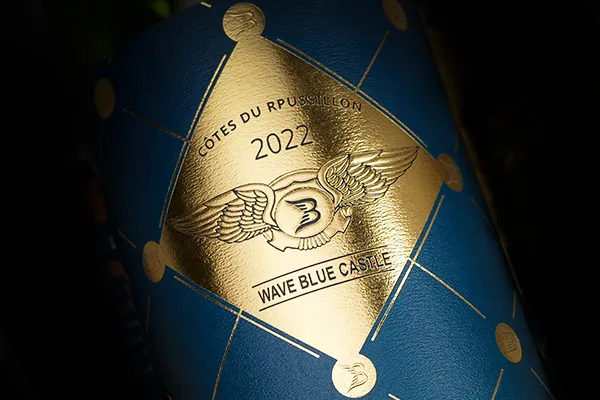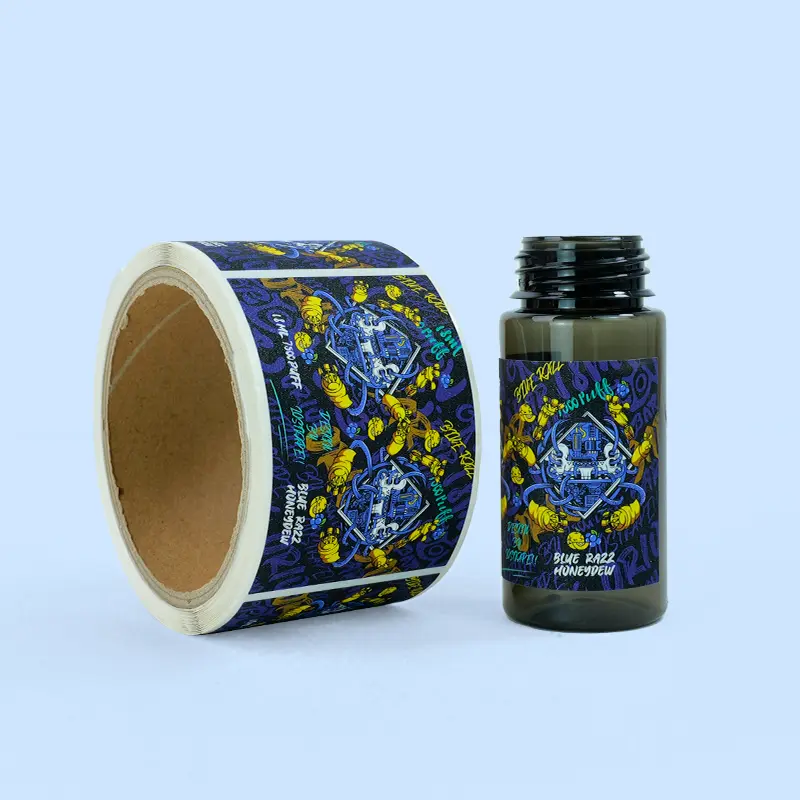
Using this Waterproof Labels Adhesive Guide to optimize packaging sourcing prevents the high-stakes failure of pairing premium synthetic films with water-soluble glues. When adhesive chemistry is mismatched to your operating environment, moisture triggers rapid edge lifting, leading to rejected product shipments and damaged brand credibility.
This analysis benchmarks acrylic emulsions, solvent acrylics, and hot-melts against industrial BS 5609 and UL 969 standards. We evaluate substrate surface energy and wet-state shear retention to help you secure a reliable packaging system.
Why Adhesive Matters for Waterproof Labels
A perfect synthetic facestock fails instantly if your adhesive cannot survive moisture. True waterproof labels rely entirely on chemistry matched to the substrate and environment.
Why do perfectly good waterproof labels still peel off wine bottles in ice buckets or fall off chemical drums after a rainstorm? The answer usually lies beneath the surface film: the adhesive failed long before the plastic did. Choosing a label based solely on face material is a costly mistake that ignores how adhesive chemistry behaves in wet environments.
The Primary Failure Point in Waterproof Label Systems
Most label failures originate at the adhesive layer rather than the face material itself. Brands often invest heavily in durable synthetic films like BOPP or vinyl, only to watch the labels slide off the moment moisture hits. A functional label is a three-layer sandwich: the facestock blocks water, the print coating protects the ink, and the adhesive acts as the primary structural bond. If that adhesive cannot handle wet exposure, the entire system collapses.
Standard permanent adhesives soften and lose tack quickly when exposed to moisture. Truly waterproof adhesives must maintain a strong bond after 72 or more hours of continuous submersion, resisting the urge to emulsify or release from the container.
Key Adhesive Chemistries and Performance Properties
Manufacturers use pressure-sensitive adhesives in a typical thickness range of 15–25 µm, relying on distinct chemistries depending on the application:
- Water-based acrylic emulsions: These serve as the baseline workhorse for packaging and cosmetics, delivering reliable moisture and UV resistance at a balanced cost.
- Solvent-based acrylic adhesives: These provide excellent resistance to moisture and temperature changes, with some formulations designed for applications ranging from sub-zero conditions to elevated temperatures.
-
Rubber-based and hybrid hot-melt adhesives: These provide strong initial tack on various packaging surfaces, including some cold and damp conditions. However, they generally offer lower long-term UV and heat resistance compared with acrylic adhesive systems.
Critical Environmental Stressors on Label Adhesion
Environmental conditions dictate adhesive survival. For instance, submersion in ice buckets or industrial water baths demands an adhesive that blocks moisture penetration for at least 72 hours without edge lifting.
In food processing or industrial plants, steam cleaning and high-temperature sanitizing washdowns easily soften standard adhesives. These facilities require high-temperature formulations that won’t liquefy or wash away under pressurized hot water.
Products exposed to changing storage and transportation conditions, such as refrigerated beverages or outdoor-use packaging, require adhesives that can withstand moisture, temperature fluctuations, and UV exposure. Over time, these forces degrade weak adhesives, leading to bubbling, yellowing, and eventually total bond failure.
Substrate Compatibility and Proper Application Parameters
Applying the label correctly matters just as much as choosing the right chemistry. Even the most advanced adhesive fails if applied to a contaminated surface or a mismatched plastic.
- Low-surface-energy (LSE) plastics: Polypropylene and polyethylene require specialized high-tack adhesives that can achieve complete surface wet-out to prevent edge lifting.
- Surface preparation: Applying labels to greasy, dusty, or damp surfaces ruins the bond, so we must clean the area with isopropyl alcohol first.
- Application pressure: Squeegeeing or pressing the label firmly eliminates microscopic air pockets that can trap moisture and initiate peeling.
- Dwell time: Adhesives require a standard 24-hour cure window at room temperature to establish their maximum bond strength before facing water or ice.
Protecting your branding and tracking data in wet environments requires looking beyond the facestock. By pairing a durable synthetic film with an adhesive chemistry engineered for your specific substrate and thermal conditions, you ensure the label remains functional, secure, and legible throughout the product’s entire service life.
Types of Adhesives Used for Waterproof Labels
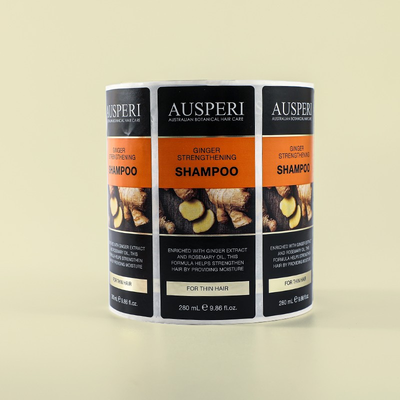
Selecting the correct waterproof label adhesives determines whether your packaging survives real-world moisture, condensation, and temperature swings or peels off during critical handling.
When your product faces moisture, rain, or heavy washdowns, choosing the correct types of adhesives used for waterproof labels is the difference between a pristine brand and a peeling disaster. A water-resistant facestock provides zero value if the adhesive layer dissolves, softens, or loses its grip when wet.
Acrylic-Based Waterproof Adhesives
Acrylic chemistries serve as the backbone of moisture-resistant labeling due to their inherent UV stability, oxidation resistance, and long-term durability. They break down into three primary industrial formats:
- Permanent acrylic: This serves as the standard industry choice for enduring rain, constant condensation, and routine washing cycles without losing bond strength.
- Solvent acrylic: Provides maximum resistance under extreme temperatures and aggressive chemical exposure, making it the default choice for industrial chemical drums.
- Water-based acrylic emulsions: Offers a highly balanced, cost-effective option for cosmetic and beverage bottles when you pair them with plastic film facestocks.
Rubber-Based Hot-Melt Adhesives
Rubber-based formulations prioritize immediate grip over long-term exposure resistance. They excel in high-speed production environments but come with distinct environmental trade-offs:
- Strong initial tack: Delivers rapid wet-out and grab on diverse packaging surfaces, which makes them highly economical for rapid, high-volume label application.
- Targeted applications: Suitable for packaging applications that require strong initial adhesion but do not face prolonged exposure to extreme moisture, heat, or outdoor conditions.
- Exposure limits: Offers lower resistance to sustained moisture, direct UV exposure, and heavy weathering when compared to acrylic formulations.
Specialty Temperature and Environment Formulations
Standard environmental conditions rarely exist in logistics and industrial shipping. Specialty formulations address these specific cold-chain and heavy-moisture stress points:
- Freezer-grade adhesives: Remain sticky and pliable at sub-zero temperatures, preventing adhesion failure from frost and ice-induced condensation.
- Wet-environment adhesives: Endure prolonged water immersion, keeping beverage and marine labels fully bonded even when submerged in ice buckets or seawater.
- Removable acrylic adhesives: Allow clean peeling without leaving sticky residue behind, making them ideal for reusable containers and temporary promotional labels.
Substrate Compatibility and Selection Criteria
Adhesive performance relies entirely on surface chemistry and application execution. If you apply a premium adhesive to an incompatible surface, the labeling system will fail.
- Surface energy: Low-surface-energy plastics like HDPE and PP require aggressive, high-tack adhesives to form a secure, permanent bond.
- System integration: Label performance depends on the entire system, requiring durable facestocks like BOPP, PET, or vinyl to physically shield the adhesive from water infiltration.
- Application limits: The container surface temperature at application must match the adhesive’s operational limits so the bond forms before moisture freezes on the surface.
High-Performance Custom Labels Engineered for Scale
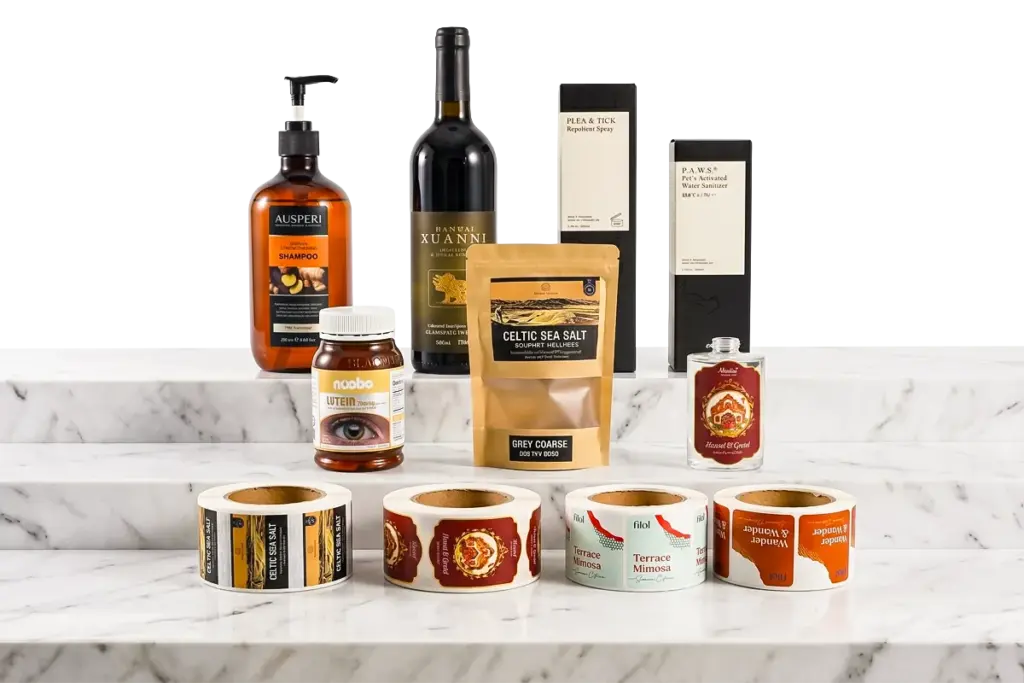
Waterproof Labels for Glass, Plastic, and Metal Surfaces
When cold-chain condensation or ice bucket immersion hits, selecting the right custom labels for glass, plastic, and metal surfaces determines whether your branding stays intact or slides off the container. Mismatched materials turn clean packaging into a soggy, peeling mess in hours.
Truly waterproof labels require matching non-porous film facestocks with moisture-rated acrylic or solvent adhesives tailored specifically to your container’s surface energy and service temperature.
Material Options for Wet and Rugged Environments
Selecting the right face stock prevents water absorption and keeps the label structure stable. Film-based synthetics outperform paper by blocking moisture from reaching the adhesive layer.
- BOPP (Biaxially Oriented Polypropylene): A widely used film material for rigid packaging due to its moisture resistance, printability, and compatibility with various adhesive systems. It provides high moisture resistance on beverage bottles, jars, and food containers.
- Polyester (PET): This material delivers heavy-duty tear resistance and dimensional stability. It survives extreme temperature swings and harsh industrial environments.
- Vinyl (PVC): A highly flexible, UV-resistant option. It handles outdoor equipment, heavy abrasion, and continuous exposure to moisture.
Substrate Considerations for Glass, Plastic, and Metal
Every packaging material interacts differently with pressure-sensitive adhesives. You must align the adhesive formulation with the specific surface characteristics of your container.
- Glass: Smooth, nonporous glass surfaces work well for a clean, no-label look using clear BOPP. However, tight curves or condensation during application can cause edge lifting.
- Plastic: Plastic containers vary widely. Squeezable bottles require flexible face stocks, while low-surface-energy plastics like HDPE or PP require high-tack adhesives to prevent peeling.
- Metal: Aluminum cans and metal packaging require adhesives with good initial tack and shear strength to maintain label performance during temperature changes, handling, and transportation.
Waterproof vs. Water-Resistant Adhesive Performance
Mistaking water resistance for waterproof performance often leads to field failures. The difference lies entirely in how the adhesive behaves under prolonged wet exposure.
- Waterproof Performance: Heavy-duty permanent acrylic or solvent adhesives withstand complete submersion, refrigeration, and high-pressure wash-downs. These formulas maintain their bond for years under wet conditions.
- Water-Resistant Performance: These systems protect against temporary humidity, light splashes, or surface condensation, but they lose adhesion under prolonged immersion.
- Environmental Variables: Factors such as UV exposure, temperature spikes, and chemical contact dictate whether you need a standard permanent emulsion or an ultra-tack solvent formula.
Surface Preparation and Print Protection Methods
Applying a label correctly is just as important as choosing the right material. Even the best adhesive fails if applied to a dirty or wet container.
- Surface Preparation: Wipe substrates with isopropyl alcohol to remove dust, manufacturing oils, and condensation. Apply the label to a dry, clean surface to ensure full adhesive contact.
- Print Protection: Use a clear laminating film, gloss overcoat sheet, or protective topcoat. This shield prevents ink from smudging, running, or scuffing when handled with wet hands.
- Production Testing: Test label samples directly on your production line containers. Real-world testing reveals edge-lift risks and verifies adhesive compatibility before you buy in bulk.
How Manufacturers Select the Right Adhesive
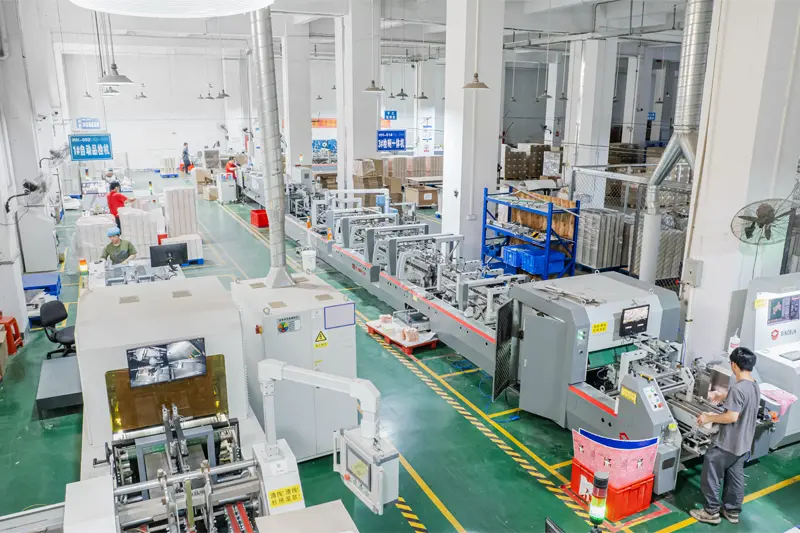
Selecting a waterproof label adhesive requires matching chemical properties to substrate surface energy, application temperatures, and specific environmental exposure profiles to prevent edge lifting.
| Adhesive Type | Moisture Resistance | Primary Substrates | Application Limit |
|---|---|---|---|
| Solvent Acrylic | Extreme / Marine Immersion | Metals, Glass, Heavy Plastics | Higher material cost |
| Acrylic Emulsion | High / Intermittent Wet | Glass, PET, Standard Packaging | Not for continuous immersion |
| Rubber Hot-Melt | Moderate / Splashes | Low-Surface-Energy (HDPE/PP) | Weak UV and heat resistance |
Failing adhesives ruin otherwise perfect product packaging, which is why choosing the correct waterproof label adhesive requires a precise technical evaluation of your operating environment. If the chemical formulation does not align with your specific exposure requirements, the label will inevitably slide, wrinkle, or peel away from the container.
Analyzing Environmental Exposure and Moisture Levels
Every application demands a specific defense strategy. Standard permanent adhesives quickly soften when subjected to prolonged dampness, meaning you must audit the moisture type before choosing a formula.
- Intermittent Splash: Best suited for bathrooms or kitchens where products encounter temporary water contact.
- Sustained Condensation: Common in cold-chain food storage and beverage ice buckets where moisture constantly sweats onto the surface.
- Complete Submersion: Demands marine-grade chemical bonds to prevent total adhesive washout.
Outdoor applications add secondary weathering agents into the mix. Ultraviolet radiation, temperature cycling, and harsh industrial solvents will degrade standard chemical bonds.
For specialized applications requiring high durability, certain industries may require additional label performance testing, such as BS 5609, which evaluates the durability of complete label constructions under demanding conditions.
Matching Adhesive Properties to Surface Characteristics
Adhesion fails when the glue cannot wet out—or flow microscopically across—the container surface. Smooth glass allows easy molecular contact, but plastics like polyethylene (HDPE) and polypropylene (PP) possess low surface energy that repels standard adhesives.
- Low Surface Energy (LSE) Substrates: Require aggressive, high-tack adhesives formulated to flow onto difficult plastics.
- Textured and Rough Materials: Demand higher adhesive coat weights to fill physical surface irregularities.
- Curved or Squeezable Containers: Require flexible adhesives with high shear strength to resist the constant spring-back force of the facestock.
Never rely on generic lab test panels. You must validate the adhesive directly on production-grade materials, as processing oils, mold release agents, and container textures vary wildly between suppliers.
Selecting Adhesive Chemistry for Durability
The chemical backbone of your adhesive dictates its long-term survival window. Selecting the wrong chemistry leads to yellowing, embrittlement, or premature bond failure when exposed to moisture.
- Acrylic-Based Chemistries: Deliver exceptional resistance to ultraviolet light, high temperatures, and chemical exposure while maintaining wet-bond strength.
- Rubber-Based Formulations: Offer immediate, aggressive initial grab but degrade rapidly when exposed to sun or sustained high temperatures.
- Permanent Adhesive Systems: Lock onto containers to survive the physical friction of repeated handling and refrigeration moisture.
Managing Application Temperature and Dwell Time
Even the most advanced adhesive will fail if the application process is flawed. Temperature at the exact moment of application acts as a critical bottleneck for adhesive performance.
- Optimal Window: Apply labels in dry conditions between 65°F and 80°F to ensure proper initial flow.
- Cold-Application Limits: Standard adhesives freeze and lose tack if applied to pre-chilled or frost-coated surfaces.
- Dwell Time: Allow a minimum of 24 hours at room temperature for the bond to build full strength before exposing the system to moisture.
Validating the Integrated Label Construction
Waterproof labeling is a system, not a single component. A waterproof adhesive matched with a standard paper facestock will fail as the paper fibers absorb water and pull the adhesive layer apart.
- Synthetic Facestocks: Pair non-porous films like polypropylene (BOPP), polyester (PET), or vinyl with waterproof acrylics.
- Inks and Overcoats: Protect graphics with UV-cured inks or clear laminating films to prevent color washout.
- One-Month Stress Testing: Monitor your applied labels over 30 days for edge lift, adhesive whitening, and scannability.
Consistently running these integrated system tests under realistic operating conditions ensures your labeled products maintain their visual appeal and technical compliance over their entire shelf life.
Frequently Asked Questions
Selecting the correct waterproof label adhesive is crucial for ensuring product labels remain bonded under extreme moisture, temperature shifts, and chemical exposure. Below, we address the most critical technical questions regarding material compatibility, failure mechanisms, and industrial testing standards.
What adhesive is used for waterproof labels?
Waterproof labels rely on pressure-sensitive adhesives, primarily acrylic-based and rubber-based hot-melt chemistries. Acrylic emulsions are the primary choice for film facestocks like BOPP, vinyl, and polyester because they resist water, humidity, and condensation. Rubber-based hot-melt adhesives offer high initial tack, making them useful for low-surface-energy plastics, but they are better suited for room-temperature environments with intermittent moisture rather than extreme cold or constant immersion.
How do waterproof labels stick to bottles?
Waterproof labels adhere using pressure-sensitive adhesives that form a bond when pressed onto the surface. The adhesive flows microscopically to fill the peaks and valleys of the bottle surface. This mechanism requires non-porous synthetic films (such as BOPP or PET) so the face material does not absorb water and weaken the bond. Applying the label to a clean, dry surface and allowing a 24-to-48-hour cure time ensures the adhesive reaches its maximum holding strength.
Why do labels fall off when wet?
Labels fail in wet conditions because water penetrates the label system and weakens the adhesive bond. Standard adhesives often soften or dissolve when exposed to condensation, rain, or immersion. Paper facestocks also absorb moisture, causing them to swell, wrinkle, and tear. This physical distortion puts mechanical stress on the adhesive, leading to edge lifting, sliding, and complete detachment.
What is the best adhesive for plastic bottles?
The ideal adhesive depends on the type of plastic. PET bottles bond easily with high-tack permanent pressure-sensitive adhesives. HDPE, LDPE, and polypropylene have low surface energy, which causes standard adhesives to lift or peel. These difficult plastics require low-surface-energy (LSE) acrylic adhesives or specialized high-tack hot-melts to maintain a secure bond under moisture and handling.
Are waterproof labels permanent?
Waterproof labels are not automatically permanent, as manufacturers offer both permanent and removable options. Most commercial waterproof labels feature permanent acrylic adhesives designed to last for the product’s expected life. For example, white BOPP packaging labels typically offer a service life of 2 to 3 years, while high-performance polyester labels can withstand harsh outdoor conditions for 7 to 10 years.
Can waterproof labels survive refrigeration?
Waterproof labels can survive refrigeration if they use cold-compatible adhesives and synthetic film facestocks like BOPP or PET. Standard adhesives harden and lose tack at low temperatures, causing labels to peel when condensation forms. Refrigerated products require all-temperature or chill adhesives designed to build a strong bond on cold, damp surfaces and endure temperature transitions.
What materials work with waterproof adhesives?
Waterproof adhesives work best with non-porous materials that remain stable in wet environments, including rigid plastics (PET, PP, PVC), glass, and metals. These materials provide a smooth base that allows adhesives to form a strong and durable bond. Proper surface preparation is also important to ensure reliable label performance, especially for products exposed to moisture or condensation.
Can waterproof labels resist chemicals?
Waterproof labels can provide additional resistance when they are designed with suitable synthetic materials and adhesives. For products exposed to oils, cosmetic ingredients, cleaning agents, or other challenging environments, PET or vinyl facestocks combined with suitable adhesive systems can improve label durability.
Final Thoughts
Cheap adhesives promise upfront savings but routinely fail when exposed to ice buckets, condensation, or temperature shifts. Adhering to the Quality Factory Standard for waterproof adhesives is the only reliable way to protect your brand from the reputation damage of peeling, bubbling, or slipping labels. A chemically matched bond ensures your packaging remains pristine, professional, and fully compliant throughout its entire shelf life.
We recommend testing physical label samples on your actual production containers to verify adhesive performance before ordering in bulk. You can request our comprehensive technical catalog or a custom sample pack to evaluate our acrylic and hot-melt formulations under your specific storage conditions. Our technical specialists are ready to help you identify the precise chemistry required for your container substrate and application machinery.
Related Products You May Like
Want to know more about Meikei? Visit explore our custom label printing services or explore check our FAQ.