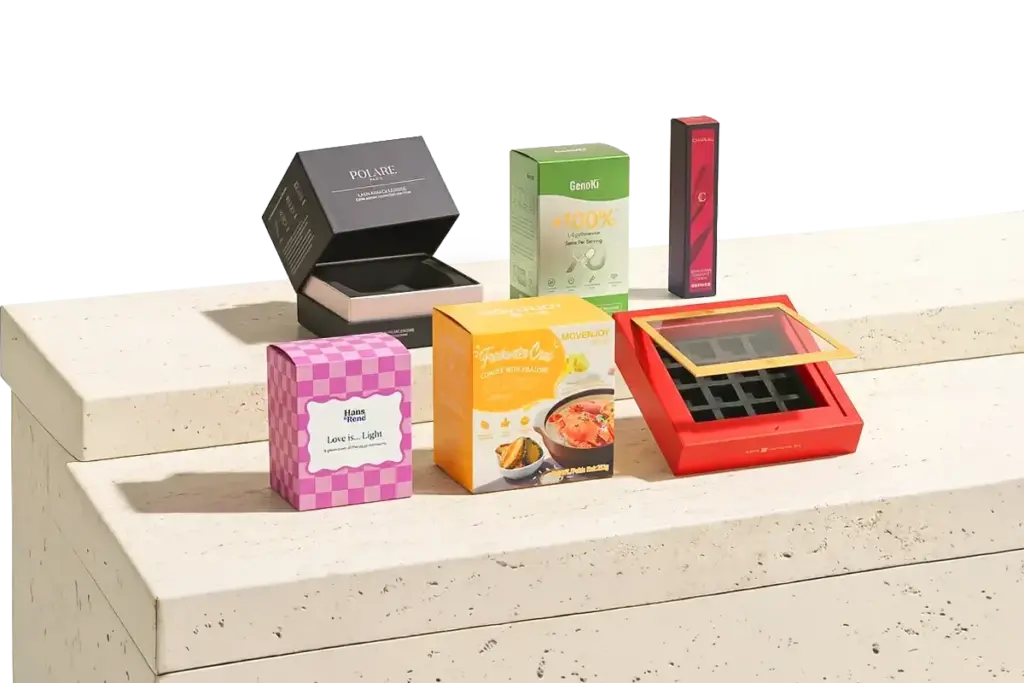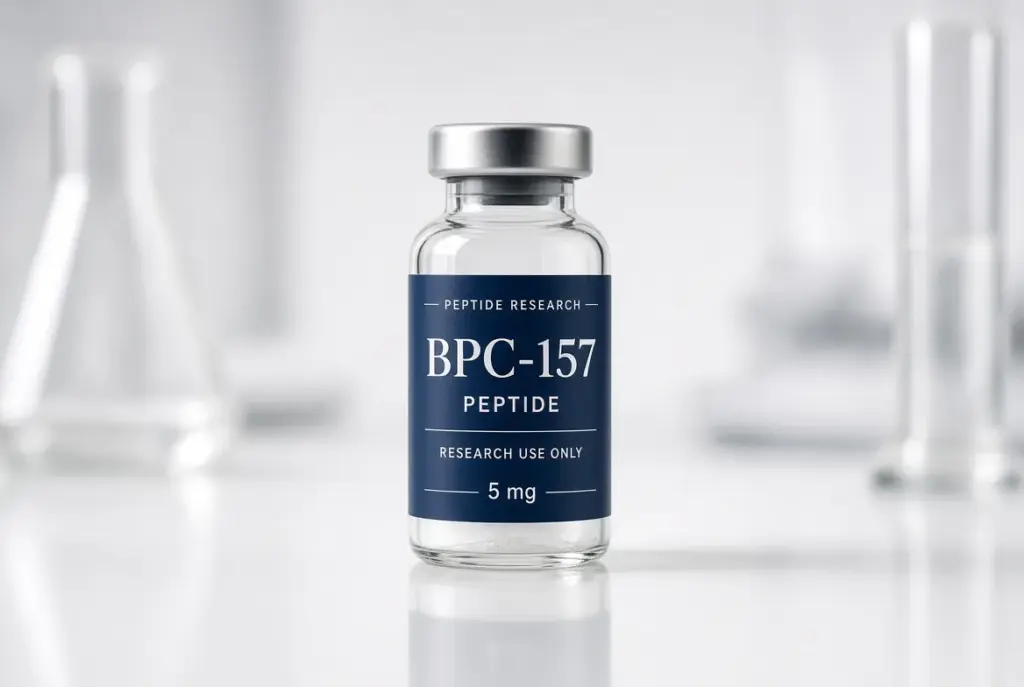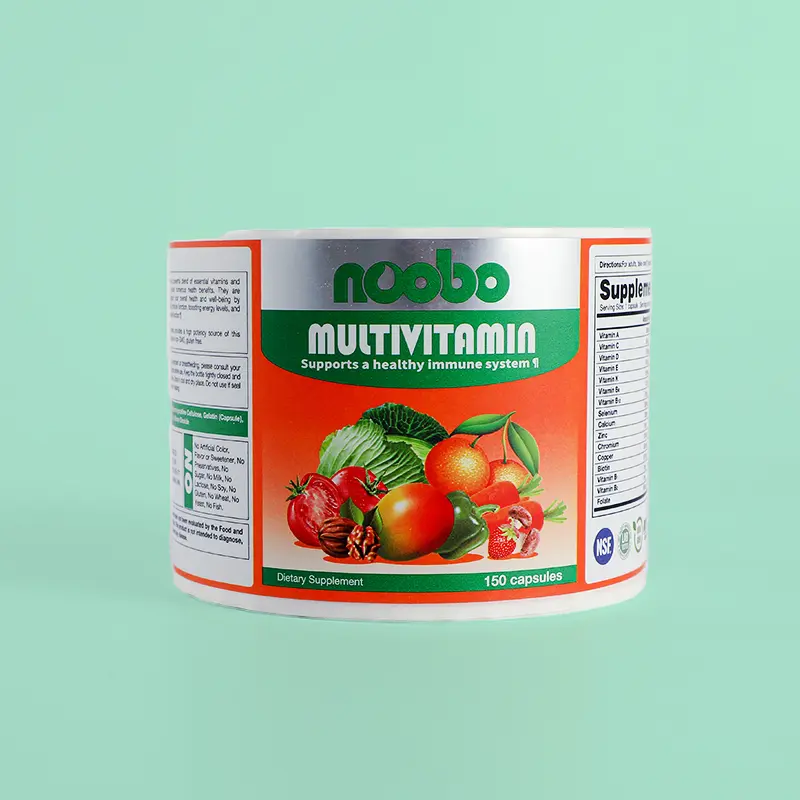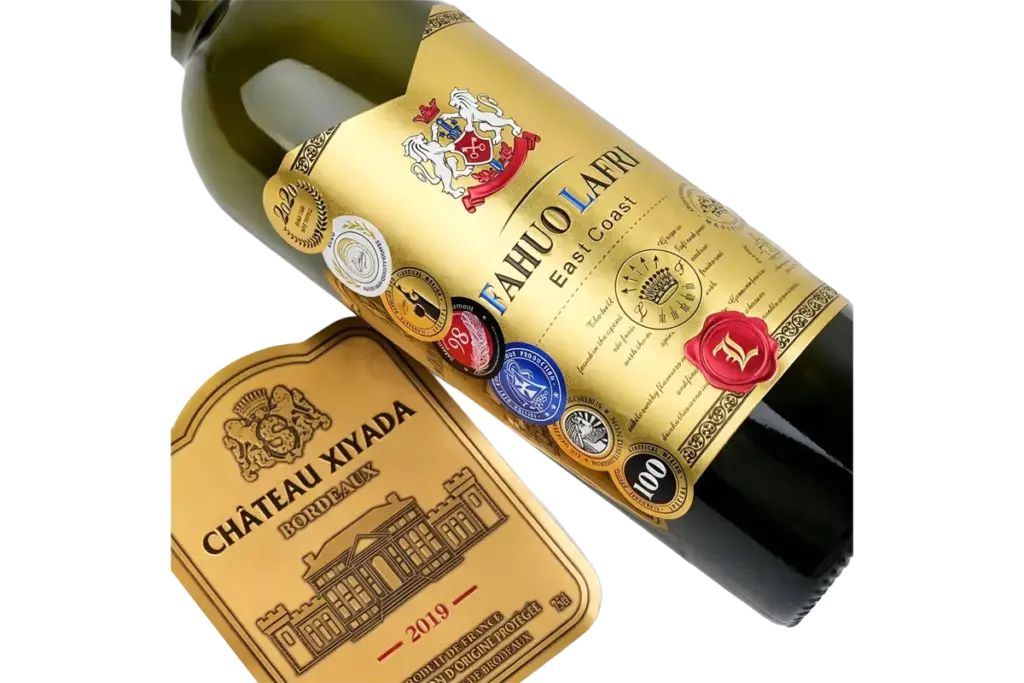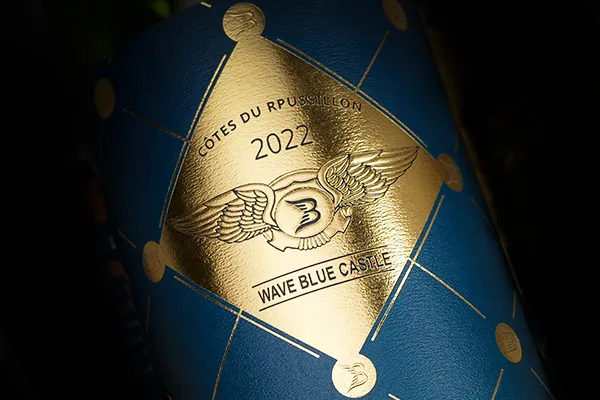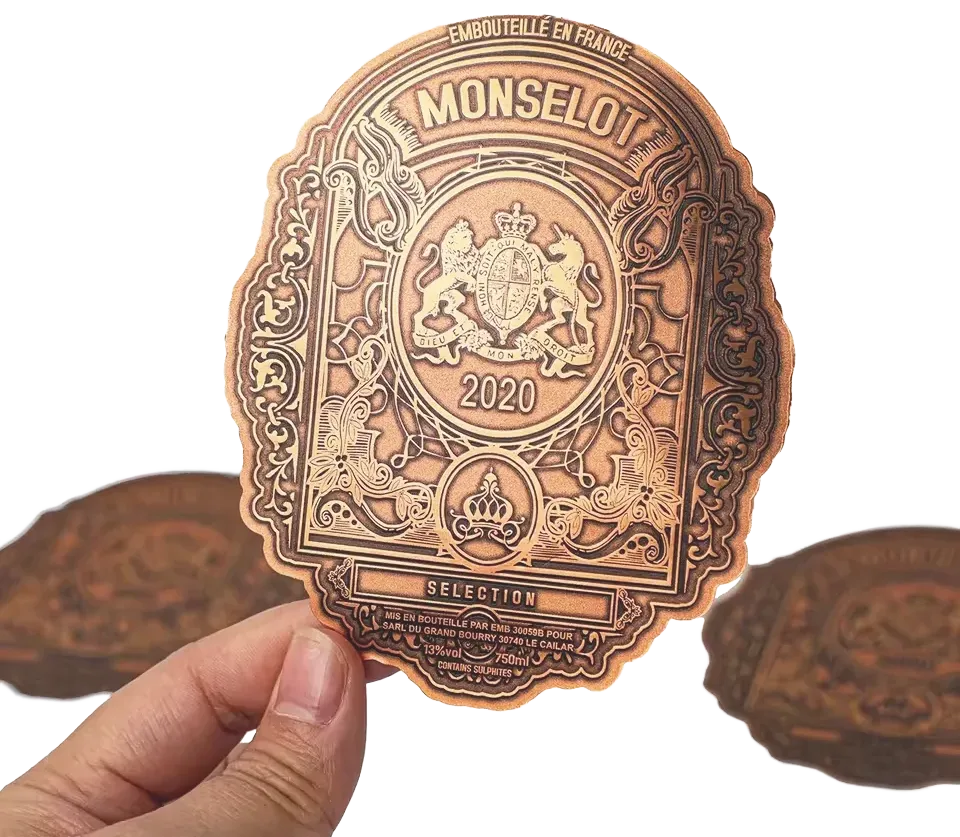
A product label may look simple on the surface, but its performance depends on several technical factors behind the scenes. The material, adhesive, printing process, and finishing treatment all determine whether a label stays intact, remains readable, and maintains its appearance throughout the product’s lifecycle.
This guide breaks down the fundamentals of custom labels and explains how different materials and production methods affect label performance. Whether you are launching a new product or upgrading your packaging, understanding these basics can help you select the right labeling solution.
Different Types of Custom Labels for Products
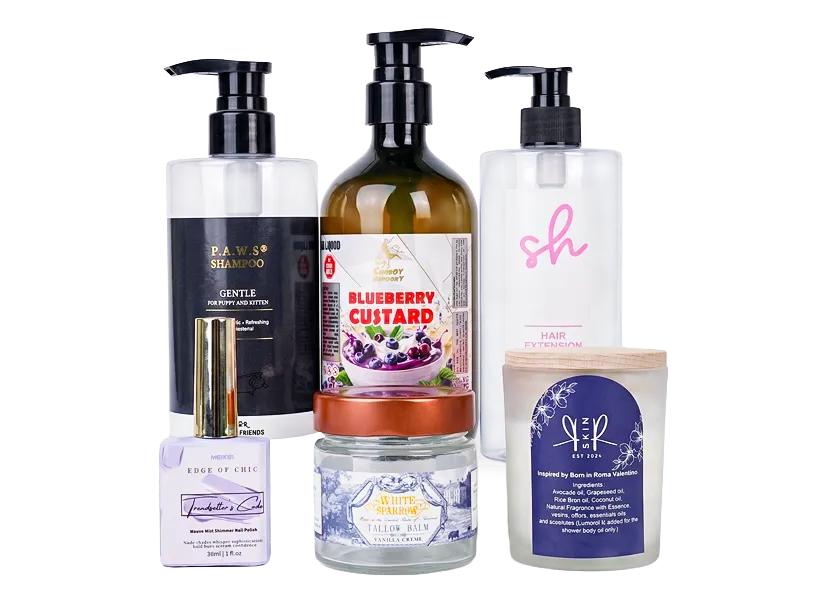
Selecting the right custom product labels requires understanding how different label types, formats, and functions align with your product packaging and application needs.
Functional Categories
Physical packaging requires different functional tiers of labels to successfully communicate with shoppers, manage warehouse logistics, and remain compliant with regional retail packaging laws.
- Brand or Prime Labels: These serve as the primary visual identifier on retail shelves. They feature high-resolution company logos, product names, and core marketing benefits designed to grab consumer attention.
- Descriptive Labels: These handle internal inventory and retail logistics by clearly displaying barcodes, unique SKUs, serial numbers, and batch codes.
- Regulatory and Compliance Labels: These communicate legally mandated details including nutrition facts, warning statements, complete ingredient lists, allergen declarations, and official certification marks.
- Security and Promotional Labels: These prevent retail theft and counterfeiting through tamper-evident features, or drive immediate point-of-sale conversions using QR codes and peel-off coupons.
Construction and Layout Formats
The physical structure of your label must adapt to the package shape, dimensions, and the total volume of text required by regulatory standards.
- Single-Ply Labels: A highly cost-effective, standard single-layer adhesive construction designed for flat or simple cylindrical consumer items.
- Booklet and Expanded Content Labels: These multi-page or fold-out accordion designs house extensive safety guidelines, drug facts, or multilingual instructions on small cosmetic or pharmaceutical vials.
- Resealable and Dry-Peel Options: These formats allow consumers to cleanly open and close packaging repeatedly or remove promotional coupons without leaving sticky residue behind.
- Shrink Sleeves and Specialty Die-Cuts: These conform perfectly to highly irregular or contoured container shapes, offering a full 360-degree canvas for maximum brand presence.
Application and Supply Methods
Operational scale dictates whether you receive your custom orders on continuous rolls or flat sheets. Hand-labeling a boutique run requires a completely different layout than utilizing automatic high-speed application machinery.
- Roll Labels: Wounded tightly around a standardized cardboard core, these rolls feed directly into semi-automatic or fully automatic labeling dispensers to streamline high-volume production lines.
- Sheet Labels: Shipped flat, these sheets are ideal for manual application, low-volume test runs, or quick desktop printer adjustments in-house.
- Shipping and Mailing Labels: These strictly support transit and e-commerce distribution networks rather than customer-facing retail branding.
How to Choose Materials for Custom Labels
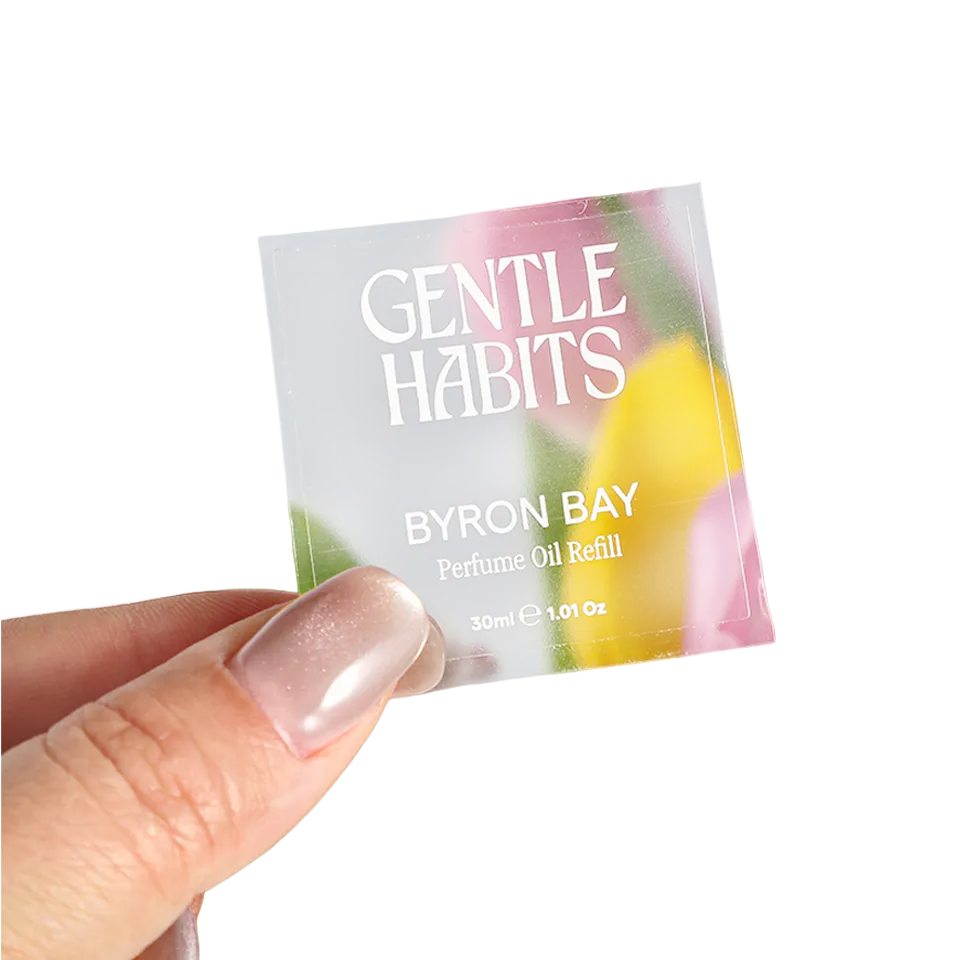
Selecting the right facestock and adhesive combination is essential for ensuring label performance across different packaging environments. The material choice should consider product surface, moisture exposure, temperature changes, and application requirements.
| Operating Environment | Empfohlenes Material | Key Advantage |
|---|---|---|
| Dry, Indoor Storage | Coated Paper | Most cost-effective option for high-volume retail packaging. |
| Moisture & Refrigeration | BOPP / PET Film | Resists water, oils, and structural stretching. |
| Extreme Outdoor / UV | Polyester (PET) or Vinyl | Blocks ultraviolet degradation and prevents tearing. |
| Cold-Chain / Freezer | Film + Freezer-Grade Adhesive | Maintains critical adhesion at sub-zero temperatures. |
Analyze the Product Surface and Container Shape
Adhesive performance relies heavily on the physical characteristics of the application surface. A packaging material like glass, bare metal, untreated cardboard, or textured fabric interacts differently with liquid adhesives, changing how securely the label bonds over time.
Container geometry also dictates your material choice. Squeezable bottles, tight curves, and highly contoured packaging require specialized, flexible facestocks. Rigid films resist bending and will pull away from curved surfaces, resulting in edge lifting or tunneling.
The color and base texture of the container alter the final printed look. Transparent containers often require high-opacity white ink underlays to preserve readability, while dark or heavily textured packaging materials can lower print contrast and make retail barcodes unscannable.
Evaluate Environmental Exposure and Product Lifecycle
Moisture is one of the most common causes of label failure. You must determine if your product packaging will face condensation, refrigeration, direct water contact, or sub-zero freezer storage during transit or retail display.
Outside the cold chain, other harsh elements can degrade unprotected graphics. High-exposure products require specialized resistance values to maintain legibility:
- UV Sunlight: Causes standard inks to fade and degrades paper fibers.
- Chemical Contact: Exposure to industrial cleaners, automotive fluids, or personal care oils dissolves standard print.
- Heavy Abrasion: Friction during shipping scuffs unprotected ink surfaces.
Aligning material durability with the expected product lifecycle keeps costs down. Short-term shipping labels require simple thermal papers, while industrial safety decals require durable, multi-year polyester films.
Select the Right Facestock and Adhesive Pairing
Paper facestocks offer a highly economical solution for dry, indoor branding. They display vibrant colors and crisp text, but they fail quickly when exposed to moisture, friction, or tearing forces.
For demanding packaging applications, synthetic films provide the necessary durability. Biaxially Oriented Polypropylene (BOPP), polyester (PET), and vinyl films resist water, oils, and chemical exposure, keeping the printed message intact throughout the product lifecycle.
The adhesive must match both the application temperature and the service conditions of the product. Additionally, certain industries require compliance with specific standards, such as FDA regulations for direct or indirect food-contact packaging. Choosing FDA compliant labels with suitable materials and adhesives can help brands meet packaging requirements while maintaining label performance.
Run Practical Performance Testing and Validation
Before scheduling a large production run, request material sample packs and wet proofs. This step lets you check real-world print compatibility, color reproduction, and registration accuracy on your chosen substrate.
Always apply sample labels directly to production containers. This allows you to evaluate initial grab, check for wrinkling, and observe how well the adhesive holds over a standard 72-hour curing window.
Selecting materials solely by their digital mockup appearance often leads to failure. Testing the physical construction under simulated environmental conditions—such as hot showers, coolers, or friction tests—ensures your custom labels perform reliably on retail shelves.
Create Labels That Support Your Brand Growth
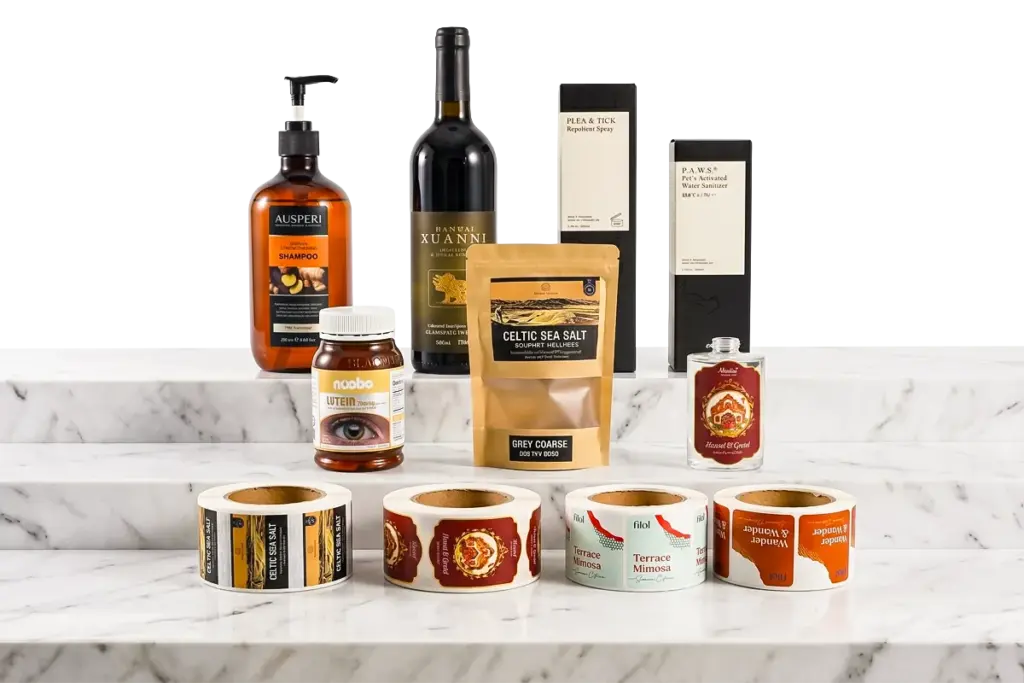
Custom Labels Printing Methods Explained
Selecting the right custom label printing method directly determines your production speed, unit costs, and how well your packaging survives real-world moisture, abrasion, and handling.
Flexographic Printing
Flexographic printing operates as a high-speed rotary relief process. The press uses flexible photopolymer or rubber plates mounted on rotating cylinders to transfer ink directly onto a moving web substrate. This mechanical setup makes it the dominant choice for high-volume packaging lines.
- Anwendung: Ideal for large-scale runs of pressure-sensitive labels, shrink sleeves, and flexible packaging.
- Substrate Compatibility: Works with papers, films, foils, and synthetics like polypropylene (PP), polyethylene (PE), and polyester (PET).
- Cost Structure: High initial setup costs for plate engineering, but delivers the lowest per-unit cost at scale.
Because the inks cure rapidly under UV light or through solvent evaporation, the finished print holds up exceptionally well against water, chemicals, and friction.
Digital Label Printing
Digital presses bypass physical plates entirely, transferring high-resolution graphics directly from digital files to the substrate using toner or inkjet technology. This elimination of physical tooling fundamentally shifts the economics of short-run production.
- Setup Speed: Near-instant setup with minimal material waste and fast job changeovers.
- Variable Data Printing (VDP): Supports unique serial numbers, barcodes, QR codes, and personalized graphics within a single continuous run.
- Target Run Size: Highly cost-effective for short runs, multiple SKUs, and brands that update designs frequently.
This technology allows emerging brands to test products in small batches without committing to massive inventory overhead.
Thermal and Direct Thermal Printing
Thermal printing splits into two distinct, highly functional technologies designed for on-demand output in logistics, warehousing, and shipping environments.
- Thermal Transfer: Uses a heated printhead to melt resin or wax ink from a ribbon onto paper or synthetic stocks, creating durable, high-contrast barcodes and batch codes.
- Direct Thermal: Applies heat directly to chemically treated, heat-sensitive paper, darkening the material without ribbons.
- Durability: Thermal transfer offers long-term resistance to chemicals and heat, whereas direct thermal is built for short-life applications like shipping labels.
These printers sit directly on packaging lines or in distribution hubs to print variable shipping and batch data on demand.
Screen and Specialty Printing Methods
Specialty printing methods address niche visual, tactile, and volume requirements that standard digital or flexographic presses cannot replicate.
- Screen Printing: Pushes thick ink through a stencil mesh to create highly opaque, vibrant, and raised tactile finishes on dark or heavily textured materials.
- Gravure Printing: Relies on deeply engraved metal cylinders to deliver photographic-quality images on massive, industrial-scale runs.
- Lithographic Offset: Provides premium print quality on sheet-fed stocks, frequently utilized for traditional cut-and-stack labels and folding paperboard packaging.
Matching these methods to your budget and application environment ensures your label remains intact and readable throughout the product life cycle.
Why Choose Professional Custom Labels Printing Services
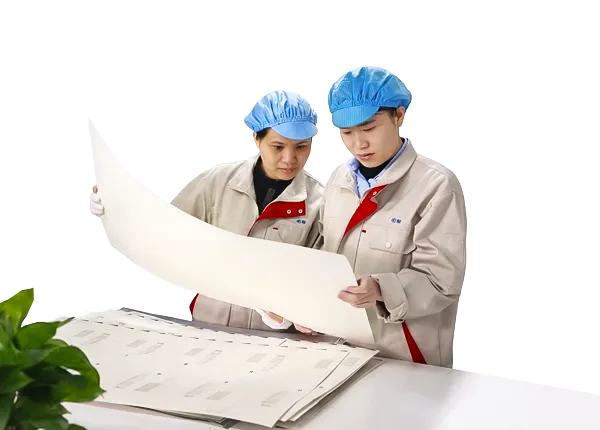
Professional label printing matches calibrated commercial presses with specialized materials, ensuring your packaging survives real-world environments while maintaining exact color consistency across production runs.
Superior Print Quality and Technical Performance
Desktop printers cannot replicate the high-resolution output of commercial presses. Industrial equipment produces sharper text boundaries and precise color alignment, keeping complex graphics legible on small packaging surfaces.
- Color Management: Pantone matching systems and ICC profiles eliminate color drift to keep branding identical across different batches.
- Environmental Protection: Specialized topcoats and varnishes shield printed graphics from early fading, scuffing, and moisture damage.
- High-Resolution Detail: Advanced digital and flexographic systems print micro-text and fine gradients without ink bleeding.
Diverse Material Selection and Advanced Finishes
Standard office printers limit you to basic paper sheets. Professional label converters work with synthetic films, foils, and specialized adhesives engineered to stick permanently to glass, plastic, or textured cardboard.
- Substrate Options: Access to biaxially oriented polypropylene (BOPP), flexible vinyl, metallic foils, and textured estate papers.
- Premium Finishes: Spot UV varnishes, hot foil stamping, debossing, and matte or gloss lamination options.
- Functional Construction: Custom tooling options enable precise die-cutting, multi-layer peel-back layouts, and expandable booklet structures.
Professional Prepress Support and Technical Expertise
Most print failures occur during file preparation. Prepress teams analyze your artwork files to verify bleed lines, safety margins, and resolution limits before the job reaches the pressroom floor.
Adhesive selection requires deep technical knowledge of your target container. Technical support specialists pair your specific application surface—whether frosted glass, oily plastic, or squeezed tubes—with the exact adhesive formulation required to prevent edge lifting or bubbling.
Cost Efficiency at Scale and Operational Reliability
While small digital runs work well for product launches, scaling up production requires high-speed flexography. Amortizing setup and plate costs across larger volumes dramatically lowers your individual unit costs.
- Capital Savings: Outsourcing print operations avoids massive capital investments in specialized commercial presses and regular maintenance.
- Supply Chain Security: Established converters deliver predictable production lead times to keep your packaging lines running.
- Reduced Scrap Rates: Precision manufacturing reduces the risk of misaligned cuts, poor adhesion, and waste during application.
Strict Regulatory Compliance and Functional Compatibility
Regulated industries like food, cosmetics, and chemicals face strict labeling laws. Professional printing guarantees that fine print on ingredient lists, warning symbols, and nutrition panels remains fully legible during transit and product usage.
Furthermore, automated packaging lines require exact roll configurations. Professional printers supply roll labels wound to your exact specifications, including core size, outer diameter limits, and unwind directions, to prevent packaging machinery jams.
Final Thoughts
The right custom label solution depends on your product, packaging surface, and usage environment. Selecting suitable materials, Klebstoffe, and finishes can help ensure labels perform reliably from production to retail display.
Need help selecting the right option? Working with experienced custom label manufacturers can help you choose suitable materials and finishes. Our team provides material recommendations and guides you through the customization process based on your packaging requirements.
Frequently Asked Questions About Custom Labels
How much do custom labels cost?
The cost of custom labels depends on factors such as material, size, quantity, printing method, and finishing options. Requirements such as waterproof materials, special effects, or specific adhesives may also influence the final price. A professional label manufacturer can help balance performance, appearance, and budget based on your application needs.
Where can I get custom labels printed?
Custom labels can be produced by professional label manufacturers that provide design support, material selection, printing, finishing, and production services. Meikei helps brands evaluate packaging requirements and select suitable label solutions for different products and industries.
What printing methods are used for labels?
Common label printing methods include digital printing, flexographic printing, offset printing, and screen printing. The ideal method depends on order volume, design complexity, material selection, and required finishes. Experienced manufacturers can recommend the most suitable printing process for each project.
What is the best material for custom labels?
The best material depends on the product environment and performance requirements. Paper labels are suitable for general applications, while synthetic materials such as BOPP and PET offer better resistance to moisture, oils, and abrasion. For food, beverage, personal care, and other demanding applications, choosing the right material helps ensure reliable label performance.
Are custom labels waterproof?
Custom labels can be made waterproof by combining suitable materials, Klebstoffe, and protective finishes. Synthetic materials such as BOPP and PET are commonly used for products exposed to moisture, oils, or frequent handling. Manufacturers can recommend the right material combination based on your packaging environment.
What is the difference between stickers and labels?
Stickers are mainly used for decoration or promotional purposes, while labels are designed for product identification, branding, and packaging applications. Labels typically require more specialized materials, Klebstoffe, and printing processes to ensure durability and compatibility with different products.
Can custom labels be printed in small quantities?
Yes, custom labels can be produced in smaller quantities depending on the printing method and project requirements. Digital printing and flexible production options allow brands to test new products, create limited editions, or manage smaller packaging runs before expanding production.
How long does custom label printing take?
Production time depends on factors such as label specifications, materials, printing methods, quantity, and finishing requirements. Providing complete artwork details and product requirements in advance helps manufacturers plan an efficient production process.
Can labels be customized with special finishes?
Yes. Custom labels can be enhanced with finishes such as foil stamping, embossing, spot UV, lamination, and other specialty effects. These options help brands create distinctive packaging while improving label appearance and durability.
📚 Explore Our Custom Label Guides
Deep-dive into specific topics about custom labels — from materials and printing techniques to cost factors and application tips.
Materials & Selection
Choose the right label materials for your product
Design & Techniques
Explore embossing, foil stamping, and specialty printing
Durability & Protection
Waterproof, lamination, and adhesion solutions
- →How to Make Waterproof Labels: Materials and Printing Solutions Guide
- →How to Choose Waterproof Labels Adhesive for Different Products
- →How Do You Choose the Right Lamination for Product Labels?
- →How Long Do Laminated Labels Last? Durability Factors and Applications
- →Why Do Custom Labels Peel Off? Common Causes and How to Prevent Them
Production & Cost
Manufacturing processes, pricing, and automation
Application Guides
Labels for specific product categories
Related Products You May Like
Want to know more about Meikei? Visit learn more about Meikei or explore explore our custom label printing services.