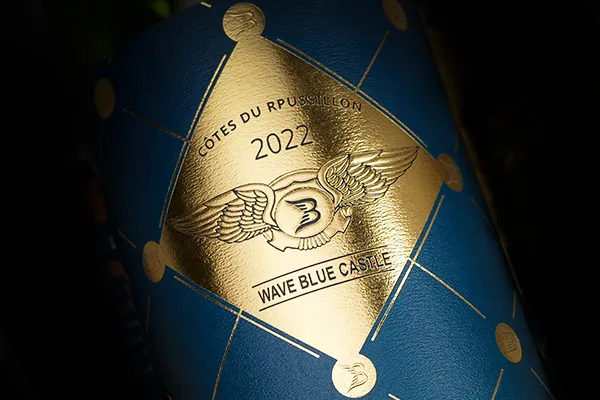
Custom stickers are produced through several key stages, including artwork preparation, material selection, printing, finishing, cutting, and quality inspection. Understanding each step helps brands choose the right sticker specifications, avoid common production issues, and achieve consistent results for different applications.
This guide explains how custom stickers are manufactured, covering the main production steps, material options, printing methods, and finishing choices that affect quality, durability, and overall cost.
Custom Stickers Printing Process Step by Step
The custom sticker printing process involves multiple stages, from artwork preparation and material selection to printing, finishing, cutting, and final packaging. Each step helps ensure the quality, مظهر, and performance of the finished stickers.
| Stage | Key Action | Primary Material / Tool |
|---|---|---|
| 1. Prep & تصميم | Vector design & cutline setup | Adobe Illustrator (CMYK, 300 dpi) |
| 2. Material Prep | Choose face stock & لاصق | الفينيل, paper, or specialty films |
| 3. مطبعة & Laminate | Ink deposition & surface sealing | Digital inkjet/UV printer & laminator |
| 4. Cut & ينهي | Contour cutting & waste weeding | Digital plotter or steel rule die |
Define Your Sticker Requirements and Specifications
Before starting production, you must establish the exact environment where the sticker will live. This dictates whether the job requires commercial-grade outdoor vinyl or a cost-effective indoor paper stock.
- Application Environment: Short-term indoor paper or long-term outdoor UV-resistant vinyl.
- Visual Finish: Gloss for high-contrast vivid colors, or matte for a glare-free premium look.
- Adhesive Type: High-tack permanent bonding for packaging, or low-tack removable options for temporary surfaces.
- Physical Specs: Exact width/height in millimeters or inches, shape configuration, and total run quantity.
Artwork Preparation and Design Setup
High-quality printing relies entirely on clean source files. Working in vector-based programs prevents rasterization issues when scaling the artwork up or down.
- Vector Formatting: Use Adobe Illustrator or CorelDRAW to maintain infinite scalability and clean pathing.
- Contrast & Weight: Maintain clear visual hierarchy and avoid ultra-thin lines that fail during the weeding stage.
- Color Space & Resolution: Set files strictly to CMYK color mode and keep any embedded raster elements at 300 dpi minimum.
Bleed, Safe Area, and Cut Line Preparation
Mechanical shifts occur during the cutting process. Setting up safety margins in your final print file prevents visible white borders or cut-off text.
- Outer Bleed: Offset the background design at least 0.125 inches (3.175 mm) beyond the cut line.
- Inner Safe Area: Keep important text and design elements at least 2–3 mm inside the cut line.
- Vector Cut Path: Draw a continuous, closed vector path on a dedicated layer, designated by a unique spot color for the RIP software.
Selecting Sticker Materials Before Printing
Choosing the right substrate determines the lifespan and tactile quality of the final product. The base material must match your printing system’s ink chemistry.
- Printable Face Materials: Coated paper stocks for dry packaging or flexible vinyl (PVC) for moisture exposure.
- Specialty Films: Clear, metallic, holographic, or chemical-resistant films.
- Adhesive Carriers: Standard single-liner backings or commercial multi-layer transfer systems.
Preparing Print-Ready Artwork Files
Pre-press verification prevents printing errors. Standardizing your file output ensures that the manufacturer’s imposition software parses your artwork accurately without losing fonts or linking data.
- Production Formats: Save files as print-ready PDF, AI, or EPS.
- Asset Packaging: Convert all text fonts to outlines (curves) and embed all linked image assets.
- Imposition Setup: Nest multiple sticker paths tightly on the print template to minimize material waste.
Custom Sticker Printing Methods
Calibrating your printer ensures color consistency across the entire run. Proper media loading avoids head strikes and tracking errors during long runs.
- Media Alignment: Feed the roll or sheet straight into the plotter following the manufacturer’s guides.
- Color Profiling: Apply the correct ICC color profile for the specific media and ink configuration.
- Verification Print: Output a test sample on standard paper to check alignment and resolution before printing on the final stock.
Lamination and Surface Protection
Adding a physical barrier is crucial for stickers destined for outdoor use, laptops, or water bottles. Lamination shields the print from UV light, احتكاك, and moisture.
- Overlaminate Films: Gloss, matte, or textured clear films applied over the printed graphics.
- Thermal Bonding: Feed the prints and laminate through heated pressure rollers to eliminate silvering and air bubbles.
- Liquid Coatings: Spray sealants or clear varnishes used when film lamination is not mechanically compatible.
Cutting, Weeding, and Quality Control
Precise cutting turns printed sheets into individual stickers. Adjusting cutting parameters prevents damage to the backing liner.
- Cutting Depth: Calibrate blade pressure for clean kiss-cuts (face stock only) or full die-cuts (through the liner).
- Weeding: Strip away the excess vinyl matrix around kiss-cut designs.
- Batch Inspection: Check the finished stickers for color shifts, registration alignment, and edge lifting.
Packaging and Application
Proper storage and application ensure the sticker performs as intended over time. Correct surface preparation maximizes adhesive wet-out.
- تنسيق التغليف: Band individual singles in flat stacks or wind roll stickers to prevent curling.
- Surface Prep: Clean the substrate with isopropyl alcohol to remove grease, oils, and dust.
- Application Technique: Squeegee firm, even pressure from the center outward to displace air and prevent wrinkling.
Choosing Materials for Custom Stickers
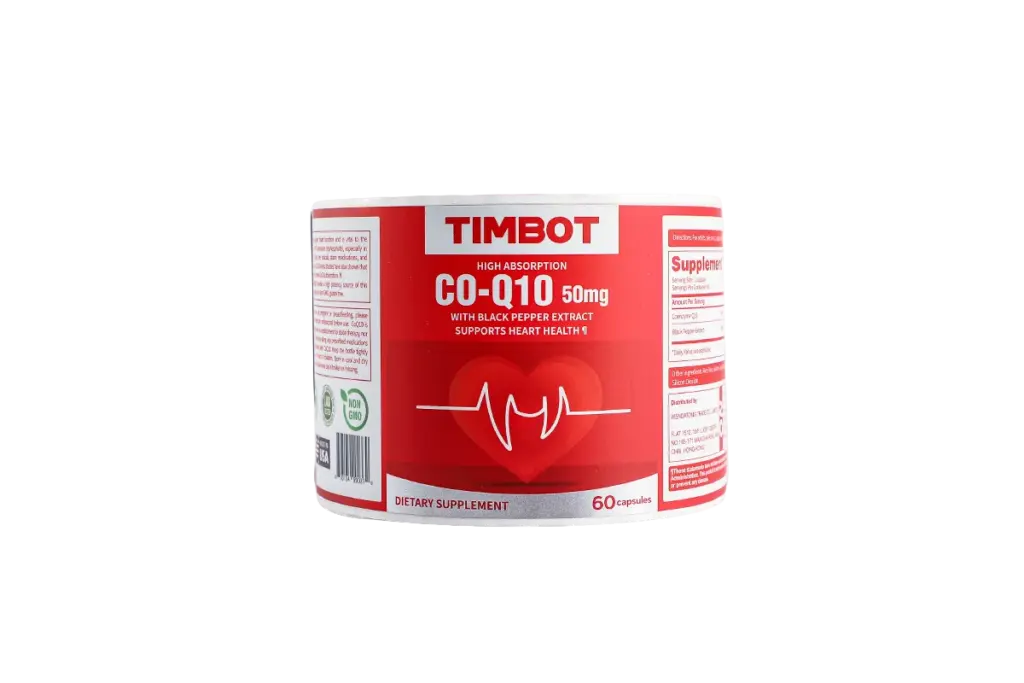
Choosing the right sticker materials helps achieve the desired balance of durability, مظهر, and cost. Paper, vinyl, film, and specialty materials offer different benefits for product packaging, branding, and retail applications.
Paper, الفينيل, and Film Sticker Materials
Paper stickers are a cost-effective choice for brands that need a natural look and high-quality printing for short-term packaging applications, such as gift packaging, candle labels, and promotional stickers. They provide excellent printability and a premium tactile feel.
For products exposed to moisture, handling, or refrigeration, vinyl and film materials offer better durability. Waterproof vinyl stickers are commonly used for beverage packaging, cosmetic products, and retail items where resistance to water and wear is important.
Specialty materials, including clear, metallic, and holographic films, help brands create distinctive packaging designs. These options are often used for premium products that require stronger shelf appeal and unique visual effects.
Choosing Sticker Finishes for Brand Appearance
The surface finish plays an important role in the final look and feel of custom stickers. Gloss finishes create vibrant colors and a polished appearance, making them suitable for products that need strong visual impact on retail shelves.
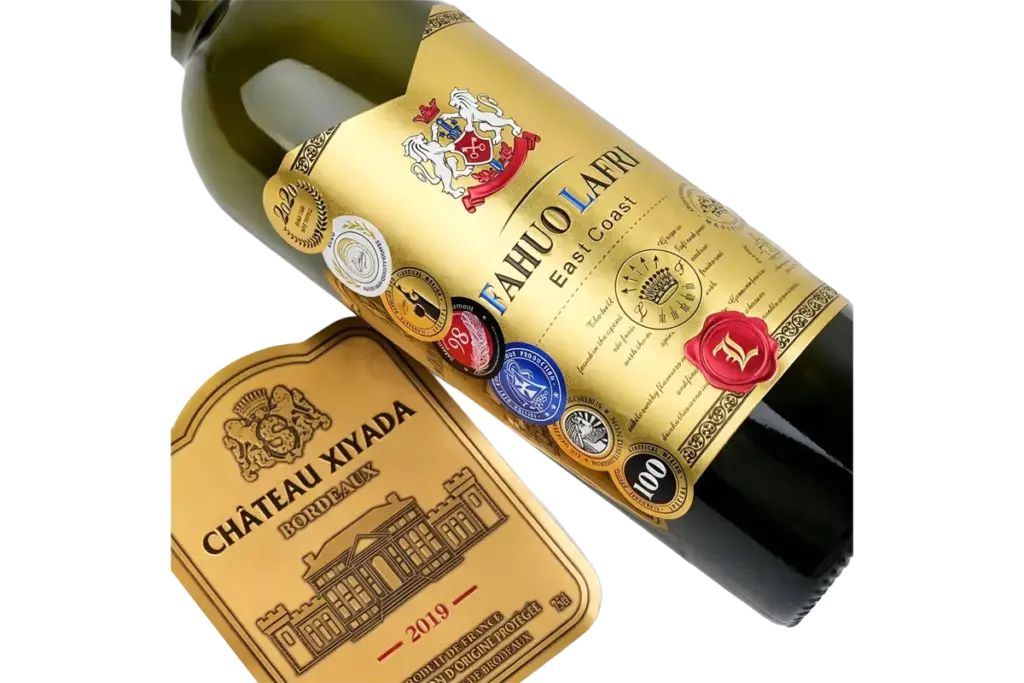
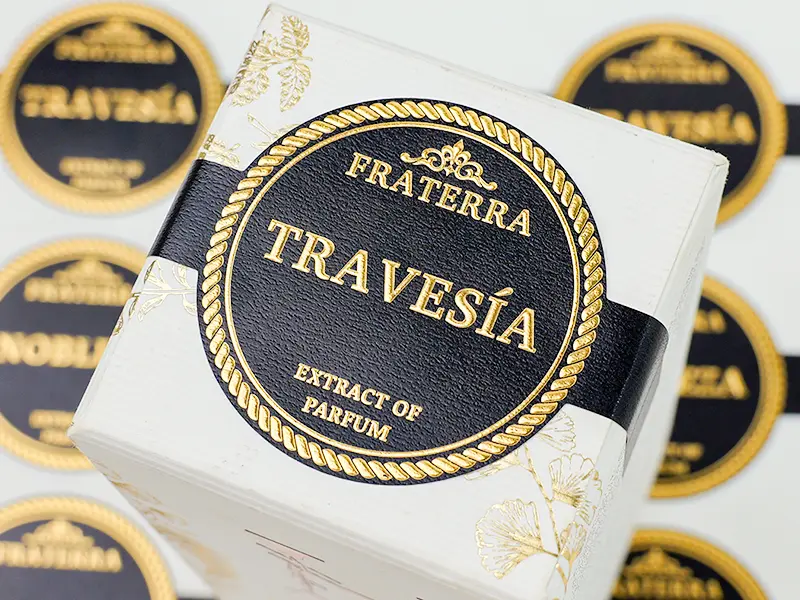
Matte finishes provide a softer, more premium appearance with reduced reflection, which works well for luxury packaging, beauty products, and high-end gift items. For brands looking to add decorative elements, finishes such as foil stamping, metallic effects, and raised textures can enhance the perceived value of the packaging.
Selecting Materials Based on Product Application
Different industries have different sticker requirements. Food and beverage brands often prioritize moisture resistance and durability, while cosmetic and fragrance brands may focus more on premium textures and visual details.
For wine, spirits, candles, and gift products, combining the right labels&stickers material with suitable labels&stickers finishes can strengthen brand positioning and create a more memorable unboxing experience. Choosing the right sticker construction helps maintain appearance throughout storage, shipping, and retail display.
Create Custom Stickers That Strengthen Your Brand Presence
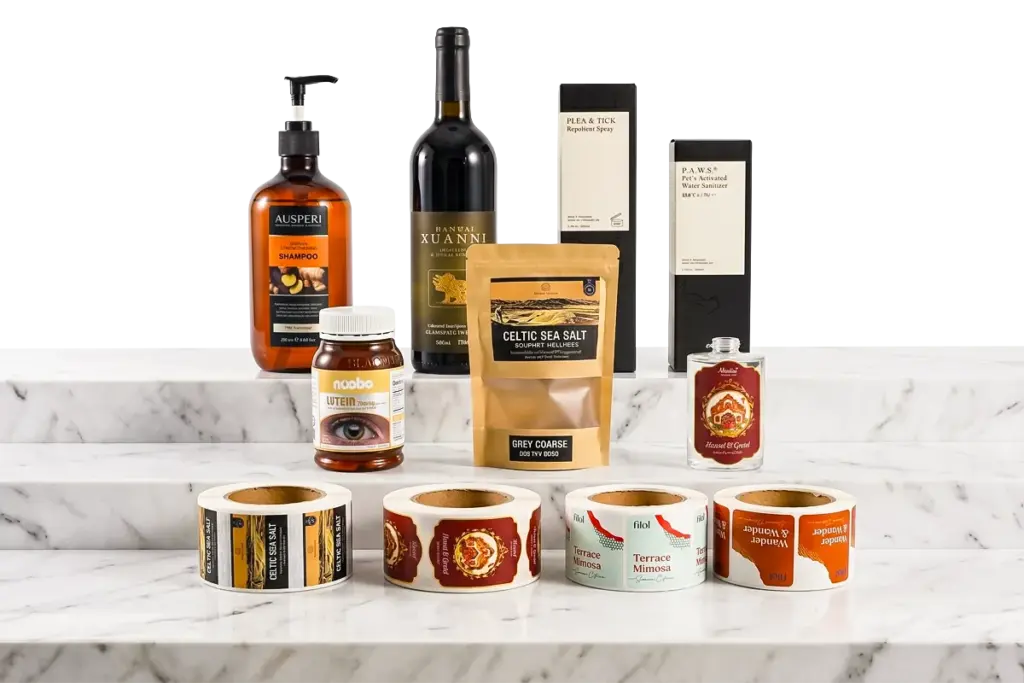
Custom Die Cut Stickers and Special Shapes
Custom die-cut stickers precisely match the silhouette of your artwork by cutting through the backing paper, creating a premium brand asset that outperforms standard shapes.
Defining Die-Cut Stickers and Special Shapes
A custom die-cut sticker utilizes a highly calibrated blade or digital laser path to slice entirely through both the face material and the backing liner. This process mirrors the exact perimeter of your artwork, leaving you with a standalone piece that represents your design silhouette without any generic background paper.Standard geometric options like circles or plain rectangles preserve extra background space around the graphic. In contrast, contour-cut formats eliminate this negative space completely, allowing intricate logos, typography, and complex mascot illustrations to serve as the physical edge of the sticker.
Special shapes offer an efficient middle ground between standard shapes and fully customized contours. Manufacturers use pre-configured, non-standard layouts to streamline production while maintaining high visual interest. These options include:
- Arches and Hexagons: Provide structured geometric frames for modern product labeling.
- Hearts and Stars: Deliver instant emotional recognition for decorative and promotional campaigns.
- Starbursts: Create high-visibility markers for retail clearance and seasonal sale highlights.
Available Formats: Singles, Rolls, and Sheets
Selecting the correct delivery format directly impacts how easily you can distribute or apply your stickers. Manufacturers categorize these formats into three distinct configurations:
- Singles: Individually cut, loose pieces stacked in bundles. These are the standard choice for promotional handouts, trade show giveaways, and retail merchandise packs.
- Rolls: Custom-shaped stickers wound around a cardboard core on a continuous liner. This setup is mandatory for high-volume packaging lines and automated label dispensers, requiring precise specification of the unwind direction.
- Sticker Sheets: Multiple designs or kiss-cut shapes arranged on a single backing page. This layout is highly popular for themed stationery packs, planner accessories, and creative retail merchandise.
Material Construction and Adhesive Options
The substrate you select determines how your sticker performs under environmental stress. Durable vinyl and specialty synthetic films like clear polypropylene (BOPP), metallic, or holographic stocks offer robust resistance to water and tearing. Paper options serve as a budget-friendly alternative specifically for short-term indoor uses like packaging seals.
Adhesives must be paired carefully with the final application surface. Permanent pressure-sensitive adhesives establish long-term bonding on cardboard, glass, and metal equipment, making them difficult to peel off without tearing. Removable, low-tack options allow clean removal and repositioning on delicate consumer surfaces like laptops, mobile phones, and painted walls.
Difficult environments require engineered chemical bonds. Specialty adhesive options include:
- High-Tack Adhesives: Formulated to anchor onto low-energy plastics, textured surfaces, and rough, untreated wood.
- Freezer-Grade Adhesives: Engineered to maintain adhesion on refrigerated products exposed to moisture, frost, and sub-zero temperatures.
Protective Finishes and Lamination
Applying a surface finish alters both the aesthetic and the functional lifespan of your printed design. Matte lamination diffuses direct light to minimize glare, giving your graphic a sophisticated, understated texture. This non-reflective surface keeps barcode and QR code elements highly scannable under harsh retail lighting.
Gloss laminates and high-gloss UV coatings saturate the underlying colors, making your artwork look highly vibrant. This glossy layer adds significant scratch and scuff resistance, protecting the ink during shipping friction and frequent handling.
For outdoor applications, clear film lamination is crucial. This physical barrier blocks moisture, chemicals, and outdoor UV rays. It prevents fading and premature yellowing, ensuring your vinyl graphics remain intact on vehicles and outdoor machinery for several years.
Manufacturing Methods and Cutting Technologies
Sticker factories balance speed, tooling costs, and volume requirements by utilizing different cutting systems. Physical steel rule dies or rotary cylinders cut shapes rapidly with high repeatability. While these mechanical tools offer the lowest unit cost for massive production runs, they require upfront tooling investments and longer setup times.
Digital cutting systems, including lasers and flatbed plotters, read vector paths directly from your design files. This process bypasses physical tooling entirely, making short-run custom stickers and rapid prototyping highly cost-effective.
The production workflow relies heavily on exact cutting depth calibration. A full die-cut slices completely through both the face stock and the backing liner to produce individual loose pieces. A kiss-cut applies lighter pressure to slice only through the face material and adhesive layer, leaving the backing paper fully intact for easy peeling.
Final Thoughts
Selecting the right sticker materials ensures better performance, visual appeal, and cost efficiency. By matching substrates, finishes, and adhesives to your product needs, brands can achieve consistent results across different applications.
Contact MEIKEI for material recommendations and custom sticker solutions tailored to your packaging requirements.
الأسئلة المتداولة
Where can I get custom stickers printed?
Custom stickers can be printed by professional label and packaging manufacturers that offer customized materials, sizes, shapes, printing methods, and finishing options based on your brand requirements.
Are custom stickers waterproof?
Many custom stickers can be made waterproof by using durable materials such as vinyl or film with protective finishes. Material selection depends on the product application and environment.
How much do custom stickers cost?
Custom sticker costs depend on factors such as material, size, quantity, printing method, finishing options, and packaging requirements. Larger orders usually provide better cost efficiency.
What are die cut stickers?
Die cut stickers are custom-shaped stickers cut according to the exact outline of your design. They are commonly used for logos, illustrations, and unique branding applications.
Can I order small quantities of custom stickers?
نعم, many manufacturers support small-batch custom sticker orders. Quantity options depend on production methods, مواد, and customization requirements.
What printing method is best for stickers?
The best printing method depends on your design, quantity, material, and finish requirements. Digital printing, flexographic printing, and specialty techniques each suit different applications.
How long does sticker printing take?
Production time varies based on sticker size, مواد, printing methods, and order volume. Standard projects typically require several business days after design approval.
What is the difference between stickers and labels?
Stickers are often used for decoration, promotion, and branding, while labels usually provide product information or identification. Both can use similar materials and printing processes.
📖 Complete Guide
← Back to “What Are Custom Labels?” — The Complete Guide
Learn everything about custom labels: types, مواد, printing techniques, cost factors, and how to choose the right solution for your brand.
Related Products You May Like
Want to know more about Meikei? Visit view our customization options or explore learn more about Meikei.