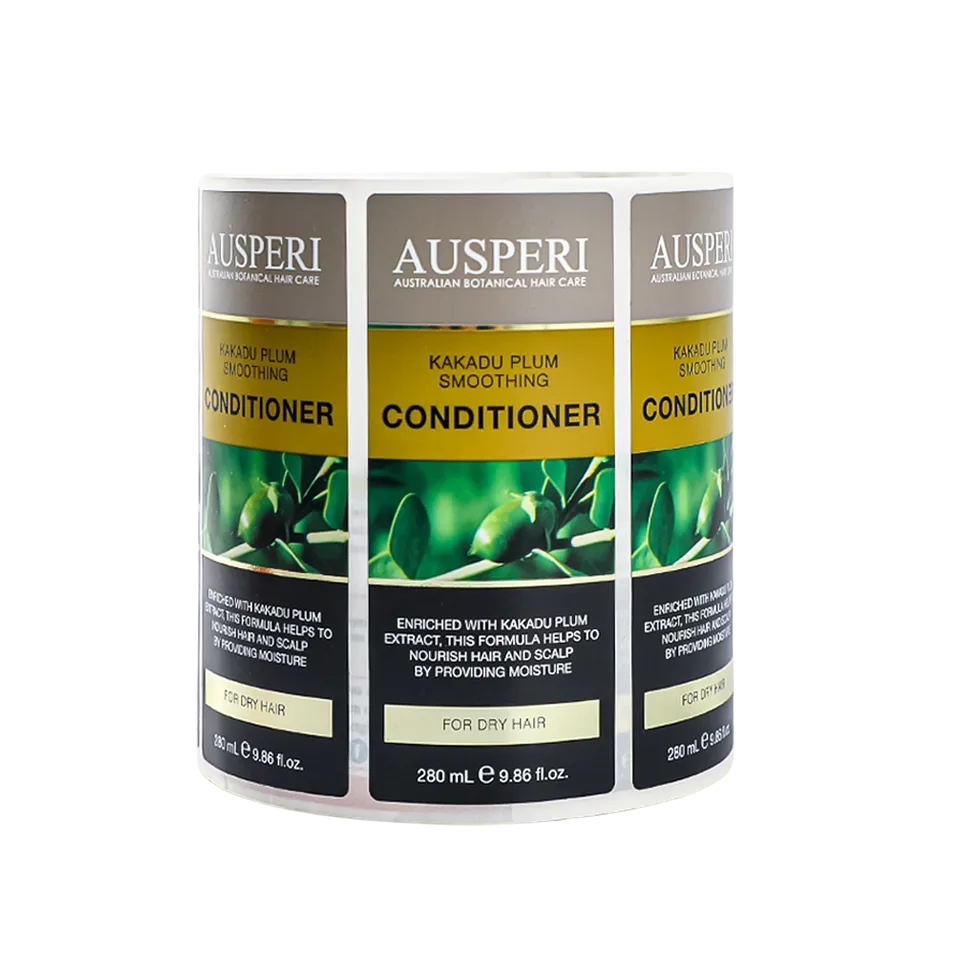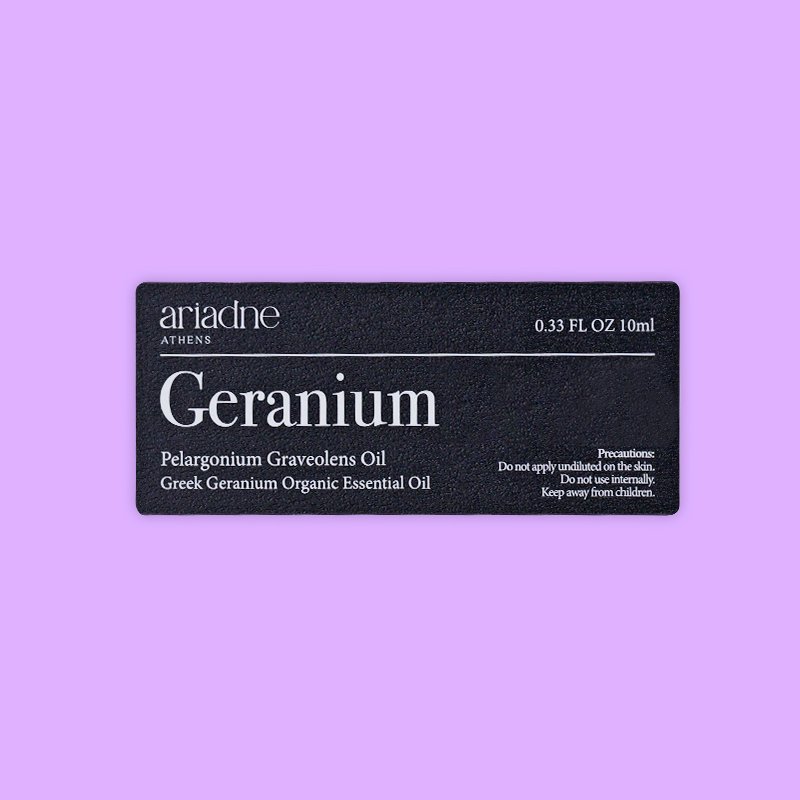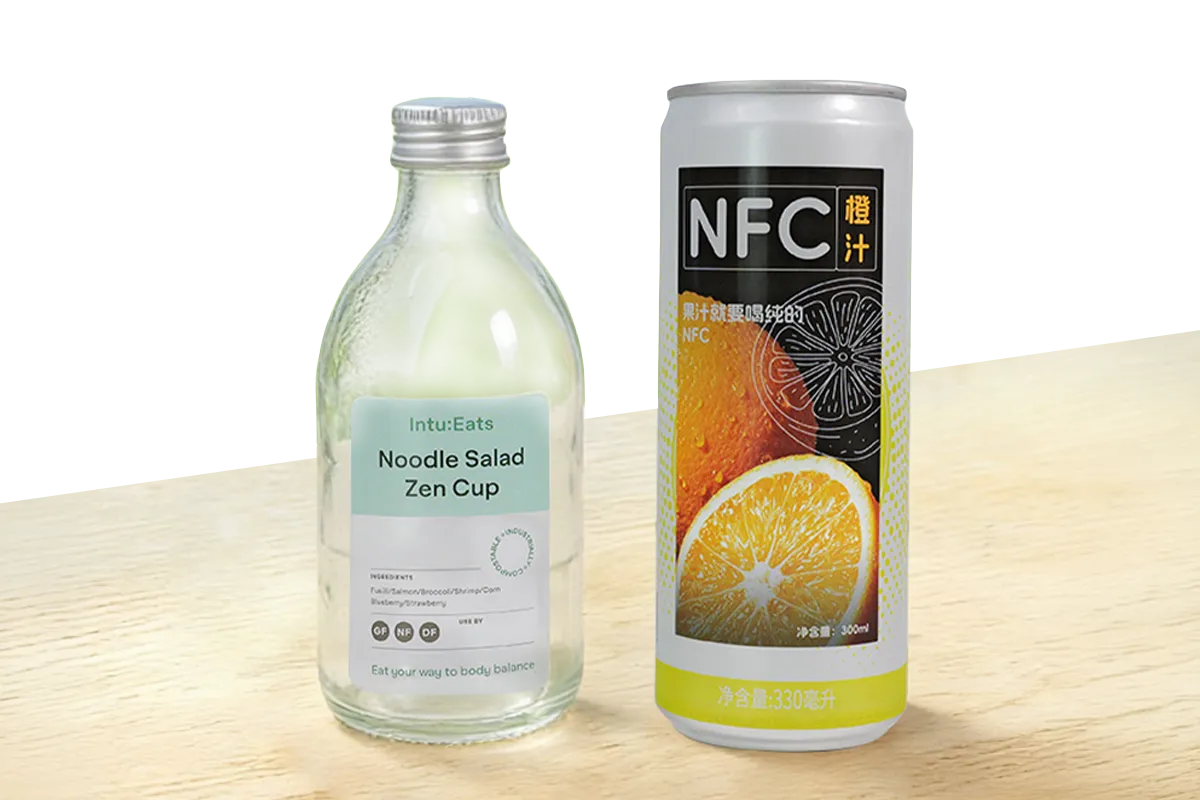
Sustainable labeling involves more than using kraft paper or recycled materials. In 2027 and 2028, brands are paying closer attention to the facestock, adhesive, release liner, printing inks, and how the complete label construction interacts with the package’s recycling process. Eco-friendly labels can support these goals when their materials and construction suit the intended packaging and recycling system.
The shift matters commercially as well as environmentally. Brands that document their label materials and recycling compatibility can better respond to retailer packaging requirements and sustainability claim reviews. This article explores the key drivers, material options, and trade-offs behind different labeling claims, helping brands develop clear specifications before working with a supplier.
Key Drivers of Demand for Lower-Impact Product Labels
Recyclability deadlines, retailer scorecards, and shopper skepticism now push label choices more than raw material price does.
Regulation and Recyclability Targets
Packaging rules increasingly treat the label as part of the package, not a decoration on top of it. Recyclability requirements ask that labels not interfere with the container’s recycling stream, and extended producer responsibility fees rise when a label blocks the package from being recycled at all. The practical effect reaches the label spec sheet: suppliers are asked for wash-off or repulpable options on categories that never mentioned them before.
Retailer and Brand Scorecards
Retailers publish packaging scorecards, and brands copy those targets into supplier briefs. A label that fails a scorecard costs the product its listing, so the label supplier’s material documentation has become part of the commercial negotiation. The criteria repeat across most scorecards:
- Recyclability: The label must not block the package from its recycling stream.
- Recycled content: Post-consumer content counts toward package-level targets.
- Material documentation: Claims need certificates and test data, not brand promises.
Suppliers that already hold the documentation move through these reviews faster, which is why certified material options keep gaining share.
Shopper Expectations and Claim Scrutiny
Shoppers read sustainability claims on labels more carefully than they used to, and regulators and watchdogs read them more carefully still. Unsupported claims invite complaints and corrections, which is why the trend has moved from adjectives to evidence.
Recyclable, Wash-Off, and Compostable Label Solutions

Three solution families answer different problems: recyclable labels stay out of the way, wash-off labels separate cleanly, and compostable labels degrade with the pack.
Recyclable Paper and Film Labels
Paper labels on paper and board packaging recycle together with the pack, which is why fiber-to-fiber is the cleanest pairing. On plastic bottles, the matching move is a polyolefin film label on a polyolefin bottle, so the label enters the same recycling stream as the container. Mixed-material labels are the ones that fail. Three pairings cover most briefs:
- Fiber to fiber: Paper facestock on paperboard, cartons, and corrugated.
- Film to bottle: Polyolefin film on matching HDPE or PET bottles.
- Compostable label constructions: Use labels certified for the intended composting environment, and verify that the label and package are accepted by the same collection and treatment system.
Wash-Off and Floatable Labels
Bottle recycling plants run hot washing stages, and wash-off adhesives are engineered to release the label there without leaving residue on the flakes. Floatable constructions add a density below that of water, so label material separates in the sink-float process instead of contaminating the polymer.
Compostable Labels
Compostable labels generally combine a compatible facestock and adhesive, but the complete construction needs to meet the relevant compostability requirements. Industrial and home composting follow different standards and processing conditions. Brands should check the certification scope of both the label and the package, then confirm that the intended disposal system accepts the complete construction.
Developments in Label Facestocks and Release Liners
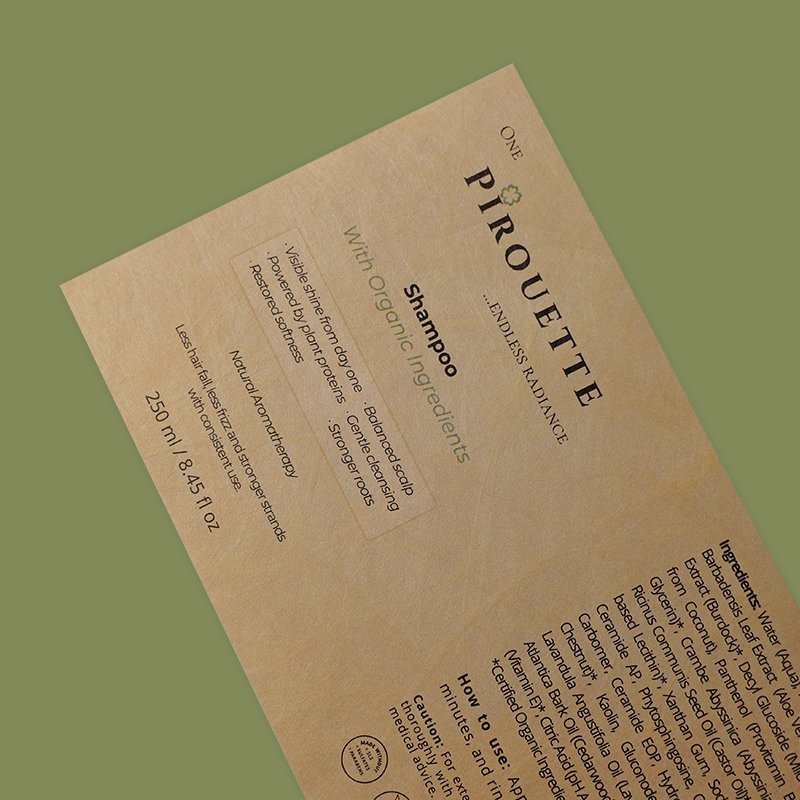
Facestocks keep getting lighter and more recycled, while the liner, once invisible, is now the most scrutinized part of the label roll.
Recycled and Lighter Facestocks
Recycled-content paper facestocks and thinner film gauges cut the material footprint without changing the label’s job. Certified fiber adds the proof layer that claims now need. See our article on FSC certified labels for how the chain of custody works.
Liner Developments
The release liner carries every self-adhesive label and then gets thrown away, which makes it a visible waste target. Glassine liners recycle with paper, liner take-back programs collect used rolls, and linerless label constructions remove the problem entirely, at the cost of extra application engineering. The linerless format has moved past the pilot stage, and 2027 briefs ask about it as a standard option on high-volume lines.
Print and Finish Interactions
Lower-impact inks and coatings have to survive the same shelves as conventional ones. See our article on soy-based ink printing for how ink chemistry fits the sustainable stack. The finish matters too, because heavy coatings can tip an otherwise recyclable label out of its stream. A water-based varnish on paper is usually a safer finish choice than a film lamination.
Lower-Impact Labels With Documentation Included

Adhesives and Label Construction in Packaging Recycling
An adhesive that never lets go is a recycling problem: wash-off, caustic-soluble, and repulpable systems let the label separate when the package needs it to.
How Adhesives Affect Recycling Streams
Adhesive residue gums up pulping equipment and stains recycled flakes, so the adhesive choice decides whether the label is a guest or a contaminant in the stream. Repulpable adhesives disperse in the paper process, and wash-off grades release under the heat and chemistry of bottle washing. Food brands add a second requirement: the adhesive must stay food-grade while still separating cleanly at end of life.
Wash-Off and Repulpable Systems
Wash-off adhesives split into hot-wash and cold-wash versions, matched to the temperature of the recycling plant that handles the package. On corrugated and board, repulpable systems let the label break down with the fiber instead of showing up as sticky specks in the finished sheet.
Specifying the Right Combination
| Recycling Scenario | Facestock | Adhesive Type |
|---|---|---|
| PET bottle recycling | Polyolefin film or floatable paper | Wash-off or floatable grade |
| Corrugated boxes | Paper facestock | Repulpable adhesive |
| Glass jar return systems | Wet-strength paper | Caustic-soluble wash-off |
| Compostable pouches | Compostable paper or film | Certified compostable adhesive |
Pairing the right facestock with the right adhesive keeps the label inside its intended stream. Testing the combination matters as much as specifying it: a wash-off adhesive that releases in the lab but not on a chilled filling line fails in the plant. For plastic-free product lines, see our article on plastic-free labels for the full material picture.
Assessment of Sustainability Claims and Trade-Offs by Brands
Every sustainability claim has a trade-off behind it, and the label that survives scrutiny is the one with documentation, not adjectives.
Reading Claims Critically
Recyclable, recycling-compatible, and made with recycled content are three different statements, and they do not substitute for each other. Programs like How2Recycle give brands a structured way to state what a package and its label can actually do, which keeps claims consistent across markets. The trend is toward narrower, more specific statements, because vague ones attract the most challenges.
Trade-Offs in Material Choice
- Recycled facestocks: Slightly less brightness and print contrast than virgin stocks, which design can absorb.
- Compostable constructions: Lower moisture resistance than film, so they suit dry and short-life products.
- Wash-off adhesives: A small cost premium against the recycling access they protect.
Cost is the honest third trade-off. Premiums on recycled facestocks and wash-off adhesives run small in percentage terms, and they shrink as volumes climb. The brands that win treat the delta as an access fee for markets that increasingly require it.
Building the Documentation Trail
The label order should include the same paperwork as the packaging order: material data sheets, certificates, and test results for the claims being made. A supplier that can hand over the documentation before the invoice is usually the one that can stand behind the claim after it. Brands that collect this trail once can reuse it across retail submissions and compliance reviews.
Frequently Asked Questions
Are paper labels recyclable on plastic bottles?
Paper labels are not automatically recyclable with plastic bottles. Their compatibility depends on the bottle material, label construction, adhesive, and local recycling process. Brands should check the requirements of their target recycling stream before selecting a paper label for plastic packaging.
What is the difference between recyclable and compostable labels?
Recyclable labels are designed to work with a suitable material recovery process, while compostable labels are intended to break down under specified composting conditions. Neither claim applies to every label construction or disposal system. Brands should verify the full label structure, relevant test standards, and local processing options before making either claim.
Are wash-off adhesives better for packaging recycling?
Wash-off adhesives can help labels separate from containers during specific recycling processes, such as those used for some glass and plastic packaging. Performance depends on the adhesive, container material, washing conditions, and recycling system. Brands should confirm separation performance under the conditions used by their intended recycling facility.
Which is better for sustainable labels, paper or plastic?
Neither material is the best choice for every application. Paper labels may suit paper-based packaging, while compatible polyolefin film labels can support recycling in some plastic packaging streams. The right option depends on the package material, product requirements, label construction, and available recycling infrastructure.
Do recycled paper labels cost more than standard labels?
Recycled paper labels may cost more or less than standard alternatives depending on the paper grade, order volume, printing method, finish, and adhesive requirements. Requesting quotes for comparable specifications helps brands assess the price difference. Sample testing can also confirm that the material meets appearance, durability, and application needs before a larger order.
What should brands ask a label supplier before ordering sustainable labels?
Brands should ask for the label’s material composition, adhesive specifications, available recycled content, relevant test reports or certifications, and compatibility with the intended packaging and recycling process. They should also confirm printing performance, product durability, minimum order quantities, and sample availability. Supporting documents should match the specific label construction and the sustainability claims being made.
Conclusion
Sustainable labeling in 2027 and 2028 is a construction problem more than a design one. The labels that win are recyclable with their package, supported by wash-off or repulpable adhesives, and backed by documentation that survives a claims review. Brands that treat the label as part of the packaging decision, not an afterthought to it, get the scorecard credit and the shelf story at the same time.
For consumer brands that want labels designed around recyclability, Meikei supplies eco-friendly label materials with certificates, sampling, and production handled in one workflow.