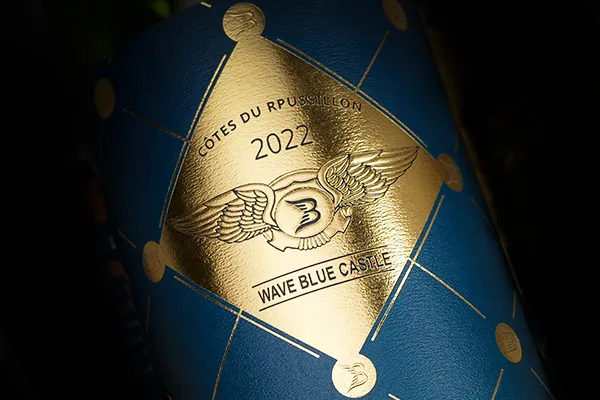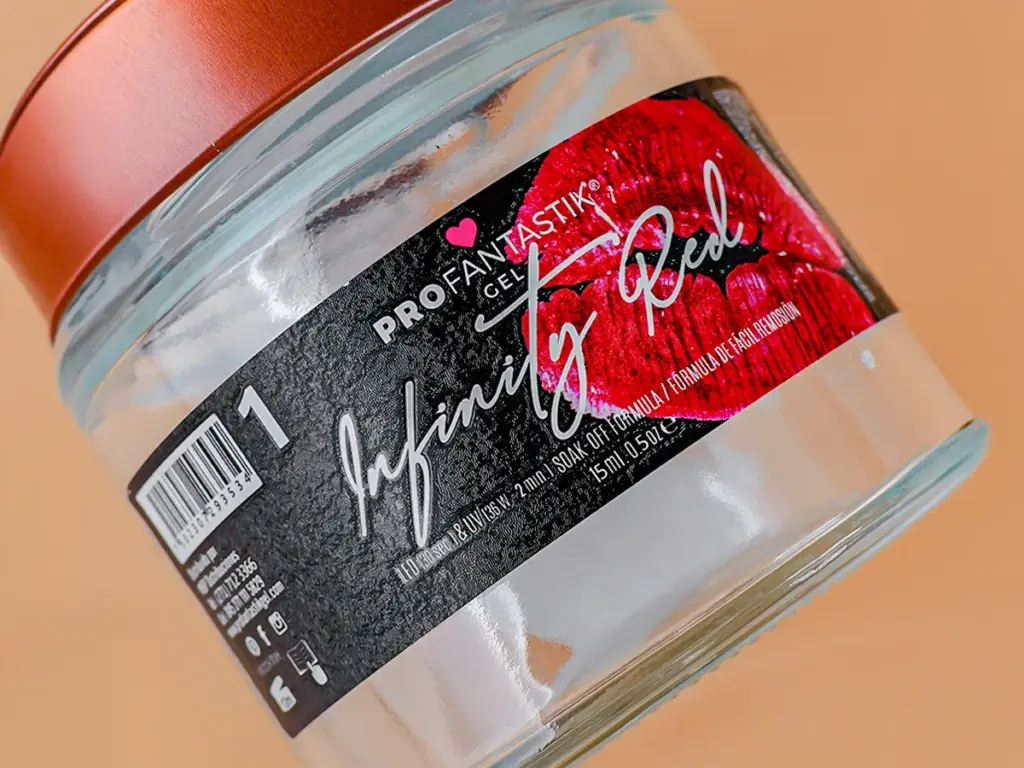
The right lamination for product labels depends on the label material, product environment, required durability, и желаемый результат. Gloss, matte, and soft-touch films each offer different levels of surface protection and visual appeal, so the best option should match both the packaging conditions and the look you want for your brand.
For labels exposed to moisture, friction, or frequent handling, a suitable laminate can help protect printed graphics and maintain a consistent appearance from production to retail display. For premium packaging, the finish can also add a distinctive visual and tactile element to the final product.
Why Is Lamination Used on Product Labels?
When high-speed packaging lines run at full capacity, mechanical friction can easily ruin a perfectly printed brand design. This risk is precisely why we use lamination on product labels to build a resilient, protective shield over delicate inks and substrates.
Lamination helps protect printed label surfaces from scuffing, moisture, and everyday handling while also creating finishes that support the visual style and positioning of different product brands.
Protecting Printed Label Surfaces
Applying labels in automated packaging setups subjects the print to constant mechanical stress. Without an extra protective layer, contact with packaging machinery, shipping boxes, and consumer hands quickly degrades the legibility of your graphics.
- Abrasion Shielding: Shields printed ink and base substrates from physical wear, scratches, and friction during high-speed packaging lines, shipping, and consumer handling.
- Surface Protection: Adds an additional protective layer that can improve resistance to scuffing, moisture, and handling, helping printed labels maintain their appearance on bottles, банки, коробки, and other packaging formats.
- UV Degradation Prevention: Integrates ultraviolet resistance to slow down color fading, keeping critical warning texts, batch codes, and barcodes legible throughout the product life cycle.
- Hygiene Maintenance: Creates a smooth, non-porous surface that resists dirt and grime, allowing easy cleaning and maintenance without compromising the print quality.
Supporting the Desired Packaging Appearance
Beyond raw physical defense, the surface finish of a label directly communicates the positioning of your brand. The customizable nature of modern films allows designers to align visual texture with packaging materials.
- Controlled Visual Finishes: Establishes a premium brand image by offering controlled visual finishes, including high-contrast gloss for vibrant graphics or soft matte to reduce glare and emphasize luxury styling.
- Shelf Consistency: Maintains design consistency on retail shelves over time by protecting packaging from scuff marks and ambient environmental exposure.
- Tactile Differentiation: Provides tactile interest through specialty textures like soft-touch laminates, encouraging consumer physical interaction with the product container.
- Substrate Harmonization: Aligns the label finish with various packaging formats, from flexible squeeze tubes to rigid glass bottles, ensuring visual harmony across different product lines.
- Scanning Reliability: Secures reliable scanning in logistics and checkout systems by preserving sharp contrast and preventing physical damage to barcodes and QR codes.
What Should You Consider When Choosing Lamination?
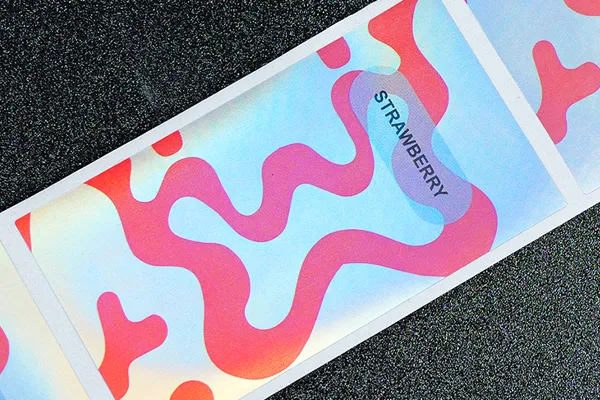
Selecting the right laminated labels requires balancing real-world environmental exposure with brand-specific aesthetic goals to prevent premature peeling, fading, or scanning failures on retail shelves.
Are your product labels peeling, smudging, or fading before they even reach the consumer? Choosing lamination for your packaging is a critical engineering step that directly impacts product shelf life, barcode scan-rates, and brand trust under harsh handling conditions.
| Application Stressor | Recommended Material | Suggested Testing Focus |
|---|---|---|
| Moisture & Submersion | BOPP or PET film | Water and moisture resistance testing |
| Temperature Changes | PET film | Temperature and dimensional stability testing |
| High-Touch/Abrasion | PET or BOPP film | Abrasion and rub resistance testing |
| Premium Aesthetics | Matte or Soft-touch film | Gloss, появление, and tactile evaluation |
Product Environment and Durability Requirements
Before choosing a protective film, consider how your packaging will be stored, transported, handled, and displayed. Labels for beverages, food, cosmetics, candles, and other consumer products may face very different levels of moisture, friction, temperature changes, and handling.
- Moisture Levels: Evaluate moisture exposure like high humidity, condensation, or direct water submersion. Wet environments demand a robust film laminate rather than a simple varnish to prevent ink bleed and edge peeling.
- Temperature Extremes: Consider thermal limits by utilizing bake tests for high-heat environments and flexible laminates with cold-temperature adhesives for cold chain logistics.
- Physical Abrasion: Assess friction risks from automated packaging lines, high-touch handling, or industrial contact. A continuous film barrier prevents scuffing and rubbing marks on high-contact areas.
- UV and Lifespan: Determine sunlight exposure and service life expectations. Select UV-blocking laminates to slow ink fading and maintain essential safety text readability over the entire lifecycle.
Appearance, Texture, and Brand Positioning
The protective film also dictates how consumers visually and physically interact with your product. Surface reflectivity, tactile properties, and light diffusion must align with your established brand standards to drive retail interest.
- Brand Signaling: Choose a finish that matches your brand style. Glossy laminates create a bright, high-shine appearance, while matte and soft-touch finishes provide a softer, more understated look with added tactile appeal.
- Legibility and Glare: Address barcode and text legibility under bright store or warehouse lighting by using low-glare matte laminates, especially when printing over highly reflective or metallic substrates.
- Manual Writing: Determine if operators or customers need to write on the surface. Matte laminates are highly compatible with writing instruments for variable data like batch codes, unlike slick gloss films.
- Visual Quality Control: Define the desired finish and appearance before production, and check for common lamination defects such as bubbles, wrinkles, poor adhesion, or uneven coverage.
- Cost and Sustainability: Balance cost, durability, and environmental goals when selecting laminations, considering recyclable or reduced-plastic options where suitable.
Selecting the correct laminate ensures your graphics remain pristine from the factory floor to the consumer’s hands. By matching material specifications directly to environmental stresses and branding goals, you mitigate the risk of packaging failures and maintain consistent shelf appeal.
Elevate Your Packaging With Tactile Luxury
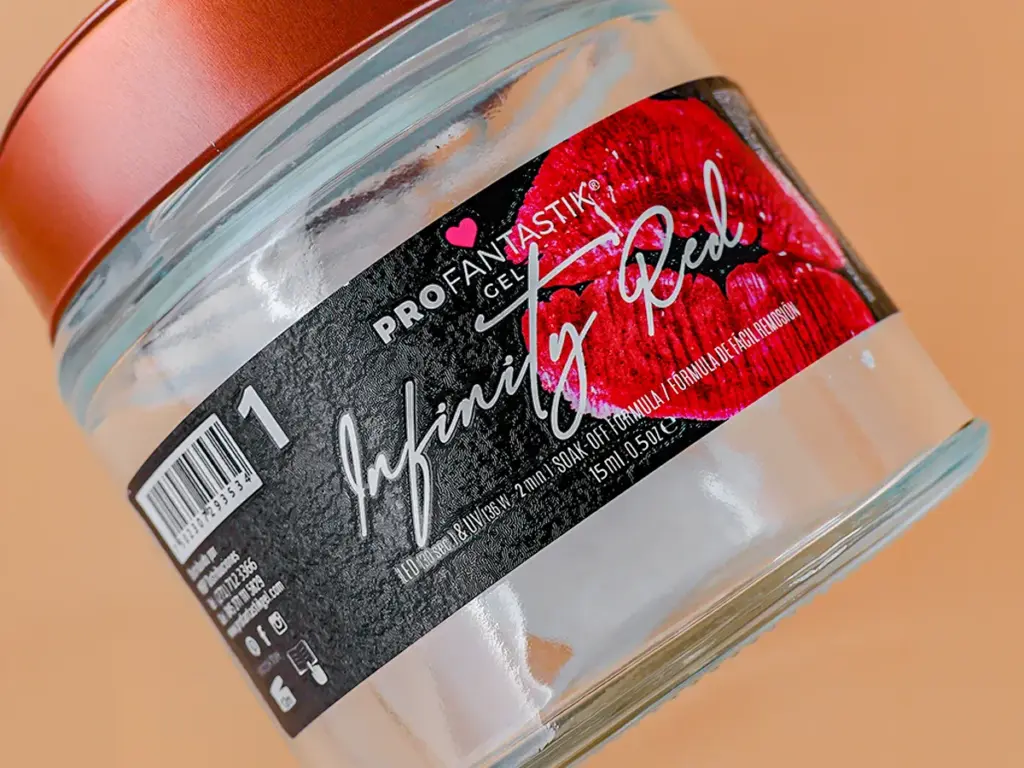
How Do Glossy and Matte Lamination Differ?
When designing custom product labels, selecting between glossy and matte lamination directly impacts how your brand performs under harsh retail spotlights. This choice changes both the visual presentation and the physical protection of your packaging.
Glossy films maximize shelf visibility and color depth, while matte options diffuse light to eliminate glare and deliver a premium, tactile feel.
Visual Differences Between Glossy and Matte Surfaces
- Light Reflectivity: Glossy lamination features high reflectivity and shine that creates distinct highlights, whereas matte surfaces scatter light to eliminate glare under retail lighting.
- Color Saturation: Colors appear more vibrant, saturated, and high-contrast under gloss films, while matte lamination produces softer, more muted, and subtle color tones.
- Tactile Texture: Glossy finishes offer a smooth, slick, and polished texture, while matte surfaces provide a velvety, soft-touch tactile feel.
- Legibility and Scanning: Matte lamination minimizes surface reflections to improve text readability and barcode scanning, unlike glossy coatings which can obscure details under bright overhead LEDs.
- Surface Wear: Glossy labels show fingerprints, smudges, and micro-scratches more easily, whereas matte surfaces excel at hiding minor scuffs.
Choosing a Finish for Premium Product Packaging
Matte lamination communicates understated luxury and artisanal craftsmanship. This quiet aesthetic makes it a natural fit for specialty coffees, premium spirits, and boutique skincare lines aiming for an upscale shelf presence.
Glossy lamination suits high-energy, colorful brands in competitive retail segments where maximum shelf visibility is essential. Bright mass-market goods often require this reflective finish to capture rapid consumer attention.
Combining a matte base film with spot UV or metallic foil stamping creates a striking sensory contrast. The opposition between the dull background and glossy details increases the perceived value of the product.
The tactile feedback of soft-touch matte laminates encourages consumers to handle packaging longer. Physical interaction builds a stronger connection, reinforcing premium brand narratives at the point of sale.
Store environments must play a role in this decision. Intense lighting inside refrigerated display cases can make gloss surfaces highly reflective and hard to read, favoring a clean matte finish.
Which Label Materials Can Be Combined With Lamination?
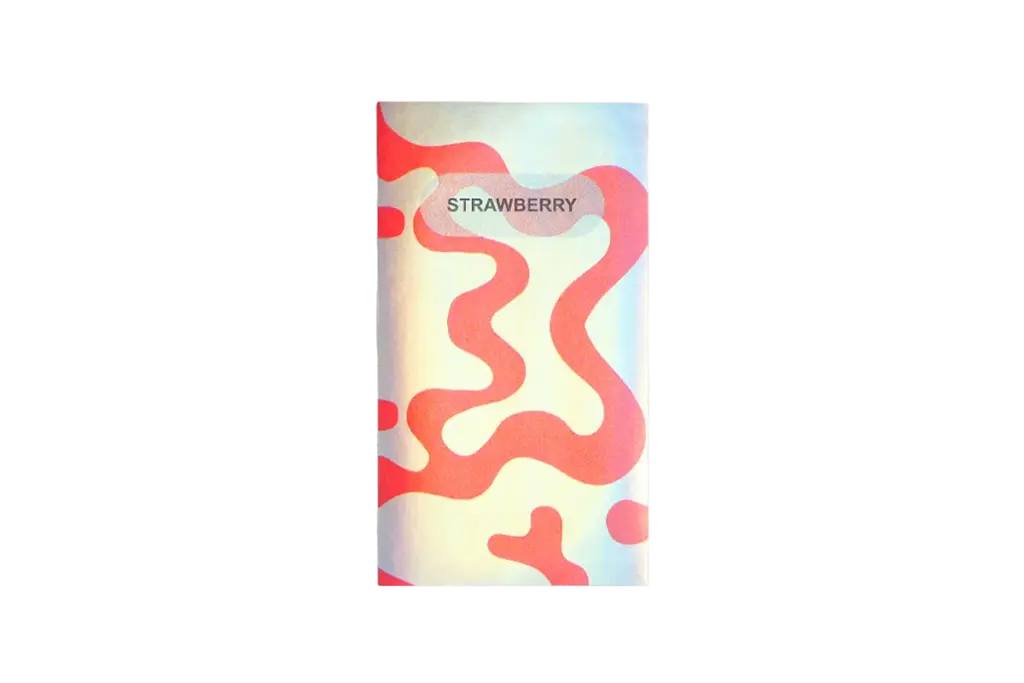
Pairing the correct film or paper facestock with a compatible laminate ensures long-term label durability against moisture, chemicals, and physical abrasion.
If your production line struggles with tearing or moisture damage, you need to know which label materials can be combined with lamination to protect your packaging. Not every substrate handles the heat, pressure, or tension of an overlaminate in the same way. Choosing the wrong combination often leads to curled edges, trapped bubbles, or degraded print quality.
Paper-Based Label Materials
Paper substrates are inherently vulnerable to the elements. Unprotected paper tears easily and turns to pulp when wet, making protective films an essential upgrade for packaging that faces shipping friction or condensation.
- Coated and Uncoated Facestocks: Both options accept lamination to gain vital resistance against moisture, tearing, and surface scuffs during handling.
- BOPP Overlaminates: BOPP films provide a practical option for adding moisture and scuff resistance to many paper-based product labels while maintaining a clean packaging appearance.
- Matte and Soft-Touch PET: These specialty polyester films elevate shelf appeal, adding tactile qualities while retaining a natural visual texture.
- Lamination Process: Choose a lamination process that is compatible with the printed surface, adhesive system, and label material. The appropriate process helps maintain print quality while achieving the required protective finish.
Selecting the correct combination allows paper labels to survive refrigerated storage and transit scuffing without switching to more expensive synthetic stocks.
Film-Based Label Materials
Synthetic substrates already provide good resistance to moisture and tearing, but the right laminate can further improve surface protection and visual consistency. For flexible packaging and consumer products, the laminate should be compatible with the base film and the shape of the container.
- PP and PET Films: These materials dominate heavy-duty packaging, providing excellent inherent barriers against water, oils, and industrial chemicals.
- Polyester Overlaminates: PET films offer good dimensional stability and surface durability, making them a useful option when product labels need added protection against handling, moisture, or temperature changes.
- Flexible Polyolefin and PE: Squeezable containers require highly flexible laminates to ensure the film stretches with the bottle, preventing cracking or edge delamination.
- Over-Printable Laminates: Specialty surface treatments allow manufacturing lines to print variable barcodes, batch numbers, or expiration dates directly over the laminated layer.
Evaluating the mechanical stresses of your supply chain ensures the film stack holds up from the filling line to the end user. This careful pairing optimizes production run speeds and prevents field failures.
Frequently Asked Questions
What is the best lamination material for product labels?
Clear polyester (PET) is the strongest all-purpose choice for durability, chemical resistance, and UV protection. Polypropylene (BOPP) serves as a highly cost-effective barrier against moisture and scuffing on everyday retail items, while specialty films like matte, gloss, or soft-touch are chosen to achieve specific visual and tactile branding goals.
What is the key difference between matte and glossy label lamination?
Glossy lamination features a highly reflective surface that boosts color saturation and contrast, making graphics stand out on retail shelves, though it can create glare and show fingerprints. Matte lamination diffuses light to prevent glare, offering a modern, low-glare finish that improves barcode readability and resists visible smudges.
Does lamination make labels fully waterproof?
Lamination improves surface water resistance and helps protect printed graphics from moisture. For products exposed to frequent water or condensation, a synthetic facestock such as BOPP or PET, combined with a suitable adhesive and laminate, provides enhanced moisture protection and label durability.
Is it possible to laminate both paper and film labels?
Yes, both paper and film labels can be laminated. Laminating paper labels adds protection against moisture, scuffing, and everyday handling, while laminating synthetic film labels such as PET or BOPP provides additional surface durability and helps maintain their appearance in products exposed to moisture or frequent handling.
Does matte lamination scratch more easily than gloss?
Matte laminates are designed to resist scratching, but certain surface scuffs can look more visible on flat, non-reflective surfaces than on shiny gloss. If your labels face high friction or heavy handling during distribution, specifying a durable matte polyester (PET) or an abrasion-resistant film will minimize visible wear.
Are laminated labels suitable for bottled products?
Laminated labels are a practical option for many glass and plastic bottles, especially in beverage, cosmetic, personal care, and fragrance packaging. They can improve resistance to condensation, refrigeration, handling, and occasional spills while helping maintain the appearance of the printed label.
Final Thoughts
The right lamination helps reduce common label issues such as scuffing, smudging, and moisture damage while keeping packaging looking consistent through handling and transportation. Instead of selecting a film based only on cost, consider the label material, product environment, desired finish, and level of protection required for the final application.
Experienced custom label manufacturers can help you compare gloss, matte, and soft-touch laminates based on your label materials and packaging needs. Testing different finishes before full production can also help confirm the desired appearance and surface performance. Contact our team to discuss your project and explore suitable lamination options.
📖 Complete Guide
← Back to “What Are Custom Labels?” — The Complete Guide
Learn everything about custom labels: types, материалы, printing techniques, cost factors, and how to choose the right solution for your brand.
Related Products You May Like
Want to know more about Meikei? Visit explore our custom label printing services or explore view our customization options.