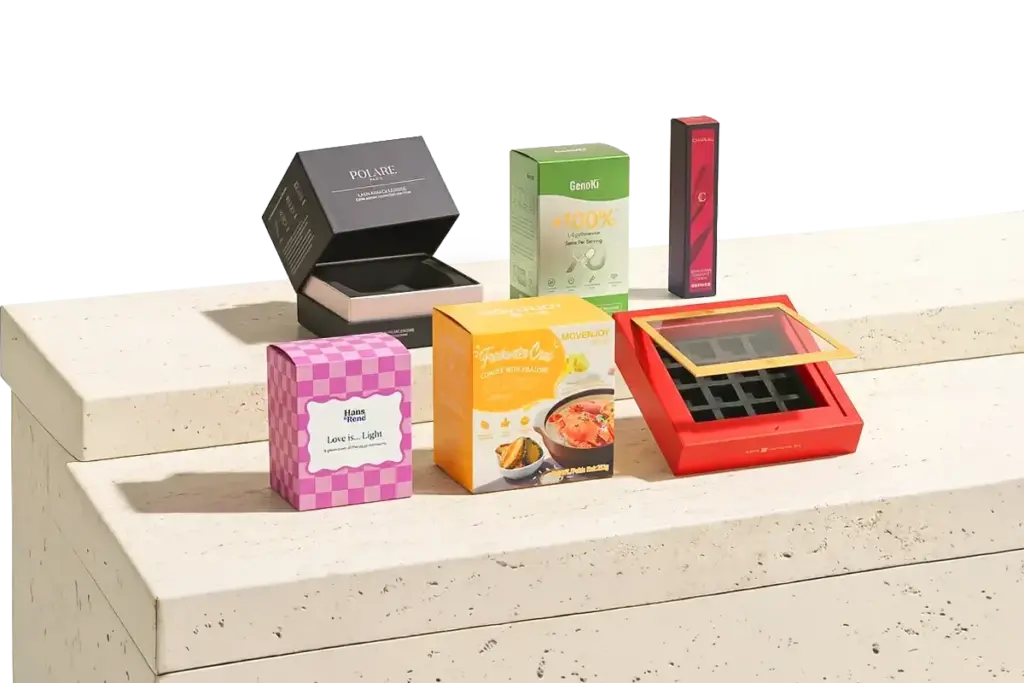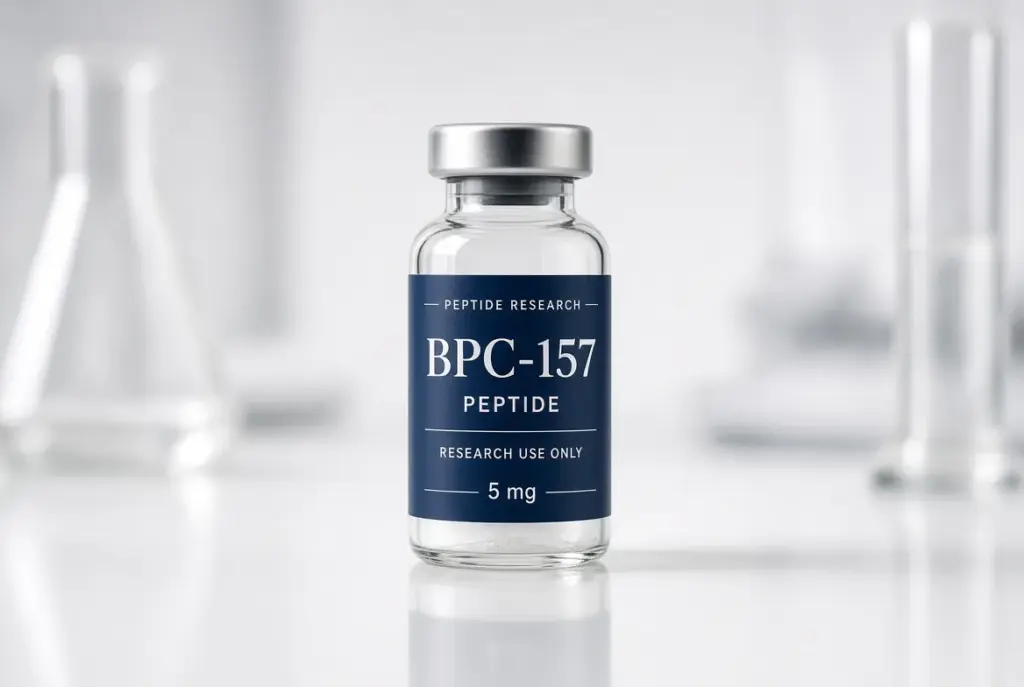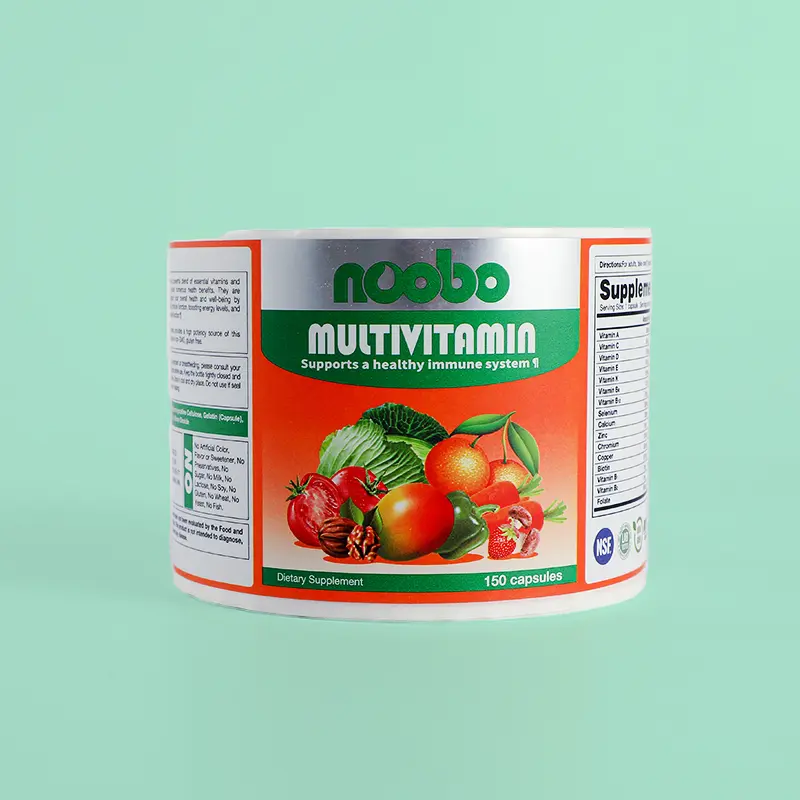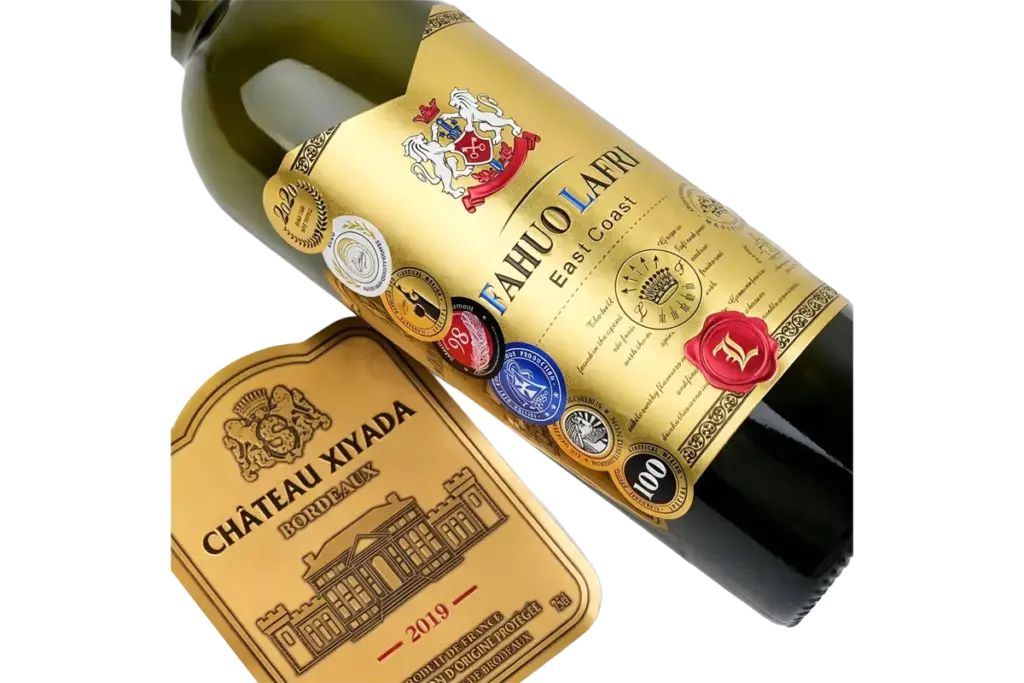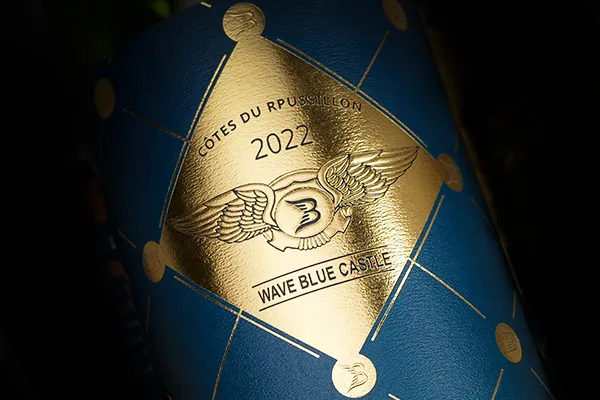
Choosing the right material for a custom sticker starts with matching the face stock, adhesive, and finish to the packaging application. Paper, vinyl, BOPP, and polyester each offer different levels of moisture resistance, durability, appearance, and print performance. The right combination can help reduce issues such as edge lifting, print damage, and premature label failure.
This guide outlines the key differences between these materials and explains how adhesive and finishing choices affect the performance of packaging labels.
What Materials Are Used for Custom Stickers
Custom sticker performance depends on a precise combination of face stock, adhesive, and protective finish tailored to your application’s environment.
| Material Family | Substrates | Durability | Best For |
|---|---|---|---|
| Paper | Semi-gloss, matte, kraft, metallic | Low moisture resistance; indoor short-term | Dry packaging, product seals, office labels |
| Vinil (PVC) | White gloss, matte, clear, cast, reflective | Good moisture and tear resistance | Outdoor graphics, durable product labels, and promotional stickers |
| BOPP / PP | White, clear, silver, holographic | Strong moisture and oil resistance | Cosmetics, beverages, refrigerated products, and other packaging labels |
| Polyester (PET) | White, clear, metallic | High dimensional stability and resistance to heat, chemicals, and scuffing | Durable product labels, technical labels, and premium packaging applications |
Does a sticker peel, fade, or fail within weeks on your packaging? Finding the right custom stickers material means matching the structural face stock, adhesive chemistry, and protective finish to your target surface and exposure level.
Core Face-Stock Materials and Substrates
The face stock forms the printable, visible foundation of your sticker. It affects the label’s flexibility, thickness, print appearance, and resistance to moisture or handling.
- Coated and uncoated paper options: Semi-gloss, matte, and brown kraft papers offer practical solutions for dry, indoor applications such as product, cosmetic, candle, and gift packaging labels.
- Vinyl films: Calendared and cast PVC films offer good moisture resistance, flexibility, and durability for selected outdoor graphics, durable product labels, and applications involving frequent handling.
- BOPP films: Biaxially oriented polypropylene films provide strong moisture and oil resistance, making them widely used for cosmetics, beverages, food, and other high-volume packaging labels.
- Polyester (PET) films: These films offer high dimensional stability and resistance to heat, abrasion, and chemicals, making them suitable for durable product labels, technical labels, and premium packaging applications.
For water bottles, refrigerated products, or other moisture-prone applications, standard paper may deteriorate when exposed to moisture or abrasion. Synthetic films such as BOPP, PP, PET, or vinyl are often preferred, depending on the adhesive, printing system, protective finish, and expected conditions of use.
Specialty and Aesthetic Effect Materials
Visual differentiation directly influences consumer attention and brand positioning. Specialty substrates add metallic depth, light-refracting patterns, or tactile dimensions to standard graphic layouts.
- Holographic and metallized foils: Prismatic rainbow overlays and silver/gold foil backings build eye-catching metallic accents and premium security seals.
- Glitter and sparkle overlays: Self-adhesive glitter vinyl adds dimensional shimmer and heavy textured patterns directly onto printed graphics.
- Polyurethane (PU) doming: Pouring a liquid polyurethane lens over printed labels yields a thick, flexible, three-dimensional high-gloss protective cap.
- Eco-oriented alternatives: Recycled matte papers and PVC-free coated papers reduce environmental impact while supporting sustainable product messaging.
These premium enhancements boost shelf appeal but carry higher per-unit costs, meaning brands typically reserve them for limited-edition merchandise or high-margin cosmetics.
Adhesive Types and Selection
Your sticker performance depends on how well the adhesive matches the application surface and usage conditions. Different adhesive systems are designed for various packaging materials, surface textures, and removal requirements.
- Acrylic adhesives: Provide good aging stability, moisture resistance, and long-term bonding performance for glass, coated packaging surfaces, and many plastic containers.
- Rubber-based adhesives: Offer strong initial tack and quick adhesion for applications requiring fast bonding on textured surfaces or packaging materials with lower surface energy.
- Permanent vs. removable: Permanent adhesives are designed for long-term bonding and may leave residue when removed. Removable formulas are developed for easier removal, but performance depends on the adhesive grade, surface, dwell time, and environmental conditions.
- High-tack and block-out options: High-tack adhesives can support challenging packaging applications, while opaque backing materials can help prevent background colors or existing graphics from affecting label appearance.
For packaging surfaces such as polypropylene containers, curved bottles, or textured packaging materials, a standard adhesive may not provide sufficient adhesion. Selecting a compatible adhesive based on the surface condition, material type, and application environment can help reduce edge lifting and label performance issues.causes immediate edge lifting; rough or chemically inert surfaces require heavy-duty high-tack formulations.
Protective Laminates, Varnishes, and Surface Finishes
Applying a secondary topcoat protects the printed ink layer from friction, environmental moisture, and color-fading solar radiation.
- Clear laminates: Clear polypropylene or vinyl film overlays fully seal the printed surface, boosting resistance to water, scratches, and UV light.
- Gloss finishes: Elevate color contrast and saturation, creating a highly reflective, photo-quality look for promotional branding.
- Matte and semi-gloss finishes: Eliminate harsh glare, improve text readability in bright retail spaces, and establish a modern, low-sheen aesthetic.
- Varnishes and topcoats: Water-based and UV-cured liquid varnishes provide cost-effective scuff resistance for paper packaging without adding plastic film bulk.
For beverage, cosmetic, food, and other moisture-prone packaging applications, synthetic face stocks can be paired with suitable adhesives, ink systems, and protective laminates. This combination helps improve label durability and maintain print appearance during handling and storage.
Vinyl vs Paper Custom Stickers
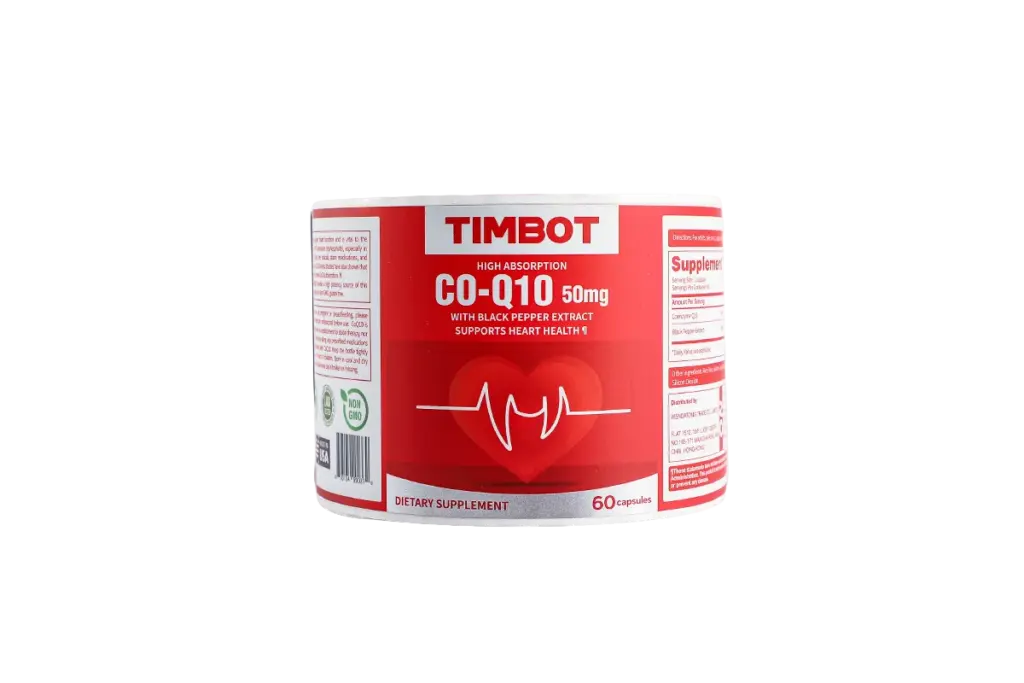
Comparing vinyl vs paper custom stickers reveals a clear tradeoff: vinyl delivers multi-year outdoor durability, while paper offers a highly economical, writable alternative for dry, indoor applications.
Material Composition and Physical Durability
The dividing line between these materials comes down to chemical composition. Custom vinyl stickers utilize a flexible plastic film, typically polyvinyl chloride (PVC), paired with strong, pressure-sensitive acrylic adhesive. This synthetic structure allows the material to stretch and conform to curved surfaces without losing its bond or tearing under mechanical stress.
Paper stickers rely entirely on wood-pulp-based stock. Standard paper lacks the elasticity of plastic and splits easily when stretched. Exposure to moisture causes unprotected paper fibers to absorb liquid, leading to rapid swelling, ink smearing, and edge peeling. Vinyl resists tearing, moisture, and UV exposure, surviving for years outdoors where paper degrades in days.
Aesthetics, Texture, and Finishing Options
Material choice directly dictates the tactile experience of the sticker. Vinyl offers a substantial, premium feel. It supports diverse visual treatments, including vibrant high-gloss laminates, glare-reducing matte finishes, and transparent options. Clear vinyl allows the background surface to show through, creating a minimalist look on glass or metal.
Paper provides a classic, natural texture that synthetic films cannot replicate. Kraft paper and uncoated stock yield a rustic, organic look that matches artisanal branding. The porous, writable surface of paper accepts standard pens and markers, making it highly practical for packaging that requires handwritten batch codes or dates.
Cost Analysis and Production Budgets
Material selection affects both label performance and production costs. Paper labels are often a practical choice for standard packaging applications, while synthetic films such as vinyl usually involve higher material costs due to their enhanced durability and moisture resistance.
- Paper labels: Cost-effective for dry, indoor packaging applications with standard durability requirements.
- Vinyl labels: Higher material costs but better suited for applications requiring improved moisture, flexibility, or surface durability.
- Sheet vs. roll labels: Small-batch sheet production may have a higher unit cost due to different setup and production processes.
The additional cost of synthetic materials may be worthwhile when labels require greater resistance to moisture, abrasion, or frequent handling. Comparing expected performance requirements with production costs helps brands choose a suitable material option.
Best Applications and Selection Rules
The right label material depends on the product type, packaging surface, and expected usage conditions.
When to specify vinyl or film materials:
- Moisture-prone packaging: Beverage bottles, cosmetic containers, food packaging, and products exposed to condensation or frequent handling.
- Durable product labels: Applications requiring improved resistance to abrasion, moisture, or repeated use.
- Premium packaging: Products such as perfume, wine, candles, and gift packaging that require a refined film surface and enhanced appearance.
When to specify paper materials:
- Dry product packaging: Labels for cardboard boxes, paper packaging, and products stored in dry indoor environments.
- Cost-sensitive packaging projects: Applications where print quality and appearance are priorities without requiring high moisture resistance.
- Natural-style packaging: Kraft and textured paper labels for candles, food, gift, and lifestyle products where a natural visual effect is desired.
Scale Your Brand with Zero-Defect Labels
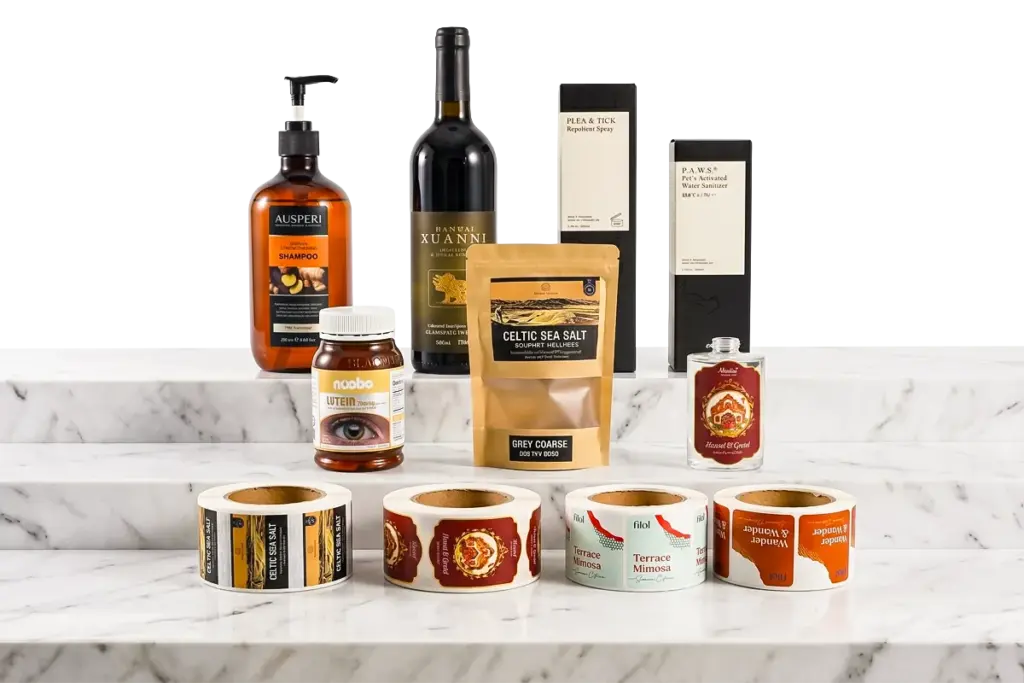
Waterproof Materials for Custom Stickers
True waterproof stickers require a non-porous synthetic face stock, a moisture-resistant adhesive, and water-stable inks protected by a clear protective laminate layer.
If product labels may encounter condensation, splashes, or rain, material selection becomes especially important. A suitable synthetic face stock, adhesive, ink system, and protective finish can help reduce the risk of moisture-related print damage and edge lifting.
Primary Synthetic Face Materials
The printable top layer, or face stock, serves as the first line of defense against liquid penetration. Paper-based stocks fail rapidly under wet conditions, making synthetic, non-porous films the industry standard for durability.
- PVC Vinyl: This serves as the primary industry standard for outdoor stickers, offering three to five years of resistance to heavy rain, UV rays, and physical abrasion.
- Polypropylene (PP) and BOPP: Biaxially oriented films that provide excellent moisture and oil resistance, making them ideal for high-fidelity product branding.
- Polyester (PET): High-durability films that offer exceptional dimensional stability alongside heat, water, and chemical resistance for demanding industrial applications.
- Synthetic Papers: Polymer-based materials that deliver a traditional paper texture and clean print surface while remaining completely waterproof when sealed.
Waterproof Adhesives and Print Systems
Waterproof performance depends on more than just the face stock. If water penetrates the adhesive or breaks down the ink, the sticker will fail. A reliable build requires matching water-stable chemistries across all three layers.
- Permanent Waterproof Adhesives: These acrylic-based formulas maintain long-term bond strength even on submerged, washed, or heavily condensation-prone surfaces.
- Waterproof Removable Adhesives: Low-tack formulations that resist moisture but peel away cleanly without leaving sticky residue behind.
- Synthetic label print systems: UV-curable, solvent, latex, and other ink systems are commonly used for film labels such as BOPP, PP, PET, and vinyl.
Lamination and Protective Coatings
Applying a clear PP, BOPP, PET, or vinyl laminate adds a protective layer over the printed surface and helps improve resistance to moisture, scratches, and handling wear. This finishing step can enhance label durability and maintain print appearance for different packaging applications.
- UV-resistant laminates: Protective films help reduce the impact of UV exposure on printed graphics and support better color stability for products exposed to light.
- High-durability laminates: Protective films can improve resistance to moisture, abrasion, and repeated handling for beverage, cosmetic, food, and other packaging labels.
- Clear protective coatings: Clear varnishes and coatings can add surface protection and create specific gloss or matte effects for paper and film labels.
Paper-Based Materials and Water-Resistance Limits
Standard raw paper stickers absorb water quickly, leading to ink bleeding, paper swelling, and immediate adhesive failure. They are structurally unfit for wet or highly humid environments.
Laminated paper stickers offer minor water resistance suitable only for brief, low-exposure promotional applications. While the plastic overlay shields the surface, moisture eventually seeps into the vulnerable paper edges, causing the fibers to swell and delaminate.
Paper-based options fail in long-term outdoor or high-moisture environments. For any application facing rain, condensation, or frequent handling, you must switch to synthetic stocks like PVC or BOPP to prevent premature failure.
Material Selection Rules by Application Scenario
To avoid early sticker failure, match the material properties to the stresses of the end-use environment.
- Moisture-Prone Packaging: BOPP, PP, PET, or vinyl labels with suitable adhesives and protective finishes are commonly used for products exposed to condensation, splashes, oils, or frequent handling.
- Refrigerated Foods, Cosmetics, and Beverages: Utilize PP or BOPP to handle continuous condensation, oils, and frequent handling on glass or plastic containers.
- Premium Packaging Applications: PET labels offer a stable film surface with good resistance to handling and are often used for cosmetics, perfume, wine, and other premium products.
Choosing Adhesive for Different Surfaces
Selecting the correct sticker adhesive requires matching the chemical formulation to the surface energy and environmental exposure of your target substrate to prevent premature failure.
Core Adhesive Formulations and Tack Levels
Sticker performance relies on matching the chemical base of the adhesive to the physical demands of the job. Choosing the wrong chemistry leads directly to edge lifting, degradation, or stubborn residue on removal.
- Pressure-Sensitive Adhesives (PSA): These serve as the standard, general-purpose choice for typical paper and vinyl stickers applied in standard environments.
- Acrylic Adhesives: These deliver excellent weather and UV resistance, with specialized solvent, high-temperature, and low-temperature freezer-grade variations available.
- Rubber-Based and Hot-Melt Formulations: These provide aggressive initial tack on rough surfaces, but they degrade under prolonged heat and UV exposure.
- Silicone Adhesives: Silicone-based adhesives are used for selected applications requiring heat resistance or bonding on challenging surfaces.
While standard commercial applications rely on acrylic-based systems for their long-term stability, industrial settings require silicones or rubber-based tack to survive extreme physical stress.
Surface Energy and Material Substrates
Different materials present distinct bonding challenges. Adhesives flow and bond differently depending on whether a surface is rough, porous, or possesses high or low surface energy.
- High-Surface-Energy (HSE) Substrates: Glass and polished metal allow adhesives to wet out fully, making them easy to bond using standard acrylics or pressure-sensitive adhesives.
- Low-Surface-Energy (LSE) Substrates: Polyethylene and polypropylene plastics naturally repel liquid adhesives, requiring heavy-duty, high-tack formulations to prevent edge lifting.
- Rough or Porous Substrates: Raw wood, fabric, and textured cardboard require high-tack rubber-based or hot-melt adhesives designed to penetrate deeply into surface fibers.
Environmental Factors and Durability Requirements
Label performance can be affected by moisture, temperature changes, handling, and light exposure. Choosing suitable adhesives and protective finishes helps maintain label appearance and adhesion across different packaging environments.
- Moisture and Condensation: Humidity, splashes, and condensation can affect adhesive performance and print appearance, especially on refrigerated or frequently handled products.
- Cold-Chain and Refrigerated Storage: Freezer-grade adhesives support labels used for refrigerated and frozen packaging where low temperatures may affect adhesion.
- Heat Exposure: Heat-resistant adhesive systems can support selected packaging applications exposed to elevated temperatures during storage or handling.
Balancing Removability and Permanence
Selecting the right adhesive type helps balance label attachment, removal requirements, and packaging performance.
- Temporary Applications: Removable adhesives are suitable for short-term labels, promotional packaging, and applications where clean removal is required.
- Semi-Permanent Applications: Medium-tack adhesives provide a balance between reliable bonding and easier removal for selected product and packaging labels.
- Permanent Applications: Permanent adhesives are commonly used for product labels and packaging seals that require long-term attachment during storage, transportation, and handling.
Best Practices for Application and Testing
Proper application technique is just as critical as selecting the right chemical formulation. Even a high-tack adhesive will fail early if applied to a contaminated substrate.
- Surface Preparation: Clean the target area thoroughly to remove dust, moisture, oils, mold release agents, and silicone residues before applying the sticker.
- Pressure and Dwell Time: Apply firm, uniform pressure across the sticker to maximize adhesive wet-out and contact area, allowing the bond to cure and strengthen over several hours.
- Pre-Production Testing: Run real-world trials with sample batches under expected environmental conditions to inspect for edge lifting, sliding, or residue before committing to full-scale manufacturing.
How Material Selection Affects Sticker Performance
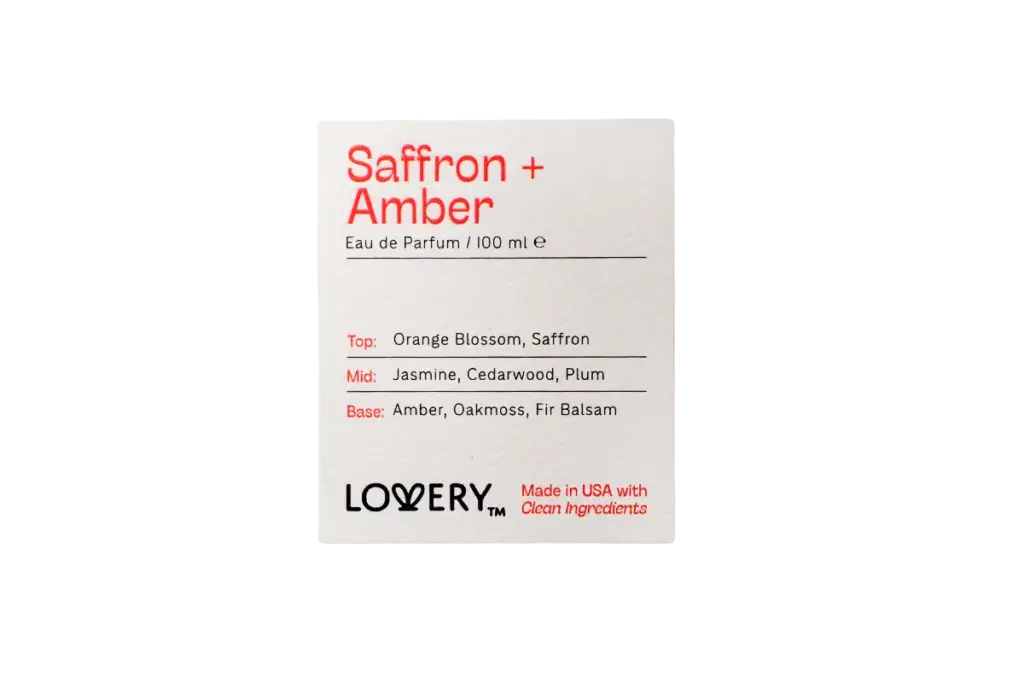
Selecting the correct combination of face stock, adhesive, and protective lamination determines whether a custom sticker survives real-world exposure or fails prematurely on the application surface.
The Structural Anatomy of Sticker Performance
Applying a standard paper label to a textured plastic container often ends in curled edges and adhesive failure, a direct illustration of how material selection affects sticker performance from day one. Every custom sticker functions as an engineered system of three critical layers:
- Face Stock: This primary layer determines the physical structure, flexibility, tear resistance, and the print engine’s ability to resolve fine graphic details.
- Adhesive Formulation: This chemical layer controls initial tack, long-term bond strength, and clean removal behavior without leaving sticky residue.
- Protective Finishes: Clear gloss or matte laminates shield the printed inks underneath from friction, scuffs, skin oils, and environmental exposure.
Matching Material Characteristics to Application Environments
Manufacturers select substrates based on where the finished graphic will live. Matching the chemical properties of the substrate to the environment prevents bond failure:
- Paper Stocks: These substrates provide a highly cost-effective option for indoor promotions, dry packaging seals, and short-term applications.
- Vinyl and Polyester Films: These synthetic films offer the mechanical flexibility, UV stability, and moisture resistance required for curved surfaces and outdoor branding.
- Low-Surface-Energy Plastics: Textured containers and LSE plastics (like polypropylene or polyethylene) resist standard adhesives, requiring high-tack acrylic or rubber-based formulations to prevent edge lifting.
Failure Modes Stemming from Incorrect Material Specification
Choosing the wrong material stack leads to predictable physical breakdowns in the field. These failures damage brand perception and force costly reprints:
- Peeling and Edge Lift: This occurs when the adhesive fails to wet out or bond with the specific surface chemistry, or when a rigid face stock resists a curved application.
- Fading and Discoloration: Unlaminated inks degrade rapidly under outdoor solar radiation, losing color vibrancy in as little as a few months.
- Substrate Disintegration: Exposure to water or condensation causes paper face stocks to swell, warp, and eventually pulp.
Quality Assurance and Material Testing Methods
To prevent field failures, manufacturers run physical stress tests on prototypes before starting full production runs. Standard validation protocols include:
- Adhesion Testing: Engineers apply the sticker to the exact production surface and measure the peel force required to remove it after a standardized 24-hour cure window.
- Moisture and Condensation Exposure: Technicians place labeled bottles or parts in high-humidity chambers or water baths to ensure the adhesive does not emulsify.
- Abrasion and Removal Trials: Mechanical rub tests verify the print’s scuff resistance, while removal checks confirm that temporary adhesives leave clean surfaces.
Final Thoughts
Choosing the right label material requires balancing appearance, durability, application conditions, and production requirements. Meikei Printing helps brands select suitable paper and film materials, adesivos, printing methods, and finishing options for custom packaging labels. Our integrated production process supports sampling, mass production, inspection, and delivery for cosmetics, beverages, food, candles, perfume, wine, and gift packaging.
If you are developing custom labels for a new product, contact our team to discuss your material options and production requirements.
Frequently Asked Questions
What material is best for custom stickers?
The best material depends on the product, packaging surface, and expected usage conditions. Paper is commonly used for dry indoor packaging, while BOPP, PP, PET, and vinyl are suitable for applications requiring better moisture resistance, durability, or a premium appearance.
Are vinyl stickers better than paper stickers?
Vinyl stickers generally offer better moisture resistance, flexibility, and durability than standard paper stickers. However, paper remains a practical choice for dry packaging applications where cost efficiency and print appearance are the main priorities.
What are waterproof sticker materials?
Water-resistant sticker materials commonly include BOPP, PP, PET, and vinyl films. These synthetic materials are widely used for beverage, cosmetic, food, and other packaging labels exposed to moisture, condensation, or frequent handling.
Can stickers stick to plastic bottles?
Yes. Custom stickers can be applied to plastic bottles when the adhesive is matched with the container surface. PP, BOPP, PET, and vinyl labels are commonly used for beverage and cosmetic packaging with curved plastic surfaces.
What adhesive is used for stickers?
Sticker manufacturers commonly use pressure-sensitive adhesives, including acrylic and rubber-based systems. Options include permanent, removable, high-tack, and specialty adhesives designed for different packaging surfaces and application requirements.
Are paper stickers recyclable?
Paper stickers can support recyclable packaging goals when the paper material, adhesive, ink, and overall packaging structure are compatible with recycling requirements. Brands should review material specifications and supplier information for the intended application.
What is BOPP sticker material?
BOPP (Biaxially Oriented Polypropylene) is a synthetic film material widely used for packaging labels. It provides good moisture and oil resistance with options such as white, clear, metallic, and holographic finishes for cosmetics, beverages, food, and other products.
Which sticker material is best for packaging?
The best sticker material depends on the packaging type and product requirements. Paper works well for dry products, while BOPP, PP, PET, and vinyl are commonly selected for packaging that needs improved moisture resistance, durability, or a premium finish.
What type of sticker lasts longest?
Film-based materials such as BOPP, PP, PET, and vinyl usually provide better durability than paper labels in demanding environments. The final performance also depends on the adhesive, printing method, protective finish, and application conditions.
How do manufacturers choose sticker materials?
Manufacturers consider factors such as packaging surface, product environment, moisture exposure, printing requirements, adhesive performance, finishing options, and production volume. A suitable material combination helps achieve the desired appearance and label performance.
📖 Complete Guide
← Back to “What Are Custom Labels?” — The Complete Guide
Learn everything about custom labels: types, materials, printing techniques, cost factors, and how to choose the right solution for your brand.
Related Products You May Like
Want to know more about Meikei? Visit view our customization options or explore learn more about Meikei.