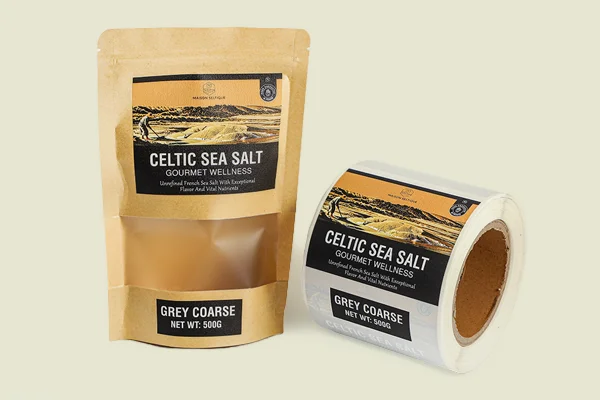
Food packaging now answers to four masters at once: waste rules, delivery logistics, shelf transparency, and the premium look that justifies the price. The top food packaging trends for brands in 2027 e 2027 all trace back to one of those pressures.
Each trend below is already visible on shelves, which makes the list a planning tool rather than a forecast. The sections follow the packaging decision order: format, closure, channel, materials, print, and data. The ten moves at a glance:
- Mono-material and fiber-based structures replacing multi-layer laminates.
- Resealable closures becoming standard on snacks and pouches.
- Portion packs riding single-serve eating habits.
- Formats engineered for grocery delivery and condensation.
- Windows and clear films putting the product itself on display.
- Honest front-panel language replacing headline claims.
- Soft-touch and matte finishes doing the premium work.
- Foil, gravação em relevo, and metallics marking gifting lines.
- QR codes carrying origins and recycling instructions.
- Batch codes and freshness data turning packs into data points.
More Sustainable Food Packaging Formats
Sustainability has stopped being a niche in food packaging: mono-materials, fiber formats, and lighter structures are now the default brief.
Food brands swap multi-layer laminates for single-polymer films, replace plastic windows with coated paper, and down-gauge boards wherever protection allows. Programs like WRAP’s food and drink work have pushed recyclability and material reduction onto the standard checklist, and retailers now score packaging the same way they score ingredients. The change is gradual in visible form but total in specification.
Mono-Material Structures
A pouch made of one polymer recycles where a multi-layer one does not, so converters rebuild barrier packaging around a single material. The labels follow the same rule: a polyolefin label on a polyolefin pouch stays inside the stream. Three moves now show up in most food briefs:
- Single-polymer pouches: One resin carries the barrier and the recycling story together.
- Coated paper windows: Fiber-based films replace plastic film windows on cartons.
- Lighter boards: Strength comes from structure and fluting, not from raw weight.
Fiber Where Plastics Used to Be
Paperboard trays, molded fiber, and barrier-coated papers take over dry and ambient formats. Fiber wins on recyclability and shelf feel, and the moisture-heavy categories stay with film until the barriers catch up. The label stock follows the pack material, because a fiber pack wearing a film label loses half the recycling argument.
Resealable and Portion-Controlled Packaging
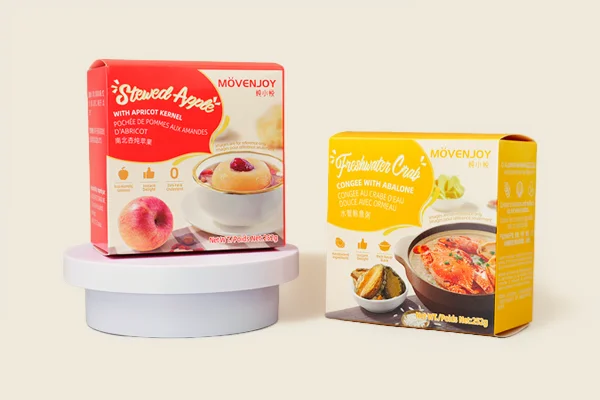
Snacking habits have rewritten food packaging: resealable closures and portion packs now outsell the plain bag in most categories.
Resealable Closures
Press-to-close zips, adhesive flaps, and reclosable lids keep the product fresh between uses and justify the price premium on repeat purchases. The closure adds a converting step, so brands specify it before artwork, not after. The main closure families and where they work:
| Closure Type | Formats It Serves | What It Protects |
|---|---|---|
| Press-to-close zips | Stand-up pouches | Freshness between uses |
| Adhesive flaps | Flow packs, snack bags | Reseal after opening |
| Reclosable lids | Tubs and canisters | Moisture and aroma |
| Tear notches | Sticks and sachets | One-hand opening |
The closure and the label share the same edge, so artwork keeps the reseal zone clear and the barcode on a flat, scannable area. A closure that fights the label design costs more in returns than it saves in materials.
Portion and Single-Serve Formats
Single-serve and portion packs ride calorie awareness and on-the-go eating, and they carry bigger label print requirements per gram than any family pack. For the box formats that hold them, see our article on custom candy and snack boxes. Portion packs also shorten the usage window, so freshness and barrier specs move up the brief.
Packaging for Online Grocery and Delivery
E-commerce turned packaging into a shipping test: formats now survive drops, temperature swings, and condensation before they ever reach a shelf.
Formats Built for the Last Mile
Grocery delivery favors formats that stack in totes, resist crushing, and hold up through temperature shifts between depot and doorstep. Flexible packs with strong seals and corrugated-ready shapes win the channel. Right-sizing matters just as much: an air-filled box around a small pack wastes freight and invites the sloppy-fit look on arrival. Packs that survive the drop test without a secondary wrap cut a whole layer of material cost.
Condensation and Cold-Chain Labels
Chilled delivery puts labels through condensation that shelf retail never did, which pushes brands toward waterproof film facestocks and cold-rated adhesives. See our article on how to make waterproof labels for the material side of that shift. Tamper evidence rides the same trend, because more hands now touch the pack between depot and pantry.
Transparent Materials and Clear Product Communication
Shoppers trust what they can see: windows, clear films, and honest front-panel language now do the selling that claims used to do.
Windows and Clear Films
A window or a clear label shows the product itself, which beats any photograph. Clear-on-clear labels keep the no-label look, and fiber-based windows keep the pack recyclable while the transparency stays. The transparency checks that matter at spec time:
- A real view: The window shows the actual product, not a styled serving suggestion.
- Clear film labels: The no-label look holds on glass and rigid plastic.
- Plain front-panel copy: The panel names the product and its main benefit directly.
Fiber windows deserve a note of their own: a coated-paper window keeps the view while the whole carton stays paper-recyclable, which is why dry categories adopted them faster than chilled ones.
Honest Front-Panel Language
Benefit-first copy with plain ingredient language replaces headline claims, because transparency now means wording, not just windows. The front panel says what the product is; the back panel carries the details that support it. Shoppers cross-check the two, so inconsistency between front promise and back detail costs trust.
Food Packaging Printed for the 2027 Shelf
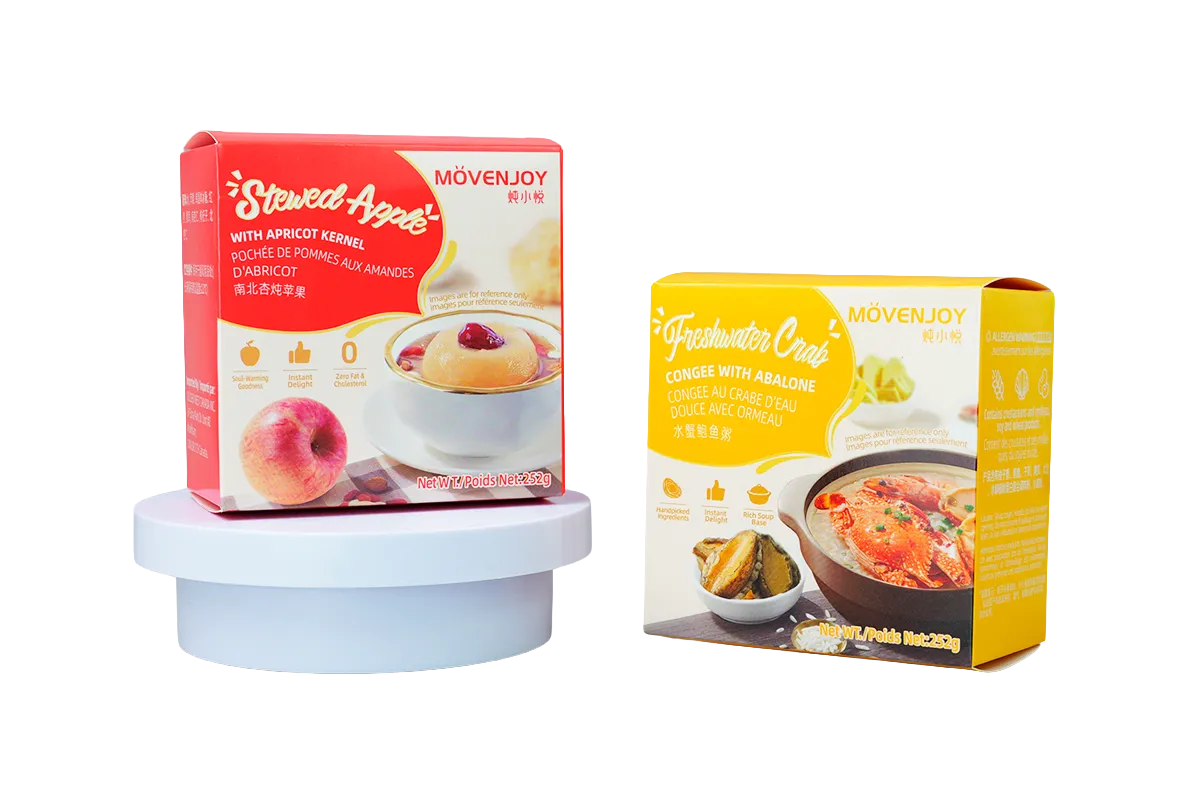
Premiumization Through Print and Finishing
Print and finishing have become the pricing lever: the same box reads value or premium depending on the finish it wears.
Soft-Touch and Matte Coatings
Soft-touch and matte coatings give food packs the muted, premium feel that glossy cartons lost to generics. The finish has to survive the cold chain, so coating choice gets tested on the real pack, not the sample sheet. A finish that scuffs in a chilled tote undoes the premium promise, so durability tests ride along with the color approval. The premium finish set in food now runs:
- Soft-touch coating: A muted, premium hand-feel on cartons and labels.
- Blind embossing: Dimension without extra ink, ideal for brand marks.
- Gold and silver foil: The gifting and limited-edition signal.
Foil, Embossing, and Metallic Accents
Folha de ouro, blind embossing, and metallic inks mark gifting and limited-edition lines without changing the structure. For the finish options and how they behave, see our article on what laminated labels are. The premium look still has to print a scannable barcode, so the finish spec includes the scanning test.
Smart Packaging and Traceability Features
QR codes and batch data have moved from back-panel afterthought to front-line packaging features, connecting every pack to its origin.
QR Codes That Carry the Story
One scan now opens origins, recipes, and recycling instructions, and the code has to print sharply enough to scan from a moving hand. Size, contrast, and quiet zone get specified in the artwork stage, not added at prepress. Codes on curved or squeezable packs get extra margin, because the scan happens on a bent surface.
Batch Traceability and Freshness Data
Lot codes, production dates, and freshness indicators turn every pack into a data point, which is why variable data printing is standard on food lines. The trend is toward codes that serve both the supply chain and the shopper from one printed mark. Time-temperature indicators push the same idea further, showing condition rather than just code, and the print side of them is already production-ready.
Perguntas frequentes
Is plastic food packaging safe?
Food-contact plastics are regulated and safe when made from approved materials and used as intended, which means matching the right polymer to the right food and temperature. The same food-grade logic applies to the labels and inks on the pack. Safety comes from the material specification and its documentation, not from the word plastic itself.
How big is the food packaging industry?
Food is the largest single end use of packaging worldwide, with the segment measured in the hundreds of billions of dollars a year. Food drives demand for films, cartons, labels, and corrugated alike. That scale is why every packaging trend, from recyclability rules to smart codes, reaches the food aisle first.
Why is packaging important for food?
Food packaging protects the product from damage and contamination, extends shelf life through barriers and seals, and carries the safety and nutrition information shoppers rely on. It also prevents the food waste that happens when unprotected products spoil in transit or at home. The pack is the product’s safety system, not just its wrapper.
What are five types of food packaging?
Five common families cover most food shelves: bottles and jars, flexible pouches and films, folding cartons, corrugated shipping boxes, and trays or cans. Each family answers a different barrier and handling need, and most products combine two of them, a carton around a pouch or a jar inside a shipper. Labels follow whichever surface they sit on.
What is the main purpose of packaging?
The main purpose of packaging is to protect the product from factory to consumption and to present the information that sells and informs. Every format decision traces back to those two jobs. Food packaging adds a third: preserving quality long enough for the product to be eaten safely.
What are three disadvantages of packaging and why?
The three disadvantages most often raised are material waste, cost, and overpackaging that misleads about the amount inside. Waste and cost push brands toward lighter, recyclable structures, and overpackaging is now regulated in several markets. The trend response is visible in every section above: less material, more function.
What is the difference between packing and packaging?
Packing is the act of placing a product into a container, the step on the production line where the filling happens. Packaging is the container system itself, the box, pouch, label, and seal, plus the design around them. In briefs, packaging means the materials and artwork, while packing means the process.
What are the four C’s of packaging?
The four C’s usually listed are cost, convenience, communication, and compliance, though versions vary between courses and industries. Cost covers the per-unit price, convenience the ease of use, communication the label and design, and compliance the regulatory text. A food pack fails when any one of the four is shortchanged.
What are the 5 importances of packaging?
The five importances usually listed are protection, preservation, information, convenience, and marketing. Packaging shields the product, extends its life, tells the shopper what it is, makes use easier, and sells from the shelf. Food brands weigh protection and preservation highest, because safety depends on them.
What are the four purposes of packaging?
The four purposes usually listed are protection, containment, information, and utility. The pack protects the product in transit, holds it in one unit, carries the required labeling, and makes the product practical to store and use. Food packaging adds preservation to the list, because shelf life is a safety question.
What are three reasons why packaging is important?
Three reasons stand out: packaging keeps food safe through the supply chain, it carries the information shoppers need to choose and use the product, and it prevents waste by extending shelf life. The same pack also sells the product from the shelf. Remove any one of those functions and the product cannot reach the shopper.
Conclusion
The food packaging trends that matter changed how a pack is specified: sustainable structures, closures for new eating habits, delivery-proof formats, honest transparency, premium finishing, and codes that carry data. Brands that fold these into one brief get a pack ready for the shelf and the supply chain at once.
For food brands planning packaging updates, Meikei prints food-grade labels, cartons, and snack boxes with sampling on your real product before the full run.