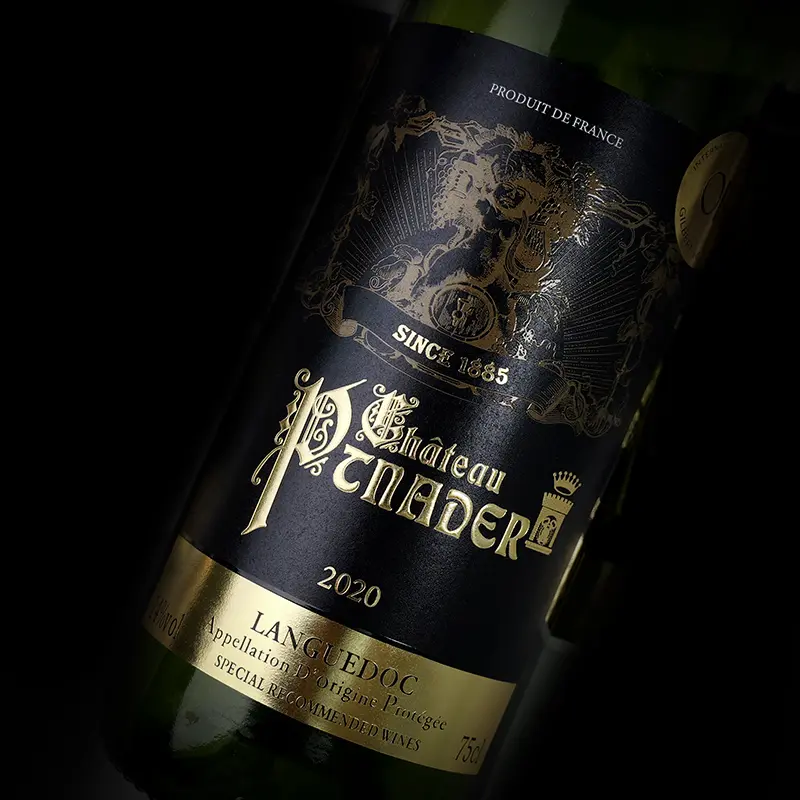
A liquor label is a legal document before it is a design. In the United States, the liquor label requirements are set by the TTB, with approval required before the bottle ships. The compliance path runs through the label artwork, never around it.
This guide covers what the TTB oversees, the mandatory label information, the certificate of label approval, and the placement and legibility rules. It ends with the pre-press checks that keep a compliant label from ever becoming an expensive reprint.
Alcohol Products and Labels Covered by TTB Oversight
The TTB’s labeling authority covers distilled spirits, wine, and malt beverages sold in the United States, each with its own rules.
The scope question comes first, because the product’s class decides which rulebook actually applies to it. The three sections below map the oversight precisely, product by product.
The TTB’s Scope
The Alcohol and Tobacco Tax and Trade Bureau oversees the labeling of alcohol beverages in the US market, from the largest distillery to the smallest craft brand. The agency’s rules cover what appears on the bottle and what it claims. The label program starts with the regulator’s scope, never with the designer’s first sketchbook page, however tempting that page is.
Product Classes and Their Rules
Distilled spirits, wine, and malt beverages each carry their own labeling requirements, with spirits adding class and type statements and wine adding appellation and vintage rules. The class of the product decides the rulebook. The label spec reads the product class first, before any other line on the sheet.
When Approval Is Required
Most domestic and imported alcohol labels need a certificate of label approval, with exemptions for certain standard cases. The approval is issued per label, per product. The design cannot proceed to print until the approval is in hand, which is exactly why the approval step sits so early in the production timeline.
Mandatory Information on Distilled Spirits Labels
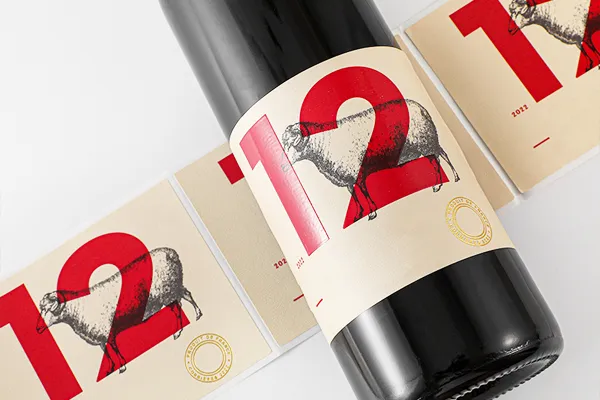
The mandatory set is fixed: brand, class and type, alcohol content, net contents, producer details, and the health warning.
These six elements are the label’s legal furniture, and every one has a format the rules define. The three sections below split them into their blocks, and the table lines up the whole set.
| Element | What It States | The Rule’s Floor |
|---|---|---|
| Brand name | The product’s brand | Placed on the brand label |
| Class and type | Legal category like vodka or whiskey | Regulator’s vocabulary |
| Alcohol content | Proof or percent by volume | Exact required format |
| Net contents | Volume in metric and US units | Both unit systems |
| Producer or importer | Name and address | Per product class rules |
| Health warning | Government warning statement | Own type-size rule |
The table is the label’s compliance checklist: each row gets verified against the rule before the artwork goes anywhere near approval.
Brand, Class, and Type
The label carries the brand name and the class and type statement, which names the product’s legal category, such as vodka, whiskey, or gin. The class statement uses the regulator’s exact vocabulary, never the marketing one, whatever the brand wants to say. The statement’s exact wording is one of the most common rejection points in the review.
Alcohol Content and Net Contents
Alcohol content prints as proof or percent by volume per the product’s rules, and net contents print in the required metric and US units. The formats are exact ones, with absolutely no room for approximation. The content lines sit where the rules place them, and the artwork then fits respectfully around them.
Producer Details and the Warning
The name and address of the bottler or importer, plus the government health warning statement, complete the mandatory six-element set. The warning has its own specific type-size rule that absolutely must be respected. The mandatory block is non-negotiable space in the label layout, planned before the brand gets any of its visual polish.
Certificate of Label Approval and Formula-related Considerations
The certificate of label approval, the COLA, is the TTB’s written sign-off that a label meets the rules before printing.
The COLA is the compliance milestone that every serious label program builds its timeline around. The three sections below explain the document, the timing, and the formula side.
What the COLA Is
The COLA is the approval document for a label, issued after the artwork is reviewed against the applicable rules. The approved label artwork is the exact one that prints. The document ties the artwork version to the approval, which is precisely why version control matters throughout the whole label program.
Timing and the Approval Process
COLA processing times vary with the product class and the agency’s current workload, so the application goes in early, right alongside the packaging timeline. The approval’s wait is planned into the schedule, never surprised onto it at the very last minute. The label print order is placed only after the approval actually arrives.
Formula and Product Claims
Some products need formula approval alongside the COLA, and every label claim, from age statements to flavor names to origin claims, has to match that approved formula. The label file and the formula file travel together through the whole review. A claim the formula cannot support fails the review outright, every time.
Spirit Labels Printed to the Approved Artwork
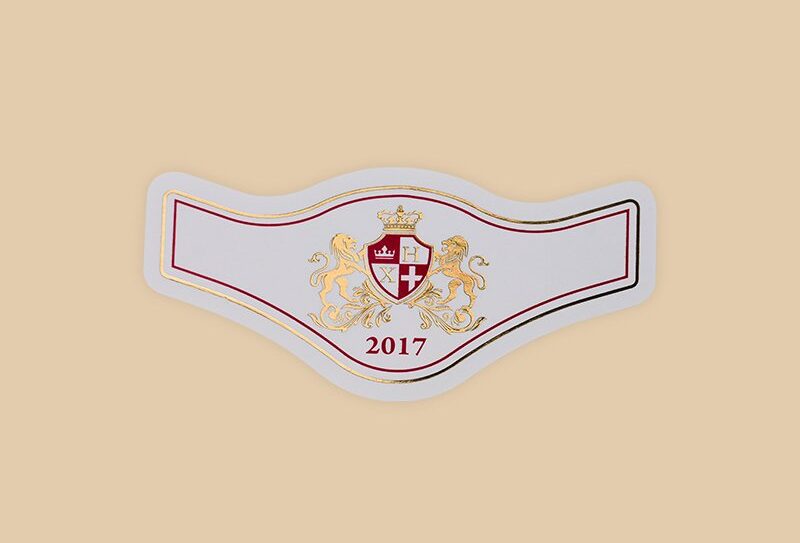
Placement, Legibility, and Changes Requiring Review
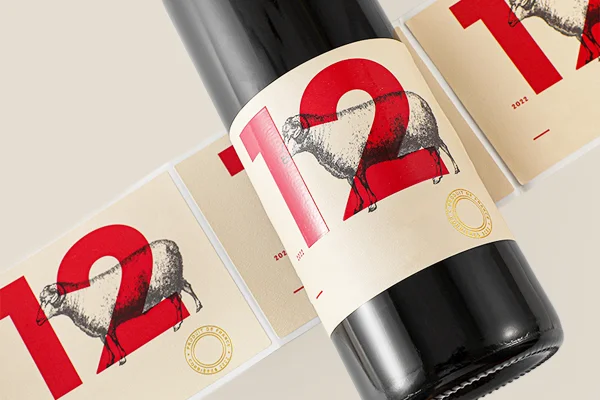
The rules govern where each element sits and how small it may print, and the layout answers both before the art.
Placement and legibility are where compliant intent turns into compliant print. The three sections below cover the positions, the type sizes, and the changes that reopen the review.
Placement of Required Elements
The brand label and the required information each have their homes on the bottle, front or back, per the product class’s rules. The placement of each required element is itself part of the approval review. The layout is planned with the required elements as fixed furniture, and the brand is then designed carefully around them.
Type Size and Legibility
The rules set minimum type sizes for the mandatory text, so the label’s fine print can never drift below that floor. The legibility check happens at the actual printed size. The designer’s smallest type is measured against the rule, never against the mockup’s visual charm.
What Triggers a New Approval
Changes to the label, new claims, new sizes, or new products all trigger a fresh review, so the approval process runs per label version, every single version. The version discipline keeps the approved file and the printed label absolutely, word-for-word identical on the bottle. A change made quietly after approval is the classic compliance failure in this entire category.
Pre-press Checks Before Printing TTB-Regulated Labels
Pre-press is the last line of defense: the printed label is checked against the approved COLA, line by line.
Everything before this section was careful planning; everything after it is print. The three checks below are the final gate before plates.
The Artwork-to-Approval Check
The pre-press check compares the production artwork against the approved COLA artwork, element by element, because the two must be identical. The check catches the quiet little edits that sneak in between the approval and the actual print. The approved version is the only version that ever prints.
Print-Quality Checks
The print checks cover the type legibility, the barcode grade, and the color standard, all checked against the approved reference file. The printed sample then gets one more careful, line-by-line read against the COLA artwork. The sample round is where a compliance miss gets caught cheaply, before the plates commit it permanently onto film.
Documentation for the Run
The production run travels with its full documentation: the approval reference and the artwork version, so every single printed roll is traceable back to the approval. That documentation trail is what protects the brand in any later review. For the material side of spirit labels, see our article on beer bottle labels in paper vs film, which shares the same bottle-label disciplines.
Frequently Asked Questions
What is COLA approval?
COLA approval is the TTB’s sign-off on an alcohol beverage label, confirming the artwork meets the applicable labeling rules before the product ships. COLA stands for certificate of label approval. The approved label is the one that prints, which is why the approval step comes before the print order.
What is a certificate of label approval?
A certificate of label approval is the document the TTB issues when an alcohol label passes review. It is required for most domestic and imported alcohol beverages sold in the United States. The certificate ties to a specific label version, and the printed label has to match that approved version exactly.
What is a COLA document?
A COLA document is the approval record for a specific label, showing the artwork the TTB reviewed and approved. The document is the reference every print run is checked against. Keeping the document with the artwork version is how brands prove the shelf label matches the approval.
How long does COLA approval take?
COLA processing times vary by product class and the agency’s current workload, so the application goes in early within the packaging timeline. The wait is planned rather than discovered. The label print order is placed after the approval, which keeps the timeline honest.
What are the processing times for TTB COLA applications?
TTB COLA processing times are published by product class and shift with the agency’s volume, so the current numbers come from the TTB’s own site at application time. The timeline is part of the launch plan. Planning around the published time, with margin, keeps the print schedule safe.
How to get a COLA waiver?
COLA waivers apply to specific exempt situations defined by the TTB’s rules, and the waiver request follows the agency’s process for the product class. The waiver is the exception, not the plan. Most brands simply follow the standard approval path, with the waiver reserved for the cases the rules allow.
What is mandatory on a US wine label?
A US wine label carries the brand, class and type, alcohol content, net contents, producer or bottler details, and the health warning, with vintage and appellation where claimed. The set follows the TTB’s wine labeling rules. Each element prints in its required place and size.
What must be included on the label?
For alcohol labels, the required set is the brand, class and type, alcohol content, net contents, producer or importer details, and the health warning. The list is fixed by the product class’s rules. The required elements are the layout’s fixed furniture, and the design works around them.
What are the three requirements for labels?
Label requirement groupings vary, but a common three-part split is identification, content information, and compliance statements. On alcohol labels, those three become the brand and class, the alcohol and net contents, and the producer details with the health warning. The three groups together form the mandatory set.
What materials are exempt from labeling requirements?
Exemptions vary by product class and cover specific cases the rules carve out, rather than whole material categories. The TTB’s guidance lists the exempt situations. For most brands, the exemption question is a review point, not a shortcut, and the default path is full compliance.
What is a label used for?
A label identifies the product, carries the required information, and communicates the brand to the shopper. On alcohol bottles, it is also the legal document the TTB approves. The label’s three jobs, marketing, information, and compliance, share one printed surface, which is why the layout plans them together.
Conclusion
TTB compliance runs through the whole label program. The mandatory information set, the approval before print, and the version discipline keep the printed label identical to the approved one, line for line, bottle for bottle. The brands that treat the approval as part of the design process ship compliant bottles without reprints, and their labels pass review the very first time, every time.
For distillers and wine brands, Meikei prints spirit and wine labels strictly to the approved artwork, with version control and pre-press checks before any plates are made.