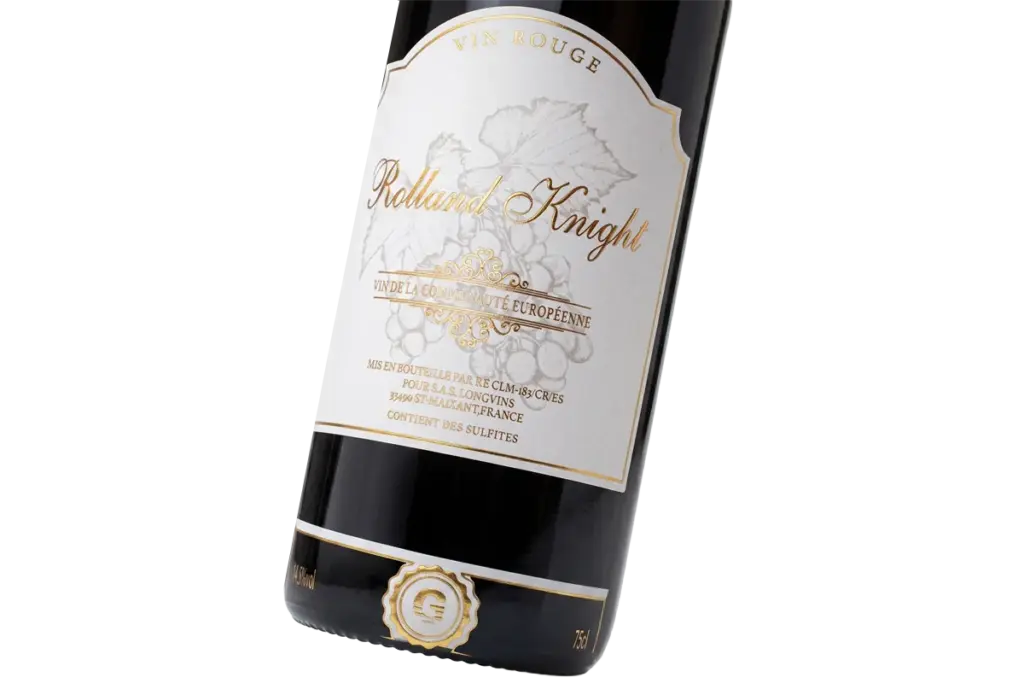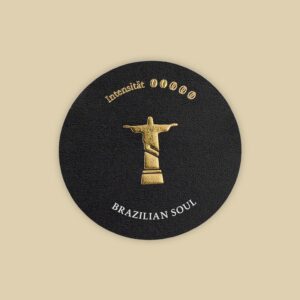
Choosing the right bottle labels involves more than picking a material that looks good. The bottle’s shape, where it will be stored, and how it will be handled can all affect the label’s appearance and performance. A chilled beverage bottle, for example, may need a different label material from a dry cosmetics bottle.
From paper and wet-strength stocks to BOPP and PET films, each material offers different benefits. In this guide, we’ll look at the main factors to consider when choosing bottle labels, including bottle shape, label position, materiale, and finishing options.
What Makes Bottle Labels Different From Other Product Labels?
Standard packaging relies on flat surfaces, but bottle labels must conform to complex three-dimensional curves, shifting tapers, and harsh environmental exposures.
Bottle Shape and Available Labeling Areas
Flat-pack packaging uses predictable, uniform surfaces, but containers with curves require specialized geometric planning. The primary challenge stems from three-dimensional curvature that shifts diameter across different points on the same container.
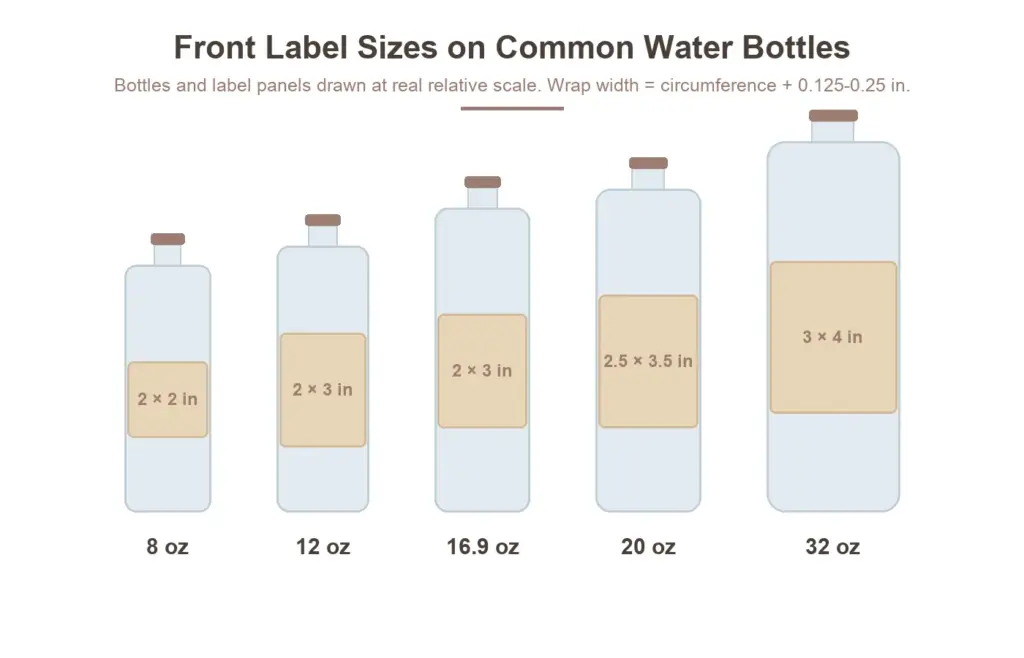
Unlike flat packaging, bottles often have curved, tapered, or contoured surfaces that change across the label application area. Measuring the usable label height, circumference, diameter variation, and surface transitions before production helps ensure that the label size and shape match the container profile.
To prevent visual distortion and peeling, the usable labeling zone is limited to the straightest, most consistent part of the container body. Keeping labels clear of shoulders, heels, molded embossing, and vertical seams is necessary to ensure complete adhesive contact. Label geometry must adjust to the specific structural profile of each container category:
- Cylindrical bottles: These containers support standard wrap-around profiles or traditional front-and-back panels, provided the straight-wall height remains uniform.
- Tapered bottles: Shifting diameters require arched or trapezoidal label shapes to prevent creasing, edge lift, and skewed placement.
- Square and flat-faced bottles: These provide stable, flat target zones, but vertical corner edges and alignment seams restrict the overall safe width of the label.
Application success also depends on surface conditions. Bottles that are cold, wet with condensation, dusty, or contaminated with residual oils can reduce adhesive performance, increasing the risk of edge lift, bubbles, or poor initial adhesion.
Front, Back, Neck, and Other Label Positions
Rather than using a single broad panel to communicate with consumers, bottle labeling separates key messages across distinct physical positions. This segmenting maximizes the visual impact of the container design while satisfying dense regulatory compliance needs across the retail lifecycle.
- Front labels: These act as the primary brand panel, positioned centrally on the most visually prominent and stable part of the container body.
- Back labels: These panels accommodate dense informational layouts, legal disclosures, ingredient lists, and barcodes on flat or mildly curved surfaces.
- Neck labels: Used as premium accents or varietal markers, these elements are constrained by tight curves, small surfaces, and steep tapers.
- Wrap-around labels: These offer continuous 360-degree coverage but require calculated gap allowances to prevent overlap errors on production lines.
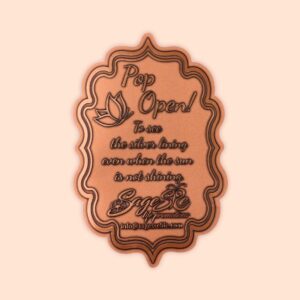
- Alternative placements: Medallion labels, base-neck strips, and decorative decals offer secondary surface area to distinguish premium spirits, wines, and cosmetics.
Distributing information across these specific positions ensures your primary brand assets remain clean and visible on the retail shelf, while critical regulatory data stays highly legible on the back panel.
Which Materials Work Well for Bottle Labels?
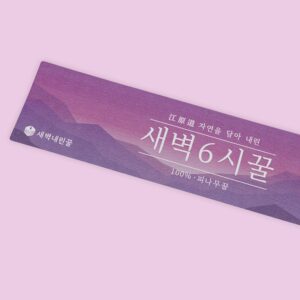
How do you choose the right material for bottle labels when your product faces moisture, temperature shifts, and constant friction?
Selecting bottle label materials requires matching the substrate to the product’s exposure to moisture, attrito, and chemicals to prevent peeling and ensure shelf durability.
| Material Class | Primary Options | Best Use Cases | Core Strengths |
|---|---|---|---|
| Paper Substrates | Coated/Uncoated, Wet-Strength, Textured, Kraft, Metalized | Premium wines, dry pantry goods, artisanal spirits, organic cosmetics | Tactile appeal, lower base cost, easy custom die-cutting |
| Synthetic Films | BOPP (White/Clear), PE, PET, Vinile, Shrink-Sleeves | Refrigerated drinks, shampoos, squeezable bottles, cosmetics | Moisture-resistant, grease-resistant, tear-resistant, and suitable for complex contours |
Paper and Specialty Paper Options
Paper remains the go-to substrate when you want to emphasize tactile premium branding and keep initial material costs low. While standard paper serves dry environments well, advanced treatments expand its utility into moist settings.
- Standard Coated and Uncoated Paper: These substrates deliver high-resolution print quality at an affordable price, making them perfect for dry-use pantry goods and non-refrigerated cosmetics.
- Wet-Strength Paper: Specially treated to prevent fiber breakdown and tearing under heavy condensation, this option serves as the industry standard for chilled craft beers and wines.
- Textured and Estate Papers: Options like felt or laid stocks provide a tactile, handcrafted feel for luxury goods, though they still require wet-strength formulation to survive ice bucket submersion.
- Kraft and Unbleached Paper: This brown, rustic material signals organic, eco-friendly values directly to the consumer without shouting.
- Metalized Paper: A full-face metallic layer provides high-shine reflectivity, catching light easily on retail shelves for premium spirits and energy drinks.
Film-Based and Other Label Materials
Synthetic films step in when paper cannot survive the product’s lifecycle. These materials block water, resist chemicals, and conform to squeezable or irregularly shaped packaging.
- BOPP (Biaxially Oriented Polypropylene): Waterproof and oil-resistant, BOPP serves as the default film choice for beverage bottles, shampoos, and high-handling personal care items.
- Polyethylene (PE) and Polyolefin: Highly flexible, these films stretch and contract alongside deformable or squeezable plastic bottles to prevent wrinkling and edge lift.
- PET (Polyester): Rigid PET offers great thermal stability and crystal-clear transparency, creating a clean, direct “no-label” look on glass bottles.
- Vinyl and Synthetic Papers: These durable substrates offer good resistance to moisture, gestione, and everyday wear, making them suitable for cosmetics, beverages, candele, and other retail packaging applications.
- Shrink-Sleeve and Wrap-Around Films: These materials conform tightly to complex bottle shapes under heat, maximizing display space with high-impact graphics.
Choosing the right material ensures the brand identity remains intact from the filling line to the consumer’s hands. Testing samples under conditions such as refrigeration, humidity, or frequent handling can help confirm whether the selected material and adhesive are suitable before full production.
Elevate Your Brand with Custom Food Labels
Which Finishes Can Make Bottle Labels More Premium?
High-contrast metallic foils, deep 3D embossing, and tactile UV varnishes elevate bottle labels by transforming visual designs into sensory, touch-driven packaging experiences.
How do you make a bottle label stand out on a crowded retail shelf where every brand competes for a fleeting second of attention? Choosing the right decorative finishes for bottle labels determines whether a consumer passes by or stops to touch the product.
Foiling and Embossing Effects
To command immediate attention, high-end brands rely on physical depth and metallic reflection. These tactile embellishments alter how light hits the packaging and create an instant perception of quality.
- Metallic Foil Stamping: Applying gold, rose gold, silver, copper, or gunmetal foil establishes high-contrast luxury signals on brand marks, borders, and seals.
- Hot vs. Cold Foil: Hot foil stamping presses foil onto the substrate with heat for a deep, lustrous finish on typography. Cold foil prints inline to handle multi-colored metallic gradients and complex details.
- Embossing and Debossing: These techniques raise or depress key brand assets to form a sophisticated 3D tactile relief that invites physical touch.
- Substrate Support: Heavier specialty papers provide a stable base for embossing and dimensional finishes. Choose the paper weight based on the design, embossing depth, and desired tactile effect.
Combining hot foil with multi-level embossing yields a premium sculpted finish. This technique maximizes both physical dimension and light reflection on the shelf.
UV and Textured Finishing Options
Visual contrast does not stop at metallics. Modern bottle labels leverage clear varnishes and specialty coatings to guide the eye and create distinctive hand feel.
- UV Varnish Contrast: Spot UV and reverse UV varnishes produce high-contrast gloss-to-matte transitions that direct visual focus to selected graphics.
- Raised UV Decoration: This option builds an elevated, clear layer on logos and lettering, providing tactile impact without the cost of custom bottle molds.
- Textured and Soft-Touch Coatings: Soft-touch coatings and textured varnishes deliver velvety surfaces and structural grip that differentiate the bottle from standard gloss alternatives.
- Specialty Facestocks: Materials like felt, laid, linen, and pearlescent papers establish a high-end sensory baseline before any ink or foil is applied.
Lamination and protective varnishes shield non-waterproof textured papers from degradation in ice buckets and damp refrigeration environments, preserving the label’s integrity during service.
How Can Bottle Label Manufacturers Support Custom Projects?
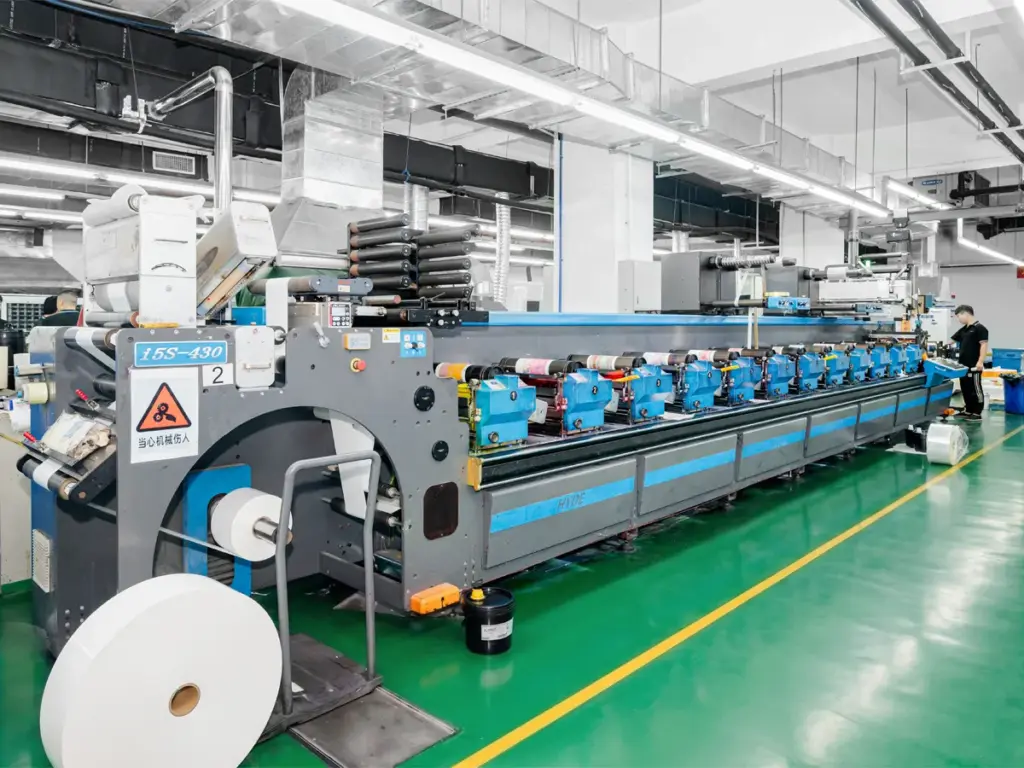
A reliable bottle label manufacturer can help brands evaluate materials and finishes before production, while quality inspection helps maintain consistent print and cutting results across larger orders.
Sampling and Material Selection Before Production
Before scaling production, bottle label manufacturers run highly specific material and adhesive trials to ensure your design survives real-world environments. Testing on actual glass, PET, or aluminum containers prevents adhesion failures before committing capital to a full print run.
- Physical Prototypes: Printing mockups on the exact production substrate and adhesive to test real-world application performance directly on glass, PET, or aluminum bottles.
- Environmental Stress Testing: Evaluating label adhesion, print quality, and barcode readability under relevant conditions such as refrigeration, condensation, humidity, or frequent handling.
- Face Stock Matching: Selecting materials such as moisture-resistant BOPP, PET, or specialty papers according to the bottle surface, storage conditions, appearance requirements, and sustainability priorities.
- Pre-Production Audits: Reviewing artwork, print compatibility, fine text, barcodes, and variable information to help ensure important label details remain clear and readable after printing.
Quality Inspection for Mass-Produced Bottle Labels
For larger production runs, consistent inspection helps identify print variations, cutting issues, and other defects before labels are delivered. This is particularly useful when the same bottle label design needs to remain consistent across multiple production batches.
- Inline Camera Vision Systems: Deploying high-speed cameras to monitor label placement, skew, and physical integrity during active bottling runs.
- OCR and Barcode Verification: Reading variable data, batch codes, and barcodes in real time, then comparing them with current production-run specifications.
- Structured Visual Sampling: Implementing documented sampling plans to isolate and resolve physical defects like edge lifting, wrinkling, or color shifting.
Considerazioni finali
The right bottle label should balance appearance, material performance, and the conditions your product will face. Carta, BOPP, and PET each offer different options for moisture resistance, durabilità, and visual appeal.
Per custom labels, testing the material and finish on your actual bottle before mass production can help avoid application issues. Meikei Print provides one-stop printing services for labels and paper boxes, from material selection and sampling to printing, finitura, inspection, and delivery.
FAQs
What are the best labels for bottles?
The best bottle labels depend on the bottle material, shape, storage conditions, and desired appearance. Paper labels work well for many wines, spiriti, candele, and dry products, while BOPP and PET are useful when moisture resistance and durability are priorities. The right adhesive and finish should also match the bottle surface and how the product will be handled.
How do I choose a bottle label?
Start by considering the bottle shape, available labeling area, moisture exposure, and the look you want to achieve. Then compare paper and film materials based on durability and appearance. You should also consider the label position, adesivo, misurare, and finishing options such as foil stamping, embossing, or spot UV.
What material is best for bottle labels?
There is no single material that works best for every bottle. Paper is a popular choice for premium wines, spiriti, and dry products because of its texture and print quality. BOPP, PE, and PET are better suited to bottles exposed to moisture, condensation, or frequent handling. The choice should match both the bottle and its use.
Are paper labels suitable for bottles?
SÌ. Paper labels are widely used on wine, spiriti, food, cosmetics, and other bottles where appearance and texture are important. Standard paper works well in relatively dry conditions, while wet-strength paper and protective finishes can improve resistance to moisture. For bottles exposed to heavy condensation, testing the complete label construction is recommended.
Are BOPP labels good for bottles?
SÌ. BOPP is a practical choice for bottles that may encounter moisture, oil, or frequent handling. It is commonly used for beverages, shampoos, cosmetics, and other retail products. White and clear BOPP can also create different visual effects, making the material suitable for both durable everyday packaging and more design-focused bottle labels.
How do I measure a bottle for labels?
Measure the height and circumference of the area where the label will be applied. For tapered or irregular bottles, also check the diameter at different points and avoid areas with strong curves, seams, shoulders, or molded details. Leave enough space for the label to sit flat without overlapping or extending beyond the intended labeling area.
Can labels be applied to curved bottles?
SÌ. Bottle labels can be applied to curved and tapered surfaces when the label size, shape, materiale, and adhesive are suitable for the bottle. Cylindrical bottles are generally straightforward, while sharply tapered or irregular shapes may require a customized label shape. Testing a sample on the actual bottle can help check adhesion and positioning.
Where should a bottle label be placed?
Most bottles use a front label on the main visible area, while a back label can hold product information, ingredients, barcodes, and other details. Neck labels can add a decorative touch to wine and spirits, while wrap-around labels provide broader coverage. The final placement should follow the bottle shape and leave enough room for clean application.
Can bottle labels be embossed?
SÌ. Embossing can raise selected areas of a bottle label to create a noticeable tactile effect. It works particularly well on logos, lettering, borders, and decorative elements. Paper and specialty papers are commonly used for this type of finish. The paper weight and label construction should be selected according to the desired embossing depth and design.
Can bottle labels have foil finishes?
SÌ. Foil stamping can add metallic details in finishes such as gold, silver, copper, or rose gold. It is often used on logos, borders, lettering, and decorative elements to create stronger visual contrast. Hot foil and cold foil offer different effects, so the best option depends on the artwork, label material, and desired finish.
How do I prevent bottle labels from peeling?
Choose a label material and adhesive that suit the bottle surface and expected conditions. Moisture, condensation, dust, oil, and an unsuitable label shape can all affect adhesion. Keep the application surface clean and dry, and avoid placing labels across strong curves, seams, or molded areas. Testing the label on the actual bottle before production can also help identify potential issues.
Should front and back bottle labels match?
They do not have to be identical, but they should work as part of the same packaging design. Using consistent colors, tipografia, finiture, or visual elements can create a cohesive look. The front label can focus on the brand and product name, while the back label provides supporting information such as ingredients, product details, and barcodes.
Related Products You May Like
Want to know more about Meikei? Visit explore our custom label printing services or explore learn more about Meikei.