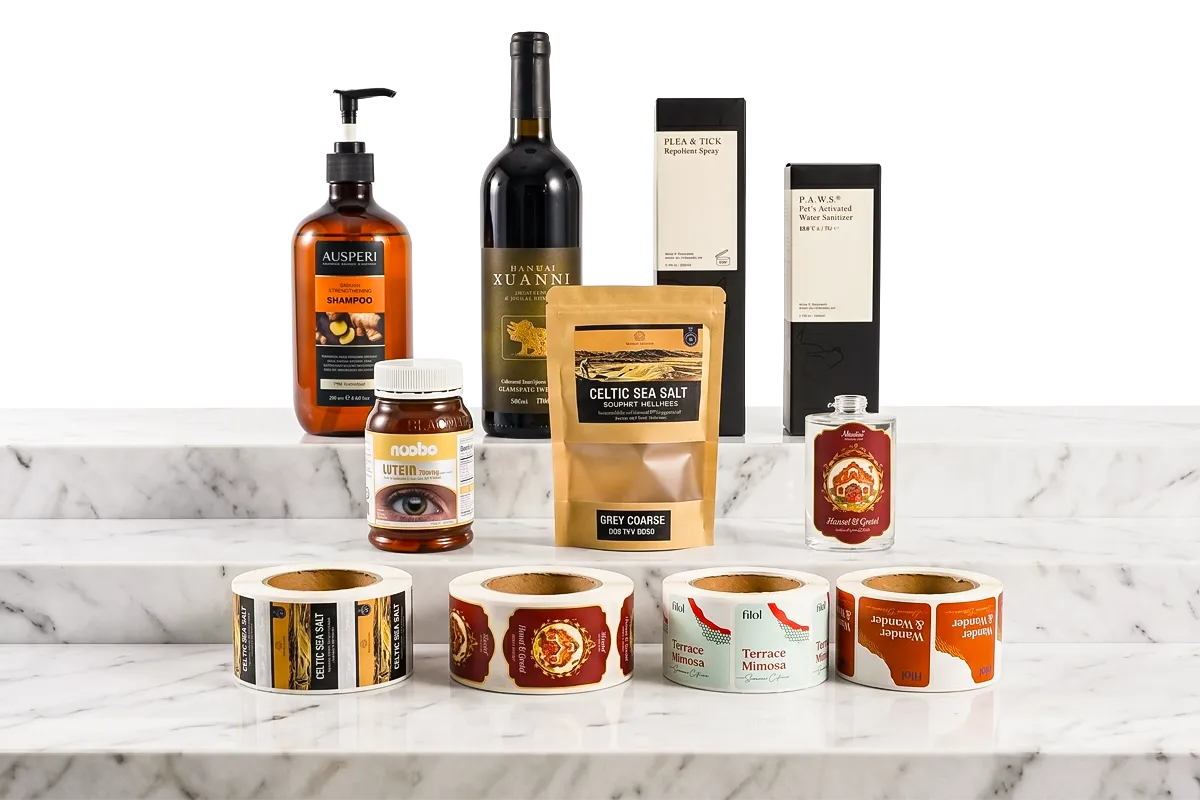
Tamper-evident labels do one job with total clarity: they prove the pack has not been opened, or they prove it has. Tamper-evident labels for food packaging span everything from printed shrink bands to destructible seals, and the right choice depends on the container and the threat. The feature costs little, prints easily, and signals a great deal.
This guide covers the opening indicators, the seal formats, the label constructions behind them, and how each fits its container. It ends with the application and inspection checks that keep the feature honest, because a seal that is never checked protects nothing at all, on the line or on the shelf.
Package Opening Indicators from Tamper-Evident Labels
The indicator is the whole point: a seal that opens quietly protects nothing, so the label is built to announce its own removal. For the six mistake clusters that food proofs are built to catch, see our article on common food label printing mistakes.
- Torn bands: A shrink band that breaks or distorts at the cap.
- Void messages: A printed warning left on the surface after removal.
- Shattered labels: Destructible stock that breaks into fragments.
- Cracked films: Breakable layers that split under tension.
Visual Evidence of Opening
The indicator can be a torn band, a broken seal, a void message left behind, or a label that shatters into fragments when lifted. Each tells the shopper the same story in a different way. The common thread is irreversibility: the change cannot be undone or hidden, and the shopper does not need any training to read it.
Why Food Brands Add the Feature
Food brands add tamper evidence for safety, for retail confidence, and for the compliance frameworks that expect it on certain categories. The seal is also a trust signal: a shopper who checks the band and finds it intact buys with more confidence. Food protection organizations like the International Association for Food Protection treat tamper evidence as part of the food defense picture, alongside traceability and plant security.
Designing the Indicator to Be Seen
The indicator only works if the shopper notices it, so it gets printed with contrast, a clear instruction like a printed message, and a position that cannot be missed. A subtle seal is a decorative seal. The indicator’s visibility is part of its function, and the design brief should state it plainly.
Common Seal Formats for Food Containers and Closures
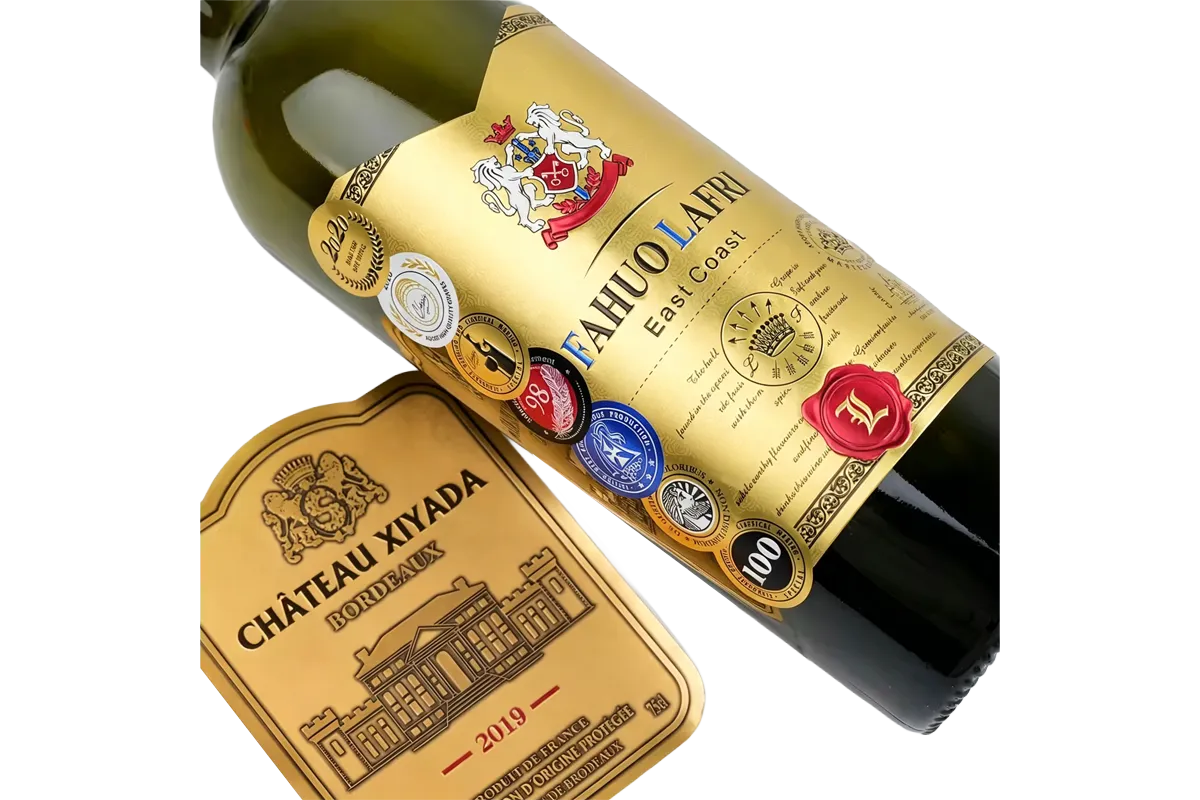
Seal formats follow the closure: shrink bands wrap caps, induction seals live under lids, and security labels bridge lids and containers.
The three formats cover almost every food container on the shelf, and most protective packs use two of them together, the visible band outside and the invisible liner inside. The formats below are the building blocks of any serious tamper program.
Shrink Bands and Neck Seals
Shrink bands wrap the cap-to-neck junction of bottles and jars, and any opening tears or distorts the printed band. They double as branding space, with the perforation or tear strip guiding the open. The band is the most visible tamper feature on beverage and condiment shelves, and the printed band is often the only tamper element a shopper ever notices.
Induction and Liner Seals
Induction seals bond a foil liner inside the lid, so the shopper breaks the foil on first opening. They work invisibly until the open, and they also seal freshness against air and moisture. The printed lid label above can carry the tell-tale marker of the liner below, turning an invisible seal into a visible one the shopper can check.
Security Labels and Bridge Seals
Security labels bridge the gap between lid and container, so opening tears the label or leaves its void message behind. They suit cartons, boxes, and trays where bands and liners do not fit. The bridge label is the flexible option across odd formats, and the one that travels best to e-commerce packs, where the flap is the only closure the pack has.
Void, Destructible, and Breakable Label Constructions
Constructions decide what removal leaves behind: void labels leave a message, destructible labels leave pieces, and breakable ones crack.
Behind every seal format sits one of these three label constructions. The construction is the security mechanism, and choosing it is the core of the tamper spec.
Void Labels
A void label splits on removal, leaving a printed message like VOID or OPENED on the surface it was stuck to. The message proves the seal existed even after the label is gone. Void constructions suit lids, boxes, and any surface where the residue message is readable, which is almost any flat, clean panel.
Destructible Labels
Destructible labels shatter into fragments when lifted, so they cannot be peeled whole and reapplied elsewhere. The fragments are the evidence. They are the standard for asset seals and work equally on food cartons where transfer would be a risk. See our article on what materials are used for custom stickers for the film and paper bases behind these constructions. The fragment pattern is designed, not accidental, so it breaks predictably.
Breakable and Fragile Films
Breakable films crack under tension, so any attempt to stretch or lift the label snaps it along the stress line. They combine with void layers for the strongest single-label construction. The cracked film is visible proof that cannot be repaired, because re-adhering a cracked label still shows the crack through any fresh adhesive.
Tamper Evidence That Announces Itself
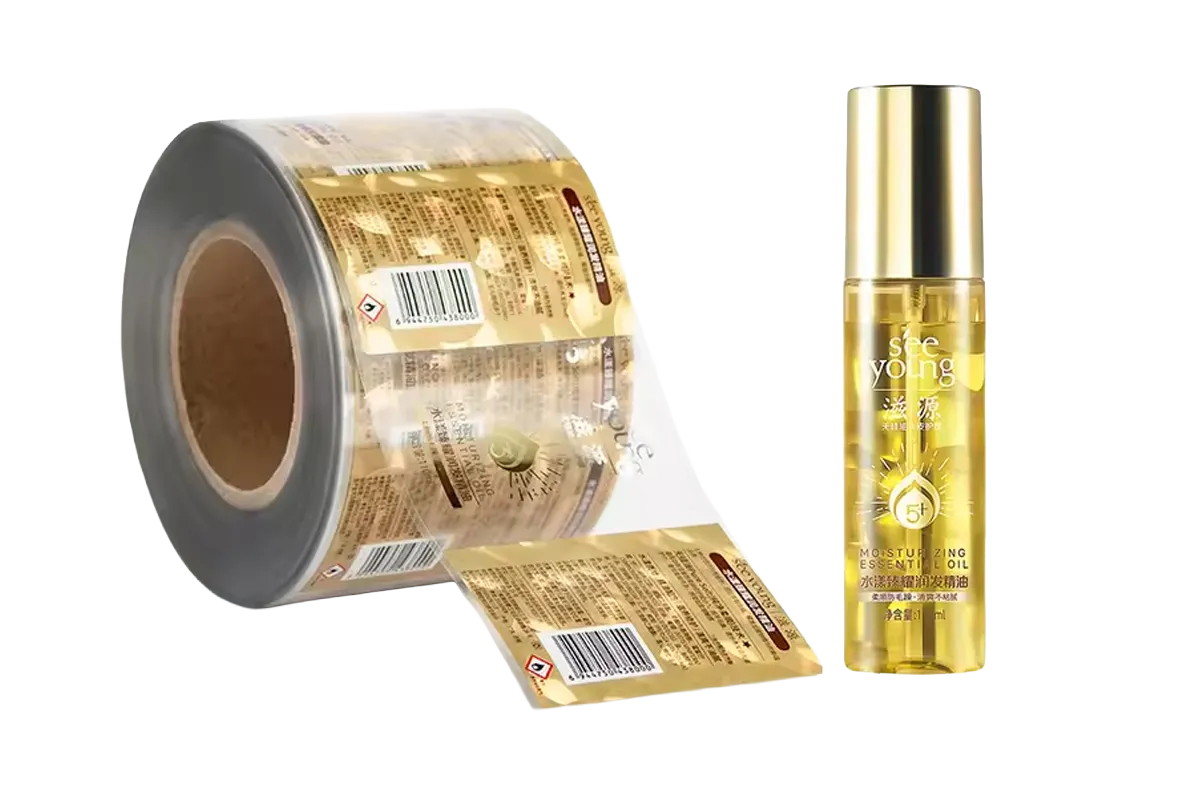
Matching Seal Design to Jars, Bottles, Lids, and Cartons
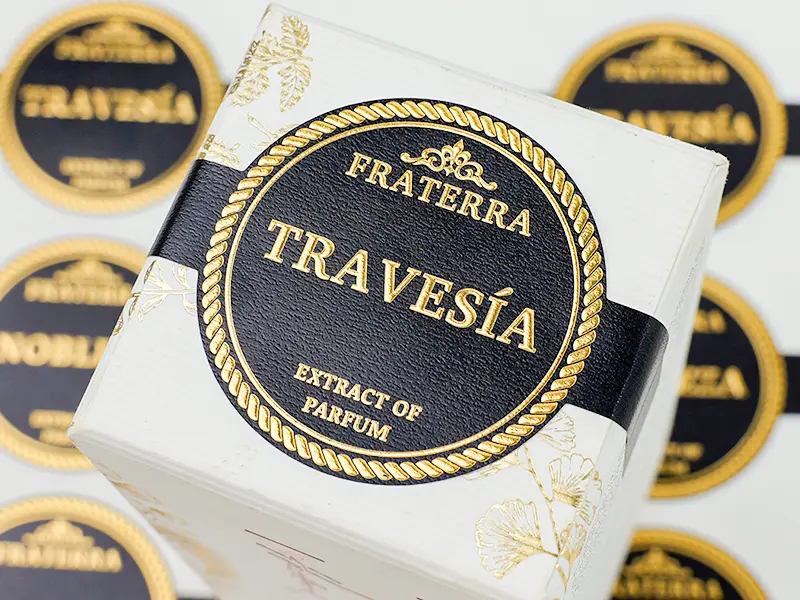
The container picks the seal: jars take bands and liners, bottles take neck seals, and cartons take bridge labels or tape seals.
Matching is the design step most tamper programs rush, and the mismatch shows up later as bands that slide, labels that bridge nothing, and seals shoppers ignore. The three families below cover the shelf.
Jars and Bottles
Jars pair a shrink band over the lid with an induction liner inside it, the double seal that dominates sauces, preserves, and supplements. Bottles use neck bands sized to the cap profile, with the band’s perforation placed where the opening happens. The seal follows the closure geometry exactly, and a mismatch shows as wrinkles or a band that slides on the shelf.
Lids and Caps
Lid labels and cap seals carry the void or destructible layer on the lid’s top surface, where every open touches. The printed lid label doubles as the brand’s crown. The void message underneath is the silent witness when the lid has been lifted, and it stays behind on the lid for the next person to see.
Cartons, Trays, and Boxes
Cartons use security labels across the flap line, and trays use tamper tape along the seal edge. The flat surfaces take bridge labels easily, and the seal position is chosen where the pack actually opens. A seal on the wrong flap protects the wrong opening, which is the most common design mistake in the category.
Application, Inspection, and Removal Considerations
The seal is only as strong as its application: pressure, dwell, surface, and inspection decide whether it performs or decorates.
A correctly specified seal can still fail on the line, and a mediocre one can still hold. The application and inspection steps below are what separate the two outcomes.
Applying the Seal Correctly
Void and destructible constructions need firm, even application pressure to bond the separating layer, and the applicator settings matter more than on ordinary labels. A seal applied with bubbles or low pressure fails visually even before it fails functionally. See our article on why custom labels peel off for the adhesion mechanics. The seal’s separating layer is the most application-sensitive part of the label.
Inspection on the Line
Tamper features get sampled through the run: bands checked for full shrink, liners for induction integrity, and labels for clean void separation. The inspection is part of the order’s quality plan, because a seal that works on sample one must work on sample ten thousand. The sampling frequency and the pass standard get agreed with the supplier up front, and the results get recorded against the batch.
Removal and the Shopper’s Experience
The seal has to resist casual tampering but still open cleanly for the legitimate shopper, which is why tear strips, perforations, and scored openings are engineered into the feature. The open should feel deliberate and satisfying, not like a fight with the packaging. A seal that frustrates the shopper gets bypassed, and a bypassed seal protects nothing. For the broader label selection process, see our guide on what custom labels are.
Domande frequenti
What is a tamper evident seal?
A tamper-evident seal is any closure feature that shows visible, irreversible evidence when the package has been opened. Shrink bands, induction liners, and void labels are the common forms. The seal’s job is not to stop opening but to reveal it, so the shopper can see the pack’s history at a glance.
What is a self-adhesive label?
A self-adhesive label carries its own adhesive on a release liner, so it applies by pressure alone, without glue or heat. The construction is facestock, adesivo, and liner. Tamper-evident labels are self-adhesive labels with a separating layer engineered so removal leaves evidence behind.
What are some labels that won’t peel off?
Labels with permanent, high-bond adhesives matched to the surface are the ones that resist peeling, especially film facestocks with laminates on clean, prepared surfaces. Destructible labels take the idea further: they cannot peel cleanly at all, because the label breaks apart. For tamper evidence, the label is built to resist peeling and to show it if forced.
How to keep labels from peeling?
Start with a clean, dry surface, match the adhesive to the material and its energy, and apply firm, even pressure with full dwell. The edge is the weak point, so edge-friendly designs and conformable films help. On tamper seals, the same rules apply, with the added requirement that forced removal must leave the evidence.
What kind of stickers peel off easily?
Removable and repositionable stickers peel off easily by design, using low-tack adhesives that release cleanly. They are the opposite of security labels. Price stickers and promo decals use removable grades; tamper-evident labels use the permanent, evidence-leaving end of the spectrum.
What are removable stickers called?
They are called removable or repositionable stickers, and they use low-tack adhesives that peel away without residue. The term distinguishes them from permanent labels. On the shelf, removable grades suit price tags and promotions, while security and tamper labels deliberately sit at the permanent extreme.
What are easy peel labels?
Easy-peel labels are designed for clean, quick removal, usually for price changes, promotions, or reuse schemes, using adhesives that release without residue. They are the friendly end of the adhesive spectrum. Tamper-evident seals are the deliberate opposite, engineered so removal cannot be clean or quiet.
What is a crack and peel sticker?
A crack-and-peel sticker uses a split liner, so bending the label cracks the backing and lets the corner lift for easy peeling. It is a dispensing convenience, not a security feature. The same label shape with a void construction would crack, split, and leave the evidence message instead.
Is it cheaper to print your own labels or buy them?
For small tests, printing at home is cheaper in cash, but production labeling costs less per unit through a converter once volumes grow. Tamper features make the case stronger: void layers, destructible stocks, and printed bands are not desktop-printable at all. The security requirement usually settles the buy-versus-print question on its own.
Conclusion
Tamper-evident labeling succeeds when the indicator is visible, the construction matches the container, and the application and inspection keep the feature honest through the run. The seal that announces its own removal is the one that protects the brand and the shopper together, and it costs a fraction of the trust it guards every single day.
For food brands adding tamper evidence, Meikei prints void, destructible, and breakable label constructions with bands and seals sampled on your real containers, from jars to cartons.