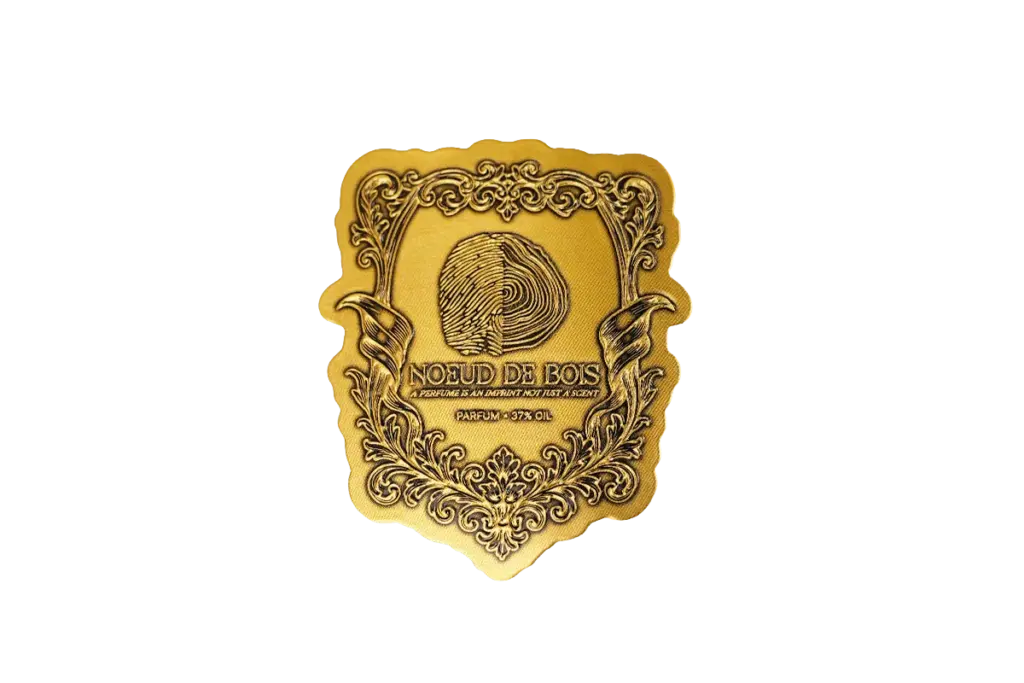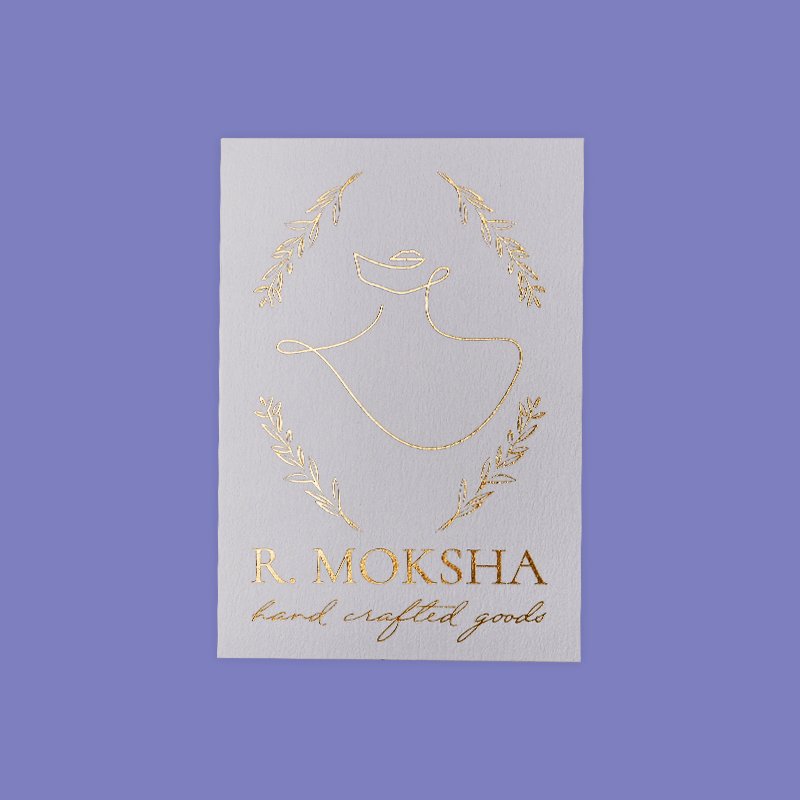
Tea tins are the packaging world’s premium stage, and their labels carry the finishes that justify the price: embossing, foil, and tactile papers. Custom tea tin labels with embossing and foil stamping turn a metal container into a keepsake, and the techniques have to survive a curved metal surface.
This guide covers the design areas on round and square tins, the embossing and foil techniques, the stocks that support them, and the approval steps that keep custom orders on spec. Each section ends with the practical check for that layer, because premium finishes are judged by hand, not by screen.
Label Placement and Design Areas on Round and Square Tea Tins
Tin shape decides the label layout: round tins get wrap labels, square tins get flat panels, and lids get their own crown.
The shape is the first design decision, because every finish that follows has to sit on the surfaces the tin actually provides. Mapping those surfaces before the artwork starts saves a full redesign later. For the skincare program built from the same finishes, see our article on luxury packaging design for skincare products.
Round Tins and Wrap Labels
Round tea tins take a wrap label around the cylinder, with the seam at the back where the label’s ends meet. The wrap has to fit the tin’s exact circumference, because the overlap sits inside the label’s design. Curved panels shrink the usable flat area for fine text, which pushes small print toward the back panel.
Square and Rectangular Tins
Square tins give four flat panels, usually one branded front, one compliance back, and two quieter sides. The flat panels take larger labels and more detailed finishes than a curved wrap. Each panel is its own small canvas with its own read order, and the corners are where the artwork has to wrap cleanly.
Lids and Top Labels
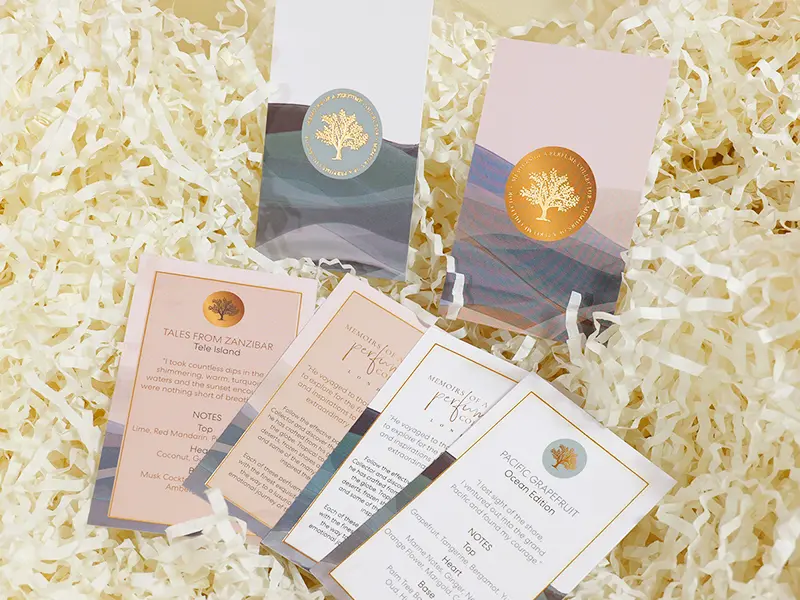
The lid is the first surface the shopper touches, so it carries the brand mark, often with an embossed crest or foil medallion. The lid label is separate from the body label and gets its own finish approval. The lid is the crown, and it is designed as the crown, with the strongest finishes reserved for it.
Embossing and Debossing for Tactile Tea Branding
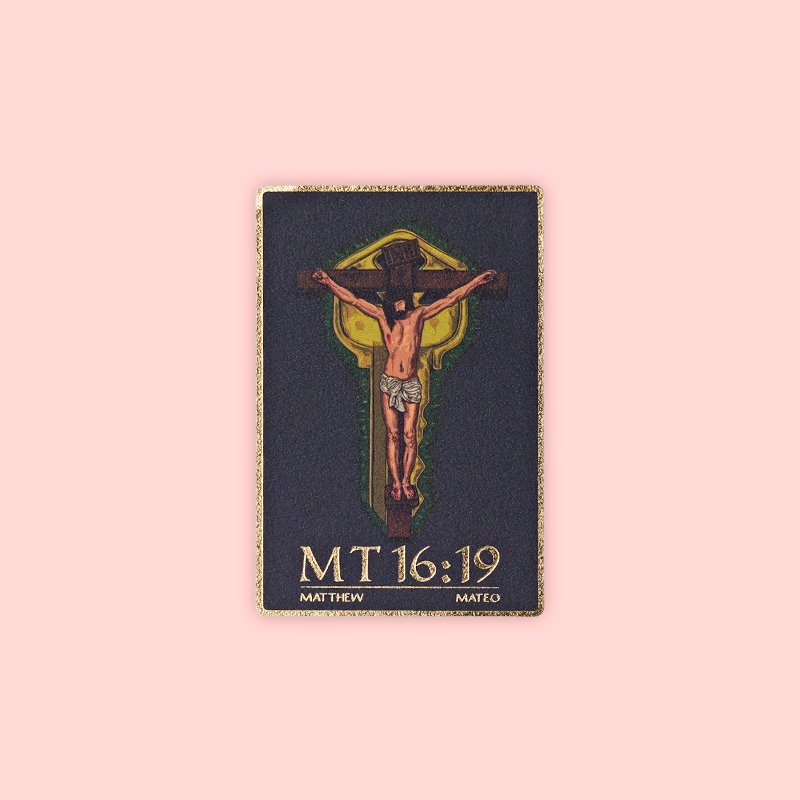
Embossing raises the design above the paper, debossing presses it below, and both give the tea label a hand-feel no print can match. For the full finish map those effects sit inside, see our article on best label finishes for premium products.
On a tea tin, the tactile finish is the difference between a label and a keepsake. The two techniques below are the same process run in opposite directions.
Embossing for the Raised Mark
Embossing presses the paper between matched dies, raising the design on the front. A blind emboss uses no ink at all, which suits minimal tea branding; a registered emboss aligns with printed artwork. The raised mark catches light and fingers in equal measure, and it is the finish shoppers touch first, before reading anything.
Debossing for the Pressed Mark
Debossing reverses the effect, pressing the design into the paper for a carved, understated look. Tea brands often deboss the brand name and emboss the crest, separating the two voices by depth. The choice between the two is a character decision, and the best way to make it is holding both samples side by side.
Designing for the Dies
The embossing artwork needs a little thickness, because hairlines disappear when raised. Fine details get simplified for the dies, and the design is drawn at the finished size. See our article on how to design embossed labels for the artwork rules. The die drawing is a simplification pass that happens before the printing plates are made.
Foil Stamping and Metallic Effects on Tin Labels
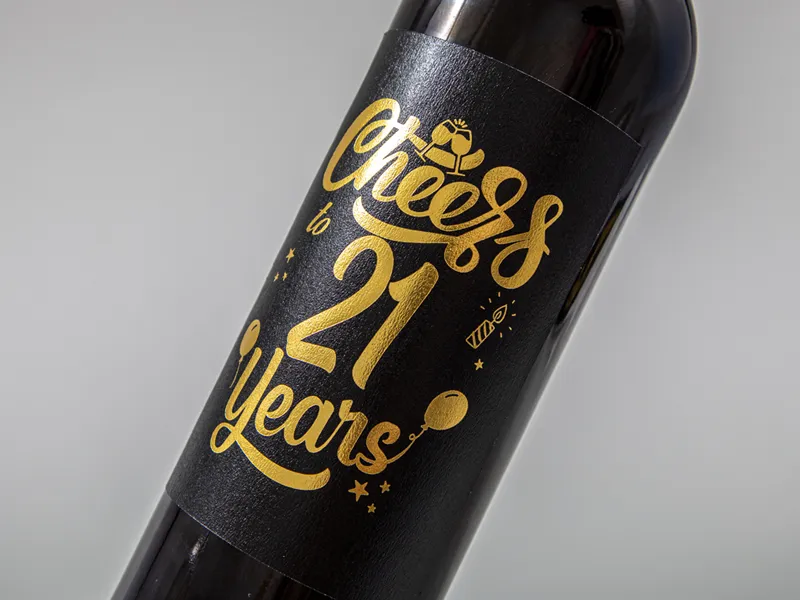
Foil stamping lays real metal foil onto the label, and the gold catches light the way the tea catches taste.
Foil is the finish shoppers associate most strongly with quality, and on tea it carries a century of tradition. The three choices below decide how the metal lands on the label, and where it cannot go.
Hot Foil and Cold Foil
Hot foil stamping presses metallic foil onto the paper with a heated die, the classic choice for tea labels. Cold foil applies the foil through a printing plate, which suits finer detail and inline production. See our article on how hot foil and cold foil differ for label printing for the full comparison. Tea labels default to hot foil for its deeper, more tactile metal and its cleaner edge on textured stocks.
Gold, Silver, and Specialty Foils
The foil palette runs from classic gold and silver to copper, rose gold, and holographic finishes. Tea brands tend toward gold for tradition and copper for modern craft. The foil color is chosen against the paper tone, because the two read together, and a foil that fights the paper looks cheap no matter its cost.
Foil on the Tin’s Curves
On a curved wrap label, foil elements stay on the flat center of the panel, where the metal’s reflection reads cleanly. Foil at the panel’s curved edges distorts and can crack when the wrap is applied. The placement rules for foil are stricter than for ink, because metal does not forgive a curve.
Tea Tin Labels With the Finishes That Sell
Paper and Film Stocks for Premium Tea Tin Labels
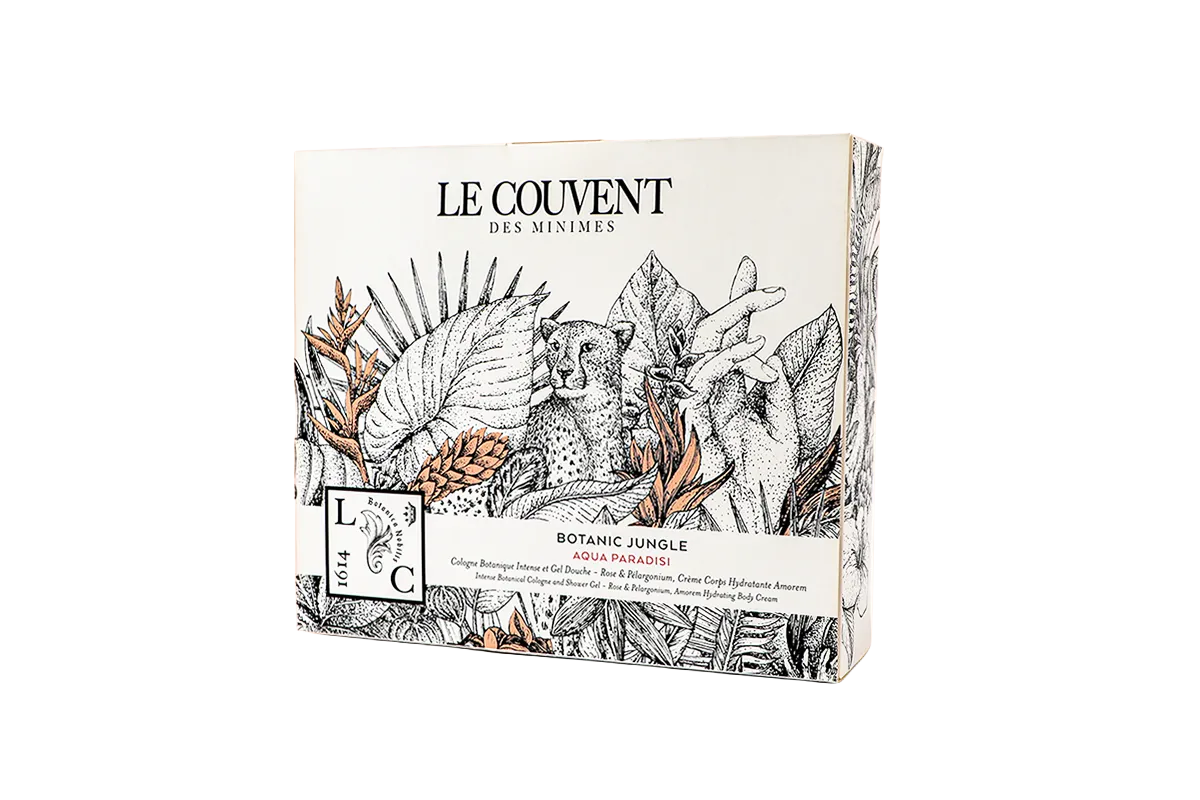
The stock carries the finishes: textured papers take embossing deeply, coated stocks take foil cleanly, and film suits moist storage.
The stock is chosen for the finishes first and the print second, because the premium effects are what the shopper pays for. The three stock families below cover everything the tea category asks for.
Textured and Uncoated Papers
Textured, linen, and cotton papers give tea labels their hand-feel and take embossing beautifully, because the fiber compresses into the die’s shape. The trade is a softer print. The texture becomes part of the brand voice, which is exactly what premium tea asks for, and the reason textured stocks lead this category.
Coated Stocks and Metallic Papers
Coated papers hold the sharpest print and the cleanest foil edges, while metallic and pearl papers give a shine without stamping. The choice between printing shine and stamping shine is a budget and detail decision. For how foil labels are constructed, see our article on how foil labels are made. The construction matters because foil on the wrong paper flakes at the edges.
Film for Moisture Exposure
Tea tins live in kitchens, where steam and humidity reach the label, so film facestocks or laminated papers protect the finish. A laminated textured paper keeps the hand-feel and adds the protection. The finish choice follows the kitchen, not just the gift shelf, and the laminate is chosen not to dull the foil. The same kitchen conditions drive the materials covered in our article on coffee and tea label printing.
Artwork, Sampling, and Finish Approval for Custom Orders
Custom finishes are approved by hand, not by screen: die samples and foil proofs on the real stock are the only honest preview.
Screen previews flatter finishes; samples reveal them. The three steps below form the approval path from artwork file to final production sign-off.
Preparing the Artwork
The artwork separates the finish layers: foil areas, emboss areas, and print areas as distinct files. The separation tells the die maker and the printer what each layer must do. Clean layers prevent the most common custom-order error, a foil area that the printer prints over by mistake, which buries the metal under ink.
Sampling the Finishes
The sampling round includes embossed die pulls and foil proofs on the actual stock, because neither finish translates to a screen preview. The samples get approved by hand and eye in real lighting. The sample round is where the premium effect is judged before the run commits it, and where most finish changes are still cheap.
Approving for Production
The final approval locks the artwork version, the finish choices, and the sample set together, so the production run reproduces the approved sample. The approval record is what settles any later dispute about the finish. The foil and emboss standards organizations like FSEA describe the finish disciplines that keep such approvals repeatable run after run.
Domande frequenti
What is stamping foil?
Stamping foil is a thin film with a metallic or pigmented coating that transfers onto paper under heat and pressure from a die. The transferred layer gives the label its metallic surface. Hot foil stamping uses exactly this material, and the foil’s color and finish are chosen per job.
Is foil stamping expensive?
Foil stamping carries a die cost and a slower production step, so it costs more than plain print, but the per-label premium is modest at volume. The die is the fixed cost, and it spreads across the run. For premium tea labels, the foil usually repays its cost in perceived value.
Can I print on gold foil?
You can overprint inks on top of foil with special preparation, though most designs keep the foil clean and print around it instead. Overprinting changes the foil’s shine and adds a production step. On tea labels, the classic approach is foil for the metallic elements and print for everything else.
How do you foil paper?
Production foiling presses the foil between a heated metal die and the paper, transferring the foil only where the die touches. Cold foiling uses a printed adhesive pattern and a UV cure instead. Both routes put real metal on the paper, and the choice follows the artwork’s detail and the run length.
What exactly is embossing?
Embossing is a finishing process that presses paper between male and female dies, raising the design into relief on the surface. No ink is involved unless the emboss registers with printed artwork. The result is a tactile, three-dimensional mark that print alone cannot produce.
What does embossed look like?
An embossed area rises above the paper’s surface, catching light and shadow along its edges, with the back of the sheet showing the reverse indentation. The effect reads best on textured papers and under angled light. On a tea label, the raised crest is felt before the words are read.
What materials can be embossed?
Papers emboss best, especially textured and heavier stocks that hold the relief, while thin films can be embossed but relax over time. Card, leather, and some metals also take embossing in other industries. For labels, paper stocks are the reliable embossing surface.
What does embossed metal mean?
Embossed metal carries a raised pattern pressed into the metal itself, common on tins, signs, and decorative pieces. The pattern is formed by dies rather than printed. A tea tin with an embossed lid pattern uses this effect, and the paper label’s embossing is the matching gesture on the front.
What are some examples of embossing?
Common examples are raised logos on business cards, blind-embossed monograms on stationery, and embossed crests on premium packaging. On tea labels, the examples are raised brand marks, blind borders, and embossed medallions. Each uses the same die principle at a different scale.
What is the best metal for embossing?
For embossing dies, brass and magnesium are the common metals, with brass preferred for long runs and fine detail, and magnesium for shorter runs. The die metal is a production choice, not a design one. The tea brand sees only the result, the raised mark, while the die maker picks the metal behind it.
What is another word for embossing?
Embossing is also called raising or relief printing, with the opposite process named debossing. The terms describe the same die-press technique from two directions. On a tea label spec, emboss means the raised version, and the artwork is marked accordingly.
Conclusion
Custom tea tin labels earn their premium through the finishes: embossing and debossing for the hand, foil for the light, and textured stocks for the frame they sit in. The order succeeds when the artwork separates the finish layers, the samples get approved by hand, and the production run reproduces the approved sample exactly, tin after tin.
For tea brands ordering custom tin labels, Meikei prints embossed and foil-stamped labels on premium stocks, with die samples and finish approvals before production begins.