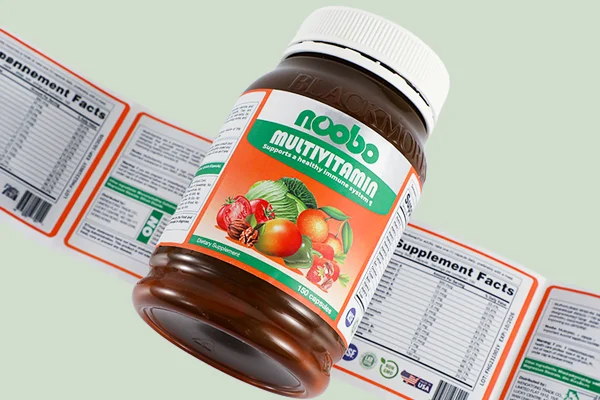
Common compliance mistakes in supplement label printing cost the brand a full reprint, and most of them are caught before the press if the review runs in order. The mistakes cluster around the artwork version, the panel numbers, the legibility, the placement, and the proofing chain. Supplement and healthcare labels and packaging carry the compliance surface, so the print plan and the review belong to one workflow. The reprint costs the brand the run twice, and the review costs it an hour.
This guide walks the five mistake families in the order they appear on the line. The walk runs from the outdated artwork to the panel errors, the small text, the wrong placement, and the skipped proofing. The supplement label carries the statement of identity, the net quantity, the supplement facts panel, the ingredient list, and the manufacturer’s name and place of business. Each section names the mistake and the check that catches it.
Printing from Outdated or Unapproved Artwork

The outdated file prints the old rules, and the press cannot tell the versions apart.
The Stale Version on the Press
The most frequent mistake is the stale artwork, because the template versions change and the folders keep every draft. The labeling guidelines set the panel, the declarations, and the claims rules the supplement label must follow. The press runs the file the order names, and the order must name the version the approval signed. A folder of similar files with similar names is the mistake waiting to print. The version history is the folder’s memory, and the unnamed file is the forgotten draft.
The Unapproved Draft Slipping Through
The unapproved draft reaches the press when the review chain skips a signer, and the draft usually carries the old claim or the old serving. The approval chain names the people, and the press waits for the last signature. The draft that bypasses the chain is the reprint the schedule pays for twice. The draft usually carries the old claim or the old serving, and both are reprints.
The Version Lock
The version lock keeps the approved file and the press file the same object, with the market, the date, and the revision in the file name. The archive holds the retired versions, and the lock prevents the old file from reopening. The full rule frame for the panel sits in the supplement facts label requirements in the USA guide, and the artwork reads from that frame. The lock is boring, and the boring part prevents the expensive part.
The Shared Folders and the File Names
The shared folder without a naming rule is where the versions blur, and the blur prints. The file name carries the product, the market, the date, and the revision, and the press order quotes the same string. The folder that hands the press one name hands it one file.
Errors in Supplement Facts, Ingredients, and Serving Information
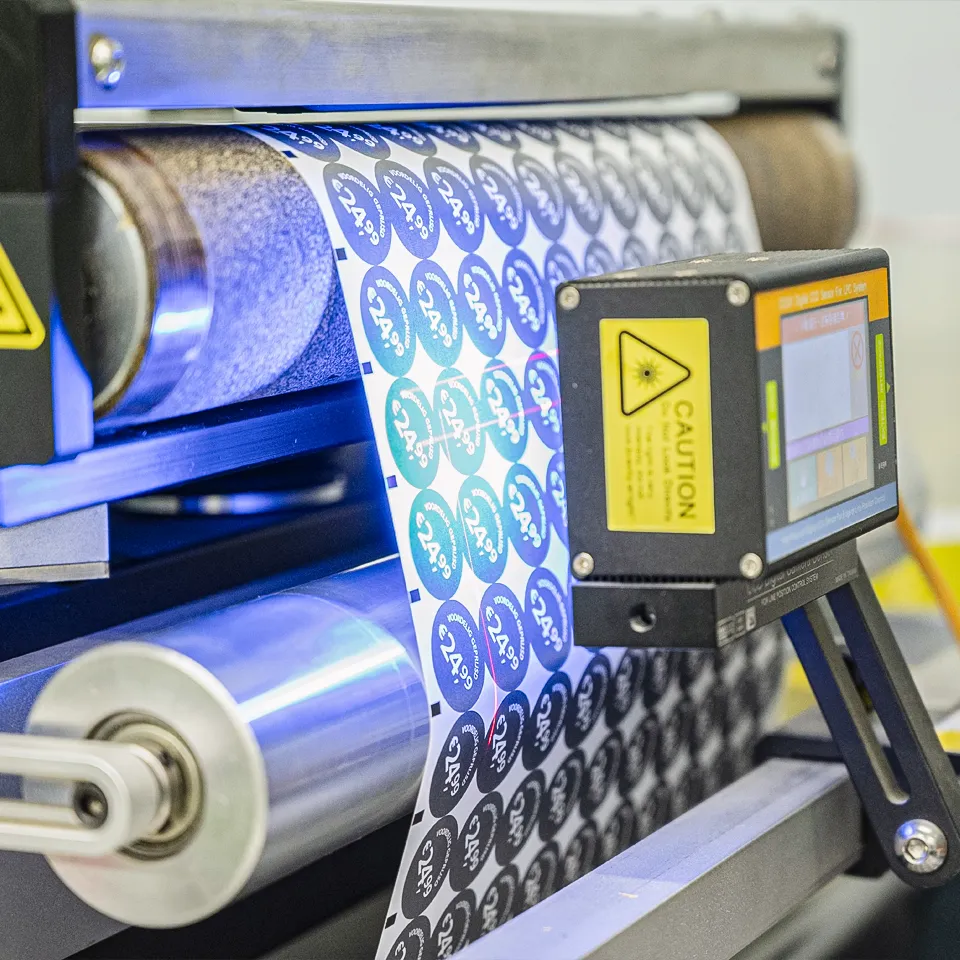
The panel errors hide in the numbers, and the proof must read every row against the spec.
The Panel Number Errors
The declared values carry the rounding the rules set, and the printed panel must match the approved file exactly. The milligram and the microgram swap, the dropped percent, and the stale serving are the panel’s classic slips. The check reads each row against the specification, and the row that differs is the row that reprints. The row check is slow, and the slow check is the cheap check.
The Ingredient List Errors
The ingredient list must match the formula exactly, and the misspelled botanical or the missing flow agent is a compliance line gone wrong. The panel can leave off the extras the rules do not ask for, such as the brand slogans, the recipes, or the marketing claims. The extras the rules do ask for have no substitute, and the proof reads them one by one. The formula is the list’s source, and the list is the formula’s print.
The Serving Information Errors
The serving size and the servings per container define every number below them, and the stale serving poisons the whole panel. The serving comes from the approved formula, and the artwork copies it verbatim. A serving change without the panel change is the most expensive typo on the label. The serving is the panel’s base note, and every row plays against it.
The Certificate of Analysis Gap
The certificate of analysis carries the tested values, and the panel must copy that document’s numbers. The gap opens when the label copy was written from memory or from an older batch, and the tested record disagrees with the print. The review pulls the certificate beside the proof and reads them as one row.
| Error Family | How It Appears | The Check |
|---|---|---|
| Panel numbers | A swapped unit or a dropped percent | Read each row against the spec sheet |
| Ingredient list | A missing flow agent or a misspelled herb | Match the list to the formula |
| Serving block | The old serving above the new amounts | Verify the serving against the approval |
Small Text, Contrasto, and Legibility Problems
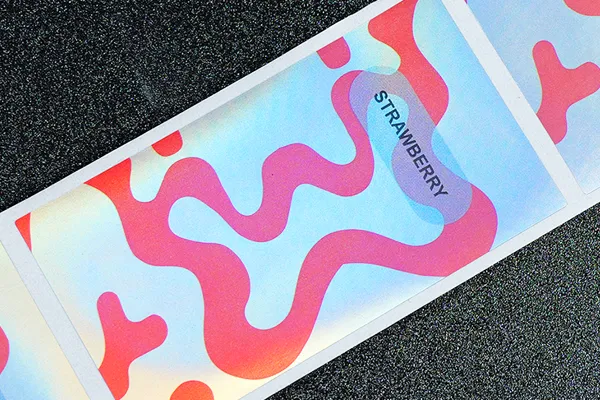
The label that cannot be read fails the rules before the buyer reaches it.
The Type Floor
The required lines carry minimum type rules, and the artwork that squeezes the panel to win the design space breaks the floor. The type height is measured on the printed label, not on the screen, and the smallest pack still owes the minimum. The floor is measured in print, and the screen lies. The buyer checks the supplement facts panel, the serving size, the ingredient list, and the manufacturer’s details before the claims, and the unreadable line loses that check.
The Contrast Failures
Low contrast kills more labels than small type, and the pale ink on the busy background fails the shelf. The contrast check runs on the real substrate, because the film, the foil, and the uncoated paper each take the ink differently. The proof is read under the store light, not the studio light. The store light is the honest light, and the proof reads under it.
The Finish Interference
The gloss laminate and the metallic foil add the shine that flattens the fine print, and the finish is chosen with the legibility in mind. The holographic and the high-build effects sit on the brand areas, and the panel keeps its flat, quiet ground. The finish serves the label, and the label rules keep the reading. The panel keeps its quiet ground, and the finish keeps the brand areas.
The Real Substrate Proof
The screen proof flatters the type, and the real substrate tells the truth. The proof prints on the label stock with the laminate and the foil the run will use, and the legibility check reads that sample. The substrate proof is the label’s dress rehearsal.
Compliance Built Into the Label Review

Incorrect Placement of Required Statements and Disclaimers
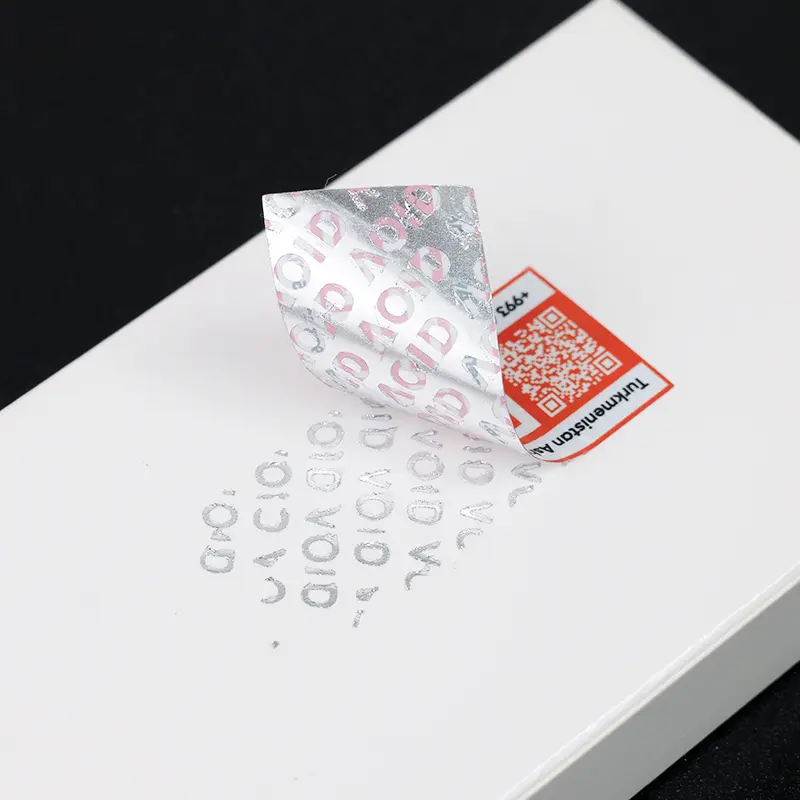
The required lines keep their assigned places, and the design bends around them.
The Panel Off Its Place
The supplement facts panel belongs on the information panel, and the bottle curve or the busy design that pushes it off the assigned surface breaks the placement. The vitamin and supplement bottle label sizes map where the panel lands on each bottle format. The placement is drawn before the design, and the design wraps around it. The curve bends the label, and the placement rules bend with it.
The Disclaimer Out of Reach
The disclaimer travels with its claim, and the claim that prints on one face while the disclaimer hides on another breaks the pair. A label should avoid the unverified claims, the missing serving information, and the statements the rules have not authorized. The disclaimer stays with the claim in the same reading area, and the proof checks the pair together. The pair is checked together, and the split pair is the broken pair.
The Missing Supporting Statements
The directions, the warnings, and the storage line each carry their own placement, and the layout that drops one to win the white space breaks the set. The supplement facts label printing choices change the surface but never the statements. The supporting lines are the label’s closing set, and the review reads them after the panel. The set is the label’s closing, and the review reads it after the panel.
The Multi-panel Packs
The bottle, the carton, and the sleeve each carry their own panel art, and the placement rules apply to every surface. The multi-panel pack multiplies the placement checks, and one face wrong is the whole pack wrong. The review walks the pack face by face in the order the buyer meets them.
Proofing and Version-control Procedures Before Production
The proofing chain is the last reader, and the skipped chain is the reprint.
The Proof Chain
The proof travels one chain, and every stop dates its approval. The designer, the brand owner, and the printer each read the physical sample, and the press waits for the last signature. The chain that skips a stop prints the draft, and the draft prints the mistake. The skipped stop is the unsigned mistake, and the press waits for the name.
The Version Control
The version control names every file with the market, the date, and the revision, and the press runs only the file the order names. The retired versions stay in the archive, and the current version is the only one the folder hands to the press. The control is boring, and the boring part prevents the expensive part. The current version is the only file the folder hands to the press.
The Prepress Gates
The prepress pass runs the label through the gates in order, and a file that fails one gate goes back before the plates. The full gate list with the sample checks sits in the supplement label sample check guide, and the label industry standards frame the print quality side.
- Confirm the file version against the signed approval.
- Read every panel row against the specification sheet.
- Check the type floor and the contrast on the real substrate.
- Verify the placement of the panel and the disclaimer.
- Print a physical proof and read it at arm’s length.
The Dated Approval Trail
Every approval carries a date and a name, and the trail shows who signed which version and when. The press order cites the approval date, and the folder that cannot show the trail pauses the run. The dated trail is the audit’s first document.
Domande frequenti
What is the margin of error on nutrition labels?
The declared values carry the rounding the rules set, and the printed panel must match the approved file exactly.
What labels to look for when buying supplements?
The buyer checks the supplement facts panel, the serving size, the ingredient list, and the manufacturer’s details before the claims.
What to avoid on a nutrition label?
A label should avoid the unverified claims, the missing serving information, and the statements the rules have not authorized.
What does the FDA require on dietary supplement labels?
The supplement label carries the statement of identity, the net quantity, the supplement facts panel, the ingredient list, and the manufacturer’s name and place of business.
What are the FDA labeling guidelines?
The labeling guidelines set the panel, the declarations, and the claims rules the supplement label must follow.
What information is not required on the nutritional portion of a food label?
The panel can leave off the extras the rules do not ask for, such as the brand slogans, the recipes, or the marketing claims.
Conclusion
The supplement label mistakes are human slips with a fixed set of faces, and the review chain exists to catch each face before the press. The stale artwork, the swapped panel numbers, the unreadable text, and the misplaced statements each fail in a known way, and the five gates read them in order.
For supplement brands that want the review built into the print program, Meikei runs the artwork, the proofing chain, and the press as one workflow, gated before the run.

Eric Zhang
Head of International Business Eric Zhang is the Head of International Business at our company, bringing over 5 years of hands-on experience in the custom labels and packaging industry. He specializes in delivering high-quality, innovative packaging solutions to global clients, with a strong focus on market expansion and understanding customer needs to help brands create distinctive product identities.