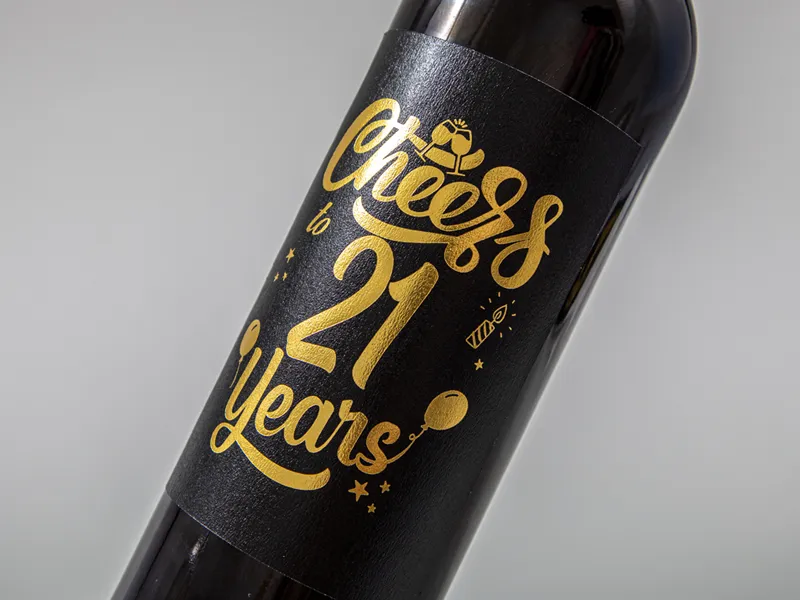
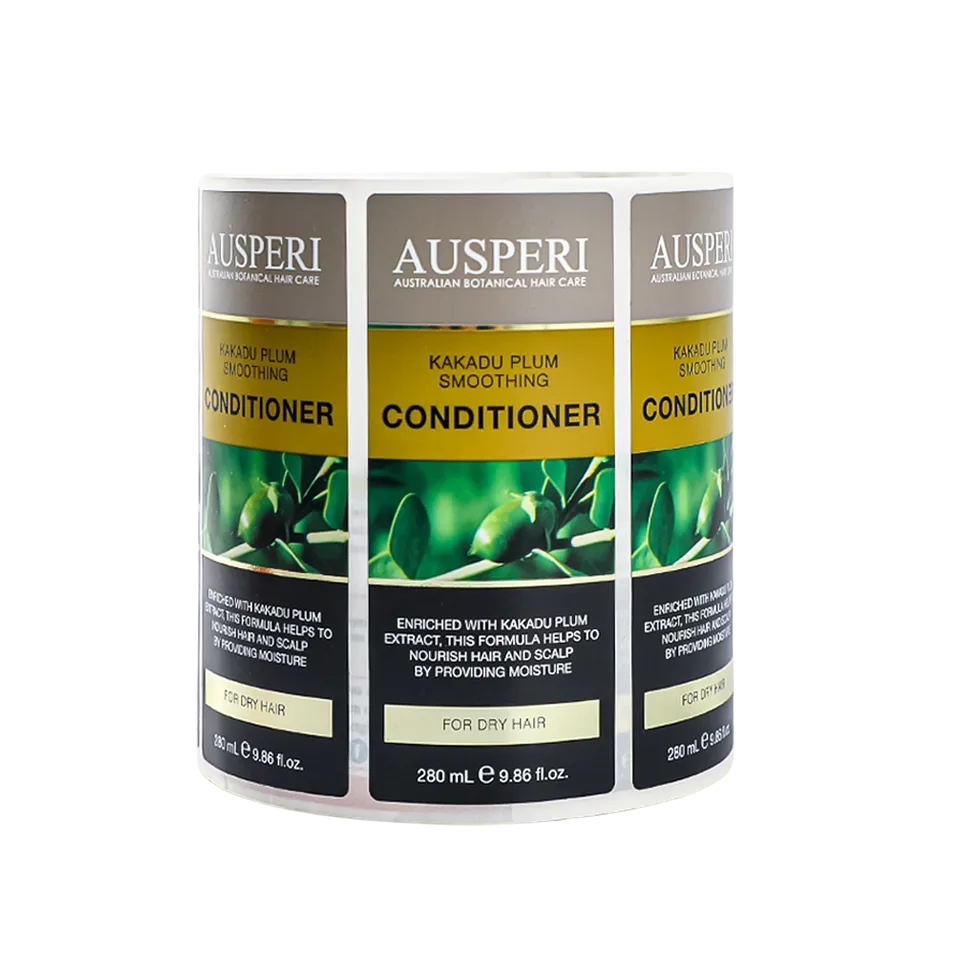
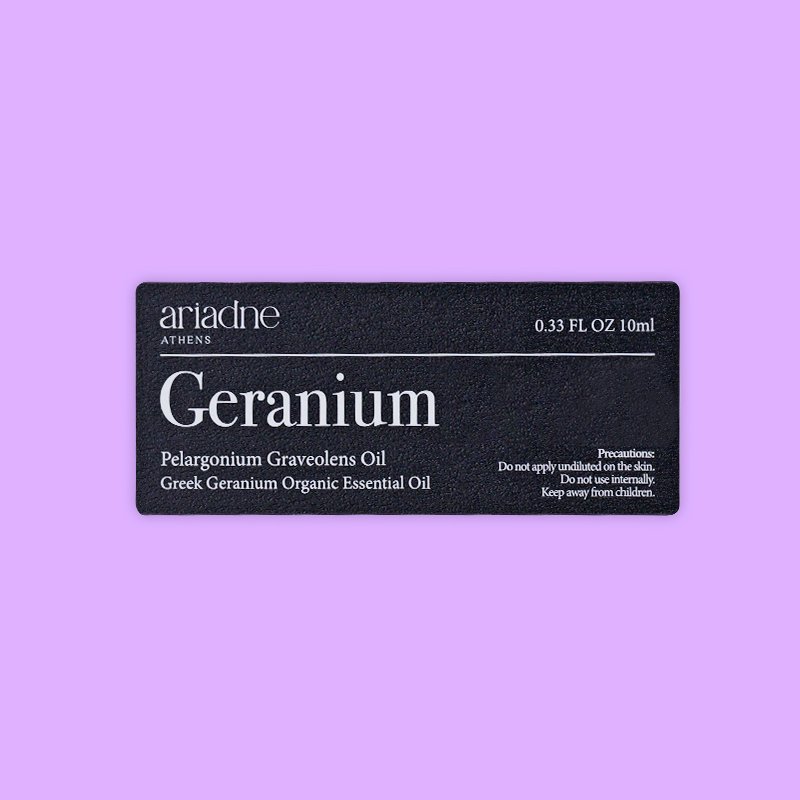
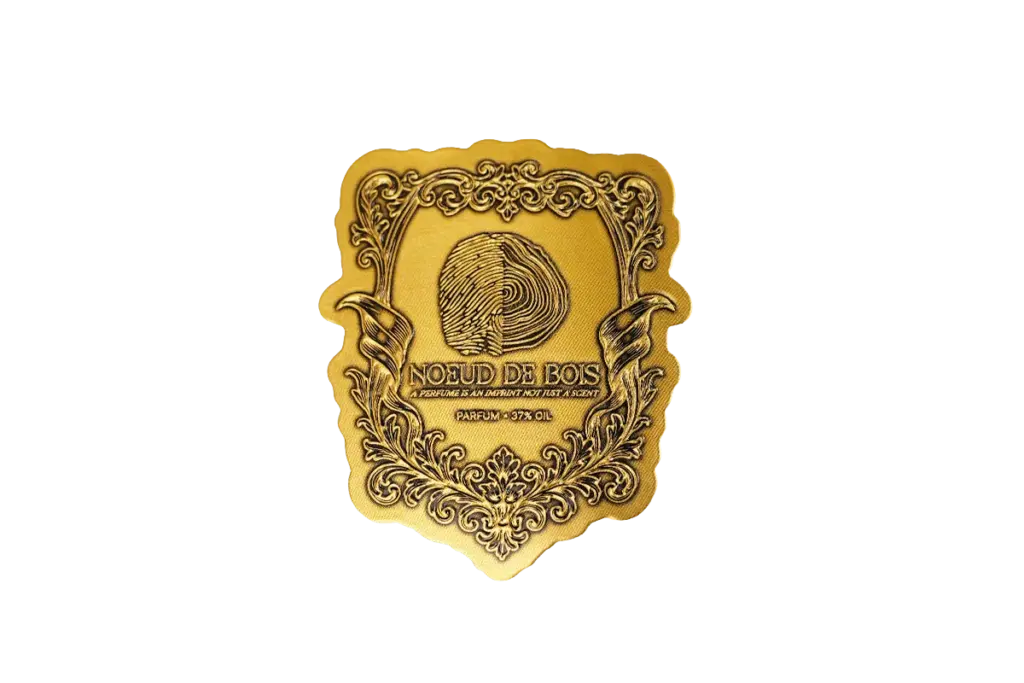
Buyers scrutinizing an eco-friendly label usually interrogate the paper. Is it recycled? FSC certified? Plastic-free? Then the quote comes back, production runs, and the labels arrive looking washed-out on kraft or recycled stock — because the ink, not the paper, decided the outcome.
The paper absorbs. The ink either holds its color or disappears into the fiber. That is why printers who work seriously with uncoated eco stocks have largely moved to soy-based ink systems, and why the material has been validated at enormous scale: roughly 90% of America’s daily newspapers have printed with color soy ink for decades.
This guide covers what soy-based ink actually is, how it compares with petroleum, water-based, and UV systems, what the Soy Seal certification does and doesn’t guarantee, where the honest trade-offs sit, and how to specify it when ordering custom labels. For the wider picture — papers, adhesivos, certifications — start with our complete guide to eco-friendly labels.
What Is Soy-Based Ink?
Soy-based ink replaces the petroleum oil in conventional ink with soybean oil as the carrier — the fluid that transports pigment onto the substrate. The other components, including pigments, resins, and waxes, are similar to what conventional inks use. That distinction matters for anyone writing packaging copy: soy ink is a petroleum reduction story, not an all-natural miracle.
Two honest boundaries belong up front. Soy ink is not edible — soybean oil is a food oil, but the pigments and additives are not. And it is not 100% biodegradable, because those pigments and additives behave much like their conventional counterparts. What soy ink genuinely offers is lower emissions, easier recycling, and strong print performance, which is why it earned its place rather than being marketed into it.
The origin story is unusually practical. In the late 1970s, rising oil prices and supply disputes pushed the American newspaper industry to look for a printing ink that didn’t depend on petroleum. Researchers tested more than 2,000 vegetable oil formulations before landing on soybean oil, and in 1987 The Gazette in Iowa ran the first successful commercial printing trial. Newspaper adoption followed quickly, and the formulation work that followed brought soy ink into commercial sheet-fed printing, packaging, and labels.
One detail buyers should know: “soy-based” describes the carrier, and the soy content varies by ink type and press. More on that — and the certification that polices it — in the Soy Seal section below.
Soy Ink vs Petroleum vs Water-Based vs UV
Four ink systems dominate label production, and each carries a different profile on emissions, drying, and recyclability. No single system wins every column; the right choice depends on your substrate, your compliance requirements, and the finish you want.
| Ink System | VOC Emissions | Drying Speed | Recycling & Deinking | Best Known For |
|---|---|---|---|---|
| Soy-based | Very low (typically under 10%, often 2–4%) | Slower | Easy deinking, cleaner pulp | Uncoated and recycled papers, food packaging |
| Petroleum-based | Alto (typically 25–40%) | Fast | Harder deinking | Legacy offset work, low cost |
| Water-based | Low | Moderado | Good deinking | Flexo rolls, porous substrates |
| UV-cured | Near zero at press | Instant | Difficult to deink | Film labels, maximum durability |
Petroleum ink is the legacy baseline: fast and cheap, but its volatile organic compound content is the highest of the group, and those emissions are regulated for good reason. Water-based ink is the workhorse of flexographic roll printing and pairs well with porous stocks. UV inks cure instantly under ultraviolet light, which makes them the default for film labels and high-durability applications — but cured ink is stubborn during the deinking stage of paper recycling.
Soy ink’s position is specific: it is the system engineered for the papers eco brands actually use, at the lowest VOC levels of the conventional group, with a recycling advantage baked in.
Why Soy Ink Performs on Eco Label Stocks
The porous paper problem
Uncoated and recycled papers — kraft, PCW stock, bamboo, bagasse — are thirsty. Their exposed fibers drink ink, spreading dots and pulling pigment deep below the surface. The visible result is exactly what buyers complain about: muted color, muddy detail, and a label that looks tired next to its design file.
How soy formulations answer it
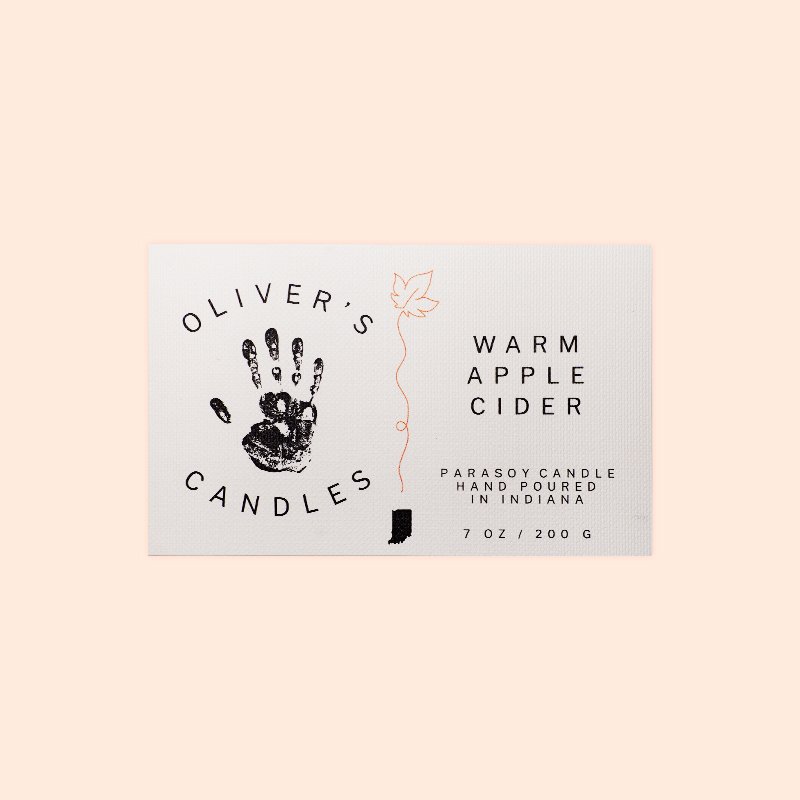
Soy oil carriers transfer ink differently than fast-penetrating petroleum solvents. Soy ink holds a fuller ink film on the sheet surface, and modern formulations carry higher pigment loads to compensate for absorption. The practical outcome on porous eco stocks is noticeably better color saturation and cleaner fine text — the difference between a label that looks “naturally muted” by design and one that just looks faded. This is precisely the problem converters like us engineer around: soy and vegetable-based inks formulated to dry brilliantly on porous eco-papers rather than vanish into them.
Low odor, low migration
Because soy systems emit far less during printing and curing, finished labels carry little to no solvent odor — a real consideration for candles, food packaging, and cosmetics where a chemical smell next to the product is a dealbreaker. Lower migration behavior also matters for brands preparing food-contact documentation.
The recycling bonus
When a soy-printed label or package reaches the paper mill, its ink lifts away more easily during deinking than petroleum or UV ink. Cleaner pulp means higher-quality recycled fiber — meaning a soy-printed label on recycled paper is quietly supporting the next generation of recycled paper. It closes the loop that plastic-free and zero-waste label builds start.
The Soy Seal: What “Soy-Based” Actually Guarantees
Because “soy-based” is a content claim, it has a certification behind it. The American Soybean Association (ASA) administers the Soy Seal and sets minimum soybean oil content by ink type.
| Ink Type | Minimum Soybean Oil Content |
|---|---|
| Heat-set web offset | 10% or more |
| Sheet-fed offset | 20% or more |
| Business forms ink | 40% or more |
| News ink | 55% or more |
Two different Soy Seal variants exist, and the distinction matters for who can display what. Ink manufacturers earn the seal confirming their ink contains the required soy content; printers earn the seal confirming a product was printed with qualifying soy ink. When a supplier tells you their labels are soy-printed, the useful follow-up is: whose seal, on which basis, and can we see the documentation?
A practical note on claims discipline: like any environmental mark, the Soy Seal covers one attribute. If your packaging copy needs to reference sustainable fiber sourcing, that is a separate chain — and a separate verification — covered in our FSC certification guide. Under tightening green-claims rules in the EU and UK, each claim should stand on its own paperwork, and the ASA’s own program details are worth reviewing directly at soygrowers.com.
Durability: The Honest Trade-offs
Soy ink’s structural weakness is drying speed. The same low-VOC chemistry that makes it cleaner removes the fast-evaporating solvents that dry petroleum ink quickly, so soy systems set and cure more slowly. On high-speed heat-set presses this needs managing; on label production it is handled through formulation and press settings rather than accepted as a defect.
Modern soy formulations have also closed much of the historical gap on rub and scratch resistance, which matters because labels live a rougher life than newspapers. The honest guidance is to match the ink to the environment rather than expect one system to do everything:
| Application Environment | Soy Ink Suitability |
|---|---|
| Dry indoor retail (cajas, tags, stationery) | Excellent fit |
| Bathroom humidity (protección de la piel, haircare) | Good with proper stock pairing |
| Refrigerated or condensation-prone | Test first; adhesive matters as much as ink |
| Outdoor, long-term UV exposure | Not the best fit — consider UV-cured |
| Direct oily or greasy contact | Requires food-contact engineering review |
Two disciplines protect you here. First, test on the actual container, not a generic swatch — porous paper plus a curved glass jar behaves differently than either alone. Second, let finishes do work that ink can’t: blind embossing, for example, creates premium dimension with zero ink at all.
Which Products Benefit Most
Food and beverage
Low odor and available food-contact documentation make soy ink the natural default for dry and ambient food labels. Pair it with kraft or recycled stocks and the packaging story is consistent from fiber to finish.
Cosmetics and skincare
Bathroom-humidity environments reward the pairing of higher-wet-strength natural stocks with soy formulations that hold color on uncoated surfaces. The muted, tactile aesthetic that soy ink produces on cotton and bamboo papers photographs beautifully — which is most of the battle in beauty.
Candles and home fragrance
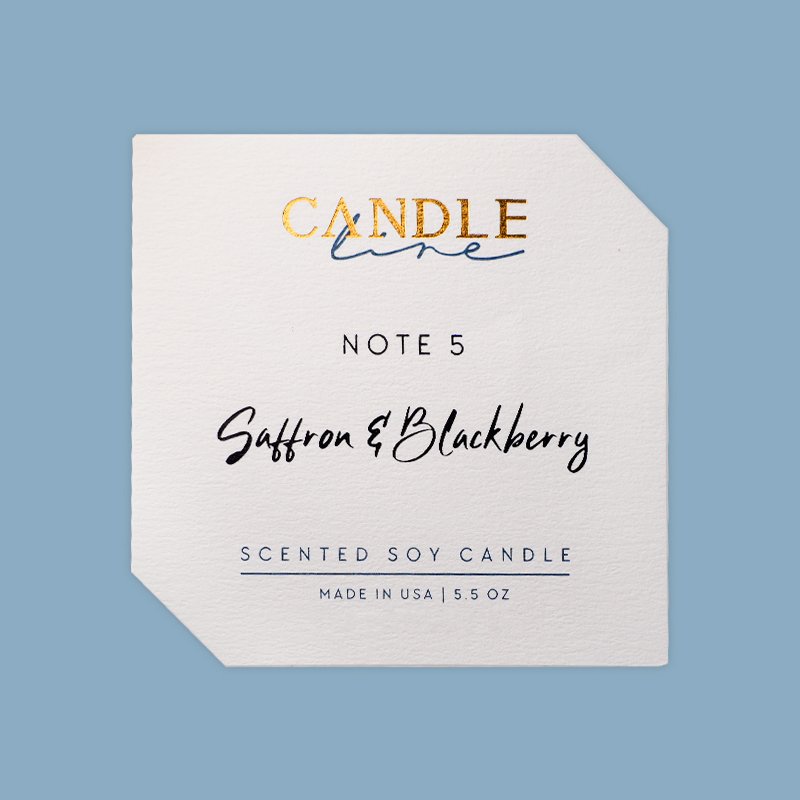
Candle buyers notice smell before anything else, and a low-odor ink system next to a scented product is not optional. Textured kraft labels printed with soy ink have become the category’s signature look, as on our kraft candle and home fragrance labels.
Stationery, kids, and gifting
Anything handled by hand — notebooks, tags, children’s products — benefits from rub-resistant, low-odor printing. Soy ink’s clean handling profile is an easy spec win here.
How to Order Soy Ink Labels: A 5-Step Spec Checklist
- Ask which press and ink system your job runs on. flexografía, digital, and offset each use different soy-compatible formulations, and the answer determines what is possible with your colors and stock.
- Request the soy documentation. Soy Seal status or soy-content details from the ink supplier — in writing, so your own packaging claims have a paper trail.
- Confirm drying and finishing compatibility. Uncoated stocks plus finishes like embossing or foil need the right ink set and cure window; a converter running hybrid flexo and digital lines can match the system to the job.
- Get food-contact paperwork early. If your label touches or sits near food, ask for migration and compliance documentation during quoting, not after tooling.
- Optimize artwork for uncoated stock, then sample. Slightly heavier type, controlled ink coverage, and spot colors hold up better on porous papers than dense CMYK builds. Physical proofs in 3–5 days let you judge color on your real container before committing. Browse the eco-friendly and natural labels range to see the material and ink combinations in person.
Preguntas frecuentes
Are soy-based inks really more eco-friendly?
On the metrics that matter at scale, yes: soy systems emit dramatically fewer VOCs than petroleum inks — typically under 10%, versus 25–40% — and they deink more easily during paper recycling. They are not, however, 100% biodegradable or edible, since the pigments and additives resemble conventional ink chemistry. “Cleaner,” not “pure,” is the accurate claim.
Do soy inks cost more than conventional ink?
Soy ink can carry a modest premium per unit, but it offsets part of the difference through coverage efficiency — soy formulations can extend further on the sheet, so less ink is needed for the same result. On label jobs, the ink cost delta is small relative to paper and finishing; ask for an apples-to-apples quote if it matters to your budget.
Are soy inks food safe?
Soy ink’s low-migration, low-odor profile suits food packaging, and food-contact-certified formulations exist. Low odor is not the same as approved direct food contact, though — require the compliance documentation for your specific use case rather than assuming the base label qualifies.
Do soy inks dry slower?
Yes, structurally: without fast-evaporating petroleum solvents, soy ink sets more gradually. Modern formulations and press settings manage this on label production lines, but it is the main operational trade-off, and rush schedules should account for it.
Can soy ink print on kraft or recycled paper?
That is where it performs best. Uncoated kraft, recycled PCW, bamboo, and bagasse papers absorb conventional ink unevenly; soy formulations hold a fuller film and higher pigment load on exactly these stocks. Compared with water-based ink, soy typically delivers richer color on the same porous sheet.
What is the difference between soy and vegetable-based ink?
Soy ink is a subset of vegetable-based ink — the carrier is specifically soybean oil. Other vegetable systems use linseed, tung, or blended plant oils. In practice, suppliers often use the terms together (“soy and vegetable-based inks”) when formulations blend carriers, which is common in commercial label printing.
Can I put the Soy Seal on my packaging?
There are two distinct seals: one for ink manufacturers confirming soy content, and one for printers confirming a product was printed with qualifying soy ink. As a brand, you would display the printed-with-soy-ink mark only if your converter holds it — ask for their authorization details rather than self-applying the mark.
Conclusion
The paper sets the feel of an eco label; the ink sets whether it looks the way you designed it. Soy-based ink printing earns its place in the sustainable packaging stack on measurable ground: the lowest VOC emissions of the conventional systems, easier recycling through cleaner deinking, and color performance engineered for the porous uncoated papers that eco brands actually use.
Specify it with the same rigor as your paper — press system, soy documentation, finishing compatibility, and a physical proof. Our complete guide to eco-friendly labels covers the full material landscape, and our recycled paper y kraft paper guides pair naturally with a soy ink spec. Ready to see the difference on your own product? Request samples and judge the color in person before you commit.