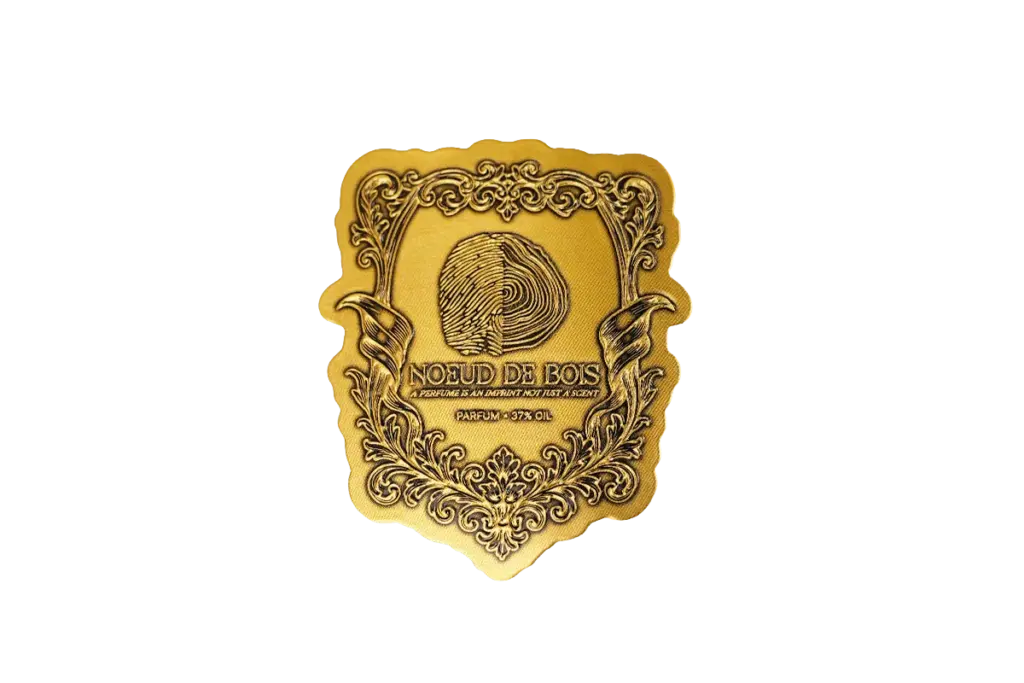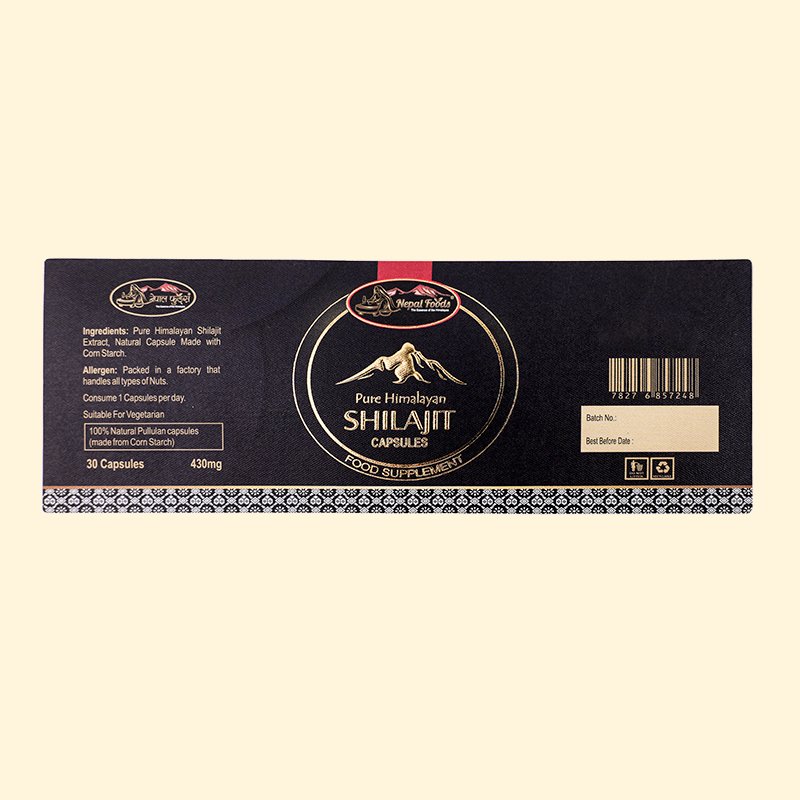
Matte and glossy labels are the same product with two different personalities. The finish changes how color reads, how light behaves, how the label survives handling, and what the brand signals about its price point. Matte vs glossy labels for product branding is a decision most brands make by feel, and the feel is rarely the whole story.
This guide compares the two finishes across the dimensions that matter on the shelf: apariencia, durability, category fit, and production. Each section ends with a practical rule for choosing, because the finish decision touches the artwork, the material, and the budget together.
Look and Feel of Matte and Glossy Label Finishes
Glossy labels catch the light and throw it back; matte labels absorb it, which is why the same artwork feels different in each finish.
Gloss finishes carry a wet, reflective surface that makes products feel polished, fresh, and energetic. Matte finishes diffuse light into a flat, soft surface that reads calm, natural, and considered. Neither is more premium on its own; each premium exists in a different category.
How Gloss Reads
Gloss reads wet and bright, which suits products whose appeal is freshness: juices, chilled drinks, confectionery, and anything that should look refrigerated. The reflection adds perceived depth, but it also adds glare under retail lighting, which is the trade every gloss decision accepts. Downlighting on a shelf is the gloss label’s harshest critic.
How Matte Reads
Matte reads dry, muted, and grounded, the default voice for natural food, protección de la piel, spirits, and supplements. It photographs well for e-commerce because there is no hot spot to fight. The same product that looks loud in gloss can look intentional in matte, which is why premium lines keep moving toward it.
The Touch Difference
Gloss feels slick and smooth; matte feels papery and slightly grippy, especially with a soft-touch coating layered on. The hand is the silent closer at the shelf, and it votes differently by category. A cosmetic jar earns more from a soft matte hand than a juice bottle would, and premium gifting lines sell on exactly that difference.
Color, Contrast, and Image Detail Differences Between Finishes
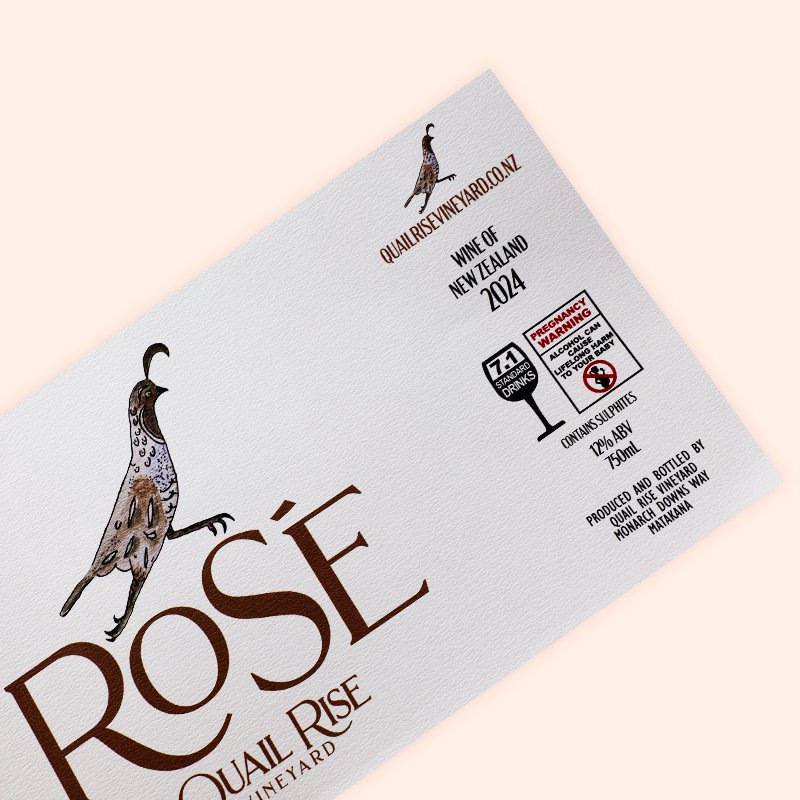
Gloss deepens and saturates color; matte softens and lightens it, so the finish choice is also a color choice.
Color Depth and Saturation
Gloss finishes can make colors appear deeper and more vibrant by increasing surface reflection. Matte finishes diffuse light, creating a softer appearance with less shine. The final color also depends on the substrate, ink system, and coating, so brands should approve printed samples before production. Brands with a locked Pantone standard often keep one finish for exactly this reason: the color is matched to the finish.
Black, White, and Small Text
Black behaves differently in each finish: gloss black reads deep and luxurious, while matte black reads soft and tactile, closer to a premium cardstock. White stays cleaner on matte because there is no reflection to grey it. Small text and barcodes scan more reliably on matte, where glare cannot wash out the contrast.
Image Detail and Photography
Photographic artwork shows more detail under gloss, which acts like a lens over the print. Matte flattens the image and favors illustration, flat graphics, and typographic design. The artwork style should pick the finish as much as the brand position does. The table below summarizes how each finish treats the common print elements.
| Print Element | Gloss Effect | Matte Effect |
|---|---|---|
| Bright colors | Deeper and more saturated | Softened a visible step |
| Black | Deep and mirror-like | Soft and tactile, cardstock feel |
| Photography | Sharp detail, lens-like depth | Flatter, favors illustration |
| Small text and barcodes | Can lose contrast to glare | Reads clean, scans reliably |
Fingerprint, Scuff, Moisture, and Handling Performance
Durability splits the finishes sharply: gloss shows fingerprints but shrugs off moisture, while matte hides marks but scuffs under friction.
Fingerprints and Oils
Gloss is a fingerprint magnet, and on dark labels every touch shows. Matte hides oils and smudges far better, which is why cosmetics, velas, and anything handled repeatedly prefer it. The dark gloss label that looks flawless in a mockup often arrives at the till looking handled, which is a lesson every premium brand learns once.
Scuffing and Abrasion
Under friction, matte surfaces scuff and burnish into visible shiny patches, while gloss tends to hold its surface and hide light abrasion. Products that slide against each other in transit, bottles on a filling line, jars on a shelf, lean gloss for the journey and matte for the touch. The abrasion test on the actual pack answers the question in an afternoon.
Moisture and Condensation
Both laminates protect the print, but gloss sheds water more readily and stays legible under condensation, which is why chilled and frozen categories keep gloss on the spec sheet. Matte on a cold bottle can water-stain and look tired faster. See our article on how to choose waterproof label adhesive for the companion material decision.
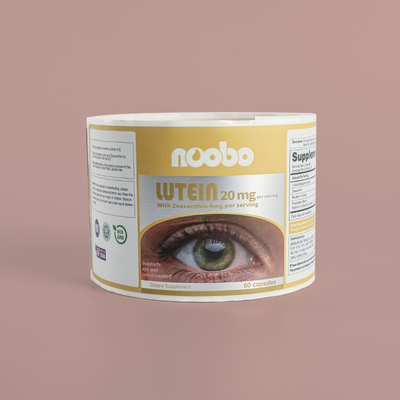
Pick Your Finish on a Real Sample
Finish Suitability Across Product Types and Brand Positions
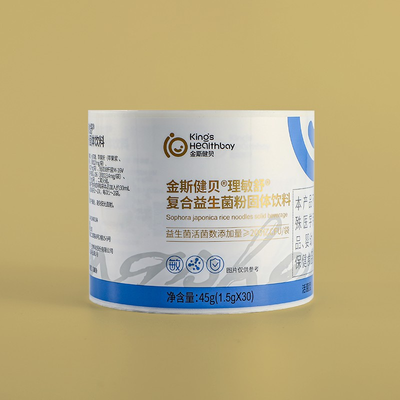
Category norms settle the argument: chilled and impulse products lean gloss, while premium, natural, and wellness lines lean matte.
Where Gloss Wins
Gloss dominates chilled beverages, juices, confectionery, and frozen foods, where the wet look mirrors freshness and the surface survives condensation. Value-positioned brands also favor gloss for its brightness at the price point. The finish promises energy, and the category delivers it, so the choice usually makes itself.
Where Matte Wins
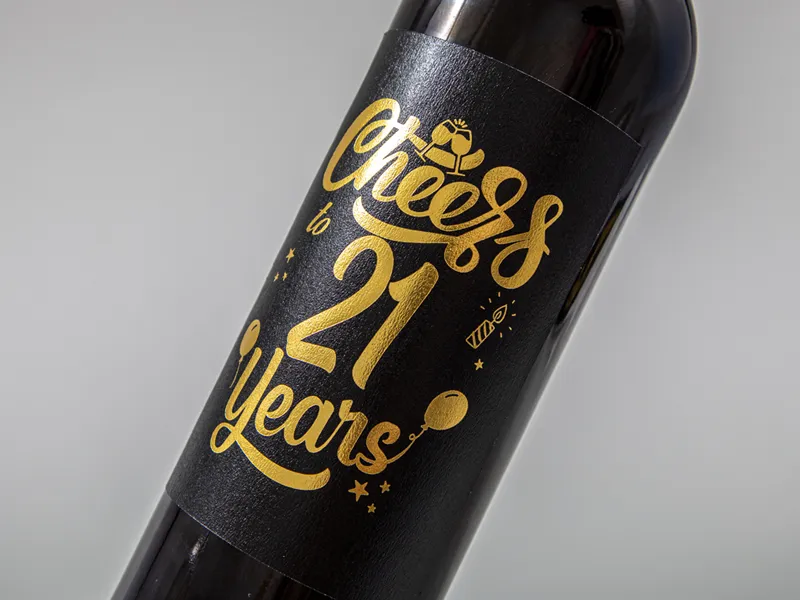
Matte owns the premium and natural territories: vino y licores, supplements, productos cosméticos, velas, and gourmet pantry goods. The quiet surface signals quality without shouting, and it hides the handling marks that premium products attract on the way to the till. The matte black label with foil accents has become the default premium uniform.
Mixing Finishes on One Label
The strongest designs often combine both: a matte base with gloss spot highlights, or gloss foil accents on matte black. The contrast between the two surfaces draws the eye exactly where the design wants it. Spot finishing costs more, but it buys the best of both personalities, which is why premium lines use it as their signature.
Printing, Coating, and Lamination Considerations
The finish is engineered, not painted: lamination films, coatings, and press settings decide how matte or glossy a label actually prints.
How Each Finish Is Made
Gloss comes from gloss lamination film or a high-sheen varnish, matte from matte film, matte varnish, or an uncoated paper left to its natural surface. Lamination adds durability on top of the look; varnish changes the look with less protection. The construction choice depends on how hard the pack will be handled between the line and the pantry.
Cost and Availability
Neither finish carries a meaningful premium at volume, because both are standard converting steps on any label line. The cost differences appear in the extras: soft-touch coating, spot gloss, and combined finish effects add tooling and setup. For how laminate life compares across constructions, see our article on how long laminated labels last.
Proofing the Finish
Surface gloss can be measured using methods such as ASTM D523, which specifies how to measure the specular gloss of nonmetallic materials. For label production, brands can compare samples under consistent lighting and testing conditions to assess the desired finish.
Preguntas frecuentes
What are the key differences between matte and glossy stickers?
Glossy stickers reflect light, look wet and saturated, show fingerprints easily, and hold up well against moisture. Matte stickers diffuse light, read softer and more premium, hide smudges, but scuff under friction. The practical split is glare and fingerprints on the gloss side against calm and mark-resistance on the matte side.
Are matte stickers waterproof?
The finish itself is not what makes a sticker waterproof; the facestock and laminate are. A matte vinyl or BOPP label with a matte laminate is fully waterproof, and an uncoated matte paper label is not. Check the material construction, not the sheen, when water resistance matters.
Is it better to use matte or gloss?
Neither is better in general; each fits a different job. Choose gloss for chilled products, bright categories, and photographic artwork, and matte for premium, natural, and wellness lines where a quiet surface and hidden fingerprints matter. The category and the handling decide, not the finish itself.
What are the cons of matte finish?
Matte finish softens color, so bright palettes lose punch, and it scuffs into shiny patches under repeated friction. On chilled or wet packs it can water-stain and look tired faster than gloss. It also photographs flatter, which helps e-commerce but takes the sparkle out of gift lines.
Is matte more expensive than glossy?
At production volume, matte and gloss laminates cost essentially the same, because both are standard converting steps. The premium appears in extras like soft-touch coating, spot gloss, and combined effects, which add setup and tooling. The finish itself is rarely the deciding cost line.
Do people prefer glossy or matte prints?
Preference splits by product: glossy wins in food and drink where freshness reads through shine, while matte wins in premium, natural, and personal care where calm reads as quality. Trend-wise, premium categories have been moving toward matte for years. The audience votes with the category, not in the abstract.
Which color is best, matte or glossy?
Rich, dark colors like black, red, and deep blue gain depth from gloss, while soft neutrals, pastels, and whites read cleaner on matte. The practical answer is to proof the same artwork in both finishes on the real stock. The difference is visible, and the color standard should be locked to whichever finish ships.
What are the key differences between matte and glossy paper?
Glossy paper has a coated, reflective surface that saturates ink and detail, while matte paper is coated or uncoated with a diffusing surface that softens print and resists glare. Glossy suits photography and bright palettes; matte suits typography, texture, and writing surfaces. On labels, the same split applies to the facestock before any laminate is added.
What finish is between matte and gloss?
Satin sits between the two, with a soft sheen that reflects less than gloss but more than matte. It splits the difference on glare, color depth, and fingerprint visibility. Brands that want some shine without the full gloss glare, and some calm without the flat matte look, often land on satin.
What is a gloss finish?
A gloss finish is a reflective, high-sheen surface created by a gloss laminate film or a high-gloss varnish over the printed label. It deepens color, adds shine, and gives the pack a wet, polished look. The same gloss that flatters a juice bottle will show every fingerprint on a dark cosmetic label.
What is matte material?
Matte material is any stock or film with a diffusing, non-reflective surface, created by a matte coating, a matte laminate, or an uncoated paper. It scatters light instead of reflecting it, which softens print and kills glare. On labels, matte usually arrives as matte-laminated film or matte-coated paper.
How does matte finish look?
Matte finish looks flat, soft, and slightly muted, with no reflection or glare under store lighting. Colors read lighter than the same inks under gloss, and the surface has a dry, tactile quality. The overall impression is calm and premium, which is why natural and high-end categories favor it.
Conclusion
Matte and gloss are two answers to the same question: how should this product feel at first glance. Gloss brings energy, saturation, and moisture tolerance; matte brings calm, premium texture, and mark resistance. The right finish follows the category, the artwork, and the handling, and it gets confirmed on a real sample before the run, because the shelf is where the choice finally pays.
For brands choosing label finishes, Meikei prints matte, gloss, satin, and soft-touch constructions with samples on your actual label stock, so the decision is made by hand.