FDA compliant vs. FDA approved is the difference between following the rules and passing a premarket review, and a label printer who swaps the two words prints a false claim on every pack. The two terms name different duties, and the supplier’s wording must keep them apart. Supplement and healthcare labels and packaging carry the claims the brand makes, so the printer’s own words matter as much as the print quality. The swapped word is a false claim, and the false claim prints on every pack.
This guide walks the two terms from their definitions to what the approval path actually covers, what a label printer can and cannot say, and the safer wording for the supplier’s claims.
Each section names the word and the duty behind it. The walk ends with the phrases that keep the supplier’s message inside the truth.
FDA Compliance Definition for Food and Supplement Labels
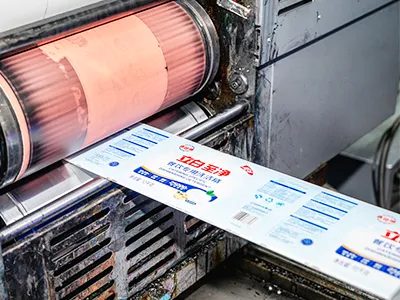
Compliance means the label follows its class’s rules, and the class decides the rules.
The Compliance Meaning
FDA approved means the agency ran a premarket review of the product, and FDA compliant means the product follows the rules that apply to its class without that review. The food and the supplement labels follow the labeling rules of their class, and the claim of compliance describes the label’s fit to those rules. The word compliant is a statement about the rules, not a badge the agency issues. The word describes the label’s fit, and the fit is checked against the frame.
The Label’s Compliance Frame
The food label and the supplement label each carry their own required statements, their own panels, and their own claim limits, and the artwork follows the frame that owns the product. El FDA food labeling requirements for packaged foods frame the food side, and the supplement side reads from its own rule set. The label that matches its frame is compliant, and the frame never grants an approval. The frame is the rules, and the artwork follows the frame.
The Claims Inside the Frame
The claims on the label follow the frame’s limits, and the structure and function claims on a supplement carry their disclaimer. The claim that steps outside the frame is the false statement, and the compliance review reads the claims against the frame. The printer prints the claims the brand authorizes, and the print does not make the claims true. The print does not make the claims true, and the disclaimer keeps them honest.
The Class Decides the Rules
Every product class carries its own rule set, and the word compliant always names a class. The food class, the supplement class, and the device class each hold their own requirements, and the label follows the class that owns the product. The claim of compliance without the class is a claim without a frame.
FDA Approval: What It Covers and What It Does Not
The approval path runs a premarket review, and most food and supplement labels sit outside it.
The Products on the Approval Path
The approval path covers the prescription drugs and the medical devices that the law puts through premarket review, and the foods and the supplements sit outside that path. The path ends in a decision by the agency, and the decision is the approval the product can cite. The grocery shelf and the supplement shelf mostly carry products that never walked that path. The decision is the approval the product can cite, and the shelf mostly skips it.
The Products Outside the Path
A product can sell without approval where the law does not require one, and the foods and the supplements fall on that side. The seller answers for the label and the claims under the class’s rules, and the absence of an approval is the normal state, not a gap. The label printer who implies otherwise invents a requirement the law never wrote. The absence of an approval is the normal state, and the rules still hold.
The Approval Check
The buyer checks the agency’s records for the product’s approval or clearance, and the absence of a record means the approval claim is empty. The records are public, and the check runs on the product’s own name and class. The printed claim that cannot find its record is the claim that must not print. The records are public, and the check runs on the product’s own name.
The Registration Duty
The firms that make and handle the regulated products register with the agency, and the registration is a separate duty from the approval. The registration names the facility, and the approval reviews the product, and the two never merge. The label claims read each duty separately.
Limitations of Ordinary Label Printers in Approving Product Labels
The printer prints the label, and the approval of the label is not the printer’s to give.
What a Printer Cannot Approve
An ordinary label printer cannot approve the product, the formula, or the claims, because the approval authority sits with the agencies and the brand’s own reviewers. The printer’s skill covers the print, the color, the registration, and the finish, and the claim review belongs to the brand’s document set. The printer who signs off on the claims steps outside the shop’s competence. The claim review belongs to the brand’s documents, and the shop stays on the print side.
What a Printer Can Check
The printer can check the artwork against the file the brand approved, the proof against the artwork, and the print against the proof, and those checks are the print shop’s real expertise. El supplement label sample check walks the print-side gates, and the claim side stays with the brand. The printer checks the print, and the brand checks the claims. The three checks are the shop’s real expertise, and the claim side stays with the brand.
The Words That Overreach
The words that overreach are the approved, the certified, and the registered when the shop holds none of those statuses, and each word carries a checkable meaning. The supplier’s page that borrows the words invites the buyer’s check, and the check finds nothing. The accurate wording is the supplier’s cheapest protection. The check finds nothing, and the borrowed word costs the trust.
The Proof Discipline
The proof discipline is the shop’s real compliance tool, and the gates run on the printed sample. The file check, the proof check, and the press check each close one risk in the print path. The discipline is the shop’s claim to accuracy, and the accuracy is checkable.
The Print Planned Around the Truth

Label Responsibilities Shared by Brand Owners and Manufacturers
The brand owns the claims, the manufacturer owns the records, and the printer owns the print.
The Brand Owner’s Share
The brand owner owns the label content, the claims, and the artwork approval, and the ownership means the answers live with the brand’s documents. The brand decides what the label says, and the decision sits in the approved file the printer receives. The printer prints that file, and the file’s content is the brand’s signature. The approved file is the brand’s signature, and the press follows the file.
The Manufacturer’s Share
The manufacturer owns the formula, the records, and the certificates the claims hang from, and the share includes the tested values the panel declares. El supplement facts label requirements in the USA tie the panel to those records. The manufacturer’s documents feed the label, and the label prints the feed. The tested values feed the panel, and the panel prints the tested values.
The Printer’s Share
The printer owns the print fidelity, the color, the registration, the materials, and the proofing discipline, and the share ends at the printed sheet. The printer’s claims describe the print capability, not the product’s status, and the two descriptions never trade places. The three shares meet at the released file, and each owner signs their own line. The two descriptions never trade places, and the shop’s page says so.
| Owner | Owns | Signs |
|---|---|---|
| Brand owner | The content, the claims, and the artwork | The released artwork |
| Manufacturer | The formula, the records, and the certificates | The documented values |
| Printer | The print, the color, and the proofing | The printed sample |
The Documents That Travel
The documents travel with the order, and each one answers one of the buyer’s questions. The artwork file, the spec sheet, and the proof sample carry the three owners’ signatures, and the folder holds the chain. The documented order survives the audit, and the memory of the order does not.
Safer Wording for Supplier Claims and Customer Communications
The safe wording says what the shop does, and it never borrows the agency’s words.
The Wording Swaps
The safer wording swaps the borrowed status words for the accurate capability words, and the swap costs nothing on the page. The shop says it prints the label artwork, checks the proofs, and runs the materials, and it leaves the approved and the certified to the holders. The capability sentence is true on its face, and the truth is the supplier’s best sales copy. The capability sentence is true on its face, and the truth sells the work.
The Customer Question Answers
The customer asks about the label’s compliance, and the safe answer points to the brand’s documents and the class’s rules without claiming the status for the shop. El dietary supplement basics keep the product side in plain view, and the shop’s answer stays on the print side. The honest answer sends the buyer to the record, and the record holds the truth. The shop’s answer stays on the print side, and the product side stays with the brand.
The Phrases That Hold Up
The phrases that hold up describe the print work and the proofing discipline, and they survive the buyer’s check because they claim nothing beyond the shop. The list below carries the working set.
- The artwork prints from the approved file the brand releases.
- The proof runs the brand’s review gates before the plates.
- The materials and the finishes match the order specification.
- The claim wording comes from the brand’s documents, not the print shop.
Preguntas frecuentes
What is the difference between FDA approved and FDA compliant?
FDA approved means the agency ran a premarket review of the product, and FDA compliant means the product follows the rules that apply to its class without that review.
What products have FDA approval?
The approval path covers the prescription drugs and the medical devices that the law puts through premarket review, and the foods and the supplements sit outside that path.
How to tell if something is FDA approved?
The buyer checks the agency’s records for the product’s approval or clearance, and the absence of a record means the approval claim is empty.
Can a product be sold if not FDA approved?
A product can sell without approval where the law does not require one, and the foods and the supplements fall on that side.
How do I get a product FDA approved?
Getting a product approved means filing the application the product’s class requires, and the class decides which path applies.
Who needs to be FDA registered?
The firms that make and handle the regulated products register with the agency, and the registration is a separate duty from the approval.
Conclusion
The two words sit on different sides of a real line, and the supplier who keeps them apart keeps the trust. The compliant label follows its class’s rules, the approved product passes a premarket review, and the food and the supplement shelves mostly carry the first. The brand owns the claims, the manufacturer owns the records, and the printer owns the print, and the safe wording describes exactly that split. A supplier’s page that says what the shop does will survive every check, and the borrowed word is the one that costs the reprint of the trust.
For brands that want the label, the print, and the wording handled inside the rules, Meikei runs the artwork and the print from the approved file. The claim wording stays with the documents that own it.