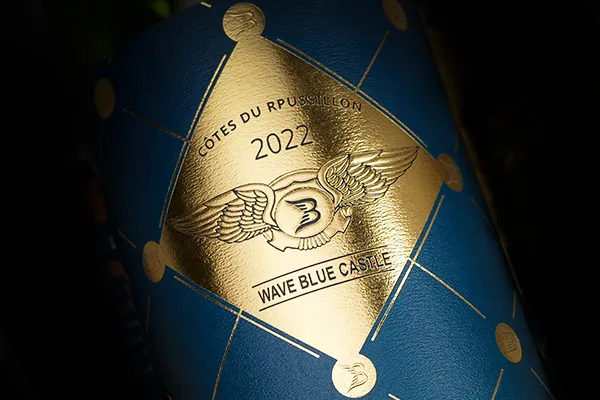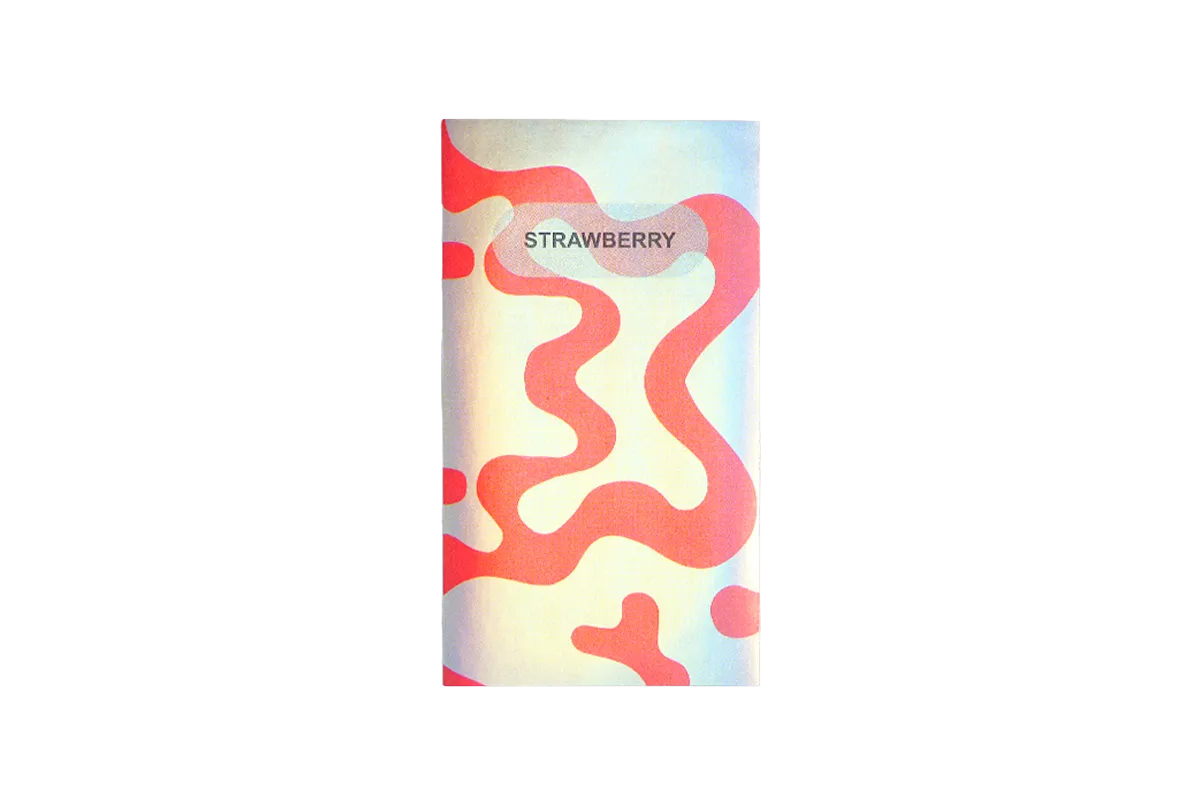
Choosing the right label protection method is essential for maintaining print quality, durability, and brand consistency throughout a product’s lifecycle. Compared with unprotected labels, laminated labels provide an additional protective layer that helps reduce damage from moisture, abrasion, handling, and everyday environmental exposure.
This guide compares different label protection methods, including laminated films, varnish coatings, and common label materials such as BOPP and polyester. It explains how material selection, finishing options, and application conditions influence label durability, appearance, and long-term performance.
What Are Laminated Labels and How Are They Made
Laminated labels use a multi-layer polymer shield bonded over printed media to protect critical graphics from heavy abrasion, moisture, and chemical exposure.
The Core Anatomy of a Laminated Label
Standard labels often fail when exposed to daily handling or environmental stress because the printed ink remains exposed on the surface. Laminated labels solve this issue through an engineered multi-layer construction that protects printed graphics beneath a transparent protective film.
- Base Face Stock: The foundational carrier material, typically paper or synthetic film, which holds the printed design.
- Printed Design: The graphic layer containing branding, text, or barcodes applied directly to the face stock.
- Adhesive Layer: The pressure-sensitive compound on the underside that bonds the label to its final packaging or surface.
- Clear Laminate Film: A transparent plastic top barrier bonded over the ink using pressure, heat, or adhesive.
This transparent film acts as a tough physical shield. By isolating the underlying ink from direct contact, it blocks scratching, scuffing, moisture, chemicals, and UV light, which dramatically increases legibility and lifespan compared to raw paper or unlaminated film alternatives.
Key Materials and Finishes Used in Production
Selecting the right material pairing determines how the label performs under specific environmental pressures. Manufacturers match different base face stocks with specialized protective films to meet target durability and budget requirements.
- Coated Papers: Cost-effective base options ideal for high-volume retail goods where lamination provides the primary moisture barrier.
- Biaxially Oriented Polypropylene (BOPP): High-performance water- and oil-resistant polymers used widely in food, beverage, and cosmetic packaging.
- Polyester (PET): Strong, dimensionally stable films commonly used for premium packaging labels, cosmetic products, beverage containers, and applications requiring excellent print quality and durability.
- Polypropylene and Polyester Laminates: Ultra-clear, thin films applied as the protective top layer to seal the printed surface permanently.
The final step is selecting the right surface finish. Gloss laminates enhance color vibrancy, while matte and soft-touch finishes create a refined look for premium packaging.
The Step-by-Step Manufacturing and Lamination Process
Production begins with prepress and printing, where brand graphics and product information are applied to the label material. Digital printing supports short runs and custom SKUs, while offset printing delivers consistent quality for high-volume packaging production.
Once printed, the label material moves to the lamination stage, where manufacturers apply the protective top film using different bonding methods depending on the packaging requirements:
- Wet Lamination (Adhesive Pressing): Liquid or pressure-sensitive adhesives are applied to the label web before rollers press the protective film firmly onto the surface.
- Thermal Lamination: Heat-activated thermoplastic layers on the backing of the laminate film melt under heated rollers to fuse the layers together.
- Extrusion Lamination: Melted polymer is extruded directly onto the moving label substrate through a flat die, passing through a roller mill for instant bonding in high-speed setups.
After bonding, the laminated web enters the converting and finishing phase. Precision rotary or flatbed dies cut the labels into custom shapes, the waste matrix is stripped away, and the finished labels are wound onto rolls or cut into sheets for application.
Laminated Labels Materials and Finishes
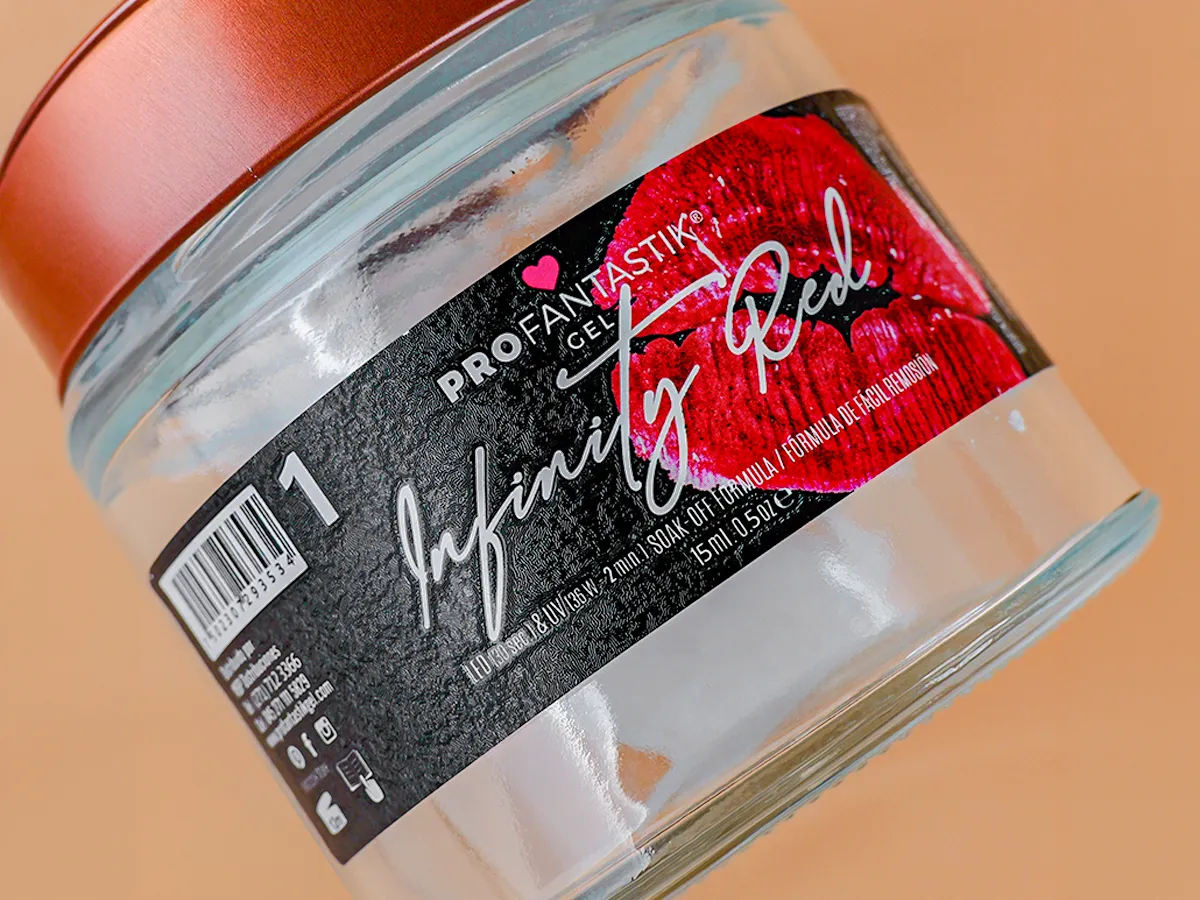
Lamination bonds a solid clear plastic film over printed face stock, delivering maximum mechanical defense and chemical barriers compared to liquid-applied coatings.
Core Face Stock Materials
Choosing the correct base material establishes the structural foundation of your label before any protective film is applied. The face stock determines how well the label adheres to the product surface and how it handles base environmental stress.
- BOPP (Biaxially Oriented Polypropylene): This film serves as the primary water- and oil-resistant choice for indoor product packaging, available in white, clear, and holographic variations.
- Paper Face Stock: This base combines with protective lamination to balance cost-efficiency with moderate environmental durability.
- Vinyl and Polyester (PET): These durable film materials are commonly selected for premium product labels, beverage packaging, cosmetic containers, and applications requiring strong visual consistency and resistance to environmental exposure.
- Polyethylene (PE): This soft, flexible stock joins with specialty films designed specifically for squeezable containers and highly curved packaging surfaces.
Visual and Tactile Finishing Options
Lamination serves an aesthetic role alongside its protective qualities. The choice of finish directly influences how consumer packaging captures ambient light and engages user touch on retail shelves.
- Gloss Laminates: These films increase color contrast, build a highly reflective surface, and optimize shelf presence for retail packaging.
- Matte Laminates: These non-reflective, flat finishes reduce surface glare and enhance barcode and fine print readability under bright retail lighting.
- Satin and Semi-Gloss Hybrids: These options balance rich color output with reduced specular reflection for a softer presentation.
- Specialty Tactile and Holographic Laminates: These materials create sensory branding, textured grips, and premium product differentiation.
Performance and Durability Benefits
Applying a laminate layer fundamentally changes the survival metrics of product identification. This multi-layer approach ensures critical branding and safety data persist throughout the product life cycle.
- Mechanical Protection: The laminate acts as a second skin to shield underlying print from shipping friction, scuffing, and constant handling.
- Environmental Barriers: This solid barrier blocks water, oil, and liquids, which is critical for cosmetics, refrigeration, and household chemical applications.
- UV Resistance: The protective top layer slows down color fading and maintains legibility when exposed to natural outdoor elements.
- Chemical and Solvent Resistance: Selecting suitable film materials and laminates helps protect labels used on products exposed to oils, lotions, fragrances, and other common consumer product environments.
Lamination vs. Varnish Finishing Comparison
Understanding the distinction between lamination and varnish prevents premature label failure in the field. While both options seal the printed surface, their physical properties and protection thresholds differ significantly.
- Protection Layer Type: Lamination applies a solid plastic film barrier, whereas varnish is a thin, liquid-applied clear coating.
- Durability Threshold: Lamination delivers superior longevity and protection against heavy abrasion, moisture, and chemical exposure.
- Cost and Application: Varnish serves as a fast, highly cost-effective option for low-stress indoor applications with shorter life cycles.
- Safety and Compliance: Critical safety, and heavy-use labels consistently require lamination over varnish to guarantee information permanence.
Elevate Brand Touchpoints with Specialty Lamination
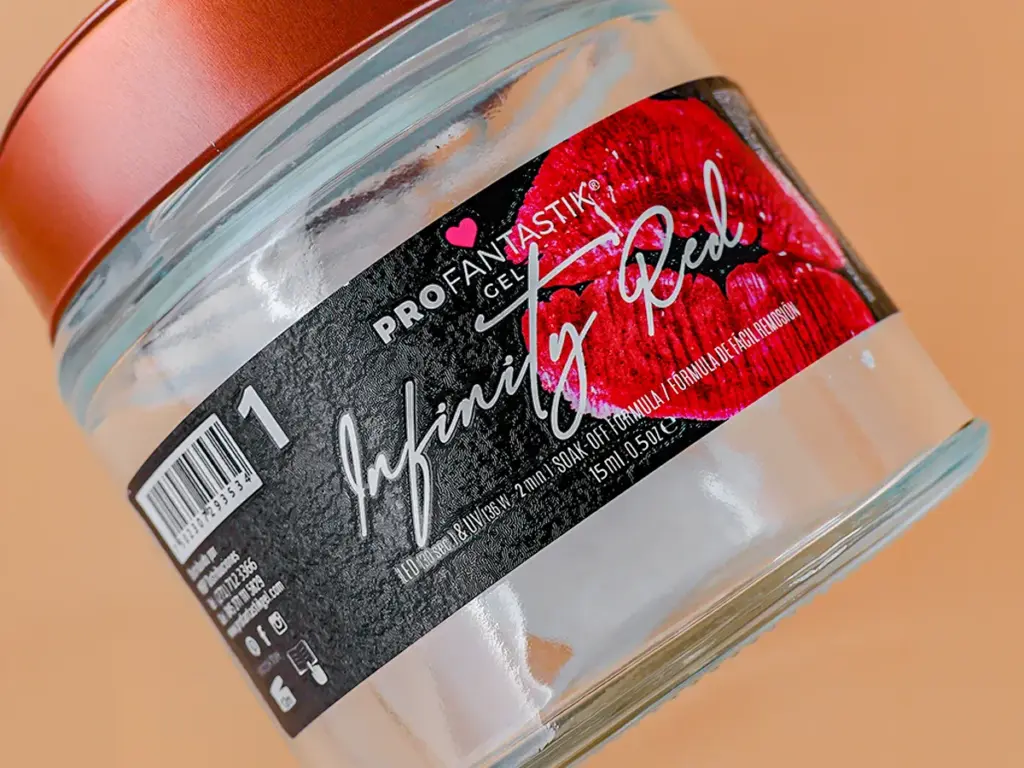
Laminated Labels for Food, Cosmetics, and Bottles
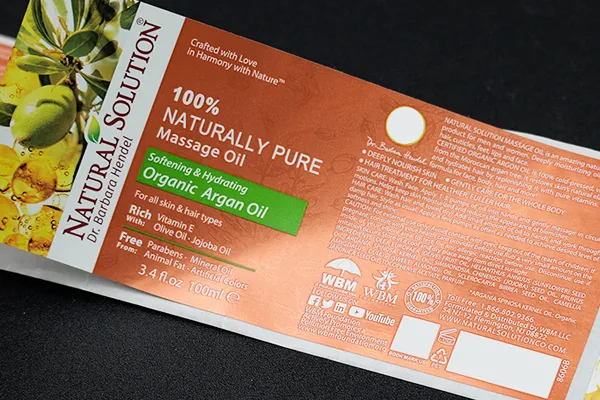
Lamination seals printed packaging under a clear protective film, keeping branding intact and regulatory text legible against moisture, oils, and friction.
Preserving Food Packaging Integrity Under Refrigeration
Cold-chain logistics can create challenges for standard packaging materials. Temperature changes may cause condensation on packaging surfaces, which can weaken paper labels and affect print quality if suitable protection is not applied.
- Condensation Shielding: The clear film layer blocks moisture penetration, preventing the base material from absorbing water and tearing.
- Ink Protection: It locks the printed graphics beneath a plastic barrier, stopping ink smudging on frozen foods, snack bags, and ready-to-eat meals.
- Regulatory Legibility: Nutritional facts, allergen warnings, and ingredient lists remain clear and readable over the entire product lifespan.
- Friction Resistance: The outer film absorbs physical scuffing from transit vibration and consumer handling.
Protecting Cosmetic and Personal Care Branding from Oils and Humidity
Cosmetics and personal care items live in high-humidity zones. Bathrooms, showers, and vanity counters expose retail packaging to direct water contact, high-heat steam, and oily product runoff that quickly ruins unlaminated designs.
- Chemical Defenses: The plastic film resists degradation from direct contact with essential oils, greasy creams, alcohol-based perfumes, and lotions.
- Bathroom Durability: The construction survives repeated water splashes and high humidity on body wash and shampoo containers without peeling.
- Aesthetic Preservation: Lamination prevents early fading and scuffing, keeping the product looking premium on retail shelves.
- Tactile Enhancements: Brands can select specialized gloss, matte, or soft-touch finishes to support specific sensory marketing goals.
Ensuring Durability on Curved Bottle Surfaces
Applying labels to tight cylindrical shapes or tapered bottle neck profiles introduces mechanical tension. Over time, rigid materials try to return to their flat state, causing edge lifting, winging, and creasing along the seams.
- Conformability: The combination of flexible laminates and synthetic face stocks wraps tightly around curved glass and plastic profiles without lifting.
- Display Protection: It shields beverage containers from tight packing scuffs during transit and retail display stocking.
- Runoff Management: Synthetic bases like BOPP work with the laminate to resist drips, spills, and ice bucket immersion.
- Data Longevity: Critical tracking elements like barcodes and back-label batch numbers stay fully scannable.
Material Construction and Finish Selection Criteria
Selecting the right material setup requires matching the substrate, adhesive, and protective laminate film to the retail environment and package geometry. Each choice alters both the physical durability and the visual style of the final design.
- BOPP Base: Biaxially oriented polypropylene acts as the moisture-resistant foundation for high-wear retail settings.
- Gloss Laminates: High-shine, highly reflective finishes that boost color saturation and contrast on retail shelving.
- Matte Laminates: Soft, glare-free, non-reflective surfaces that offer an understated, premium look for organic and clinical skincare lines.
- Specialty Elements: Clear laminates maintain a seamless no-label look on glass, while holographic materials provide security and eye-catching visual patterns.
How to Choose the Right Label Protection Method
Selecting the correct label protection involves balancing environmental stressors, label function, and substrate chemistry to prevent premature fading, peeling, or scanning failures.
Analyze Environmental and Exposure Stressors
UV radiation, moisture, and chemical exposure dictate the survival rate of printed packaging. Standard paper labels exposed to outdoor sunlight or high-condensation environments degrade rapidly without targeted defensive barriers.
- UV exposure levels: Determine if the label requires UV-blocking laminates or specialized overcoats to prevent ink fading and color shifts.
- Moisture and temperature: Assess humidity ranges to select synthetic stocks paired with freezer-grade or high-heat resistant adhesives.
- Chemical exposure: Identify potential contact with chemicals, solvents, or frequent abrasion that requires heavy-duty film laminates.
Match Protection to Packaging Requirements
A premium product label requires different material and finishing considerations compared with basic packaging labels. Selecting the right laminate helps balance appearance, durability, and product requirements.
- Barcode reliability: Select high-clarity matte or gloss laminates for critical barcodes to ensure reliable scanning and prevent smudge-induced errors.
- Security visibility: Incorporate protective overcoats that preserve the visibility of security features like holograms while preventing physical wear.
- Tamper-evident designs: Deploy tamper-evident constructions with thin protective layers that do not interfere with destructible films or security slits.
Evaluate Surface Substrates and Application Conditions
Adhesion performance is directly tied to the surface energy of the target container. Even the most durable laminate will fail if the underlying adhesive lifts or traps air during the application process.
- Substrate compatibility: Verify adhesive compatibility with the surface energy of the substrate, whether it is glass, metal, or textured plastic.
- Surface preparation: Ensure application surfaces are clean, dry, and grease-free to establish a strong mechanical bond and prevent edge lifting.
- Application pressure: Apply consistent pressure during installation to eliminate air bubbles and wrinkles under clear protectors or overlaminates.
Compare Protection Formats: Laminates, Overlays, and Coatings
The right label protection method depends on factors such as production volume, packaging requirements, and the expected level of surface exposure.
Different applications may require different combinations of laminate films, protective overlays, or coating finishes to achieve the desired balance of durability and appearance.
- Continuous film lamination: A common choice for high-volume packaging production, providing consistent surface protection for labels used on products such as beverages, cosmetics, and retail goods.
- Clear overlay patches: Suitable for specific packaging applications where additional localized protection is needed, helping preserve printed graphics and finishes on frequently handled products.
- Liquid UV coatings: Opt for liquid UV-curable coatings when seeking a flexible, cost-effective barrier for light to moderate abrasion.
Final Thoughts
While unprotected paper or basic liquid-coated alternatives offer a slightly lower upfront cost, utilizing factory-standard laminated labels is the only reliable way to safeguard your brand reputation against moisture, oils, and transit abrasion. Investing in a dual-layer polymer barrier ensures that critical barcodes, regulatory text, and premium branding remain completely legible throughout the entire product lifecycle. Preventing premature label failures ultimately protects your bottom line by eliminating the operational overhead and downtime of constant relabeling.
Evaluating material compatibility under real-world conditions is the safest path to ensuring long-term packaging performance. We recommend requesting a sample kit to test our gloss, matte, and synthetic finishes directly on your containers before committing to a full production run. Reach out to our technical team today to discuss your specific packaging dimensions, adhesive requirements, and custom OEM specifications.
Frequently Asked Questions
What are laminated labels?
Laminated labels are printed labels covered with a protective film layer that improves durability and maintains the appearance of packaging. The laminate layer helps protect printed graphics from moisture, scratches, oils, and daily handling, making laminated labels suitable for cosmetics, beverages, food products, and premium retail packaging.
Why laminate product labels?
Laminating product labels helps brands improve both protection and visual quality. A laminate layer can extend label durability, reduce surface wear, and maintain consistent colors and finishes during transportation, storage, and product use. It is commonly used for brands that require a premium appearance and reliable packaging performance.
Are laminated labels waterproof?
Laminated labels are highly water-resistant because the protective film creates a barrier over the printed surface. However, the overall water resistance also depends on the label material, adhesive selection, and application environment. For products exposed to moisture, such as beverages, cosmetics, and personal care packaging, suitable materials and laminates can provide improved protection.
What is the difference between coated and laminated labels?
Coated labels use a liquid finish applied directly to the printed surface, such as varnish or UV coating. Laminated labels use an additional film layer bonded over the label, providing stronger protection against moisture, scratches, and handling. The right choice depends on packaging requirements, durability needs, and desired visual effects.
How long do laminated labels last?
The lifespan of laminated labels depends on the label material, laminate type, adhesive, storage conditions, and product usage. For many consumer packaging applications, properly selected laminated labels can maintain their appearance throughout the product’s shelf life, including during transportation, storage, and retail display.
Can laminated labels be recycled?
The recyclability of laminated labels depends on the combination of label materials, laminate films, Klebstoffe, and the recycling system available in the target market. Brands should consider packaging requirements, material compatibility, and local recycling guidelines when selecting laminated label solutions.
What materials are used for laminated labels?
Common materials used for laminated labels include paper, BOPP, PET, and other specialty films. Paper labels are often selected for natural or premium packaging styles, while film materials such as BOPP and PET provide better moisture resistance and durability for cosmetics, beverages, food, and retail products.
Are laminated labels suitable for bottles?
Yes. Laminated labels are widely used for bottles, including beverage bottles, wine packaging, cosmetic containers, and personal care products. The combination of suitable label materials, Klebstoffe, and laminate finishes helps maintain label appearance on curved surfaces and under different storage conditions.
How are laminated labels printed?
Laminated labels typically begin with prepress preparation and printing, where brand graphics and product information are applied to the label material. Digital printing supports customized or shorter runs, while offset printing delivers consistent quality for high-volume packaging production. A protective laminate film is then applied to enhance durability and appearance.
Can laminated labels resist scratches?
Yes. Laminated labels provide improved scratch resistance compared with unprotected labels. The protective film layer helps reduce surface damage caused by handling, transportation, and everyday product use, helping brands maintain a clean and premium packaging appearance.
📖 Complete Guide
← Back to “What Are Custom Labels?” — The Complete Guide
Learn everything about custom labels: types, materials, printing techniques, cost factors, and how to choose the right solution for your brand.
Related Products You May Like
Want to know more about Meikei? Visit explore our custom label printing services or explore view our customization options.