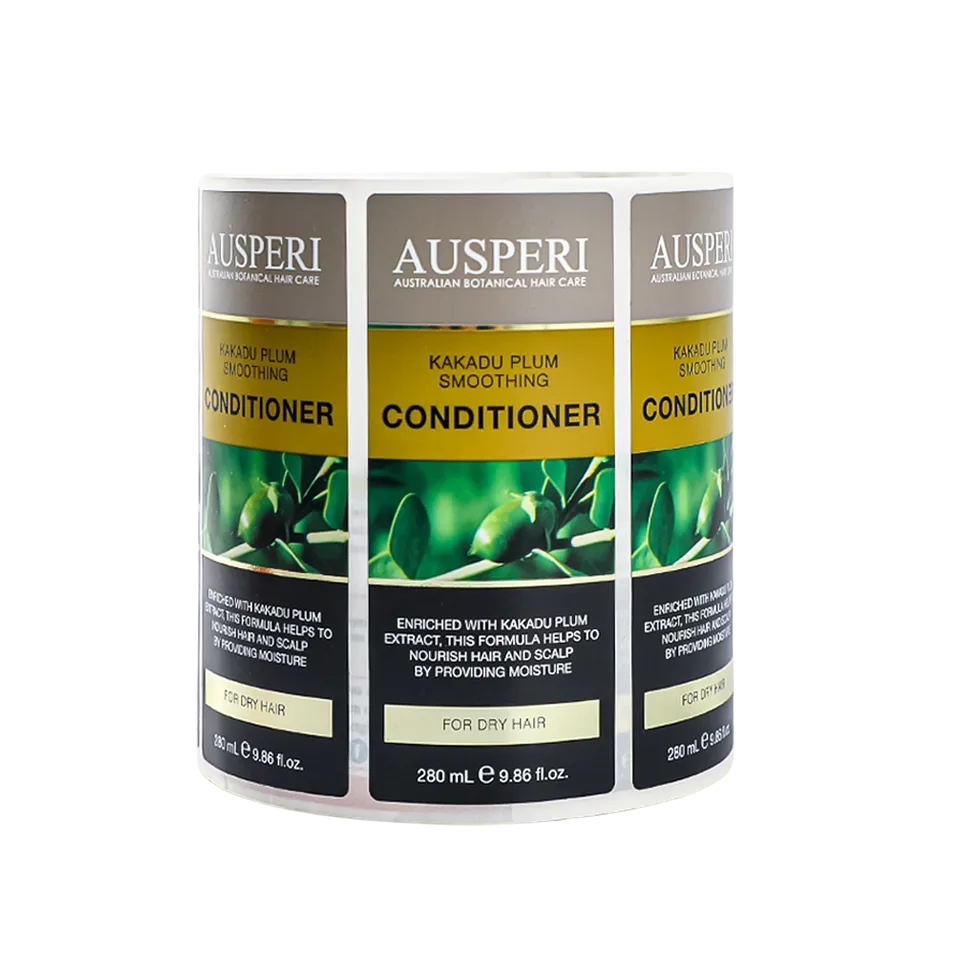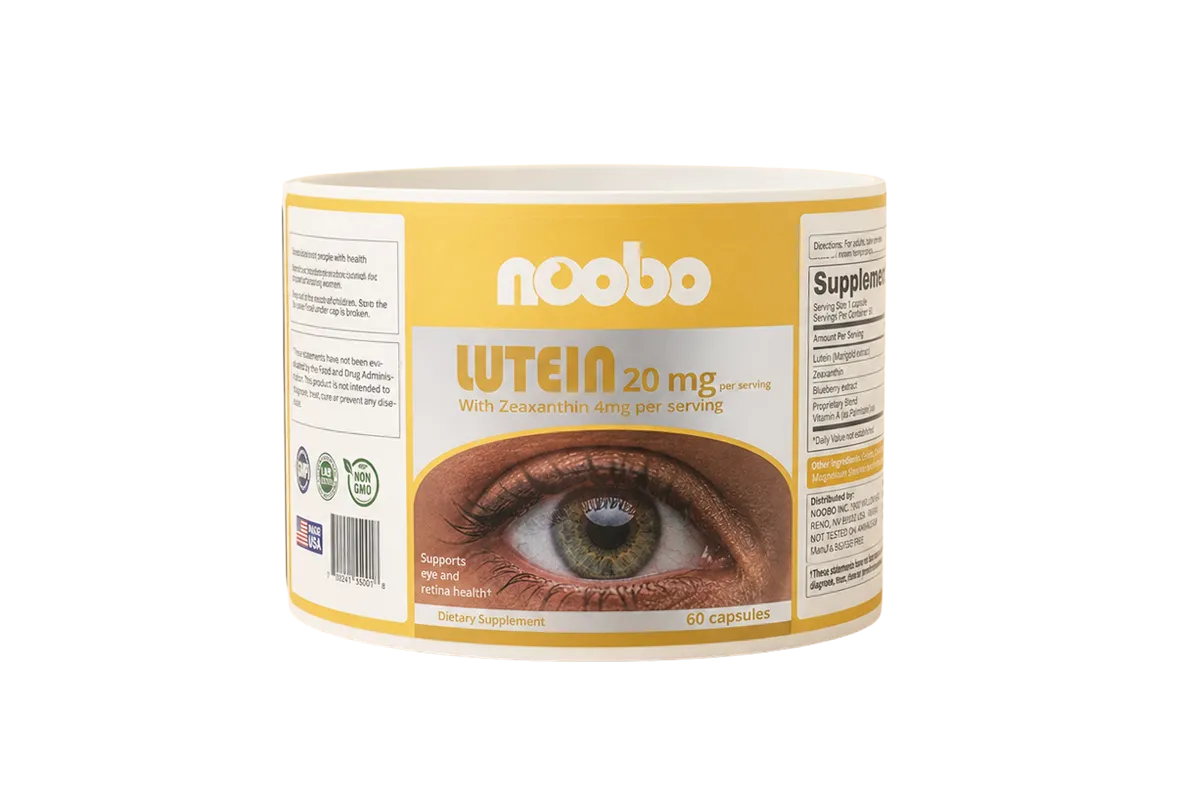
Supplement packaging has to do three jobs at once. It must protect the active ingredients, fit the shopper’s daily routine, and carry a label dense enough to satisfy both the regulator and the informed skeptic. The best packaging options for supplement products start from the format, not the design.
This guide compares the common formats, matches them to each delivery type, and weighs protection against convenience. It ends with the label space each format offers, because the format quietly decides how much compliance text fits on the pack.
Common Packaging Formats for Supplements
The supplement shelf runs on a small format list: bottles, jars, pouches, sachets, and blister packs, each with its own logic.
The list is short, but each format changes the protection, the routine, and the label program in its own distinct way, at its own distinct price point. The three sections below introduce the family.
Bottles and Jars
Bottles and jars are the category’s default choice: familiar, endlessly reusable, and roomy enough for a full, unhurried label program. The format suits daily-use products with long, multi-week consumption windows and steady repeat purchase cycles. The familiar shape also carries the trust signals that shoppers have long since learned to expect from supplements.
Pouches and Sachets
Pouches and sachets serve powders, single serves, and travel formats, with the pouch’s flexibility cutting the shipping weight per every unit. The format plainly favors convenience and portability over any lasting shelf presence. The label area is smaller, which pushes the design toward a bolder front panel and a much leaner back panel.
Blister Packs
Blister packs isolate each individual dose behind its own foil cavity, which suits clinical, travel, and compliance-oriented products alike. The format adds real tooling cost and genuine line complexity. The per-dose protection is the format’s whole argument, and it wins wherever strict dosing discipline genuinely matters. The three formats together cover the whole shelf, and most established brands run two of them in parallel.
Bottles, Jars, Pouches, Sachets, and Blister Packs Compared
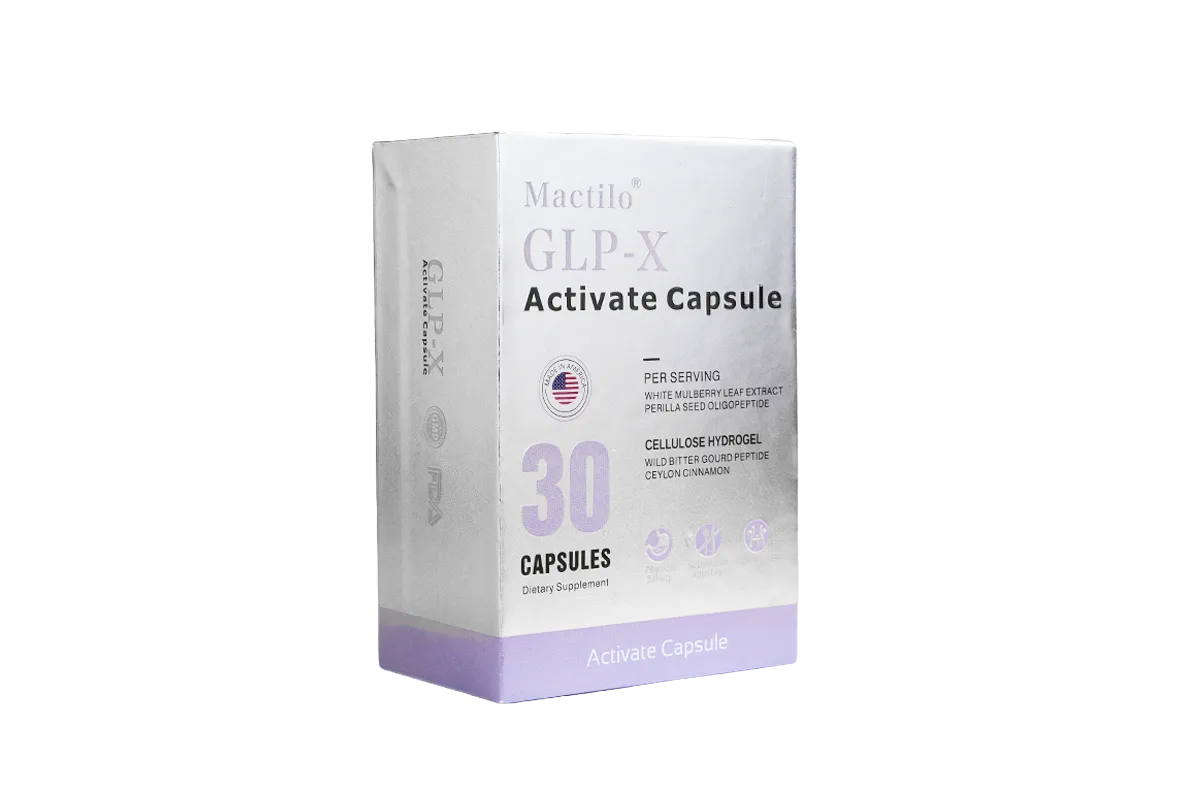
The formats differ on four axes: protection, convenience, cost, and label space, and the product decides the weighting.
The comparison is the format decision made visible, and it rewards reading all four axes at the same time, never one at a time. The table below is the whole comparison laid out in one single view.
| Format | Protection | Convenience | Label Space |
|---|---|---|---|
| Bottle | Strong with seal | Daily use, familiar | Large wrap |
| Jar | Strong with seal | Wide mouth for scoops | Wraparound or pair |
| Pouch | Barrier films | Light, resealable | Flexible panel |
| Sachet | Per-dose barrier | Single serve, portable | Small front only |
| Blister | Per-dose isolation | Dose discipline | Board or foil panel |
Reading the Table
The table reads as a trade-off map: protection and convenience rarely peak in the same format, and label space follows the available surface area of the pack. The product’s own delivery type then picks the winner. The sections below apply the map to each delivery form.
Matching Packaging to Capsules, Tablets, Powders, and Gummies
The delivery type dictates the format: capsules and tablets want bottles, powders want tubs or sticks, gummies want jars.
The delivery type is the first question, and it answers most of the format debate all by itself. The three sections below run through the main forms.
Capsules and Tablets
Capsules and tablets go into bottles with induction seals and desiccant-friendly closures, the one format that protects both the count and the potency at once. The bottle remains the category’s central trust object, and the label carries that trust. The label wrap carries the Supplement Facts panel and the dosing details at their full, comfortably readable size, with room to spare.
Powders
Powders split between large tubs for the pantry and stick packs for the gym bag. The tub carries the full label, and the stick carries just the essentials, plus a scannable code. The tub’s label space is the format’s great advantage. The split lets one single product serve two completely different daily routines.
Gummies and Softgels
Gummies need wide-mouth jars with labels tough enough for repeated opening and greasy fingers, while softgels quietly share the plain bottle format with capsules. The gummy jar’s label has to survive all of that repeated handling. The format follows the product’s texture as much as its chemistry, and the label follows the format’s worst possible surface, not its best.
Supplement Packaging Matched to Your Formula
Product Protection, Shelf Life, and Consumer Convenience

Protection and shelf life come from the seal and the barrier, while convenience comes from the closure and the format.
This section is where the format choice truly earns its keep, because a supplement’s promise is only ever as good as its packaging’s actual protection. The three checks below weigh the trade-offs.
Barrier and Seal Protection
The seal keeps air and moisture out, and the barrier film or amber glass keeps light and oxygen away from the active ingredients. The two protection layers together set the full achievable shelf life of the product. The packaging’s protection story is the supplement’s potency story, and the label states the storage conditions that help protect it, all in plain everyday language.
Shelf Life and Expiry
Supplements carry expiry dating tied to the packaging’s barrier performance, with the date itself printed as variable data on the label or on the carton. The date field is therefore always part of the label spec, sitting in its own fixed position. The packaging decision and the dating decision are really the same decision, made once and together, and then rechecked at every single reformulation.
Convenience in Daily Use
Convenience lives in the closure: wide mouths for scoops, flip caps for one hand, resealable pouches for the bag. The convenience feature is chosen for the shopper’s actual daily routine, never for the brand’s untested assumption about that very routine. The format that fits the routine is the format that gets bought twice, and then reordered again and again on subscription.
Label Space and Customization Across Supplement Formats
Label space decides how the compliance text is treated: big formats carry it comfortably, small formats push it out.
The label program is the format’s second life, because the available surface area decides how the Supplement Facts panel and the brand share the space. For the panel-first layout on collagen products specifically, see our article on collagen supplement labels. The three sections below size the program per format.
The Supplement Facts and the Format
The Supplement Facts panel needs its minimum type size, and the format’s label space decides whether that panel fits comfortably or crowds the brand. Bottles and tubs fit it easily enough; sachets and sticks push it out to the outer carton. The format and the compliance text are therefore always chosen together. For the label-size side of that equation, see our article on standard label sizes, which covers the measurement method in full.
Customization by Format
Each format customizes differently: bottles and jars take wrap labels, pouches take flexible panels, and blisters take printed board or printed foil. The customization follows the surface shape. The brand system stays constant across formats, and the layout adapts to each surface in turn, without ever once losing the overall family resemblance.
The Multi-Format Program
Multi-format programs, a tub, a stick, and a carton for one single product, need the template system that keeps them reading as one brand. The template locks the hierarchy across all formats in the entire program. For the trend context around these choices, see our article on emerging trends in supplement packaging, which covers the direction the category is moving.
Häufig gestellte Fragen
What does “USP certified” mean?
A USP verified mark means an independent body has tested the product against the US Pharmacopeia’s quality standards for identity, strength, and purity. It is a quality assurance mark, not a government approval. On packaging, the mark prints only where the certification exists, and it is one of the trust signals supplement buyers look for.
What are vitamins made of?
Vitamins are organic compounds, some sourced from foods and plants and many produced synthetically to match the natural molecules, with minerals being inorganic elements. The supplement label lists them by name and amount. The packaging’s job is to keep those compounds stable, which is why barrier and seal choices matter.
What are red flags for supplements?
Red flags include outlandish claims, missing or unclear Supplement Facts panels, undisclosed ingredients, and unverifiable quality marks. The label and its claims are the shopper’s first screening tool. A label that hides its details signals the same caution the product’s marketing tries to overcome.
Are 4 year old vitamins still good?
Vitamins past their expiry date are not recommended for use, because potency can decline beyond what the label states. The expiry date is a quality promise tied to the packaging’s barrier. Well-sealed packaging extends the window, but the printed date remains the guidance.
Is it okay to take 2 year old vitamins?
Vitamins two years past their expiry have likely lost potency, and the standard advice is not to rely on them for their labeled amounts. The expiration reflects the packaging’s protective window. The label’s date field exists exactly so this question has a printed answer.
How long can you use supplements after they expire?
The general guidance is to stop at the expiry date, because potency and quality are only assured to that point. The date is set from stability testing on the packaged product. The packaging and the dating work together, which is why the format choice includes its barrier performance.
What vitamin has the longest shelf life?
Minerals generally outlast vitamins because elements do not degrade the way organic compounds do, with tablets often lasting longer than softgels or gummies. The format and the barrier extend any product’s window. The expiry date still governs, whatever the ingredient’s reputation.
Does vitamin D expire?
Ja, vitamin D products carry expiry dates and decline in potency over time, especially in softgel or liquid forms exposed to light and air. The packaging’s amber glass or barrier film slows that decline. The printed date is the product’s own quality promise, and it governs use.
How long does B12 last after the expiration date?
B12 can retain some potency past the printed date when stored well, but the label’s stated amount is only assured to the expiry. The date reflects the packaging’s protective window. The storage conditions on the label are part of that window, which is why the label and the format are specified together.
Which two vitamins should not be taken together?
Combinations vary by source, with calcium and iron being one pair often advised to take separately because they can compete for absorption. The dosing guidance belongs on the label where the product’s form makes it relevant. The label’s directions block is where such timing advice prints, at the format’s chosen size.
What is the best time of day to take multivitamins?
The common advice is to take multivitamins with a meal, often at breakfast, because food helps absorption and reduces stomach upset. The product’s own label carries its specific directions. The label’s directions block is where the timing guidance prints, which is why the format’s label space includes room for it.
Conclusion
Supplement packaging succeeds when the format matches the delivery type. The seal and barrier protect the actives, and the label space carries the compliance text that the product actually requires, at readable size. The format is not a design choice first; it is a protection and routine choice, and the design simply follows along behind it.
For supplement brands choosing packaging formats, Meikei prints labels and cartons across bottles, jars, pouches, and blisters, with Supplement Facts precision maintained on every single format in the range.