Sourcing the wrong vinyl labels for automated packaging lines leads to immediate applicator jamming and expensive production downtime.
This post benchmarks roll-fed films and individual decals against the Industry Standard. We evaluate face stock thickness and adhesive formulations to help you secure a scalable result.
What Is the Difference Between Vinyl Labels and Vinyl Stickers?
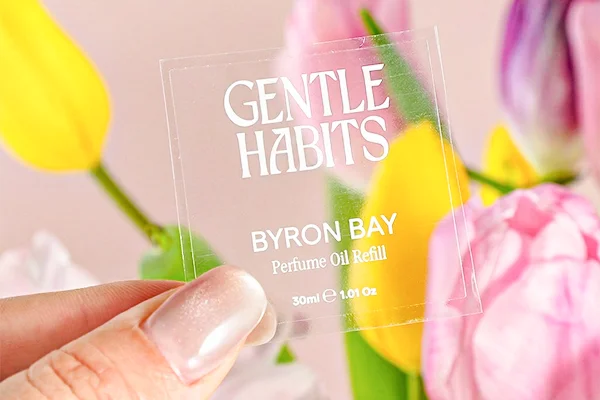
Vinyl labels are thin, roll-fed components engineered for automated product packaging, while vinyl stickers are thick, individual pieces built for manual promotional display on diverse surfaces.
Are you paying for premium die-cuts when your automated packaging line actually needs high-speed rolls? Understanding the structural difference between vinyl labels and vinyl stickers keeps your production line running without budget-draining raw material mismatches.
How Vinyl Label Construction Differs From Vinyl Stickers
Form follows function in industrial print runs. Material thickness, face stocks, and finishing options dictate how each product behaves under physical stress during application and storage.
- Face Stock Thickness: Labels utilize thinner, highly conformable polymer films to wrap smoothly around curved packaging without lifting, whereas stickers employ thicker, rigid vinyl for a premium hand feel.
- Outdoor Durability: Stickers prioritize long-term outdoor performance, combining robust UV-resistant inks with protective gloss or matte laminates to withstand sun, rain, and physical abrasion.
- Print Legibility: Manufacturers engineer label face stocks for high-resolution printing of variable data, الرموز الشريطية, and ingredients, while designing stickers for high-impact branding graphics.
- Application Format: Label rolls feature uniform liners calibrated for precise sensor detection on high-speed automated packaging lines, while stickers are constructed as individual die-cut pieces for manual consumer placement.
How Adhesive and Backing Formats Differ
Adhesion mechanics must align with the target substrate. A mismatch here leads to edge-lifting on curved surfaces or adhesive failure in extreme temperatures.
- Adhesive Formulation: Label adhesives are highly specialized for specific applications, utilizing freezer-grade, cold-temperature, or food-safe formulas tailored to known container materials.
- Surface Compatibility: Stickers rely on strong, universal pressure-sensitive adhesives designed to bond reliably across many unknown surfaces, including painted metal, glass, plastic, and laptops.
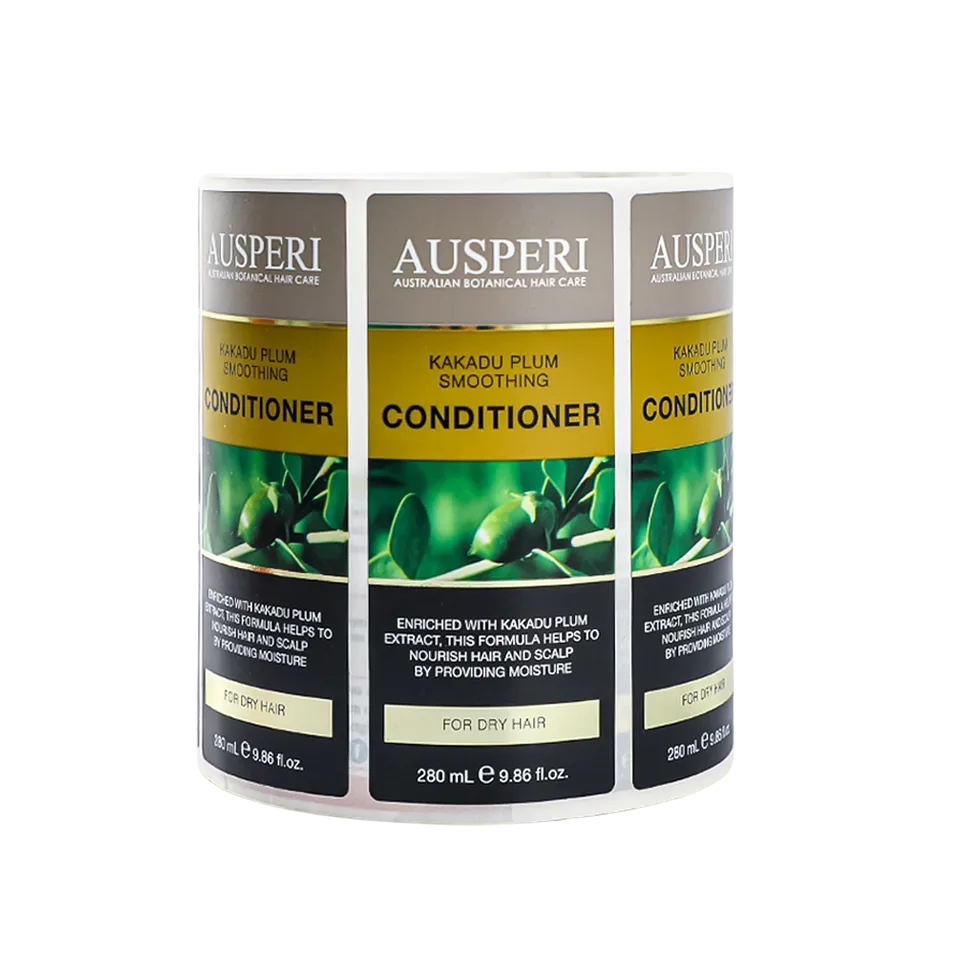
- Liner Mechanics: Suppliers package labels on continuous rolls wound on standardized cores for automatic dispensing, whereas they deliver stickers as individual pieces with crack-and-peel backing slits for easy manual peeling.
Where Are Vinyl Labels Commonly Used?
Vinyl labels secure product branding across high-moisture, oily, and heated environments where standard paper alternatives fail.
To understand why certain products maintain pristine branding on retail shelves, we must look at where vinyl labels are commonly used across modern packaging workflows. Paper labels quickly degrade when exposed to moisture or frequent handling, prompting manufacturers to rely on heavy-duty films for primary packaging.
Vinyl Labels for Bottles, Jars, and Product Packaging
Containers face harsh conditions during shipping, storage, and customer use. Applying the right film ensures the packaging remains legible and visually striking throughout the product lifecycle.
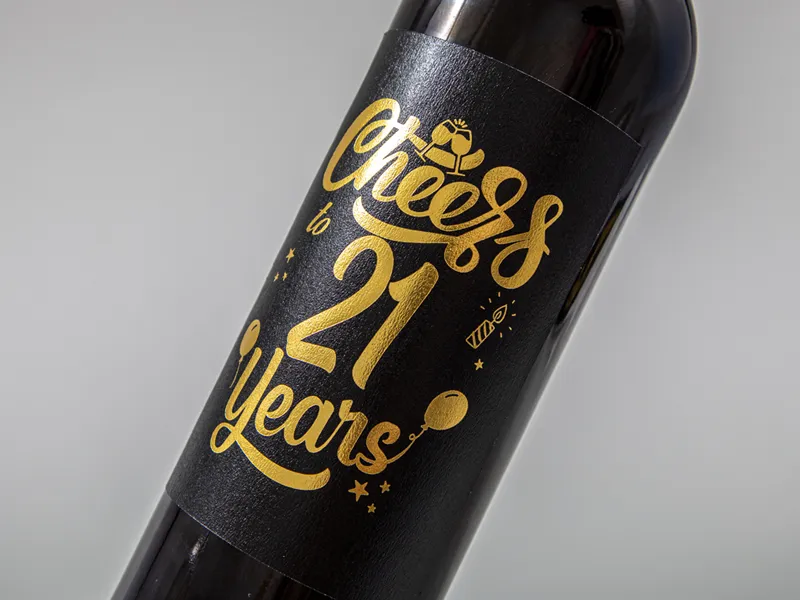
- Bottles: They adhere securely to glass, plastic, and metal bottles. The material resists condensation, low-pH liquids, and frequent handling without bubbling or peeling.
- Jars: They provide reliable adhesion on glass and plastic jars for foods, cosmetics, and candles. This maintains a tight bond despite exposure to humidity, oils, or moderate heat.
- Secondary Packaging: They protect branding on retail boxes, pouches, and outer wraps by resisting scuffs, substrate flexing, and environmental moisture.
Vinyl Labels for Beauty, طعام, المشروبات, and Candle Products
Different industries present unique chemical and thermal challenges. Vinyl formulations adapt to these specific demands to keep critical regulatory data and branding intact.
- جمال, Skincare, and Haircare: They serve as a durable solution for beauty, skincare, and haircare packaging. The waterproof and oil-resistant properties prevent smudging from cosmetic ingredients and soapy water.
- Food and Beverage: They withstand the demanding cold storage, ice bucket immersion, and greasy kitchen handling typical of food and beverage packaging.
- Candles: They deliver essential heat resistance up to 80°C for container candles. This ensures safety warnings and brand graphics remain intact as the glass warms during use.
Premium Custom Labels Engineered to Sell
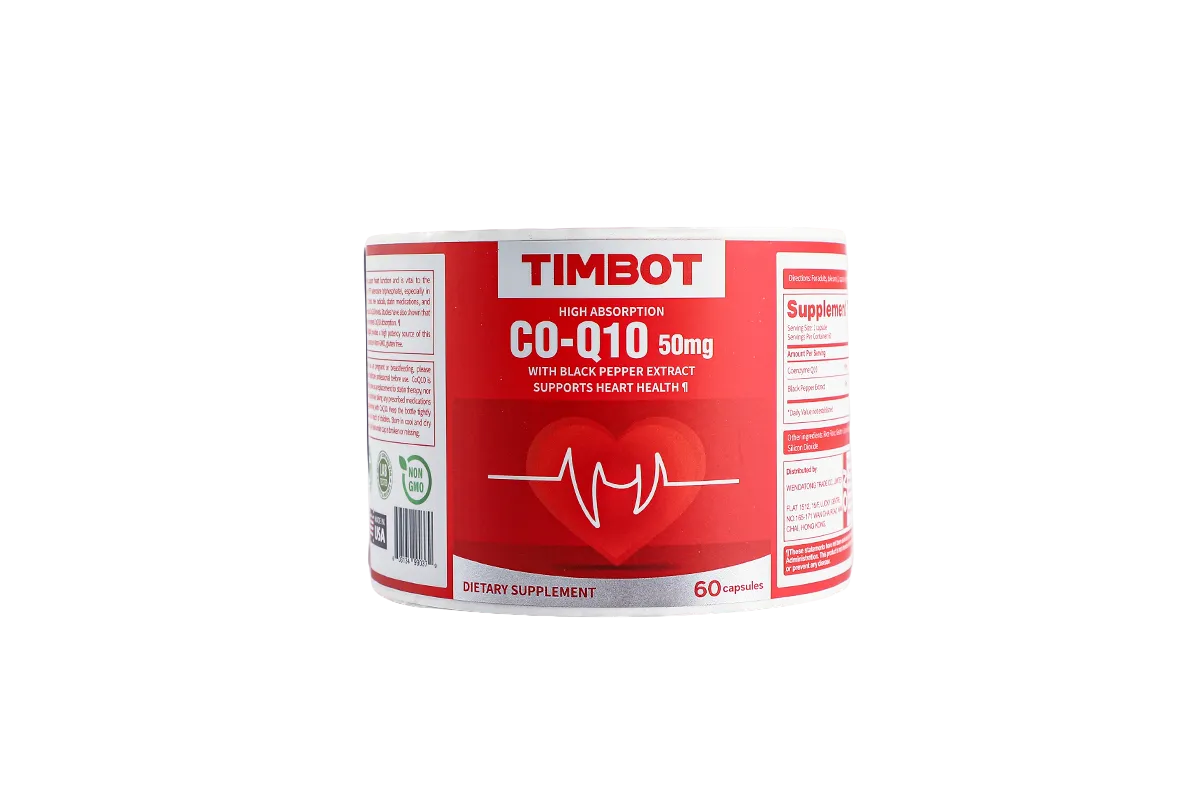
Where Are Vinyl Stickers Better Suited?
Vinyl stickers excel in high-contact, mobile, and outdoor environments where thick materials, universal adhesion, and long-term weatherproofing outperform standard product labels.
Selecting vinyl stickers instead of paper or thin films depends entirely on where the graphic ends up. While structured labels excel on controlled packaging lines, stickers must survive unpredictable handling on highly mobile surfaces.
Promotional Stickers and Brand Giveaways
Handing out promo materials requires a substrate that people actually want to keep. If your branding piece tears or fades within a week, it represents wasted marketing spend.
- Premium Brand Impression: Thick material and professional finishes turn everyday giveaways into high-value, long-term brand assets.
- Mobile Surface Durability: Survives regular handling, احتكاك, and environmental shifts on personal items like laptops, skateboards, and phone cases.
- Versatile Marketing Distribution: Functions as high-impact trade show swag, retail packaging inserts, or outdoor-ready street marketing decals.
- Extended Campaign Lifespan: Secures ongoing brand exposure for years, whereas paper alternatives quickly degrade and require replacement.
Investing in durable PVC-based promos ensures your logo remains clean and visible on customer-owned gear for years.
Stickers for Merchandise and General-Purpose Surfaces
Commercial merchandise requires robust physical performance. When customers buy branded gear, they expect the graphics to match the physical lifecycle of the product.
- Drinkware and Bottle Performance: Resists condensation, ice water, and regular washing when applied to commercial tumblers, mugs, and water bottles.
- Vehicle and Outdoor Mobility Decals: Endures wind, UV exposure, and heavy weather for up to five years on car windows, bicycles, and helmets.
- Heavy-Duty Equipment Identification: Maintains strong adhesion and legibility on tools, warehouse bins, and machinery exposed to grease, dirt, and abrasion.
- Flexible Non-Porous Adhesion: Conforms easily to curved or irregular profiles on glass, metal, plastics, and coated wood without lifting or wrinkling.
Using high-tack, universal adhesives allows these decals to hold fast to raw metals, finished plastics, and glassware without peeling at the corners.
How Do Vinyl Labels and Stickers Compare in Performance?
Vinyl films resist moisture and handling wear far better than paper, providing multi-year durability on curved or smooth surfaces when applied and stored correctly.
When your product packaging faces wet environments or rough transit, choosing between vinyl labels and stickers dictates whether your branding survives or disintegrates. Standard materials fail under physical stress, but vinyl brings industrial-grade endurance to everyday products.
Moisture, Handling, and Surface Conditions
Environmental exposure quickly exposes the weaknesses of standard paper. Evaluating how material limits impact real-world use reveals several key performance advantages for plastic-based stocks:
- Moisture Resistance: Vinyl utilizes a plastic film base that naturally resists water absorption, making it highly effective against rain, splashing, condensation, and hand washing.
- Handling Wear: The plastic construction resists scuffing, tearing, and smearing under repeated handling, easily outperforming standard paper stickers.
- Surface Compatibility: Optimal adhesion requires clean, dry, and smooth surfaces like glass or metal, although flexible vinyl conformability allows it to wrap around moderate curves.
Application Format, Storage, and Durability Requirements
Protecting your material investment requires adhering to strict application and storage guidelines, which directly impact the ultimate service life of your labels:
- Application Format & Temp: Available in sheets, rolls, or die-cut formats, vinyl labels bond best when applied between 60–80°F (15–27°C) and allowed to cure for 24 hours.
- Storage Conditions: Unapplied vinyl requires climate-controlled storage around 18–24°C and 40–60% relative humidity to prevent edge curling and adhesive degradation.
- Durability Lifespan: An unlaminated vinyl label typically lasts 3–5 years outdoors, while adding a UV-protective overlaminate extends its service life to 5–7 years under harsh environmental exposure.
Which Should You Choose for Your Product?
Choose thin, high-adhesion vinyl labels for regulated packaging, and thicker, highly durable vinyl stickers for versatile, customer-facing brand promotion.
Selecting the wrong packaging material can ruin your product presentation. Deciding between vinyl labels and vinyl stickers comes down to identifying whether you need high-volume, compliant product identification or customer-driven promotional reach.
| Aspect | Vinyl Labels | Vinyl Stickers |
|---|---|---|
| Primary Purpose | Regulatory, safety, and product identification on known containers | Promotional, decorative, and highly visual branding campaigns |
| Material Base | Conformable 4-8 mil PVC film optimized for machine application | Thicker premium vinyl with robust tactile feel and overlaminate |
| Adhesive Focus | Permanent high-tack formulas engineered for specific substrates | Universal pressure-sensitive bonds for diverse end-user surfaces |
Choosing Vinyl Labels for Controlled Packaging Applications
Regulated industries require identification that maintains absolute legibility under physical stress. If your product faces cold storage, chemical exposure, or high-speed bottling lines, you need an engineered packaging solution rather than a general-purpose decal.
- Application Focus: Use this option for regulatory, safety, and traceability requirements where legible text must survive moisture, chemicals, and temperature extremes.
- Material Build: Features a robust 4-8 mil PVC base material paired with strong permanent adhesives to prevent peeling, bubbling, or edge-lifting.
- Temperature Resistance: Maintains adhesive hold and print legibility in environmental conditions ranging from -10°C to +90°C.
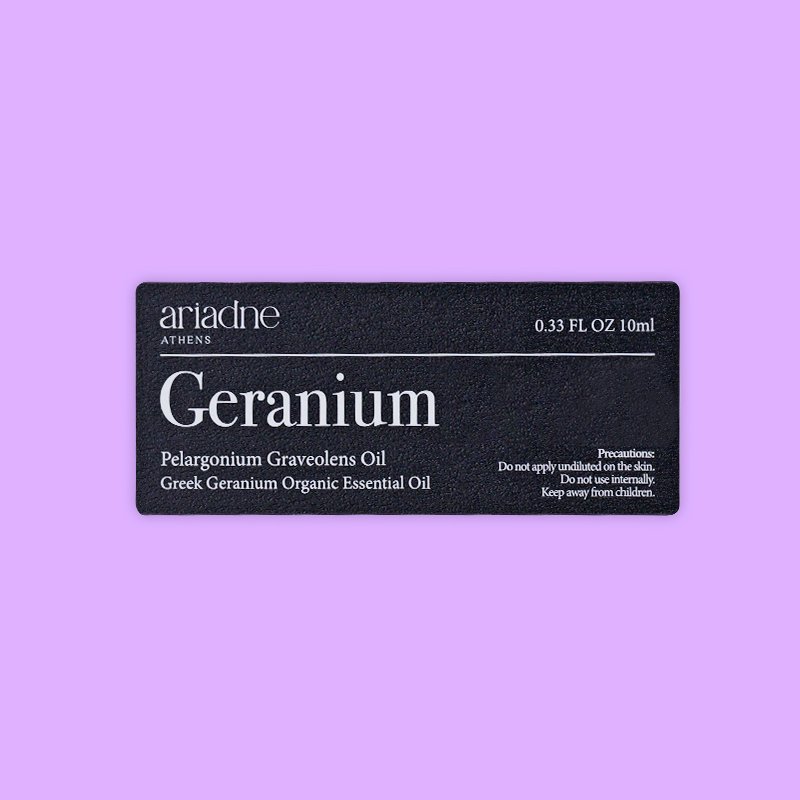
- Common Substrates: Highly compatible with squeezable cosmetic tubes, chemical containers, refrigerated food or beverage jars, and heavy industrial equipment.
Choosing Vinyl Stickers for Flexible Branding Applications
When your goal shifts from compliance to customer interaction, thicker vinyl stickers serve as mobile billboards. We design these graphics to capture attention, offer a premium hand-feel, and adhere to whatever surface your customer chooses.
- Campaign Focus: Deploy this format for promotional, decorative, and agile marketing campaigns that require high visual impact.
- Aesthetic Finishes: Supports vibrant full-color printing with specialty gloss, matte, or metallic laminate coatings to maximize brand impressions.
- Adhesive Flexibility: Choose permanent adhesives for long-term customer gear placement or clean-release removable adhesives for seasonal packaging updates and window displays.
- Common Substrates: Optimizes placement on customer laptops, water bottles, vehicles, sports gear, and secondary packaging boxes.
Evaluating these physical demands before you send your designs to print ensures your branding remains intact throughout the product lifecycle. Balancing the technical stability of labels with the promotional power of stickers creates a unified packaging strategy.
الأسئلة المتداولة
What is the difference between vinyl labels and vinyl stickers?
Vinyl labels carry branding and product information on packaging, using thin films supplied on rolls or sheets that fit automated labeling lines. Vinyl stickers serve as promotional or decorative items, featuring thicker face stocks and strong, universal adhesives to stick to diverse consumer surfaces like laptops and vehicles.
Can you use vinyl stickers as product labels on packaging?
نعم, you can apply vinyl stickers to packaging if the adhesive matches your container material and the thick film conforms to the surface without lifting. For commercial production, we recommend roll-format vinyl labels because they run smoothly through high-speed automated applicators.
Are vinyl labels waterproof and suitable for bottles?
نعم, vinyl labels resist water completely because plasticized PVC and polypropylene do not absorb moisture. They withstand refrigeration, heavy condensation, and ice-bucket immersion without peeling or smudging, which makes them ideal for beverage and cosmetic bottles.
What surfaces do vinyl labels and stickers stick to best?
They bond best to smooth, clean, dry, and nonporous surfaces including glass, metal, hard plastics, and sealed wood. Textured surfaces, powder-coated metals, and low-surface-energy plastics like polypropylene require specialized high-tack adhesives to prevent edge-lifting.
Are vinyl labels cheaper than vinyl stickers?
نعم, vinyl labels cost less per unit than vinyl stickers. Roll-based manufacturing and standardized shapes reduce material waste and production time for labels, but individual die-cut promotional stickers require extra handling, heavier face stocks, and specialized cutting processes.
Do manufacturers supply vinyl labels on rolls with custom die-cutting?
نعم, manufacturers routinely produce vinyl labels on rolls, typically utilizing standard three-inch cores that fit industrial packaging machinery. You can also customize the roll labels with precise contour die-cutting to match unique packaging panels or custom shapes.
Final Thoughts
While cheap, generic adhesives offer lower upfront costs, manufacturing your packaging materials to our strict Quality Factory Standard is the only way to safeguard your brand reputation against peeling, bubbling, and costly production line jams.
Matching the exact film thickness and adhesive formulation to your packaging line ensures consistent high-speed application and long-term shelf appeal.
Test physical material samples on your containers and application machinery to verify performance firsthand. Our team provides custom prototyping and specialized OEM specifications to align with your automated machinery or manual marketing workflows. Contact our technical specialists to request a tailored sample pack or to review our full material catalog.