Recycled paper is the most accessible and cost-effective eco-friendly label material available today — but not all recycled paper is created equal. Labels made from 100% post-consumer waste (PCW) paper look and perform differently from those using 30% recycled content, and the distinction matters for both branding and regulatory compliance.
According to the US Environmental Protection Agency (EPA), using recycled paper instead of virgin paper reduces energy consumption by 40%, water usage by 50%, and air pollution by 60%. These are significant environmental gains that resonate with eco-conscious consumers and retail partners.
This guide covers the types of recycled paper used in labels, how PCW content affects print quality and durability, what certifications to look for (FSC Recycled, EPA compliance), and how recycled paper labels compare to virgin paper and alternative eco materials. By the end, you’ll know exactly which recycled label fits your product, your brand story, and your budget.
What Are Recycled Paper Labels?
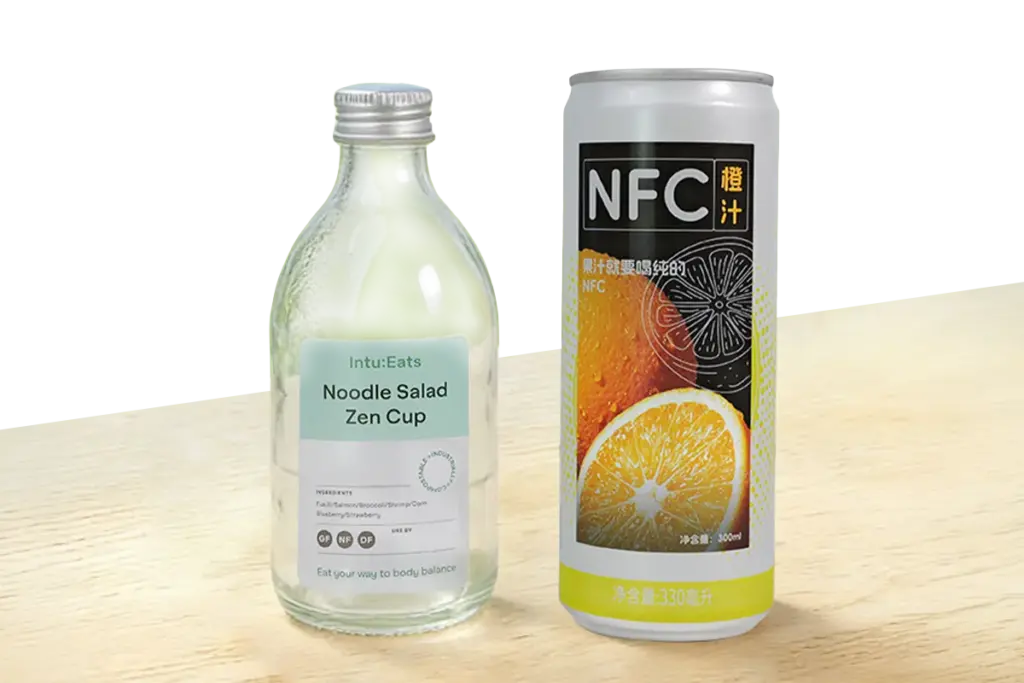
Recycled paper labels are pressure-sensitive labels whose face stock is manufactured from recovered paper fiber rather than virgin wood pulp. The recovered fiber comes from two primary sources: pre-consumer waste (mill broke — trimmings and offcuts from paper manufacturing that never reached the consumer) and post-consumer waste (PCW — paper that has been used, discarded, and collected through recycling programs such as office paper, newspapers, and magazines).
The higher the PCW percentage, the stronger the environmental claim. A label made from 100% PCW paper diverts actual consumer waste from landfills, while a label using only pre-consumer mill broke may have been recycled by the mill regardless of whether anyone bought “recycled” products.
Virgin paper labels use fiber sourced directly from trees. Recycled paper labels reduce demand for virgin fiber and lower the overall environmental footprint of your packaging. For most product labeling applications — jars, صناديق, bags, bottles — recycled paper performs identically to virgin paper in real-world use.
Recycled vs Recyclable
These two terms are frequently confused, even by experienced brand managers, and the difference has real implications for your environmental claims.
Recycled means the label material was made from previously used paper. The fiber content comes from the recycling stream. Recyclable means the label material can be collected and processed into new paper after use. A label can be recyclable without being recycled (virgin paper is recyclable), and a label can be recycled without being recyclable (some recycled composites cannot enter the recycling stream again due to adhesive contamination).
For brands making environmental claims, accuracy matters. The FTC Green Guides require that “recycled” claims specify the percentage of recycled content. Saying “recycled paper label” without qualification can be challenged if the actual PCW content is low. Meanwhile, “recyclable” claims require substantiation that recycling facilities in your product’s market actually accept the material.
| Attribute | Virgin Paper | Recycled Paper | Recyclable Label |
|---|---|---|---|
| Source | Fresh wood fiber | Recovered paper fiber | Can be virgin or recycled |
| PCW content | 0% | 30–100% | N/A (describes end-of-life) |
| Can be re-recycled | نعم | نعم (fiber shortens each cycle) | Must pass recycling stream test |
| Environmental claim | Lowest | Moderate to high | Describes potential, not origin |
| Typical cost | Baseline | +5–20% | Same as base material |
Types of Recycled Paper Used in Labels
Post-Consumer Waste (PCW) Paper
PCW is the gold standard for recycled labels. It comes from paper that consumers have actually used and returned to the recycling stream — office paper, newspapers, magazines, and old corrugated containers. PCW fiber has the highest environmental value because it diverts waste from landfills and reduces demand for virgin fiber.
Labels made from 100% PCW paper have a visible texture and slight off-white or grey tone that signals authenticity to eco-conscious consumers. The fiber is shorter and more porous than virgin fiber, which affects print absorption and surface smoothness. Most premium eco brands specify 100% PCW face stock for their strongest environmental story.
Pre-Consumer (Post-Industrial) Waste
Pre-consumer waste — also called mill broke — consists of paper trimmings, edge cuts, and off-spec material generated during paper manufacturing. This material never reached the consumer. While it is technically “recycled,” its environmental value is lower because it would likely have been recycled by the mill regardless.
Some suppliers use pre-consumer waste to inflate their recycled content percentages. A label described as “90% recycled” might be 90% pre-consumer mill broke and only 10% PCW. Buyers should ask specifically for PCW percentage, not just “recycled content,” to understand the true environmental impact.
Mixed-Source Recycled Paper
Many recycled label papers blend pre-consumer and post-consumer fiber to balance cost, performance, and environmental claims. A typical blend might be 30% PCW + 70% pre-consumer. These papers offer better print quality than 100% PCW (smoother surface, brighter white) while still carrying a legitimate recycled claim.
The key is transparency: specify the exact blend on your packaging or marketing materials to avoid greenwashing accusations. If your supplier cannot provide the PCW percentage breakdown, that is a red flag.
Performance Characteristics of Recycled Paper Labels
Recycled paper labels have distinct printing characteristics compared to virgin paper. The surface is typically more porous and slightly textured, which absorbs ink faster. This is excellent for soy-based and vegetable-based inks (which dry well on porous surfaces) but can reduce the sharpness of fine halftone dots and very small text.
Flexographic and digital printing both work well on recycled stocks. Offset printing delivers the best color fidelity on higher-PCW blends. For designs requiring photographic-quality images, a varnished or coated recycled stock may be necessary to achieve the desired sharpness.
Paper fibers shorten each time they are recycled. 100% PCW paper is therefore slightly weaker than virgin paper of the same weight. For label applications, this means lower tensile strength on thin stocks (تحت 80 gsm), reduced moisture resistance (recycled fiber absorbs water faster), and slightly lower tear resistance. For most product labeling applications — jars, صناديق, bags, bottles — these differences are negligible. For labels exposed to extreme moisture or abrasion, consider a water-based varnish or switch to a more durable eco material.
| Property | 100% PCW | 50% PCW | 30% PCW | Virgin Paper |
|---|---|---|---|---|
| Surface smoothness | Moderate | Good | Very good | Excellent |
| Brightness/whiteness | Off-white to grey | Light cream | Near-white | Bright white |
| Print sharpness | Good | Very good | Excellent | Excellent |
| Tensile strength | Moderate | Good | Very good | Excellent |
| Moisture resistance | Low | Low-Moderate | Moderate | Moderate |
| Eco-story strength | Strongest | Strong | Moderate | None |
| Cost premium | +15–25% | +8–15% | +5–10% | Baseline |
Certifications & Standards for Recycled Paper Labels
Unlike compostable labels (which require EN 13432 or ASTM D6400), recycled paper labels are governed by content verification standards and chain-of-custody certifications. The most important certifications ensure that the claimed PCW percentage is accurate and that the fiber was sourced responsibly.
| Certification | What It Verifies | Region | Key Requirement |
|---|---|---|---|
| FSC Recycled | 100% recycled content (post-consumer or mixed) | Global | Chain-of-custody audit; no virgin fiber allowed |
| FSC Mix | Blend of recycled + FSC-certified virgin fiber | Global | Minimum 70% FSC-certified or recycled content |
| EPA Compliance (US) | Meets Comprehensive Procurement Guidelines | US | Minimum 30% PCW for printing/writing paper |
| EU Ecolabel | Reduced environmental impact across lifecycle | EU | Minimum 90% recycled fiber; restricted chemicals |
| Blue Angel (Blauer Engel) | German environmental certification | EU/Germany | 100% recycled paper; no de-inking chemicals harmful to environment |
| SFI (Sustainable Forestry Initiative) | Responsible sourcing (includes recycled content track) | أمريكا الشمالية | Chain-of-custody + fiber sourcing verification |
FSC (Forest Stewardship Council) is the most recognized certification globally. For recycled labels, FSC Recycled is the highest tier — it guarantees 100% recycled content with full chain-of-custody tracking from the recycling facility through the paper mill to the label converter. Brands displaying the FSC Recycled logo on their packaging can make verified claims that resonate with eco-conscious consumers and retail buyers.
For more details on FSC certification programs, visit the official FSC website.
Recycled Paper Labels vs Alternative Eco Materials
Recycled paper is one of several eco-friendly label options available today. Here’s how it compares to other materials in the sustainable label range:
| مادة | Source | Best For | Durability | Cost | Compostable |
|---|---|---|---|---|---|
| Recycled Paper (PCW) | Recovered paper fiber | General product labels, صناديق, bags | Moderate | Low-Moderate | No (but recyclable) |
| Kraft Paper | Virgin or recycled unbleached fiber | Natural/organic branding, candles | Moderate | Low | نعم (if uncoated) |
| Bagasse (Sugarcane) | Sugarcane fiber waste | Textured organic look, food packaging | Moderate | Moderate | نعم |
| Bamboo Fiber | Bamboo plant fiber | Premium natural aesthetic | Moderate | Moderate | نعم |
| Cotton Paper | Textile waste / cotton linters | Luxury labels, soft white finish | Good | High | نعم (some) |
| PLA Film | Corn starch / sugarcane | Transparent labels, industrial composting | Good (moisture resistant) | High | نعم (industrial) |
Choose recycled paper labels when: (a) your product enters the recycling stream (not compost), (b) you want the strongest verified environmental claim at the lowest cost, (c) your brand story centers on waste reduction and circular economy principles.
Choose kraft paper when you want the natural brown aesthetic and unbleached appeal. Choose bagasse or bamboo when compostability is required and the product enters the organic waste stream. For more on kraft paper options, see our kraft paper labels guide.
الطباعة & Finishing Options for Recycled Paper Labels
All standard printing methods work with recycled paper labels, with some material-specific considerations:
Flexographic Printing — The most common method for medium-to-large runs, delivering consistent color on recycled stocks with soy-based inks. Flexo handles the slightly textured surface of PCW paper well and offers the best cost-per-unit for production runs over 5,000 labels.
Digital Printing — Ideal for short runs, prototypes, and variable data. Digital printing handles the slightly textured surface of PCW paper well and allows you to test designs before committing to larger flexographic runs. Minimum quantities start as low as 250 units with some suppliers.
Offset Printing — Provides the highest color fidelity and is recommended for complex designs with spot colors or fine typography on recycled stocks. Offset delivers the sharpest detail on higher-PCW blends (30–50% PCW) where the surface is smoother.
Soy and Vegetable-Based Inks — These have become the industry standard for eco labels of all types. They dry well on the porous surface of recycled paper and do not introduce petroleum-derived compounds into the recycling stream. Soy inks also make the paper easier to de-ink during recycling.
Recycled paper labels support several finishing options: Water-based varnish adds scuff and moisture resistance without compromising recyclability. Blind embossing creates three-dimensional texture through mechanical pressure alone, with zero ink or chemicals — the ultimate eco-luxury finish. Die-cutting works well on all recycled stocks, though the fiber may be slightly softer than virgin paper, so sharp tooling is recommended.
Avoid conventional plastic lamination,it makes recycled paper non-recyclable. If you need enhanced durability, use water-based coatings or switch to a compostable film lamination if the end product enters the compost stream.
When designing for recycled paper, account for the slightly textured surface: avoid very fine type (below 6pt), extremely thin lines (below 0.25pt), and large solid ink areas that may show uneven absorption. For a broader overview of how different eco materials affect print results, see our complete guide to sustainable label materials.
Common Mistakes to Avoid
Based on industry experience, these are the most frequent errors brands make when sourcing recycled paper labels:
- Claiming “100% recycled” when it’s only pre-consumer waste. Pre-consumer mill broke counts as recycled, but consumers interpret “recycled” as post-consumer. Always specify PCW percentage on your packaging and marketing materials.
- Ignoring the adhesive and liner. A recycled face stock on a non-recyclable adhesive and plastic liner undermines the eco story. Recycle-compatible adhesives and glassine paper liners are available — ask your supplier for the complete label specification.
- Using recycled paper for moisture-heavy applications. Recycled fiber absorbs water faster than virgin paper or PLA film. For products stored in refrigerators or exposed to condensation, add a water-based varnish or choose a more durable eco material like PLA film.
- Not specifying PCW percentage to your supplier. Without explicit PCW content, you cannot make accurate environmental claims. Request documentation with every order showing the exact PCW percentage.
- Designing for virgin paper specs on recycled stock. Recycled paper has different absorption, texture, and brightness. Adjust your design file — use larger type, slightly bolder lines, and account for the natural color shift toward off-white or cream.
- Skipping FSC certification. If your supplier offers FSC-certified recycled paper, use it. The certification adds minimal cost but provides verifiable credibility for your environmental claims and protects against greenwashing accusations.
التعليمات
What is the difference between recycled and post-consumer waste (PCW)?
Recycled is a broad term that includes any paper fiber recovered from the waste stream — both pre-consumer (mill broke) and post-consumer (used by consumers then recycled). PCW specifically refers to paper that has been used by consumers and returned to the recycling stream. PCW has higher environmental value because it diverts actual consumer waste from landfills. A label can be “recycled” with only 10% PCW, so always ask for the specific PCW percentage.
Can recycled paper labels be recycled after use?
نعم, recycled paper labels can typically be recycled again, though the fiber shortens with each cycle. Most recycled paper can be recycled 5–7 times before the fiber becomes too short to form new paper. The adhesive used matters: recycle-compatible adhesives are screened out during the paper recycling process and do not contaminate the stream. Conventional adhesives may cause issues. Always check with your supplier that the complete label system (face stock + لاصق + liner) is recycling-compatible.
Are recycled paper labels as durable as virgin paper labels?
For most product labeling applications, yes. Recycled paper has slightly lower tensile strength and moisture resistance than virgin paper of the same weight, but the difference is negligible for labels on jars, صناديق, bags, and bottles. For extreme conditions (high moisture, abrasion, outdoor exposure), consider adding a water-based varnish or switching to a more durable eco material like PLA film or bagasse.
What is the minimum PCW content needed to make an eco claim?
The FTC Green Guides in the US require that recycled content claims be accurate and substantiated. There is no minimum threshold, but claims below 30% PCW are generally not considered meaningful by eco-conscious consumers. The EPA’s Comprehensive Procurement Guidelines recommend minimum 30% PCW for printing and writing paper. For the strongest environmental story, specify 100% PCW or at minimum 50% PCW.
Can I print full-color designs on recycled paper labels?
نعم. Recycled paper labels support full-color process printing (CMYK) using flexographic, digital, or offset methods. The slightly textured surface of high-PCW stocks may reduce the sharpness of very fine halftone dots, but modern printing techniques handle this well. For photographic-quality images, consider using a 30% PCW stock (smoother surface) or adding a water-based coating to improve ink holdout.
Do recycled paper labels cost more than virgin paper labels?
Recycled paper labels typically cost 5–25% more than virgin paper labels, depending on the PCW percentage. Higher PCW content commands a higher premium due to limited supply and additional processing. The cost gap narrows with larger production volumes. For brands, the premium is often justified by the marketing value of credible environmental claims and the ability to meet retailer sustainability requirements.
How do I verify my supplier’s recycled content claims?
Request third-party certification documentation. FSC Recycled or FSC Mix certification provides independent verification of recycled content through chain-of-custody audits. Ask for the paper mill’s technical data sheet showing fiber composition. Legitimate suppliers will provide this documentation without hesitation. If your supplier cannot verify PCW percentage with documentation, treat the claim as unverified.
Sourcing Recycled Paper Labels: What to Ask Your Supplier
When evaluating recycled paper label suppliers, request the following documentation:
Exact PCW percentage — not just “recycled content.” Pre-consumer and post-consumer fiber have different environmental values. A supplier who says “90% recycled” without breaking down PCW vs pre-consumer is not being transparent.
FSC Recycled or FSC Mix certification with chain-of-custody documentation. This provides independent verification that the claimed recycled content is accurate and the fiber was sourced responsibly.
Paper mill data sheets showing fiber composition, brightness, surface smoothness, and recommended printing conditions. This information allows your design team to optimize artwork for the specific recycled stock.
Adhesive specification — is it recycle-compatible? Will it contaminate the paper recycling stream? Conventional pressure-sensitive adhesives can cause problems. Recycle-compatible adhesives are screened out during recycling and do not affect the quality of the recycled paper.
Liner options — glassine paper liners are curbside recyclable; traditional silicone-coated PET liners are not. For a fully recyclable label system, all three layers (face stock, لاصق, liner) must be recycling-compatible.
Shelf life and storage recommendations — recycled paper is hygroscopic (absorbs moisture from the air) and should be stored in cool, dry conditions. Proper storage prevents curling, wrinkling, and premature degradation. Typical shelf life is 18–24 months when stored correctly.
Making the Right Choice
Recycled paper labels offer the most straightforward path to credible eco-friendly packaging. They are cost-effective, widely available, printable with standard methods, and backed by internationally recognized certifications. For brands that want to reduce waste, support the circular economy, and make verified environmental claims, recycled paper is the starting point.
The brands that get this right earn genuine consumer trust, avoid greenwashing pitfalls, and contribute meaningfully to waste reduction. The brands that cut corners with vague claims risk reputational damage and regulatory scrutiny.
Explore our full range of eco-friendly and natural labels or read the complete guide to sustainable label materials for more options across all material types. If compostability is a requirement for your product, see our compostable vs biodegradable labels guide for certification details and material comparisons.