If you source labels for products sold in Europe, 2026 is the year plastic quietly became your problem. The EU’s Packaging and Packaging Waste Regulation (PPWR) came into force in August 2026, introducing recyclability grading for packaging — and labels are part of that assessment. Brands exporting to the EU now face hard questions about whether their packaging components, including the label on every unit, fit into real recycling streams.
Here is the uncomfortable part: most buyers have no idea where the plastic in their labels actually hides. A label that looks and feels like paper can carry plastic in three separate places — the facestock coating, the adhesive, and the release liner. Remove any one of them incorrectly and your “paper label” claim collapses under scrutiny.
This guide walks through the full structure of a plastic-free label: which natural materials replace plastic facestocks, how adhesives and liners make or break the claim, what you can legally say on pack, and how to order without paying for performance you don’t need. For the broader material landscape, start with our complete guide to sustainable label materials.
What Are Plastic-Free Labels?
A plastic-free label contains no synthetic polymer in any of its three functional layers: the facestock you print on, the adhesive that bonds it, and the release liner it ships on. That definition matters because most eco label conversations only cover the first layer.
Buyers routinely confuse three related but distinct claims:
- Plastic-free means no plastic in the build. It says nothing about how the label breaks down.
- Biodegradable means microorganisms can eventually break the material down, with no defined timeline in most markets.
- Compostable means the label breaks down within a defined standard — typically EN 13432 in Europe or ASTM D6400 in the US — and leaves no toxic residue.
A label can be plastic-free without being compostable, and compostable labels almost always happen to be plastic-free. Understanding the difference is not academic: each claim carries different evidence requirements, and mixing them up on packaging is exactly what new green-claims enforcement targets. We break down the compostable side in detail in our compostable vs biodegradable labels guide.
The commercial driver is simple. Under the PPWR, packaging is graded on recyclability, and labels that contaminate the recycling stream of the packaging they sit on drag the whole unit down. A plastic-free label built for recycling compatibility protects both the claim and the grade.
Where Plastic Hides in a “Paper” Label
Most buyers audit their label’s facestock and stop there. Plastic can enter at three points:
Facestock coatings and lamination
Gloss or matt lamination is a plastic film bonded over the printed surface. Coated papers carry a mineral-and-latex coating that improves print quality but adds synthetic content. Even many “kraft” stickers are coated. If you want a genuinely plastic-free facestock, specify uncoated stock in writing and confirm the spec sheet lists no lamination or film varnish.
Adhesives
Conventional pressure-sensitive adhesives are typically solvent acrylics — synthetic polymers that stay on the bottle after the paper fades away. In a recycling facility, label adhesive that does not separate cleanly from the container contaminates the reclaimed material. This is why wash-off and recycle-compatible adhesive systems exist: they are engineered to release during the recycling process instead of fouling it.
The release liner
The liner is the label industry’s biggest hidden waste stream. Standard liners are paper or film coated with silicone, and silicone-coated film liners cannot go in curbside recycling. For every roll of labels applied, an equal weight of liner is produced — and most of it lands in landfill. Recycled, curbside-recyclable paper liners exist but are still not the default from every converter, so ask.
| Label Layer | Conventional Build | Plastic-Free Alternative |
|---|---|---|
| Facestock | Film-laminated or coated paper | Uncoated bamboo, bagasse, cotton, or PCW paper |
| Adhesive | Solvent acrylic | Vegan water-based or bio-based adhesive |
| Release liner | Silicone-coated film or paper | Recyclable paper liner (confirm availability) |
Natural Label Materials Compared
Three natural facestocks dominate the plastic-free category, and each has a distinct personality. The right choice depends less on which is “most sustainable” and more on where the label lives and what your brand needs it to feel like.
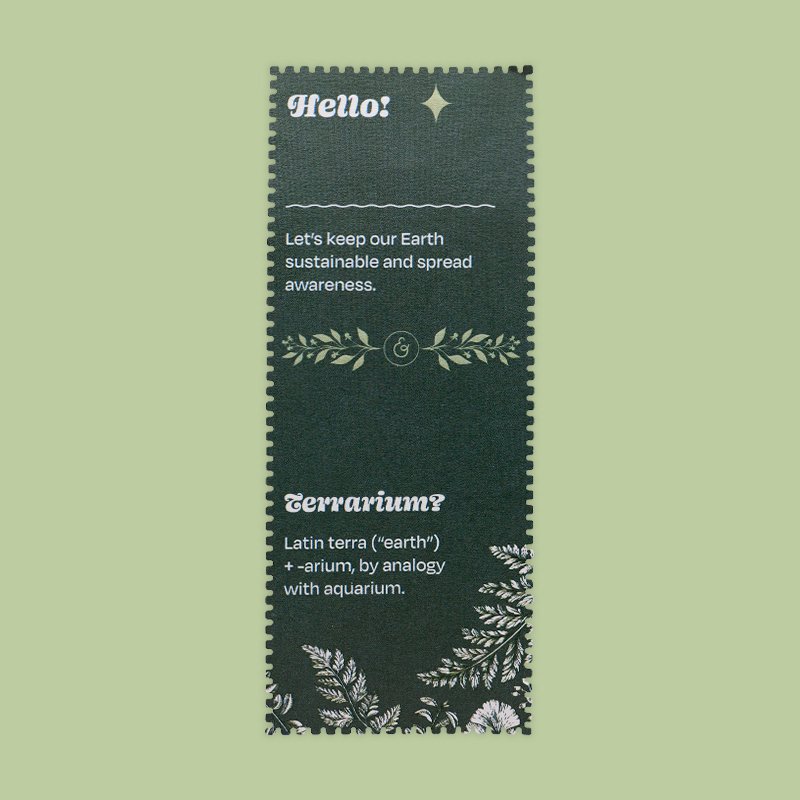
Bamboo Fiber Labels
Bamboo is a grass, not a tree, and harvest cycles of three to five years make it one of the fastest-renewing fiber sources in commercial paper production. Regulatory momentum in Asia around bamboo-for-plastic substitution has pushed supply quality up and prices down over recent years.
On the press, bamboo paper prints with a fine, consistent grain and holds crisp text well in both flexo and digital. The natural cream tone suits brands that want an organic look without the rustic brown of kraft. Its fiber structure handles moderate humidity better than many tree papers, which makes it a strong pick for skincare, tea, and premium food where the label sits in a bathroom or kitchen.
Bagasse Labels
Bagasse is the fibrous residue left after sugarcane is crushed — a byproduct that would otherwise be burned. Turning it into paper gives an annual waste stream a second life, and sugarcane regrows every year, so the renewal story is as fast as it gets.
Bagasse paper has a warm off-white tone with a faint natural speckle that reads as honest and handmade. It takes ink well for its price point, though very fine reversed-out text can soften slightly at the edges. Brands in organic food, bakery, and candles use it to signal natural credentials at a friendlier price than cotton.
Cotton Remnant Labels
Cotton label paper is made from textile offcuts — remnants from garment production that get diverted from waste and repulped. The result is the most premium surface of the three: a soft, cloth-like texture with a tactile depth that photographs beautifully.
Cotton stock is the natural partner for letterpress, debossing, and blind embossing, and it carries higher wet strength than most papers in its class. That combination of luxury feel and resilience makes it the default for cosmetics, wine and spirits, and high-end gifting where the label is part of the product experience.
| مادة | Renewal Cycle | Texture & Tone | Print Behavior | Best For |
|---|---|---|---|---|
| Bamboo fiber | 3–5 years | Cream tone, fine grain | Crisp flexo and digital | Skincare, tea, premium food |
| Bagasse | Annual waste stream | Warm off-white, light speckle | Good ink holdout, soft fine edges | Organic food, bakery, candles |
| Cotton remnant | Upcycled textile waste | Cloth-like, premium | Letterpress and emboss partner | Cosmetics, wine & spirits, luxury gifting |
Adhesives & Liners: The Parts Nobody Talks About
Facestock gets the attention, but the claim “plastic-free labels” stands or falls on the invisible layers.
Vegan and water-based adhesives
Water-based adhesives replace the solvent chemistry of conventional acrylics with water as the carrier. Bio-based and vegan formulations go further, removing animal-derived components that matter to certain brand ethics. Pairing a compostable facestock with a non-compostable adhesive is the most common spec mistake we see — the composite can no longer be certified as a whole. Specify the adhesive as part of the eco claim, not after it.
Wash-off and recycle-compatible adhesives
For labels applied to glass and rigid plastic packaging that enters recycling streams, wash-off adhesive is the PPWR-era answer. These adhesive systems release cleanly from the container during the hot caustic wash stage of recycling, leaving the reclaimed material uncontaminated. If your packaging is a recyclable bottle or jar, a wash-off spec is quickly becoming the professional default in the EU market.
Recyclable liner options
Standard silicone film liners are the waste stream nobody photographs. Recycled paper liners that go into curbside paper recycling after use exist and are worth requesting explicitly — availability varies by converter and construction. When you compare quotes, ask what liner the price includes; a cheaper quote on a non-recyclable liner is not the same product.
Plastic-Free vs Compostable vs Recyclable: What You Can Claim
Claim language is where environmental marketing gets legally risky. Regulators in the EU and UK are actively phasing in rules that require substantiation for green claims, and generic words like “eco-friendly” without evidence are the first thing enforcement looks at. Say what the spec supports, and keep the certificate on file.
| Claim | What It Requires | Safest Supporting Proof | Risk If Unsupported |
|---|---|---|---|
| Plastic-free | No synthetic polymer in facestock, لاصق, or liner | Written material specification from supplier | Green-claims penalties in EU/UK |
| Compostable | Full label including adhesive meets EN 13432 or ASTM D6400 | Certificate from an accredited body | Delisting by retailers; regulatory action |
| Recyclable | Label detaches from or suits the packaging’s recycling stream | Wash-off adhesive spec plus recyclability assessment | Consumer complaints; marketplace takedowns |
Certification is the cleanest way to back any of these claims. FSC certification does not certify compostability, but it independently verifies the fiber source — and displaying the FSC logo requires a valid chain-of-custody license. We cover how the certification and logo rules work in our FSC certified labels guide.
Which Industries Are Switching
Plastic-free adoption is not evenly distributed. Four categories are leading, each for its own reason.
Cosmetics and skincare
Bathroom humidity used to be the argument for film labels. Higher-wet-strength cotton and bamboo stocks have closed most of that gap for primary packaging that lives indoors, and the natural texture photographs better than gloss film ever did. Beauty buyers also face the sharpest consumer scrutiny on packaging claims, which makes verified material specs a sales asset rather than a compliance cost.
Food and beverage
Dry and ambient food is the easiest win: bagasse and uncoated papers perform without compromise, and the annual-renewal story of sugarcane waste lands well with grocery buyers. Refrigerated and high-moisture applications still need careful adhesive selection — ask your converter to test on your actual container surface.
Candles and home fragrance
Candle brands drove much of the kraft-label trend, and the same buyers are now moving to textured natural stocks with blind embossing. Wax-resistant adhesive matters more than facestock here, because the failure mode is adhesion on a waxy jar surface, not water exposure.
Apparel and hang tags
Garment brands treat swing tags and packaging stickers as brand collateral, and cotton remnant stock extends the “natural fiber” story from the garment to its packaging. Plastic-free stickers for poly-bag-free shipping are a growing sub-need as brands eliminate mailer plastic.
Cost & Durability Trade-offs: An Honest Look
Plastic-free materials trade some performance for the claim. Being straight about the trade-offs is more useful than pretending they don’t exist.
Uncoated natural papers absorb moisture, so a bamboo or bagasse label on a product that lives outdoors or in a shower will degrade faster than film. Ink saturation is lower on porous uncoated surfaces — soy-based inks formulated for eco papers close much of that gap, but ultra-bright process color will always look different than it does on coated stock. And unit pricing typically carries a modest premium over commodity film labels, though the gap narrows quickly at volume.
The design answer is to stop treating lamination as the only finish. Blind embossing creates dimension with pure mechanical pressure — no ink, no foil, no chemistry — and pairs naturally with textured cotton and bamboo stocks. For brands that want a premium signal without plastic, it is the single most effective finish in the category.
| Plastic-Free Paper | Plastic Film (BOPP/PET) | |
|---|---|---|
| Water resistance | Low to moderate | Excellent |
| Outdoor durability | Weeks to months | سنين |
| Tactile quality | غالي, natural | Smooth, synthetic |
| End-of-life | Recycling or compost streams | Downcycled or landfill |
| Indicative pricing | Modest premium | Baseline |
How to Order Plastic-Free Labels: A 6-Step Checklist
Specify these six points with your converter and you will avoid the two most expensive failure modes: a claim you can’t substantiate, and labels that fail on your product.
- Choose the adhesive for your surface, not the brochure. Glass, plastic, coated board, and waxy candle jars each need different adhesive chemistry. Send your actual container for testing when the surface is unusual.
- Match the facestock to the environment. Dry, indoor retail environments suit any natural stock. Bathrooms, chillers, and outdoor exposure call for higher wet-strength fibers like cotton or tested bamboo.
- Request the written spec sheet. Facestock composition, adhesive type, and liner type in writing — this document is the evidence behind a plastic-free claim.
- Confirm the liner. Ask whether the quote includes a recyclable paper liner. If sustainability is the point of the project, the liner is not a detail.
- Verify certification paperwork. For FSC-certified stock, ask for the certificate number and check it against the FSC public database before you put the logo on pack — we explain the full verification process in our FSC labels guide.
- Sample before you scale. Physical proofs on your real container, in real lighting, cost a few days. ملكنا eco-friendly and natural labels range can be sampled in 3–5 working days so you can validate print, adhesion, and feel before committing to a production run.
الأسئلة المتداولة
Are paper labels actually plastic-free?
Not automatically. Paper facestock can still sit on top of a solvent acrylic adhesive and a silicone film liner, and coated or laminated papers carry synthetic content themselves. A label is only plastic-free when all three layers — facestock, لاصق, and liner — are free of synthetic polymer.
Is bamboo or bagasse better for labels?
They solve different problems. Bamboo’s longer, stronger fibers handle humidity better and print crisper, which suits skincare and premium food. Bagasse is an annual waste-stream material with a warmer, more rustic look at a friendlier price, which suits organic food, bakery, and candle brands. Choose by application and aesthetic rather than by a sustainability ranking.
Do plastic-free labels work on curved surfaces?
نعم, within limits. Conformability depends on the facestock’s grammage and the adhesive, not on whether it is plastic-free. Slimmer uncoated papers and natural stocks wrap standard jars and bottles well; very tight radii or textured surfaces deserve a physical test sample first.
What is the most eco-friendly label material?
There is no single winner because “most eco-friendly” depends on which impact you weight: renewability, recycled content, recyclability, or compostability. A 100% post-consumer waste paper with a water-based adhesive and a recyclable liner is the most broadly defensible general build. Natural fiber stocks like bamboo and bagasse add a renewability story on top.
Are label release liners recyclable?
Traditional silicone-coated film liners are not curbside recyclable, which is why they are the industry’s largest hidden waste stream. Recycled paper liners designed for curbside paper recycling exist and are increasingly available — ask your converter to quote them explicitly.
How much more do plastic-free labels cost?
Expect a modest premium over commodity film labels, typically in the 10–30% range depending on material and volume, with natural fiber stocks at the higher end of paper options. The premium narrows at scale, and it buys a claim your packaging legally needs in more markets every year.
Can bamboo and bagasse labels be FSC certified?
نعم. Bamboo is an established FSC-certified fiber category, and bagasse and other non-wood fibers can carry certification when they come from responsibly managed sources. Confirm the chain-of-custody certificate with your supplier and verify it in the FSC database before using the logo.
Conclusion
Plastic-free labels are no longer a niche aesthetic choice — they are becoming a compliance requirement for brands selling into regulated markets. The difference between a real claim and a vulnerable one lives in the layers nobody sees: the adhesive under the paper and the liner behind the roll.
Audit your current labels against the three-layer test, pick the natural facestock that matches your product’s environment, and demand the spec sheet that proves the claim. For the full material landscape, our complete guide to eco-friendly labels covers certifications, inks, and sourcing in depth — and our kraft paper و recycled paper guides cover the two workhorse materials most plastic-free builds start from.
Ready to see the materials in person? Request samples and we will send physical proofs of the facestocks, مواد لاصقة, and finishes that fit your product.