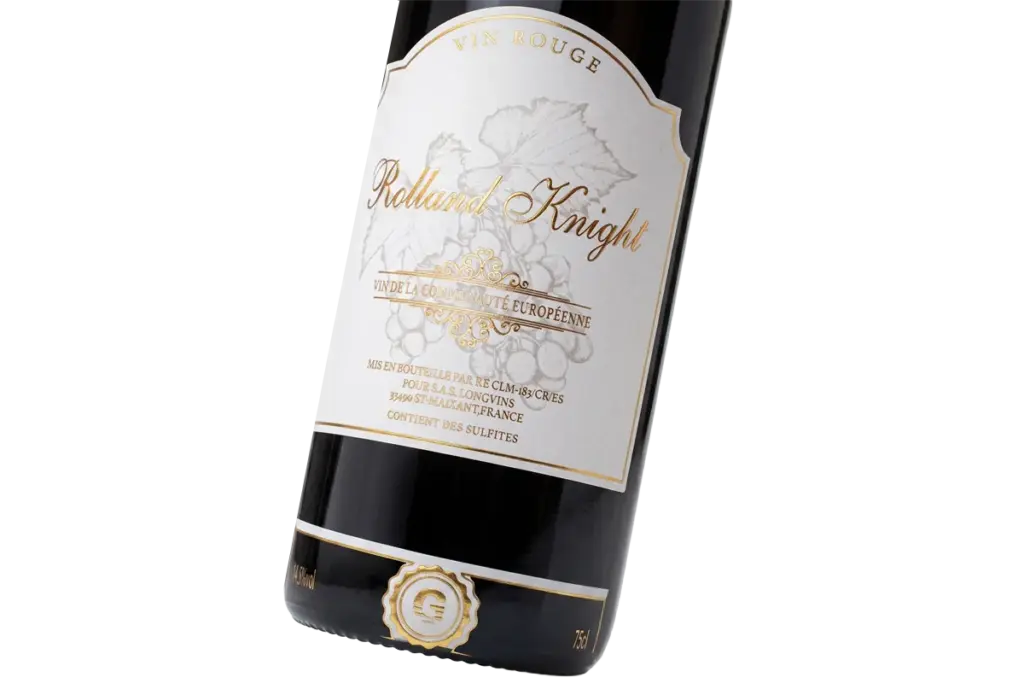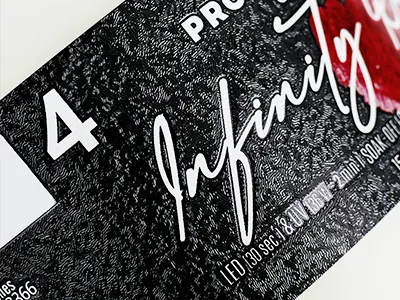
Understanding how foil labels are made helps brands avoid common artwork and production issues early. For cosmetics, spirits, food, and gift packaging, substrate, foil method, artwork tolerances, and finishing all influence the final result.
This guide compares hot foil stamping, cold foil, and digital foil on key factors such as tooling, run length, substrate compatibility, and artwork requirements, including practical details like bleed, line weight, foil masks, and proofing.
Foil Labels Printing Methods Explained
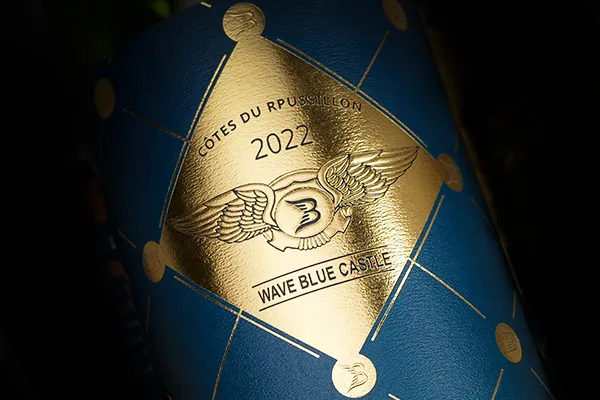
Selecting the right foil label method requires balancing upfront tooling costs, run lengths, and design complexity to achieve the precise tactile and reflective finish your brand demands.
| Aspect | Hot Foil Stamping | Cold Foil Printing | Digital Foil |
|---|---|---|---|
| Transfer Method | Heated metal die + pressure activates foil adhesive | UV/LED-curable adhesive printed via plate; foil nipped and UV cured | Foil bonds to digitally printed toner under heat/pressure |
| Tooling Requirements | Custom engraved brass or magnesium die | Standard flexo/offset plate; no metal die | No physical tooling; digital file controls foil placement |
| Run Length Sweet Spot | Medium to long production runs | Medium to long high-speed inline runs | Short runs, prototypes, and variable data personalization |
| Visual & Tactile Feel | Deep mirror-like reflectivity; strong tactile relief when embossed | High brightness, flat surface, allows inline CMYK overprinting | Good brightness; surface relief depends on toner thickness |
Core Foil Printing Concepts for تسميات مخصصة
Foil printing is a specialized decorative transfer process that applies a thin layer of metallic or pigmented film onto label stock. Instead of relying on traditional liquid metallic inks, this method uses physical transfer mechanisms to place a solid, highly reflective layer directly on top of the substrate. This creates a striking visual contrast that immediately elevates the product’s shelf presence.
Brands use these specialized finishes to establish clear visual hierarchies and capture consumer attention in crowded retail environments. By highlighting logos, brand marks, and seals, foil finishes signal premium quality and justify higher price points, particularly in the craft, cosmetic, and specialty food sectors.
- Metallic Foils: Highly reflective classic gold, فضي, copper, and rose gold finishes.
- Pigmented Foils: Solid, opaque colors that deliver a high-gloss or matte non-metallic appearance.
- Holographic Foils: Diffraction patterns that create dynamic, color-shifting, or anti-counterfeiting effects.
- Specialty Finishes: Brushed metal, clear gloss, pearlescent, and matte metallic options.
Hot Foil Stamping Method
Hot foil stamping is a mechanical transfer method that uses a heated metal die and pressure to transfer foil onto the label substrate. The die temperature is adjusted according to the foil, substrate, press, and production conditions. Controlled heat and pressure activate the foil’s release layer, allowing the metallic layer to transfer cleanly to paper or film stocks.
This traditional process delivers a mirror-like opacity and deep color richness that other foiling methods struggle to match. The physical pressure of the stamp creates a crisp edge definition. When you combine this process with a separate embossing pass, the design elements are raised above the label surface, creating a tactile, three-dimensional luxury finish.
Because hot foil stamping requires physical, custom-engraved dies, the initial setup cost is higher than other alternatives. These tooling costs make the process less economical for short runs or products with frequent design changes. The method is highly efficient for medium-to-long production runs where setup costs amortize over larger volumes.
Cold Foil Printing Method
Cold foil printing is an inline chemical transfer technique that operates without heated dies. The press first prints a specialized UV-curable adhesive onto the label substrate in the exact shape of the foil design using a standard printing plate. The foil film is then nipped against the adhesive-coated stock. When the web passes under a UV or LED lamp, the adhesive cures instantly, locking the metallic layer to the label before the carrier film is rewound.
Because the adhesive is applied via standard flexo or offset printing plates, cold foiling handles intricate fine details, screens, and halftone gradients with extreme precision. The most notable design advantage is the ability to overprint the transferred foil. By printing standard CMYK inks over a base silver cold foil, you can generate an infinite spectrum of custom metallic colors and gradients in a single press pass.
When integrated into a suitable narrow-web press, cold foil printing can support high-speed production while avoiding the need for engraved metal dies. This can reduce tooling requirements and simplify setup, making the process useful for projects with multiple SKUs, frequent artwork changes, or detailed metallic effects.
Digital Foil and Material-Based Alternatives
Digital foil workflows eliminate the need for physical plates or dies entirely, making them highly accessible for short-run labels and rapid prototyping. In a toner-reactive digital system, the press prints a black or clear toner mask onto the substrate. The sheet is then routed through a thermal applicator where heat and pressure fuse the reactive foil film exclusively to the printed toner areas.
For brands that require a full metallic appearance without separate transfer steps, material-based metallic substrates offer a robust alternative. Pre-metallized films like silver PET or metallized paper stocks feature a continuous reflective layer across the entire sheet. Designers print opaque inks over the areas they want to remain matte, leaving the metallic substrate exposed only where reflective highlights are desired.
When choosing between these production methods, consider the following parameters to find your optimal sweet spot:
- Digital Foil: Best for runs under 1,000 labels, serialized numbering, variable data personalization, and instant design testing.
- Cold Foil: Ideal for high-speed, high-volume production lines that require fine halftone details and multi-colored metallic overprints.
- Hot Foil Stamping: Preferred when the absolute highest luxury perception is required, especially when combining gold or silver foil with physical embossing.
- Material-Based Metallics: Perfect for high-coverage metallic packaging, wet environments, and cost-efficient can or bottle wraps.
Custom Foil Labels for Premium Branding
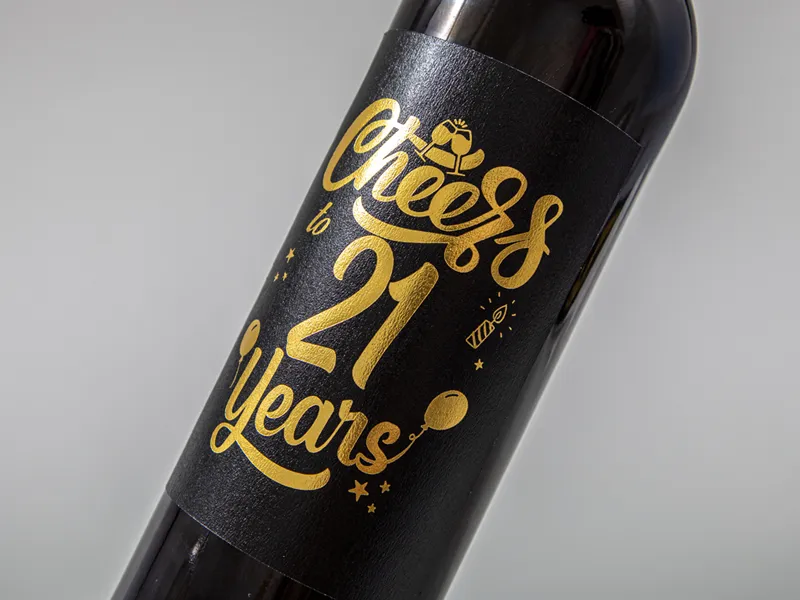
Selective metallic foil accents can strengthen shelf appeal and help highlight important brand elements such as logos, seals, product names, and decorative details, particularly on premium and specialty packaging.
The Role of Foil in Elevating Brand Perception
Custom foil labels create an instant premium look on retail shelves. Their metallic shine and light reflection quickly signal luxury and quality to shoppers. This strong visual and tactile effect reinforces the common association of shiny packaging with higher-quality products.
For independent craft and boutique manufacturers, this visual hardware acts as a vital tool to disrupt traditional retail spaces. Selective metallic highlights allow small-batch goods to compete directly with global brands without requiring massive packaging budgets.
The metallic layer can add contrast and visual interest to simple containers such as clear jars, amber bottles, and paperboard packaging, especially when paired with an appropriate substrate and finish.
The color profile of the metal itself communicates a specific brand temperature and narrative:
- Gold and Copper: Convey tradition, opulence, heritage, and warmth. This makes them ideal for artisanal food, spirits, and heritage cosmetics.
- Silver and Cool Metallics: Signal modern clean aesthetics, clinical precision, and high-tech innovation. This matches contemporary skincare and professional services.
- Rose Gold: Bridges the gap between warm and cool palettes, communicating modern lifestyle luxury.
Foil Application Methods and Finishes
Selecting the correct application method dictates both your unit economics and the physical feel of your packaging. Commercial printers rely on three primary technologies to transfer metallic layers onto label stocks:
- Hot Foil Stamping: This traditional approach uses heat, immense pressure, and custom engraved metal dies (usually brass or magnesium) to stamp foil onto the substrate. It delivers crisp, opaque metallic areas with a slight physical impression.
- Digital Foil: A plate-free digital process that applies foil to digitally printed toner or adhesive areas. Without metal dies, it suits short runs, multiple SKUs, variable data, and designs needing no extra tooling.
- Embossed Foil Labels: By combining hot foil stamping with a secondary embossing pass, printers physically raise the foiled design from the surface. This produces a tactile 3D effect that makes seals, crests, and award medallions stand out on premium packaging.
Strategic Design and Contrast Principles
Sophisticated branding relies on restraint. Flooding an entire label with metallic foil creates glare and visually cheapens the product. Sophisticated designs apply foil selectively to key focal points such as brand marks, logos, or vintage years, leaving the rest of the label matte to create visual contrast.
Placing highly reflective metallics alongside light-absorbing surfaces maximizes this contrast. Uncoated textured papers, felt, linen, or soft-touch laminates absorb light, making the neighboring metallic elements pop. This visual tension keeps the focus locked onto the brand’s key assets.
Readability must remain a priority during the design phase. Highly reflective surfaces are hard to read under direct retail lights or on extreme container curves. Keep barcodes, regulatory text, and small ingredients lists in high-contrast flat inks to guarantee legibility and scanning reliability.
Technical Artwork Setup for Craft Printers
To prevent production delays and expensive artwork adjustments, your digital files must match the exact mechanical tolerances of commercial presses. Follow these strict setup parameters:
- Color Mode and Masking: Prepare standard print elements in the required CMYK or spot-color workflow. For foil areas, create a separate artwork layer or mask using the specifications provided by your printer, clearly identifying the areas that require foil application.
- Bleed and Resolution: Apply a minimum of 3 mm bleed on all edges to account for shifting during die-cutting. Ensure all raster images are exported at 350 dpi or higher to prevent pixelation on the final print.
- Vector and Font Prep: Convert all text to vector outlines. Maintain adequate minimum line weights for both positive lines and negative knockouts to prevent delicate foil elements from breaking or filling in during application.
Material Options and Production Realities
The environment where your product lives dictates your material choice. While dry pantry items can utilize estate papers or smooth coated paper-backed foils, products heading for refrigerators, ice buckets, or bathrooms require synthetic film bases. Polypropylene (BOPP) or polyester (PET) films offer good resistance to moisture, oils, and temperature swings.
For short runs and prototypes, digital foil systems can reduce the tooling requirements associated with conventional foil stamping. Minimum order quantities still vary by printer, equipment, label size, substrate, and finishing requirements, so confirm the available quantity and setup conditions before production.
Before signing off on a bulk run, always request physical or digital press proofs. This step allows you to inspect print registration, verify foil adhesion on the target glass, plastic, or cardboard container, and check that the adhesive resists peeling under real-world handling and shipping conditions.
Elevate Your Brand With Premium Metallic Finishes

How to Choose Foil Finishes for Products
Aligning substrate compatibility, brand temperature, visual contrast, and environmental durability ensures a high-yield production run and maximum retail shelf impact.
Evaluate Substrate Compatibility and Application Methods
Selecting the wrong pairing between your base material and application method leads to adhesion failure, edge lifting, and costly press downtime. You must analyze the physical surface properties of your packaging material before selecting a foil chemistry.
- Base Material Assessment: Coated paperboard, self-adhesive polymer films, and textured stocks each require dedicated adhesive formulations to secure a clean foil transfer and long-term bonding.
- Hot Stamping: This process uses heat, pressure, and metal dies to deliver high-opacity, precise metallics on thick paperboards and textured wine stocks.
- Cold Foil Stamping: This inline method uses UV-curable adhesive to transfer foil at high speeds, making it ideal for film labels and complex CMYK overprinting.
Align Foil Color and Finish with Brand Positioning
Foil acts as a direct visual communicator of your product’s market value. The color temperature and sheen level must harmonize with your brand’s core identity rather than serving as random decoration.
- Warm Tones: Gold, copper, and rose gold communicate heritage, luxury, indulgence, and traditional craftsmanship.
- Cool Tones: فضي, chrome, and cool metallics project modernity, clinical precision, innovation, and technological advancement.
- High-Gloss Finishes: These ultra-reflective surfaces maximize physical shelf impact and capture immediate consumer attention in high-competition retail spaces.
- Matte and Satin Finishes: These low-glare options convey understated luxury, contemporary minimalism, and refined elegance.
- Holographic Patterns: Dynamic, light-refracting patterns offer high visual movement, making them highly effective for youth-oriented, novelty, or security-focused packaging.
Optimize Visual Contrast and Design Details
Proper prepress preparation and strategic placement prevent legibility issues and production errors. High contrast between your design elements and the background material keeps your branding readable under variable retail lighting.
- Dark Backgrounds: Placing bright metallic foils on black, navy, forest green, or deep burgundy stocks creates maximum reflection and distance readability.
- Selective Spot Application: Apply foil restricted to logos, brand marks, and seals to preserve a high-end look; flooding entire backgrounds often looks cheap and invites application defects.
- Vector-Based Artwork: Create all foil design paths as vectors to guarantee clean, sharp tooling edges.
- Fine Line Thresholds: Maintain sufficient line weights and avoid overly small text sizes to prevent the foil from blurring or filling in during stamping.
Verify Mechanical Durability and Environmental Resistance
A foil finish must survive transport, shipping, and daily consumer handling. If the foil flakes, cracks, or dulls before the product is consumed, your brand’s perceived quality collapses.
- Flexible Formulations: Select specialized elastic foil grades to prevent cracking at critical folds, scores, or deeply embossed areas on folding cartons.
- Chemical Resistance: Verify your foil can withstand product-specific exposure to essential oils, grease, alcohol, fragrances, and acidic cosmetic residues.
- Physical Protection: Use matte or gloss laminations and protective UV varnishes to secure high rub and scuff resistance during case packing and transit.
Conduct Material Sampling and Process Trials
Avoid approving high-volume production runs based solely on on-screen digital renderings. Physical testing under actual production conditions remains the most reliable way to reduce raw material compatibility risks.
Request actual physical foil swatches from your custom label manufacturer and run prototype proofs on your chosen production stock. This allows you to evaluate the precise color, adhesion level, and readability under real-world lighting.
During these trials, you must verify the processing windows, including the dwell temperature for hot stamping and the adhesive curing times for cold foil. Once the foil transfer meets the approved quality requirements, document the selected foil grade, press speed, temperature range, pressure settings, and other relevant production parameters to support consistency in future runs.
Final Thoughts
While generic, unrated stickers might offer lower upfront costs, investing in our Quality Factory Standard foil labels is the only way to safeguard your brand reputation against edge peeling, ink flaking, and moisture degradation on retail shelves.
Elevating your packaging with precisely calibrated hot stamping or high-speed cold foiling ensures your product commands its targeted premium price point. Ensuring your materials match your environmental exposure, from damp showers to ice buckets, prevents costly product recalls and preserves your luxury shelf presence.
Before mass production, verify foil appearance, adhesion, and finish on the actual container or substrate whenever possible. We recommend starting with a custom sample kit to test our various metallic finishes and adhesive backings under real-world conditions.
Contact our label specialists today to receive a tailored quotation or to discuss your specific OEM design requirements.
الأسئلة المتداولة
How are foil labels made?
Foil labels are made through processes such as hot foil stamping, cold foil printing, or metallic foil lamination. The production process usually involves selecting a suitable label material, applying the foil effect through heat, لاصق, or pre-coated films, and then adding printing, coating, or finishing treatments. The final process depends on the required appearance, durability, and production volume.
How are foil labels made?
Foil labels are made through processes such as hot foil stamping, cold foil printing, or metallic foil lamination. The production process usually involves selecting a suitable label material, applying the foil effect through heat, لاصق, or pre-coated films, and then adding printing, coating, or finishing treatments. The final process depends on the required appearance, durability, and production volume.
What is foil stamping on labels?
Foil stamping is a finishing technique that transfers metallic foil onto a label surface using heat and pressure. A heated die presses the foil onto selected areas of the label to create a shiny metallic design. This method is often used for logos, brand names, decorative patterns, and premium packaging applications that require a luxury appearance.
Are foil labels waterproof?
Foil labels can be waterproof when they are made with moisture-resistant materials such as synthetic films, waterproof adhesives, and protective coatings. However, foil itself does not determine water resistance. The overall durability depends on the label construction, including the facestock, لاصق, printing method, and finishing layer selected for the application.
What is the difference between gold foil and silver foil labels?
Gold foil labels create a warmer, more luxurious appearance and are commonly used for premium products such as wine, cosmetics, candles, and gift packaging. Silver foil labels provide a more modern, clean, and refined look, making them suitable for skincare products, food and beverage packaging, premium gift boxes, and brands seeking a minimalist aesthetic. The choice depends on brand positioning, color combinations, and the desired visual effect.
How much do foil labels cost?
The cost of foil labels depends on factors such as label size, material, foil type, printing method, finishing options, order quantity, and design complexity. Standard foil effects are usually more affordable for large production runs, while custom foil stamping with special shapes or multiple finishing processes may increase the cost. A professional supplier can provide accurate pricing based on the complete label specification.
How much do foil labels cost?
The cost of foil labels depends on factors such as label size, material, foil type, printing method, finishing options, order quantity, and design complexity. Standard foil effects are usually more affordable for large production runs, while custom foil stamping with special shapes or multiple finishing processes may increase the cost. A professional supplier can provide accurate pricing based on the complete label specification.
Can foil labels be customized?
نعم. Foil labels can be customized in terms of material, foil color, shape, size, adhesive type, printing method, and surface finishing. Brands can combine foil effects with embossing, spot UV, matte coatings, or textured materials to create unique packaging designs. Custom foil labels are commonly developed for products that need strong shelf appeal and brand differentiation.
What products use foil labels?
Foil labels are widely used for products that require premium presentation, including wine and spirits, cosmetics, skincare, candles, luxury food packaging, supplements, and gift products. They help brands create a sophisticated appearance while highlighting important elements such as logos, product names, and decorative details.
Are foil labels recyclable?
The recyclability of foil labels depends on the label structure and the recycling system used. Some foil effects, especially thin metallic layers applied to paper labels, can be compatible with certain recycling processes. However, labels made with mixed materials, plastic films, or special adhesives may require additional evaluation. Brands should discuss material selection with their label supplier when sustainability is a priority.
📖 Complete Guide
← Back to “What Are Custom Labels?” — The Complete Guide
Learn everything about custom labels: types, مواد, printing techniques, cost factors, and how to choose the right solution for your brand.
Related Products You May Like
Want to know more about Meikei? Visit end-to-end-customization or explore learn more about Meikei.