Nutrition facts vs. supplement facts labels is a choice the product makes before the artwork does, and the printer who mixes the two prints a rejection. The two panels look alike on the shelf and follow different rule sets, so the label plan starts by naming which panel the product owns. Food and beverage labels and packaging carry one panel or the other, never both, and the artwork follows the product’s side of the line. The choice is made in the product file, and the label art only follows the file.
This guide walks the two panels side by side: the products each one serves, the declarations they carry, the layout and the daily value differences, and the artwork decision at the end. The nutrition facts panel serves conventional foods, and the supplement facts panel serves dietary supplements, so the two panels declare different sets under different headings.
Products That Use Nutrition Facts Panels
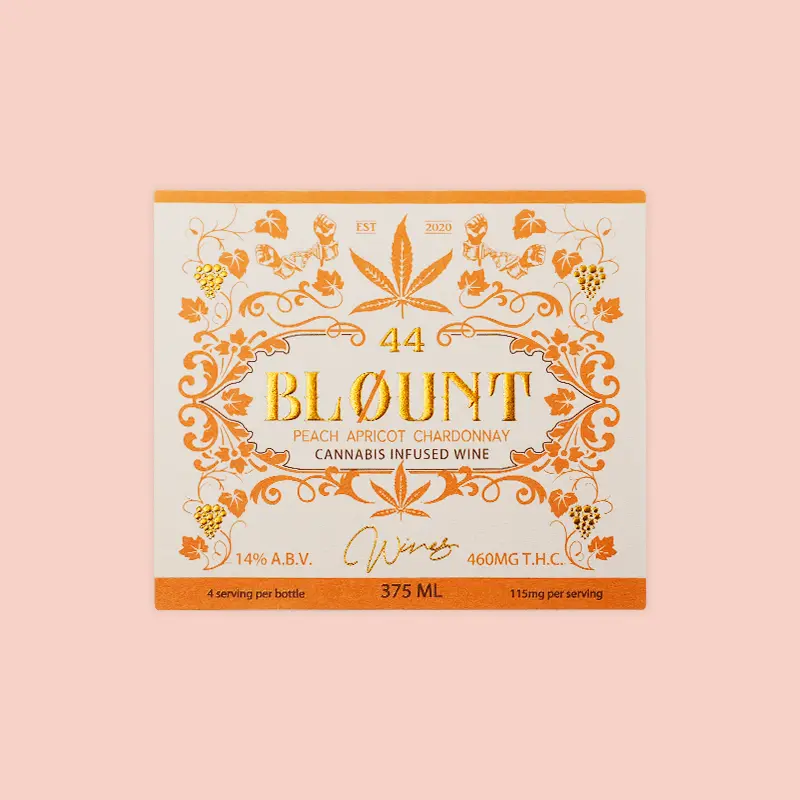
The nutrition facts panel belongs to the food aisle, and the product decides the membership.
The Conventional Food Side
Conventional foods and beverages print the nutrition facts panel, and the definition covers the snacks, the cereals, the drinks, the frozen meals, and the rest of the retail food aisle. The panel’s job is the food’s nutrient profile, and the buyer reads it to compare the products on the shelf. The full label frame around the panel follows the FDA food labeling requirements for packaged foods, and the panel is one part of that frame. The shelf reads the panel first, and the panel reads the template the artwork followed.
The Five Parts of the Panel
The five parts of the nutrition facts panel are the serving information, the calories, the nutrient list, the percent daily values, and the footnote. The serving block opens the panel, the calorie line prints large, and the nutrient rows follow in the template order. The percent column runs beside the nutrients, and the footnote closes the block with the reference note. The order is fixed, and the artwork keeps the rows in their template places.
The Footnote and the Reference Values
The footnote under the panel states the daily value reference the percent column divides by, and the reference covers a general daily intake. The note is part of the panel template, and the artwork keeps it on the block. A panel without the footnote is a truncated template, and the shelf notices. The reference note prints in small type, and the legibility check keeps it readable.
Products That Use Supplement Facts Panels
The supplement facts panel belongs to the dietary supplement aisle, and the rule set is its own.
The Supplement Side
Dietary supplements print the supplement facts panel, and the definition covers the vitamins, the minerals, the herbs, the amino acids, and the other dietary ingredients. Dietary supplements reach the market without premarket approval, so the agency checks the label and the claims after the product ships. The panel rules for that side sit in the supplement facts label requirements in the USA guide, and the artwork reads from there. The product’s definition names the aisle, and the panel family follows the definition.
What the Supplement Panel Declares
The supplement facts panel reports the serving size, the amounts per serving, and the percent daily value for each dietary ingredient the product declares. The ingredient rows list the vitamins and the minerals first, and the botanicals and the blends follow without the percent column where the agency has set no reference. The other ingredients close the block under the panel. The declared rows come from the formula, and the panel copies the formula’s numbers.
The Two Panels Never Mix
One product prints one panel, and the panel choice comes from the product’s definition, not from the marketing. A beverage with added nutrients is a conventional food with a nutrition facts panel, and a capsule of the same nutrients is a supplement with a supplement facts panel. The artwork file carries the panel that the product’s file names, and the two never share a label. The shared label is a compliance error, and the error prints on every pack.
Declaration Differences Between Nutrients and Dietary Ingredients
The food panel declares nutrients, and the supplement panel declares dietary ingredients.
Nutrients Versus Dietary Ingredients
The nutrition facts panel declares the nutrient set of a food. The rows run the fat, the carbohydrate, the protein, the sodium, and the vitamins and the minerals with the established daily values. The supplement facts panel declares the dietary ingredients of a supplement, and the rows run the same vitamins and minerals plus the botanicals, the amino acids, and the blends. The food rows describe what the product contains, and the supplement rows describe what the product delivers per serving. The food rows measure the whole product, and the supplement rows measure the delivered dose.
The Percent Daily Value Line
The percent daily value prints on both panels, and the difference is the coverage. The nutrition facts panel prints the percent beside most of its nutrient rows, and the supplement facts panel prints it only where the agency has set the reference for that dietary ingredient. The missing percent on the supplement panel marks the botanicals and the blends, and the absence is the rule at work. The percent column is the shared shorthand, and the coverage is the difference.
Units and Rounding
The units follow the ingredient on both panels, and the rounding follows the template that owns the panel. The food panel reports the grams, the milligrams, and the percent daily values in its template, and the supplement panel reports the milligrams, the micrograms, and the percent where it exists. The artwork copies the rounded numbers from the approved file, and the two templates never borrow each other’s math. The file carries the rounded values, and the proof checks them against the file.
| Comparison Point | Nutrition Facts Panel | Supplement Facts Panel |
|---|---|---|
| Products served | Conventional foods and beverages | Dietary supplements |
| Rows declared | Nutrients with daily values | Dietary ingredients with and without daily values |
| Percent column | Beside most nutrient rows | Only where the reference exists |
| Closing block | The footnote with the reference note | The other ingredients list |
The Correct Panel Printed the First Time

Panel Layout, Serving Information, and Daily Values Compared
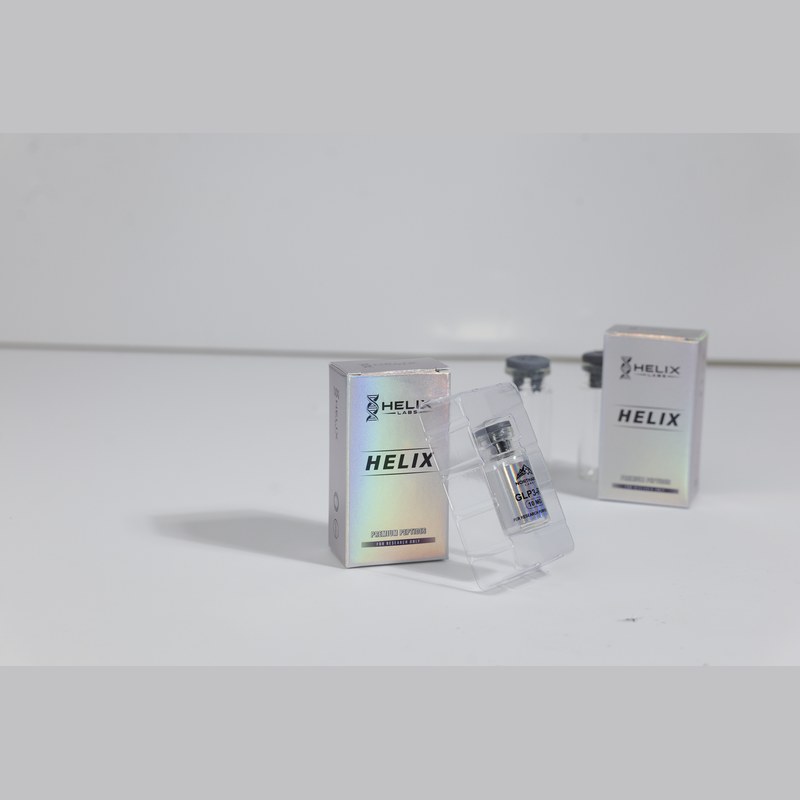
The two blocks share the serving line, and the rest of the layout splits by template.
The Layout Side by Side
The nutrition facts panel opens with the serving block, prints the calories in large type, and runs the nutrient rows down to the footnote. The supplement facts panel opens with the same serving block, then runs the dietary ingredient rows down to the other ingredients list. The title, the hairlines, and the columns follow each template’s rules, and the two layouts read as cousins, not twins. The title styles differ, the row sets differ, and the closing blocks differ.
Serving Information
Both panels declare the serving size and the servings per container, and the serving defines the numbers below it. The food panel’s serving is the amount the buyer is likely to consume, and the supplement panel’s serving is the dose the directions state. The serving block prints at the top of both templates, and the amounts below it belong to that serving alone. The serving block is the shared opening, and the rest of the layout splits from there.
Daily Values and the 5/20 Rule
The 5/20 rule reads the percent daily value column, with 5 percent or less as a low source and 20 percent or more as a high source. The rule is the buyer’s shortcut on the nutrition facts panel, and the same percent logic applies where the supplement panel prints the column. How to read a food label walks the percent column for the everyday reading. The low and the high readings frame the choice, and the shelf uses them daily.
The Accuracy of the Printed Values
The nutrition facts values come from the tested formula, and the panel is accurate when the artwork copies the tested numbers. The declared values travel from the lab data to the artwork file, and the printer’s proof must match the file exactly. A panel that rounds on its own drifts from the tested record, and the drift is a reprint. The tested record is the source, and the panel is its printed copy.
Choosing the Correct Panel for Product Label Artwork
The product’s definition names the panel, and the artwork copies the named template.
The Product Definition Test
The panel choice runs one test: is the product a conventional food or a dietary supplement under its label file? The brand’s regulatory documents answer the question, and the artwork waits for that answer before the first draft. The definition is fixed in the product’s file, and the label art is the file’s printed voice. The test runs once, and the answer stays with the product for the label’s life.
The Artwork Consequences
A wrong panel is a full reprint, because the template, the rows, and the percent column all differ between the two. The artwork locks the panel template before the design plays, and the design wraps around the block. Supplement facts label printing covers the supplement side of the file, and professional supplement label design walks the layout around it. The template is picked before the design, and the design never repicks it.
The Prepress Gates
The prepress pass runs the panel through five gates in order, and each gate clears or sends the file back.
- Confirm the product’s definition and the panel it names.
- Check the template version against the current rules.
- Read the serving block and the declared rows against the spec.
- Verify the percent daily value column row by row.
- Print a physical proof and read the block at arm’s length.
The Version Lock
The approved panel file carries a version number, and the press runs only the latest. The archived versions stay in the folder, and the file name carries the date and the revision. The version lock is the cheapest insurance on the print room floor.
Frequently Asked Questions
What is the difference between nutrition facts and supplement facts?
The nutrition facts panel serves conventional foods, and the supplement facts panel serves dietary supplements, so the two panels declare different sets under different headings.
What information is required on a supplement facts label according to the FDA?
The supplement facts panel reports the serving size, the amounts per serving, and the percent daily value for each dietary ingredient the product declares.
What are the 5 parts of the Nutrition Facts label?
The five parts of the nutrition facts panel are the serving information, the calories, the nutrient list, the percent daily values, and the footnote.
What is the 5/20 rule for nutrition facts?
The 5/20 rule reads the percent daily value column, with 5 percent or less as a low source and 20 percent or more as a high source.
Are nutrition facts actually accurate?
The nutrition facts values come from the tested formula, and the panel is accurate when the artwork copies the tested numbers.
Why does the FDA not approve supplements?
Dietary supplements reach the market without premarket approval, so the agency checks the label and the claims after the product ships.
For a printable pre-press rundown, the nutrition facts label requirements checklist pairs with the comparison above.
Conclusion
The two panels are cousins with different rule sets, and the product’s definition picks the family before the artwork starts. The nutrition facts panel serves the food aisle with the nutrient rows and the footnote. The supplement facts panel serves the supplement aisle with the dietary ingredient rows and the other ingredients list. The percent column, the serving block, and the template version each follow their own panel, and the prepress gates catch a file that crossed the line.
For food and supplement brands that want the correct panel and the print planned together, Meikei runs the panel art, the material, and the proof as one program, sampled before the run.